
Whampoa, in China — History & Facts
Can paint confess what words never could? In Whampoa, in China, vibrant hues dance across the canvas, capturing an ecstatic moment that transcends mere visual representation. The artwork invites the soul to revel and reflect, forging a connection that lingers long after the viewing has ended. Look to the left at the striking contrast between the deep greens of the foliage and the vivid azure sky, which envelops the scene with a sense of serenity. As your gaze drifts toward the bustling harbor, notice the intricate details of the boats, their sails billowing in the wind, expertly painted with delicate brushstrokes.
The warm sunlight spills over the landscape, illuminating the figures engaged in everyday life, their movements imbued with a sense of purpose and vitality. Beneath its lively surface, the composition reveals a deeper narrative of cultural exchange and harmony. The juxtaposition of traditional Chinese architecture against the fluidity of the water serves as a metaphor for the convergence of East and West, suggesting a dialogue that is both inviting and complex. Each element tells a story—whether it's the fishermen casting their nets or the bustling activity of trade—echoing themes of connection, aspiration, and the ecstasy of existence itself. Created during a time when the artist found himself deeply influenced by his travels in Asia, this work emerged as Duncan explored the harmonies of landscape and life.
Painted at an undetermined date, it reflects the mid-19th century fascination with exotic locales, as Western artists sought to capture the beauty and intricacies of cultures far from their own. Duncan stood at a crossroads of artistic expression, where the East met the West, illustrating a brief but profound moment in the history of art.
More Artworks by Edward Duncan
Browse all →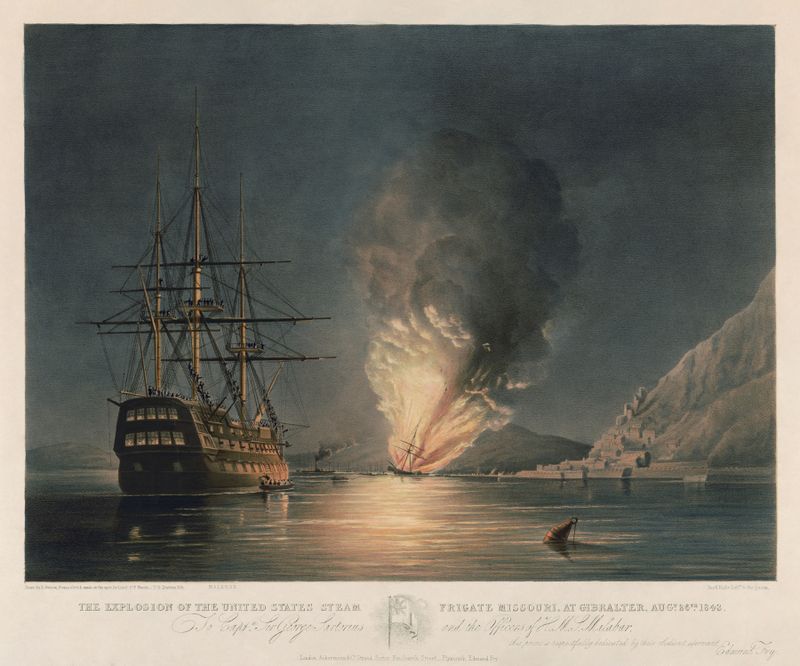
The Explosion of the United States Steam Frigate Missouri
Edward Duncan
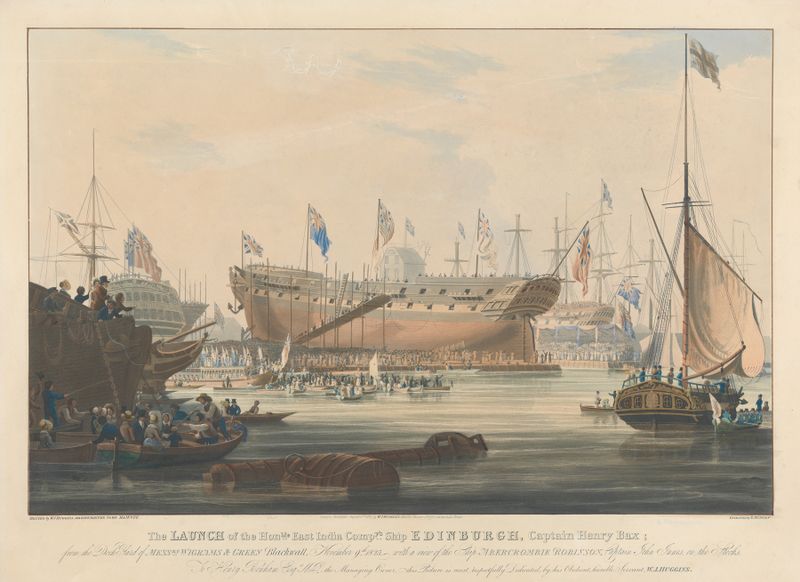
Launch of the ‘Edinburgh’, Blackwall, Nov. 9, 1825
Edward Duncan
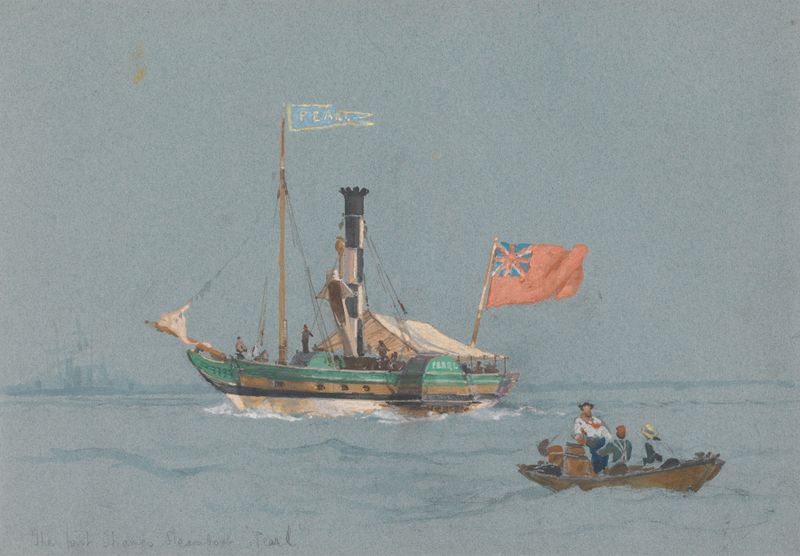
The First Thames Steamboat: Pearl
Edward Duncan
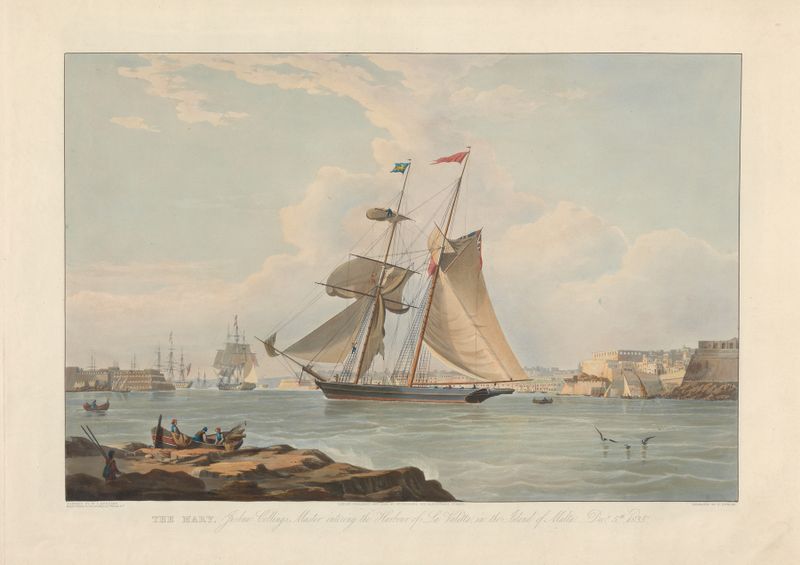
The Mary, Joshua Collings, Master, Entering the Harbour of La Valletta, in the Island of Malta, Dec. 5, 1835
Edward Duncan
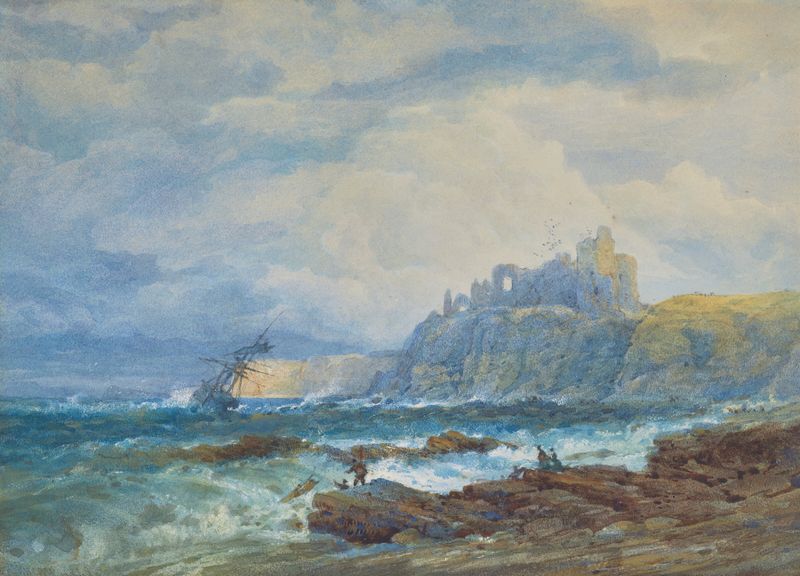
A ship in distress off Tantallon Castle, Scotland
Edward Duncan
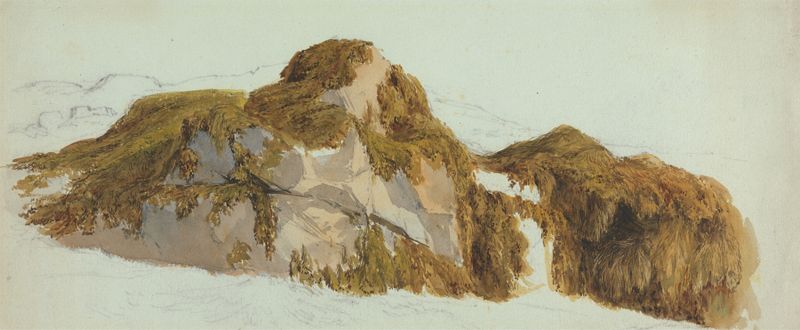
Study of Rocks Covered with Seaweed
Edward Duncan
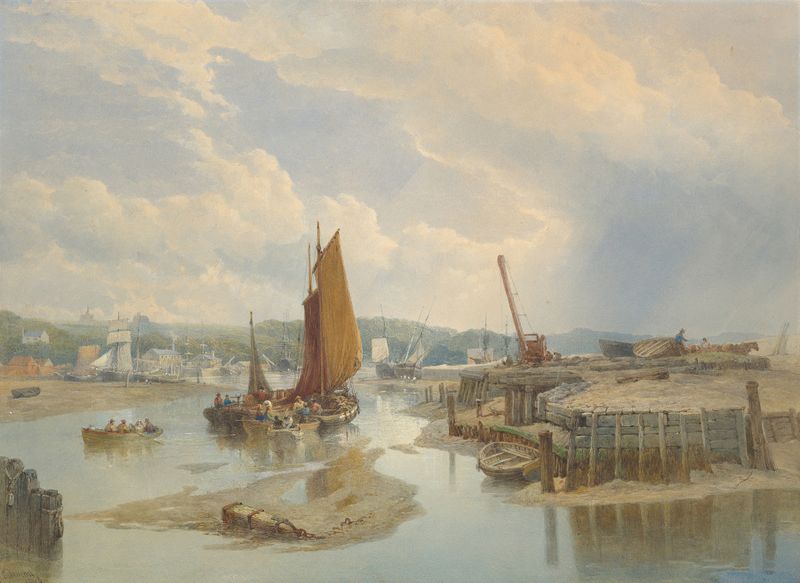
A Town on an Estuary at Low Tide
Edward Duncan
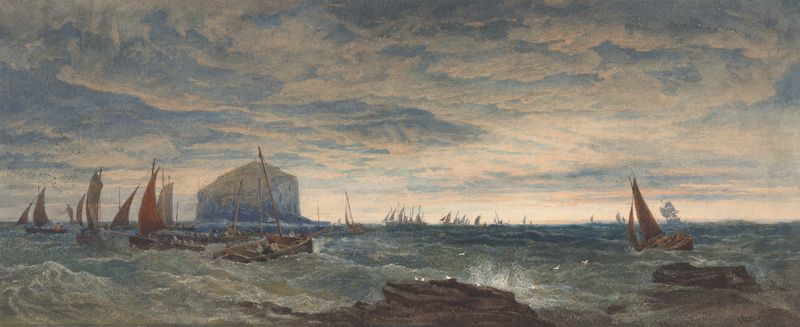
The Bass Rock at Dawn
Edward Duncan
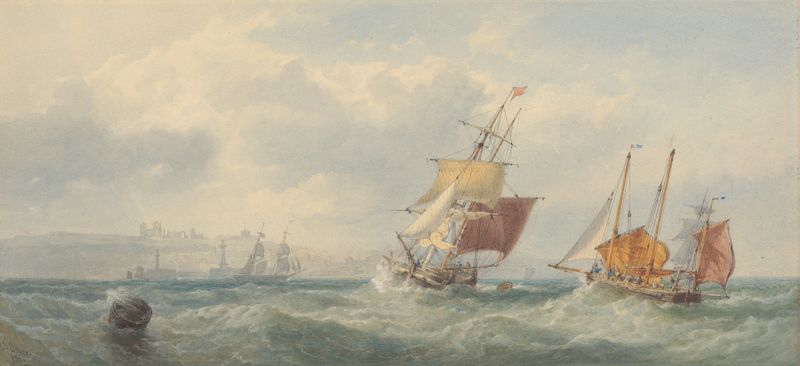
Off Whitby
Edward Duncan
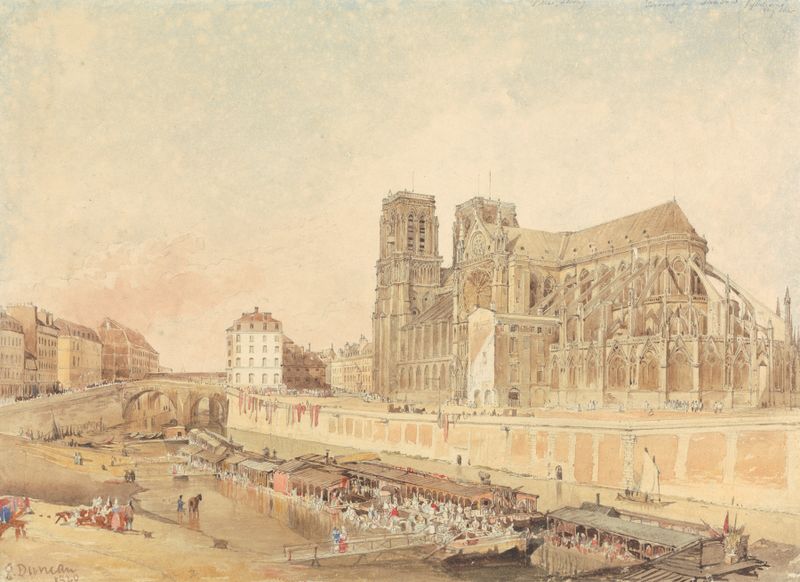
Notre Dame, Paris, from the Left Bank
Edward Duncan





