Wheels in Vault — History & Facts
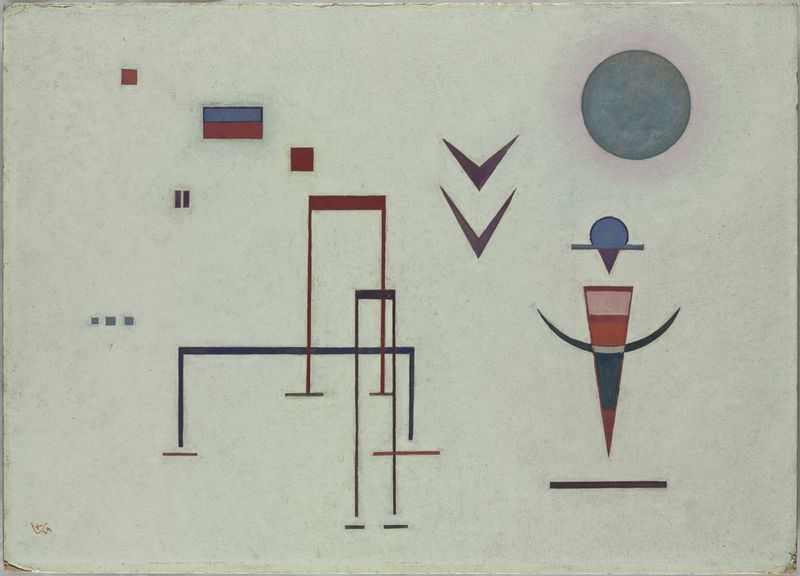
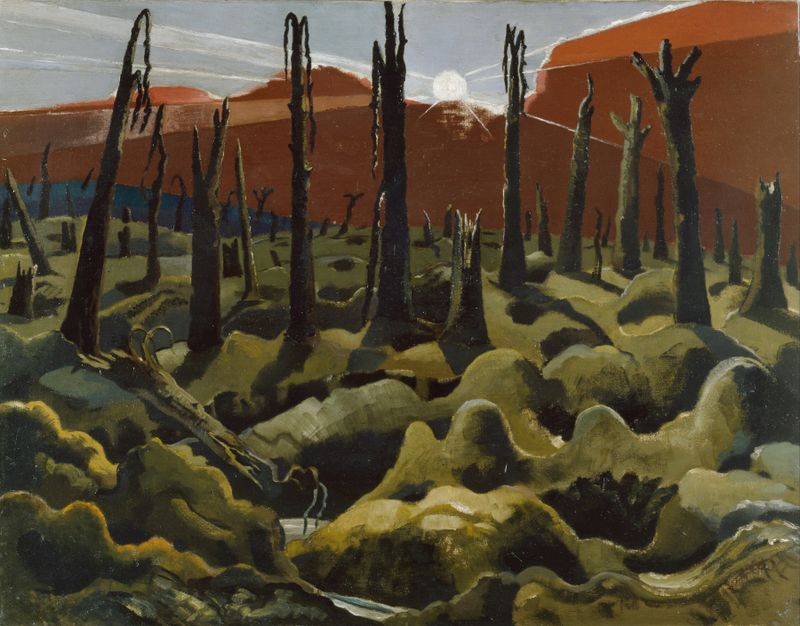
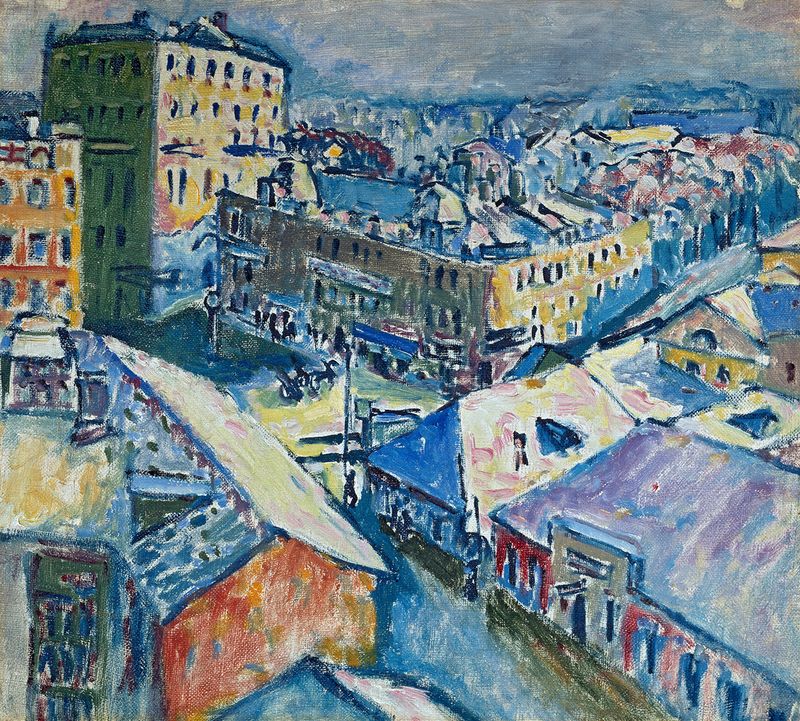
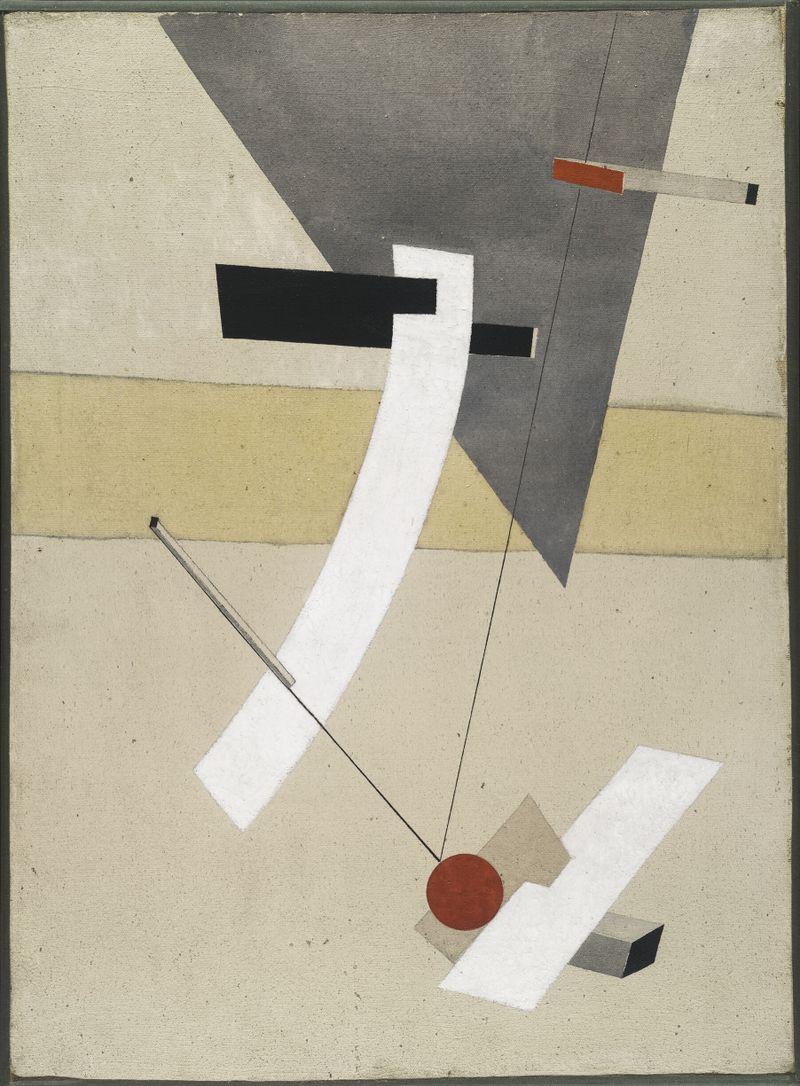
Can beauty exist without sorrow? In Wheels in Vault, the interplay of light and shadow reveals a profound revelation about the coexistence of joy and melancholy. Look to the vibrant, swirling colors that dance across the canvas, drawing your eye to the central wheel, where rich hues collide with softened tones. The circular form evokes a sense of movement, capturing the fleeting nature of time and existence. As you explore the painting, notice the intricate details in the background that contrast with the boldness of the wheel — hints of architectural forms bathed in softer light suggest both stability and fragility, compelling the viewer to linger in the tension between motion and stillness. Beneath the surface, the work whispers of deeper meanings — the wheel as a symbol of life's cyclical nature, and the vibrant palette reflecting both the exuberance and the inevitable sorrows of the human experience.
The interplay between bright and muted tones highlights the contrasts of vitality and decay, while the smoothness of the wheel juxtaposes the textured backdrop, suggesting resilience amid the passage of time. John Singer Sargent painted Wheels in Vault in 1918, during a period marked by the aftermath of World War I. Living in London, Sargent witnessed the profound shifts in society and the arts, as traditional values were challenged by the trauma and upheaval of war. This work emerges from a time of introspection for the artist, mirroring his journey to encapsulate beauty even in the face of adversity.
More Artworks by John Singer Sargent
Browse all →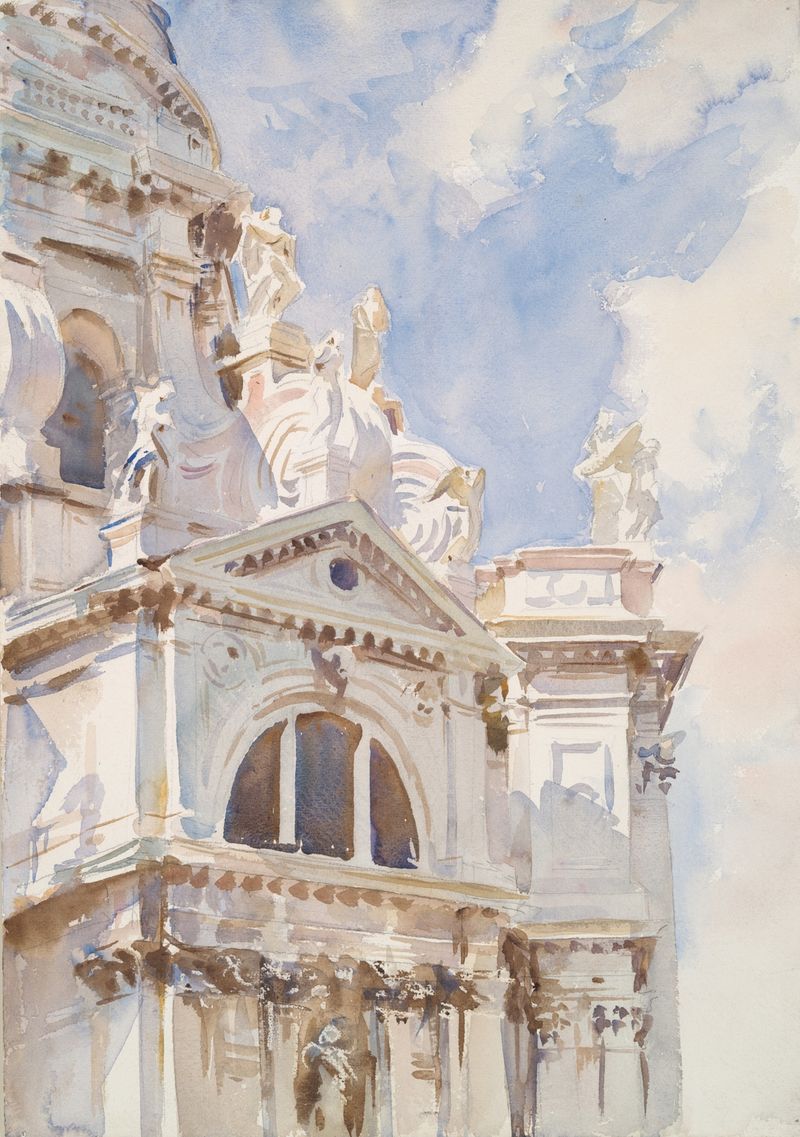
The Salute, Venice
John Singer Sargent

Mrs. Charles Deering (Marion Denison Whipple)
John Singer Sargent

A Moroccan Street Scene
John Singer Sargent
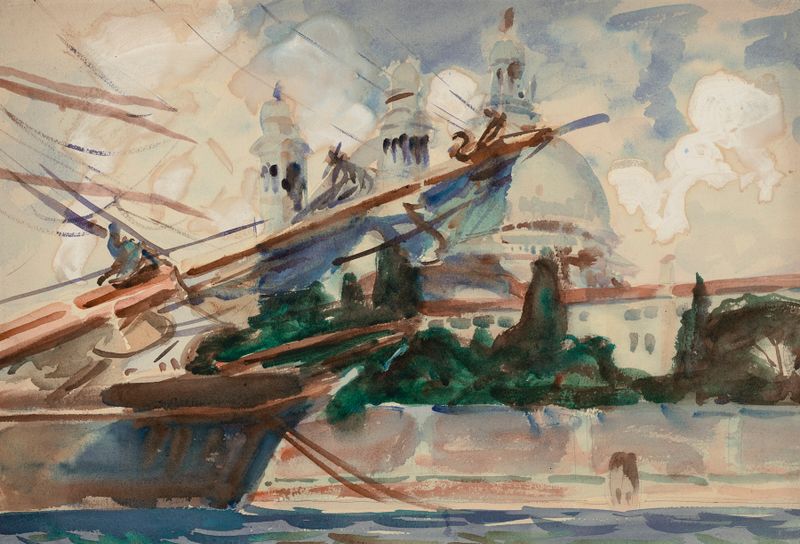
The Salute, Venice
John Singer Sargent
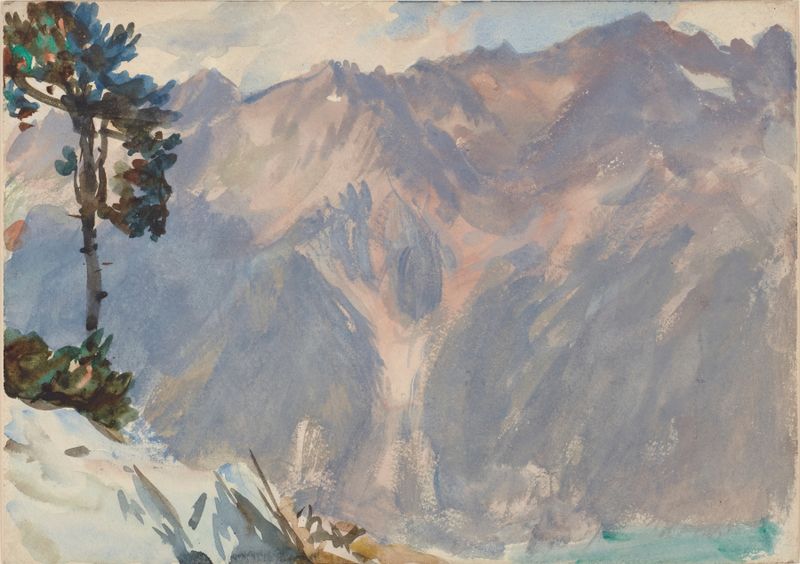
Tyrol
John Singer Sargent
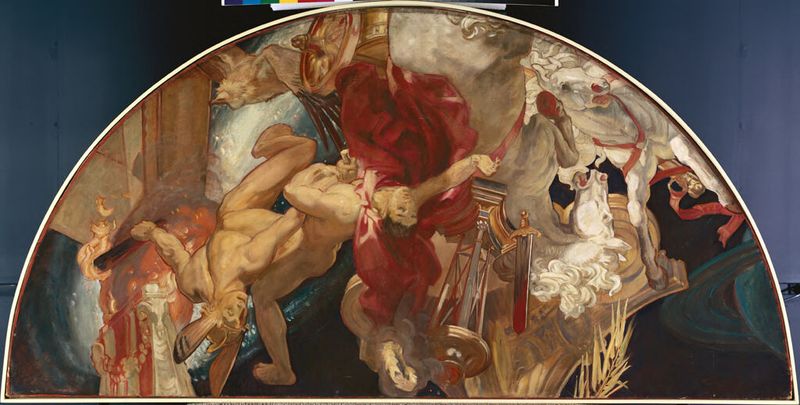
Study for "Gog and Magog," for the Boston Public Library
John Singer Sargent
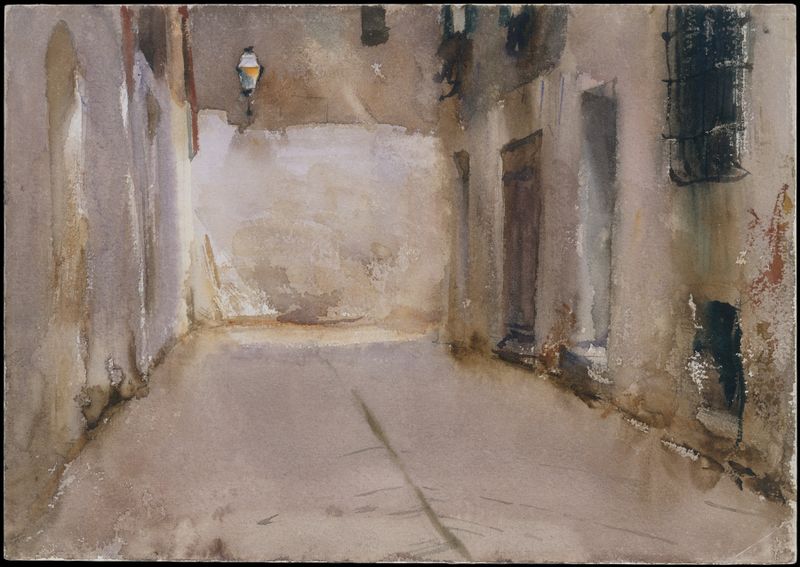
Venice
John Singer Sargent
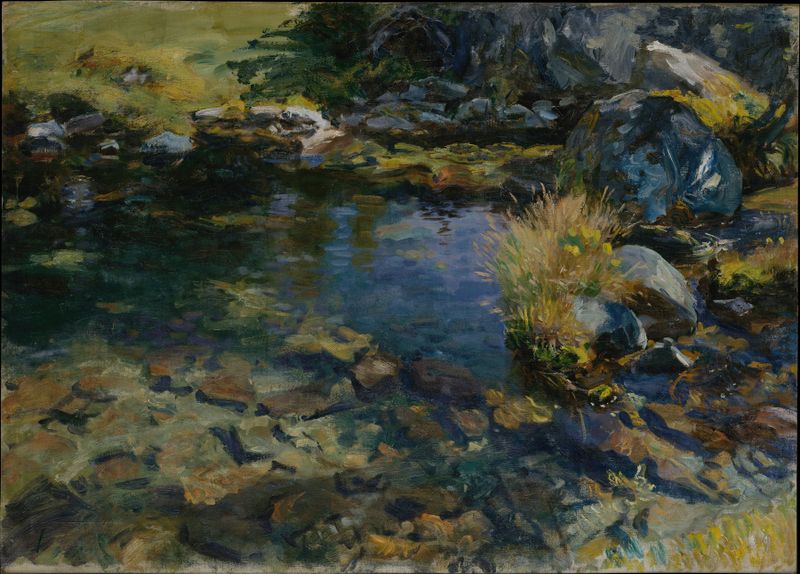
Alpine Pool
John Singer Sargent

The Piazzetta with Gondolas
John Singer Sargent

The Façade of La Salute, Venice
John Singer Sargent