
Wiedensahler Bockmühle bei aufziehendem Sturm — History & Facts
Who listens when art speaks of silence? In the stillness captured here, a whisper of rebirth echoes through the canvas, suggesting a world waiting to be awakened. Look to the left at the weathered mill, its structure dwarfed by a tumultuous sky alive with swirling grays and blues. The artist employs a rich palette and dynamic brushstrokes, giving movement to the storm that seems poised to engulf the scene. Notice how the light subtly breaks through the clouds, illuminating the mill’s details, a beacon of hope amidst the impending chaos. Beneath the surface, the contrast between the darkening storm and the resilient mill tells a story of endurance.
The wind, a force of destruction, is juxtaposed with the steadfastness of the structure. This tension reflects not only the physical struggle against nature but also an emotional undercurrent of rebirth and renewal, suggesting that within the storm lies the potential for regeneration. During the years 1870 to 1893, the artist created this piece while living in Germany, a time marked by significant transitions in both the art world and society. The era was characterized by a movement towards realism, as artists embraced naturalism and focused on depicting everyday life.
This work mirrors Busch's interest in capturing the essence of landscape, showing a moment steeped in both turmoil and potential, emblematic of broader societal changes and personal introspection.
More Artworks by Wilhelm Busch
Browse all →
Niedersächsische Landschaft
Wilhelm Busch

Blick aus einer Scheune
Wilhelm Busch
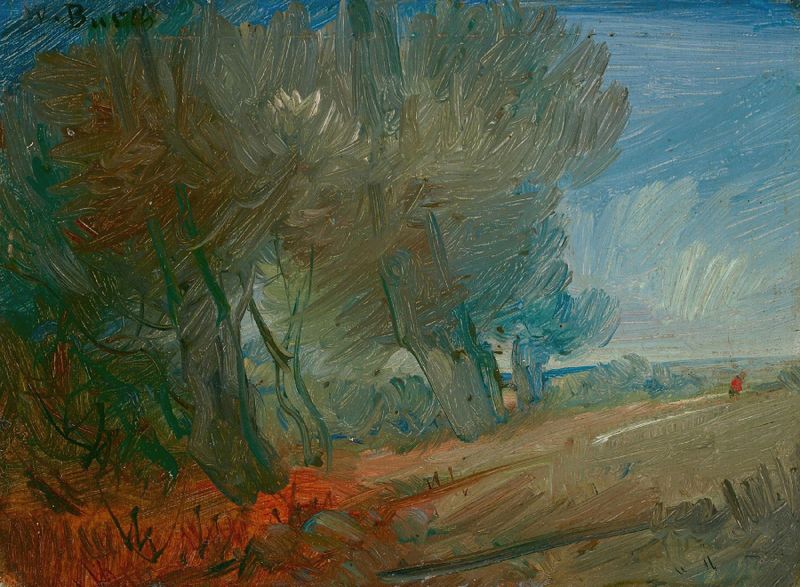
Waldrand mit Rotjacke
Wilhelm Busch

Weg zwischen Kornfeld und Sträuchern mit Katen im Hintergrund
Wilhelm Busch

Waldrand mit sonnenbeschienener Baumgruppe
Wilhelm Busch
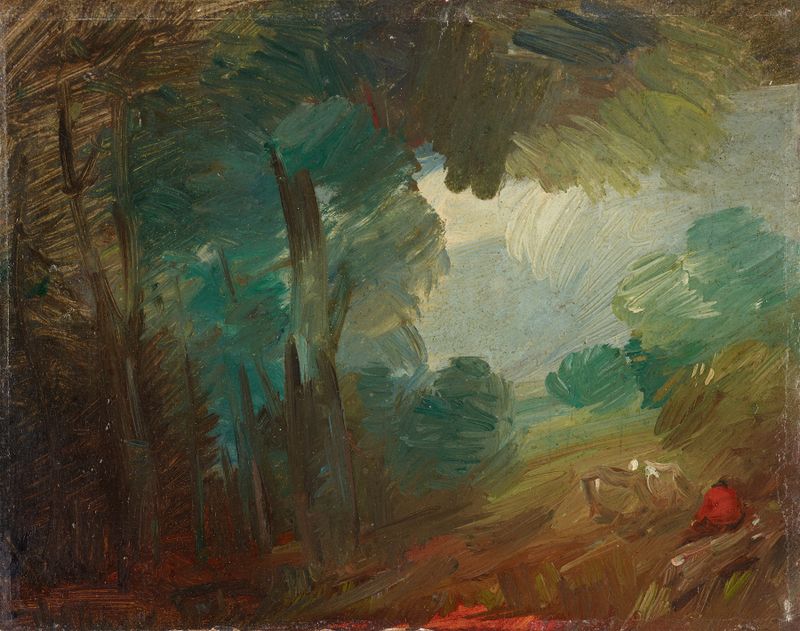
Waldlandschaft mit Kühen und Bauern
Wilhelm Busch
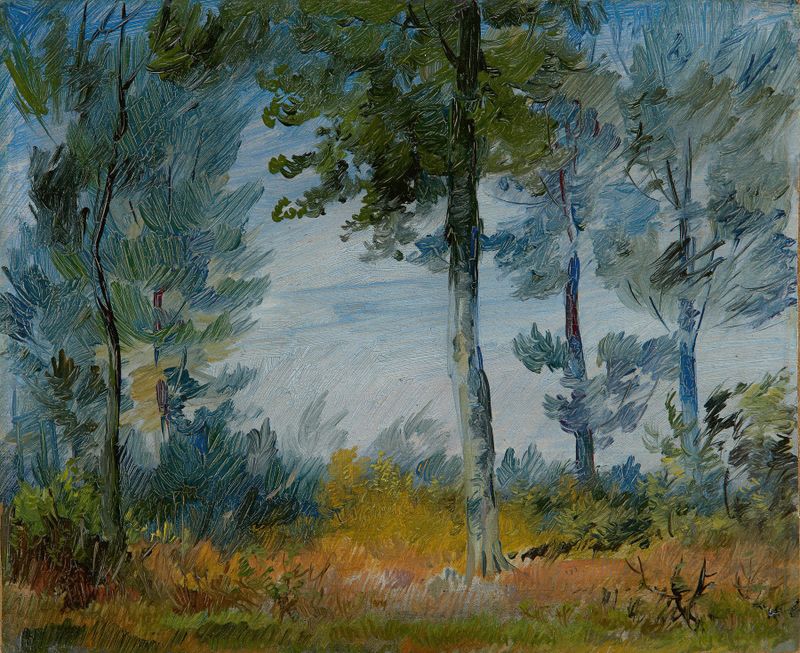
Waldrand
Wilhelm Busch





