
Niedersächsische Landschaft — History & Facts
In a time of upheaval, the quiet beauty of a landscape can serve as a refuge, a place for reflection amid chaos. It is in these serene moments that the heart finds a voice, and the spirit seeks solace. Look to the center of Niedersächsische Landschaft, where muted greens and soft browns cradle the horizon. The gentle undulations of the land invite the viewer's gaze, guiding it through a tranquil narrative.
Notice how the clouds cast shadows that dance across the ground, creating a dynamic interplay of light and texture. The brushwork is both delicate and assured, suggesting a deep connection between the artist and the natural world. Each stroke captures the essence of the landscape, revealing its character and inviting a sense of belonging. Within this pastoral scene lies an undercurrent of revolution.
The stillness of the fields contrasts sharply with the tension brewing in society, symbolizing a yearning for change and new beginnings. Hidden details—perhaps a lone figure in the distance, or a path winding through the trees—speak to the duality of peace and unrest. This landscape becomes a mirror reflecting the longing for stability during turbulent times, a reminder that nature can still thrive amidst human turmoil. Wilhelm Busch painted Niedersächsische Landschaft between 1885 and 1890, a period marked by significant social and political change in Europe.
Residing in Germany, he was influenced by the shifting currents of modernity and the rise of Impressionism. This painting captures not just a moment in nature, but a moment in history, as the artist grappled with the evolving world around him, seeking meaning in the enduring beauty of the landscape.
More Artworks by Wilhelm Busch
Browse all →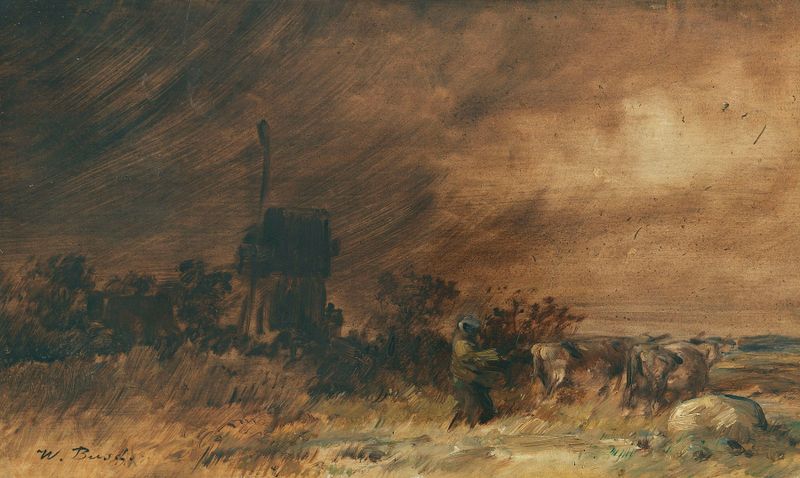
Wiedensahler Bockmühle bei aufziehendem Sturm
Wilhelm Busch

Blick aus einer Scheune
Wilhelm Busch
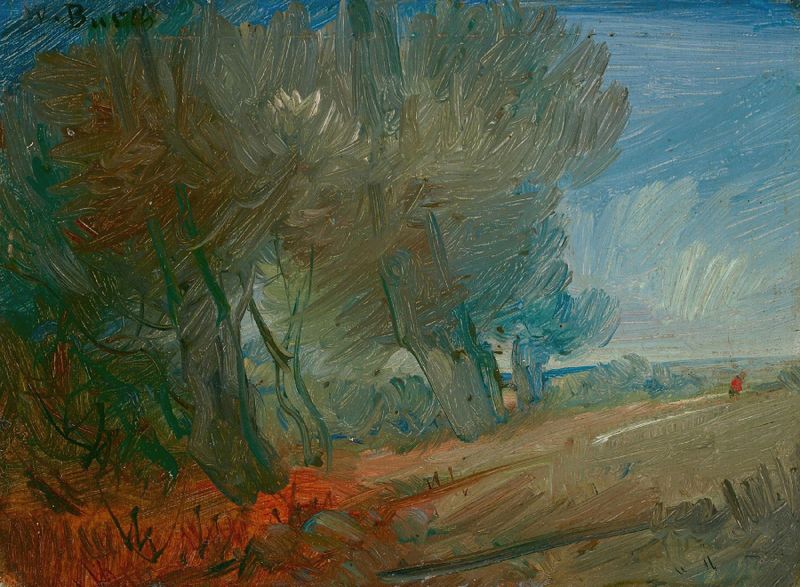
Waldrand mit Rotjacke
Wilhelm Busch

Weg zwischen Kornfeld und Sträuchern mit Katen im Hintergrund
Wilhelm Busch

Waldrand mit sonnenbeschienener Baumgruppe
Wilhelm Busch
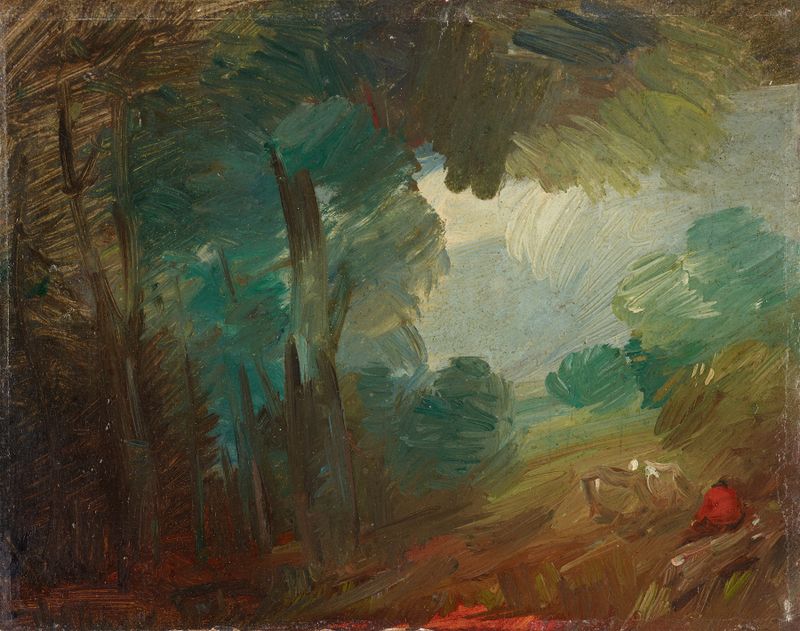
Waldlandschaft mit Kühen und Bauern
Wilhelm Busch
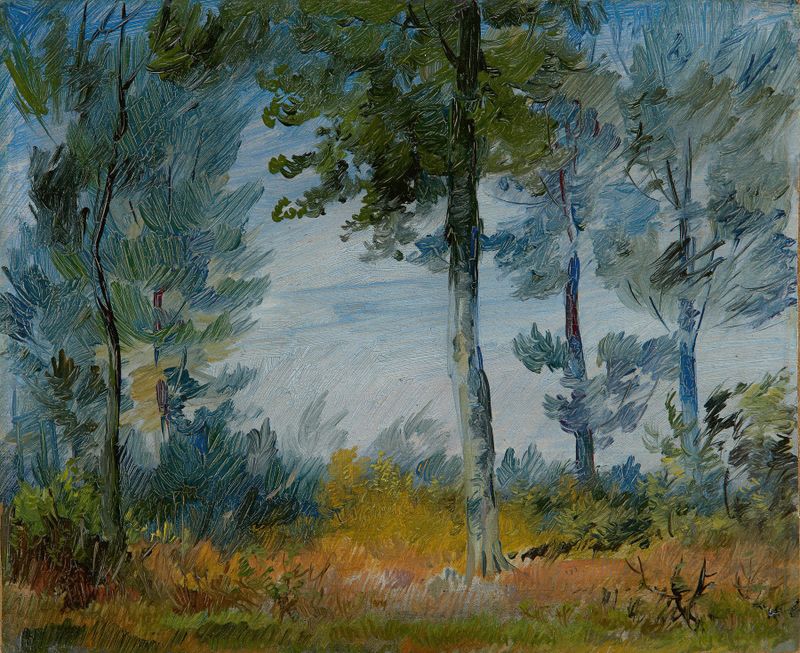
Waldrand
Wilhelm Busch





