Wild Flowers — History & Facts
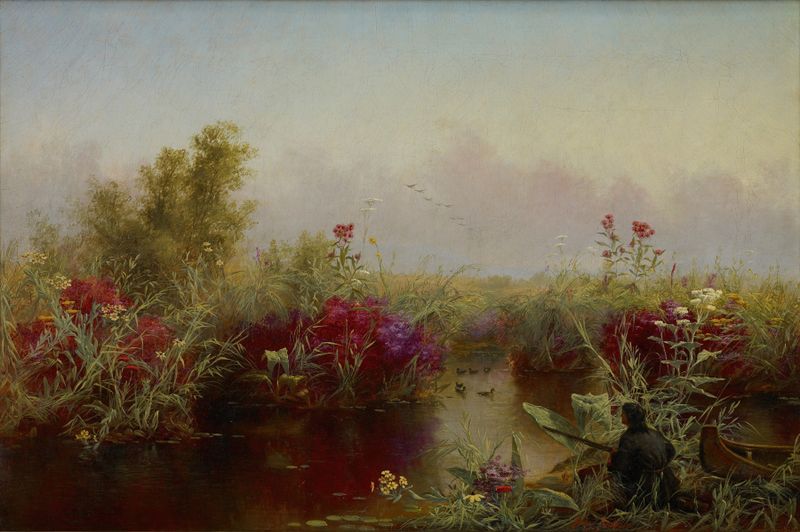
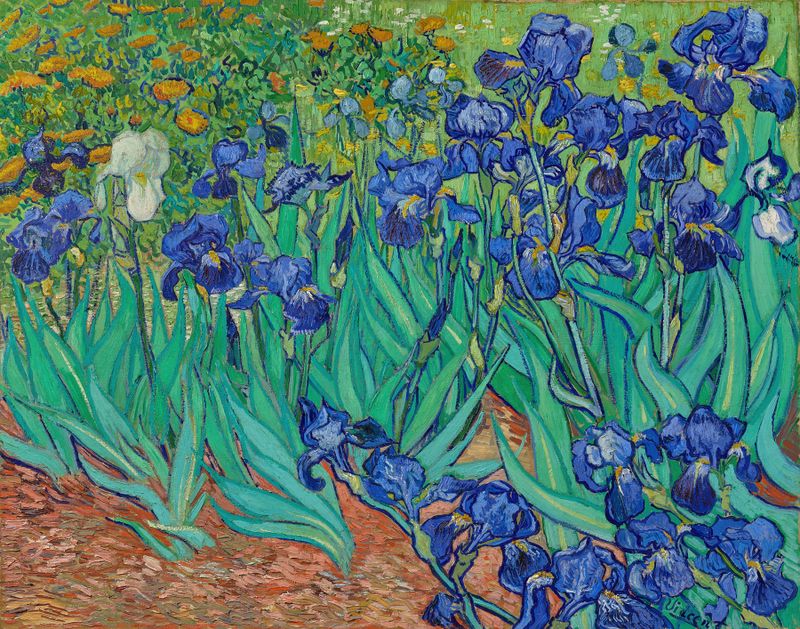
This sentiment resonates through the delicate petals and rich hues in Wild Flowers, reflecting a profound revelation about nature's duality. The vibrant blooms dance under the sun, yet they whisper secrets of fragility and fleeting moments, inviting viewers to explore their deeper significance. Look closely at the interplay of colors — the crimson reds and sunny yellows leap from the canvas, demanding immediate attention. As your gaze travels across the lush arrangement, notice how the greens envelop the flowers, creating a lush cradle that both supports and contrasts their vivacity.
The brushwork is lively and loose, evoking the spontaneity of wild blooms growing unrestrained in nature. The light seems to filter through the blooms, casting a warm glow that enhances the sense of life and joy, yet hints at a deeper undercurrent. Amid the beauty lies a tension between exuberance and ephemerality. Each flower's brilliance is a reminder of nature’s fleeting moments, evoking the inherent sadness tied to their eventual decay.
This juxtaposition serves as a powerful metaphor for human experience — the recognition that joy often coexists with loss. As you explore the subtle variations in shadow and light, consider how the artist captures the transient nature of beauty, suggesting that every vibrant moment is laced with the inevitability of change. Jerome Thompson painted Wild Flowers during a period when American art was increasingly embracing realism and the beauty of the natural world. Working in the mid-19th century, amidst the burgeoning Romanticism movement, his focus on depicting ordinary subjects in a sincere manner reflects a larger societal shift towards valuing authenticity and emotional depth in art.