Wild Parsley — History & Facts
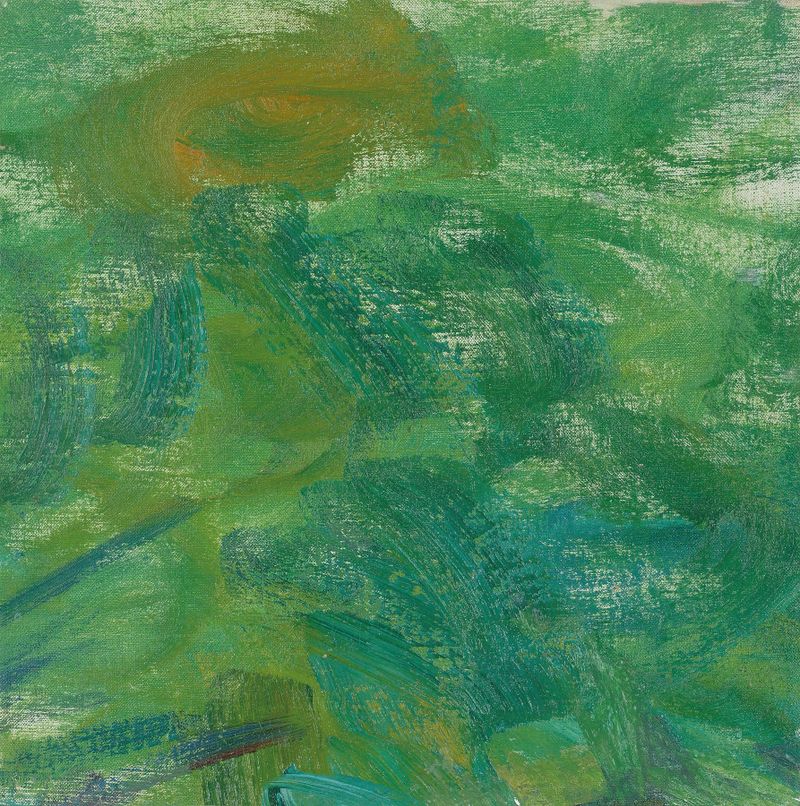
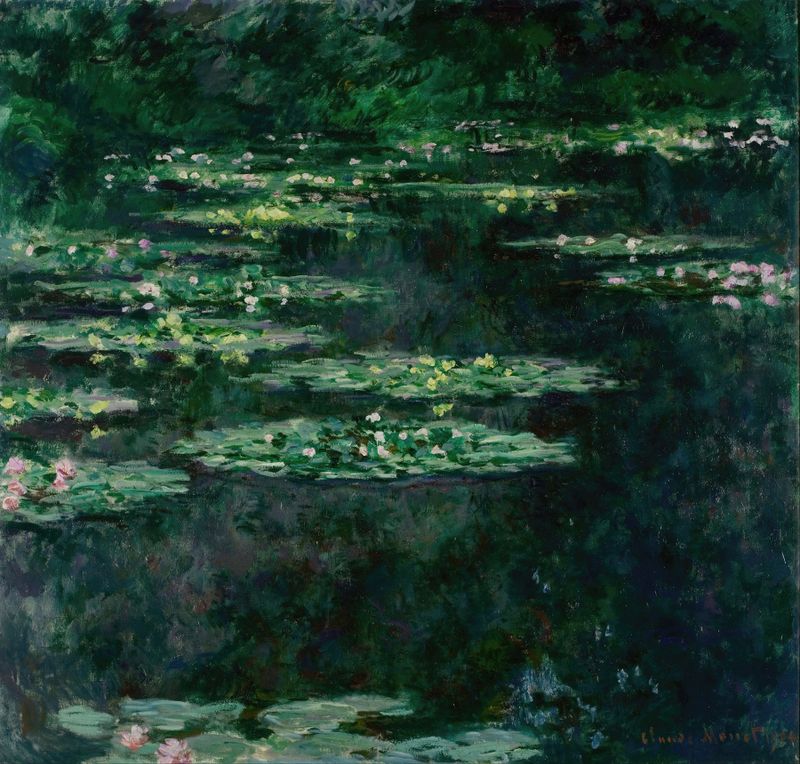
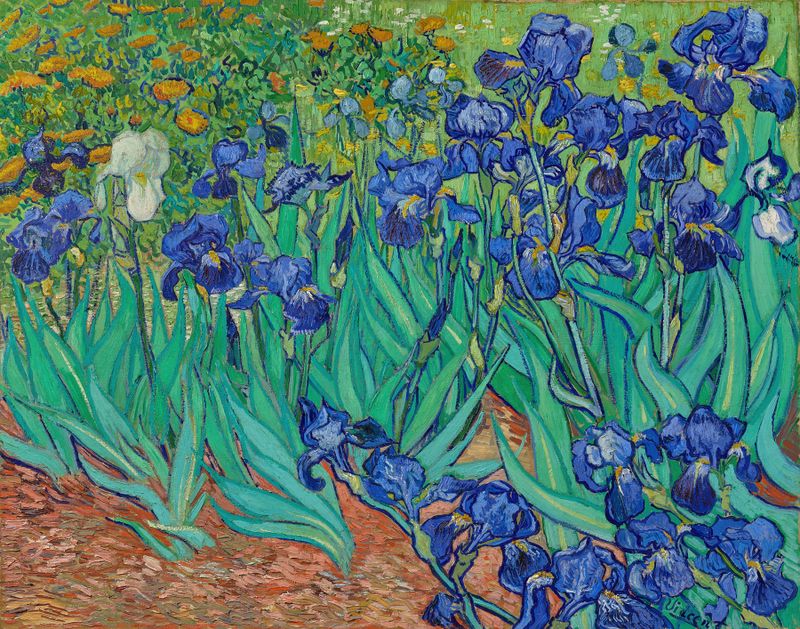
When did color learn to lie? In the delicate embrace of a vibrant palette, we find ourselves questioning the very essence of truth and perception, as hope blooms amidst contrasts that tug at the heart. Look to the center of the canvas, where wild parsley unfurls its verdant leaves, bathed in a light that dances between reality and illusion. Notice how the artist’s brushstrokes meld the greens and yellows, creating an intricate play of shadow and vibrance that draws you into the lushness of nature. The background recedes softly, allowing the unassuming herb to command attention, while muted earth tones whisper of the soil that nourishes it. Yet, beneath this celebration of life, there is a poignant tension.
The vivid hues exude optimism, while the slight skew in perspective hints at instability—a reminder that even the most vibrant existence can harbor uncertainty. The wild parsley, with its humble beauty, reflects resilience, inviting contemplation on fragility and growth in an ever-shifting world. Each leaf tells a story of survival, a testament to the strength found in the simplest of forms. In 1900, Sarah Paxton Ball Dodson painted this piece during a time when the American art scene was evolving.
The rise of impressionism and a growing interest in nature reflected a broader cultural shift towards embracing the everyday. This work emerged from her studio in New York, where she sought to capture the essence of flora, revealing her intimate connection with the natural world and her desire to invoke a sense of hope through art.