
Wilg — History & Facts
In Wilg, emotion swells through a landscape that brings forth both beauty and melancholy. The painting captures the essence of solitude, conjuring a lingering sense of loss that resonates deeply within the viewer. Look to the center of the canvas where the gnarled willow stands, its branches cascading like tears against the horizon. The muted greens and soft browns envelop the tree, while dappled sunlight filters through the leaves, creating an ethereal glow that contrasts starkly with the somber undertone of the scene.
The subtle brushwork conveys a sense of fluidity, as if time itself drifts lazily through the air, urging you to linger just a moment longer. Delve deeper into the composition, and consider the way the tree's roots intertwine with the earth, symbolizing the past's unbreakable grip on the present. There’s a poignant contrast here: the vitality of nature juxtaposed with the stillness of the surrounding landscape. Shadows play upon the ground, suggesting the passage of time and the inevitability of change.
Each element tells a story of remembrance, inviting reflections on connection, loss, and the transient nature of life. Pieter Dupont created Wilg in 1896 while living in the Netherlands, a period marked by a growing interest in naturalism and the emotive power of landscapes. At this time, he was exploring themes of nostalgia and memory, influenced by the symbolic movements of his era. The painting reflects his desire to capture not just the physical world but the deeper emotional currents that shape human experience.
More Artworks by Pieter Dupont
Browse all →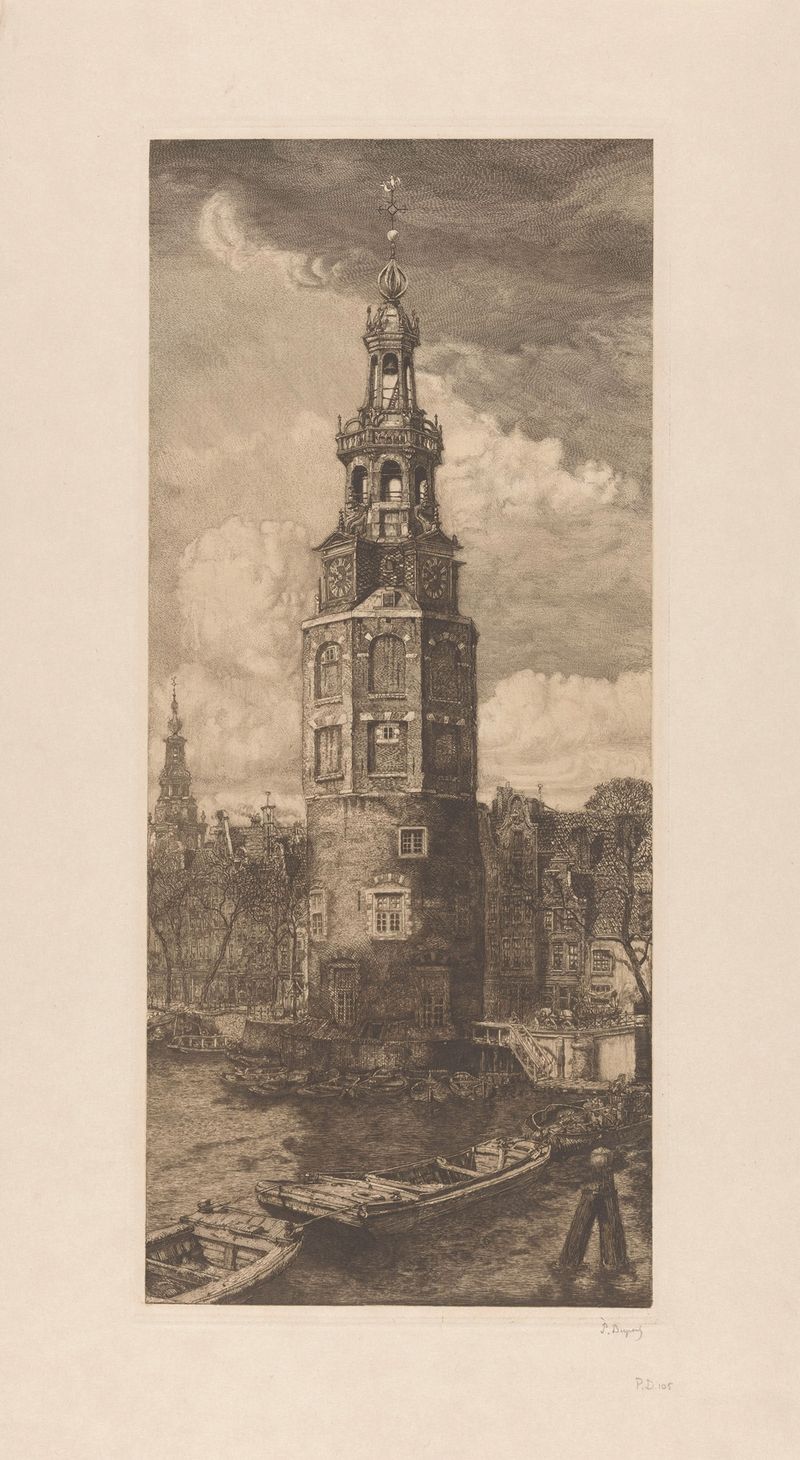
Montelbaanstoren aan de Oudeschans in Amsterdam
Pieter Dupont
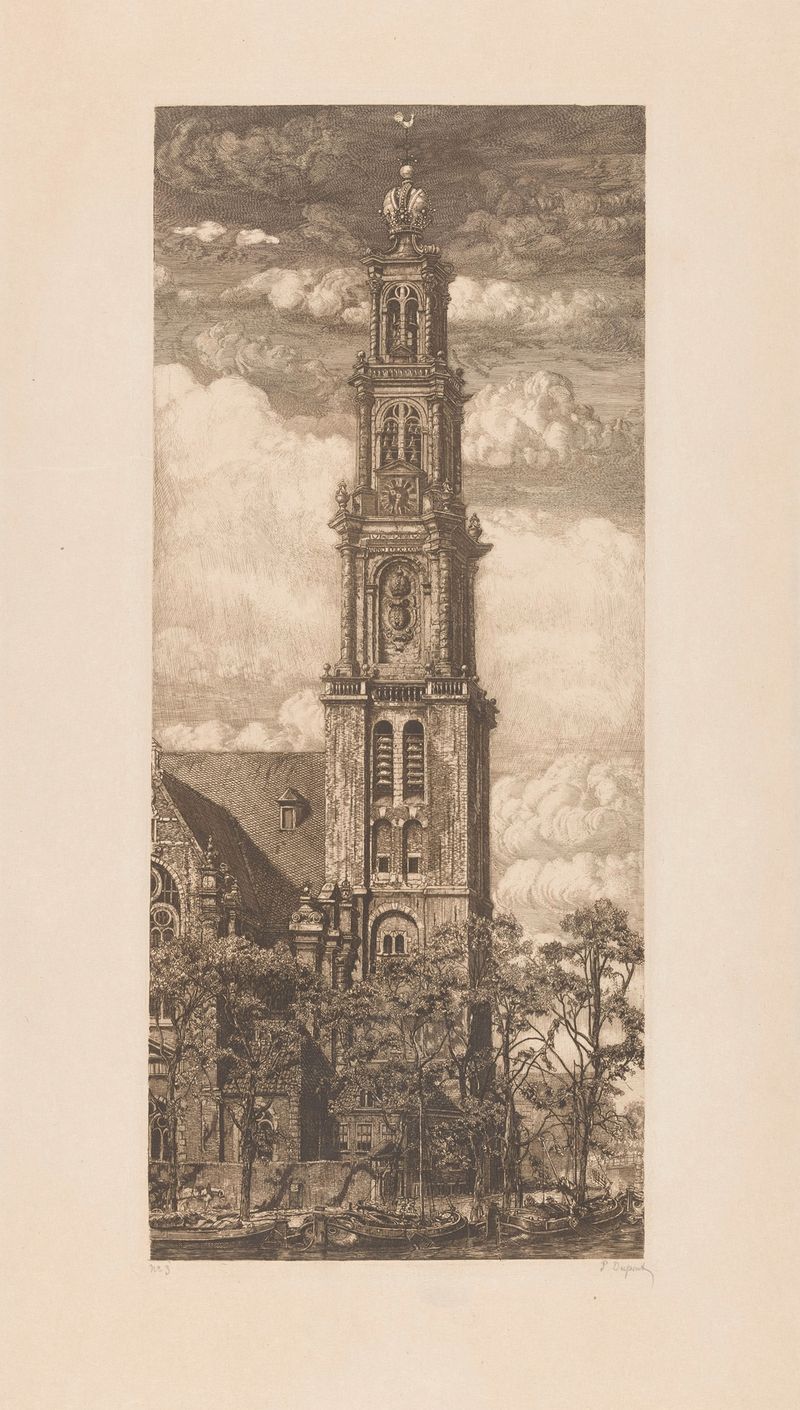
Westertoren in Amsterdam
Pieter Dupont
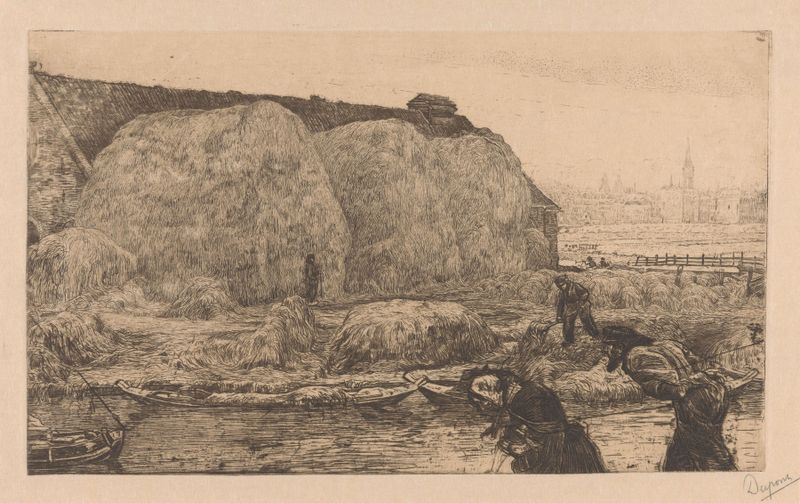
Boerderij met hooischelven aan het Jaagpad in Amsterdam
Pieter Dupont
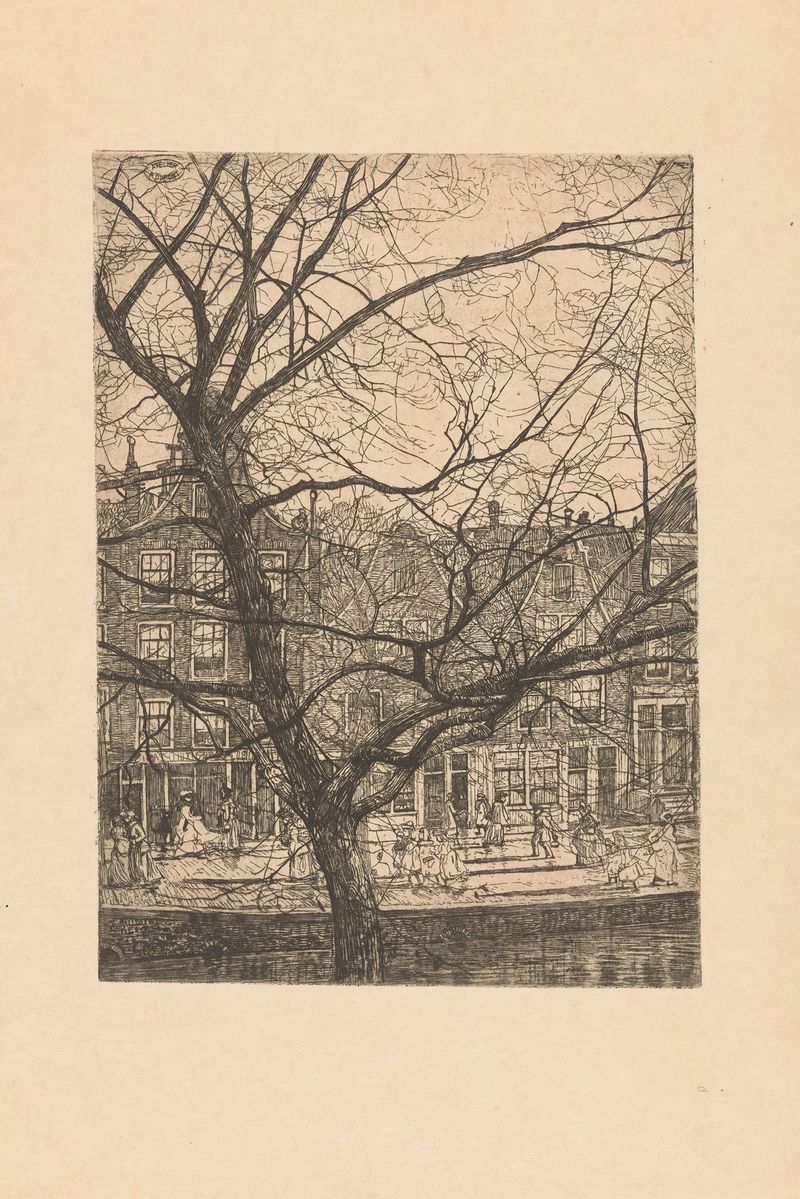
Grachtenhuizen met halsgevels in Amsterdam
Pieter Dupont
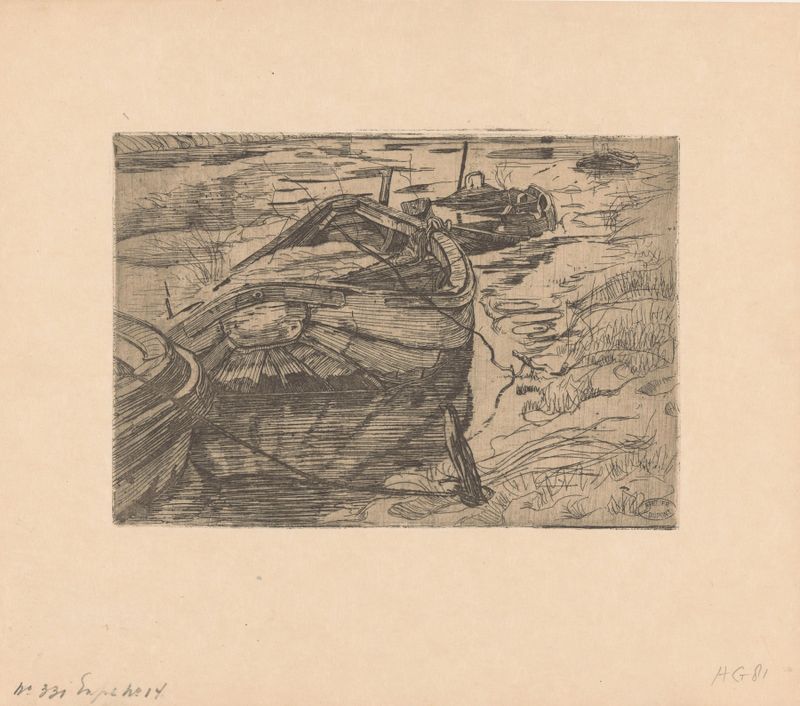
Afgemeerde roeiboten in een sloot
Pieter Dupont
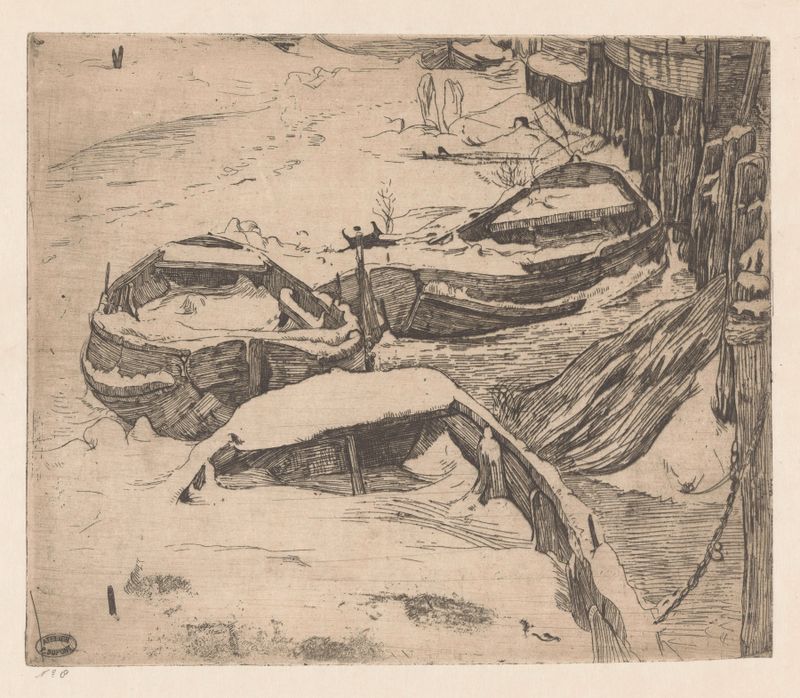
Drie besneeuwde roeiboten bij een wal
Pieter Dupont
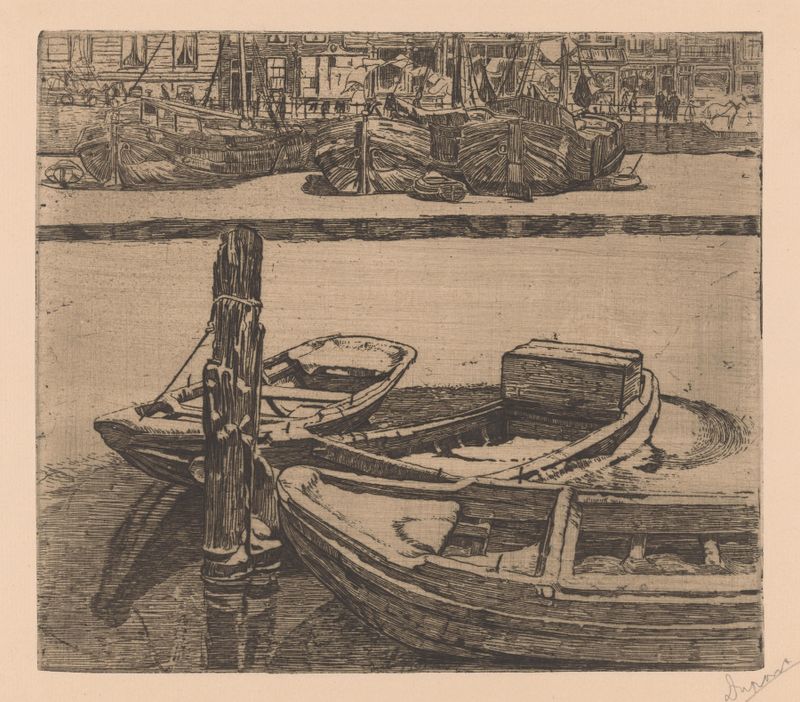
Schepen in het Damrak in Amsterdam
Pieter Dupont
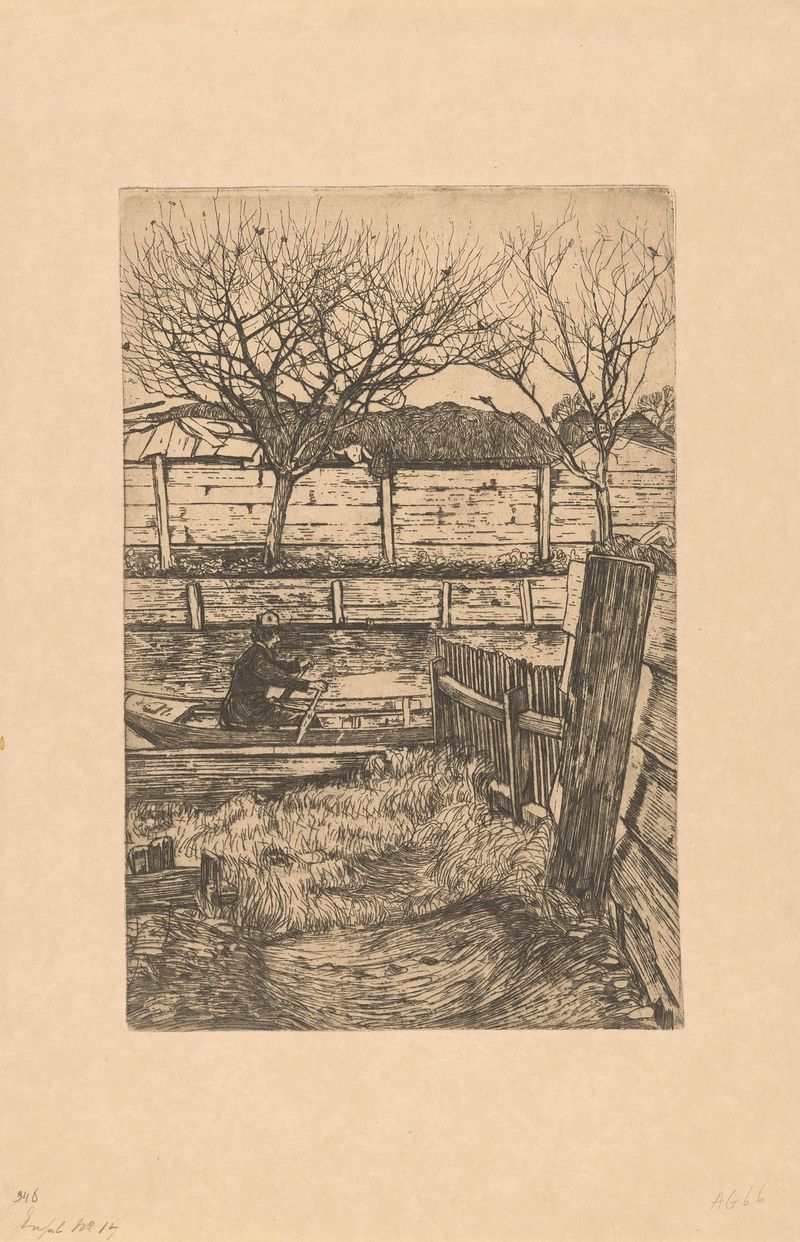
Man in een roeiboot, waarschijnlijk bij de Slatuinen in Amsterdam
Pieter Dupont
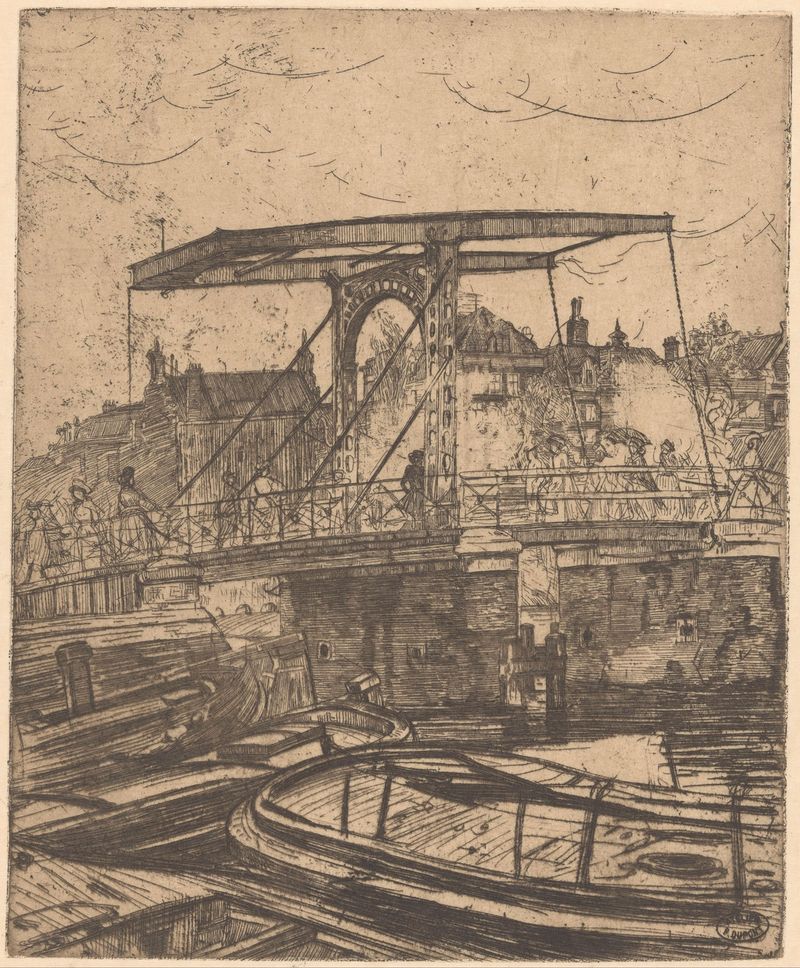
Magere Brug in Amsterdam
Pieter Dupont
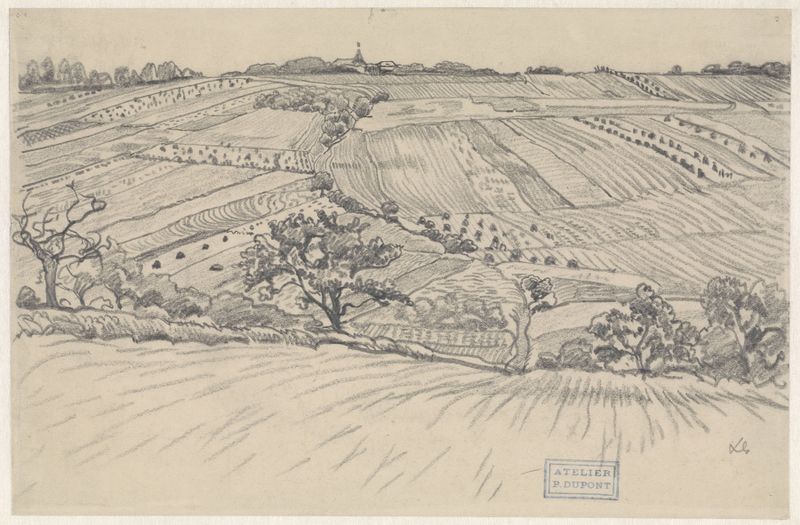
Heuvelachtig landschap met korenvelden
Pieter Dupont





