
William Weddell — History & Facts
In William Weddell, the viewer is greeted by a refined portrait of a gentleman. The color palette features rich, warm tones, highlighting the subject's elegant clothing and confident demeanor. The background is softly blurred, drawing attention to Weddell's face and attire.
Batoni's use of light enhances the three-dimensionality of the figure, creating a lifelike presence. The painting is executed in oil on canvas, a common medium for portraits during the Rococo period. Batoni's brushwork is meticulous, with fine details in the fabric and the subject's facial features. The dimensions of the artwork are approximately 100 x 130 cm, making it a sizable portrait that commands attention.
The composition is balanced, with Weddell positioned slightly off-center, adding dynamism to the piece. Pompeo Batoni was an influential Italian painter known for his portraits of the aristocracy in the 18th century. This work, created in the 1760s, reflects the Rococo style's emphasis on elegance and charm. An interesting fact about William Weddell is that it showcases not only the sitter's status but also Batoni's skill in capturing personality through subtle expressions.
The painting remains a significant example of portraiture from this period.
More Artworks by Pompeo Batoni
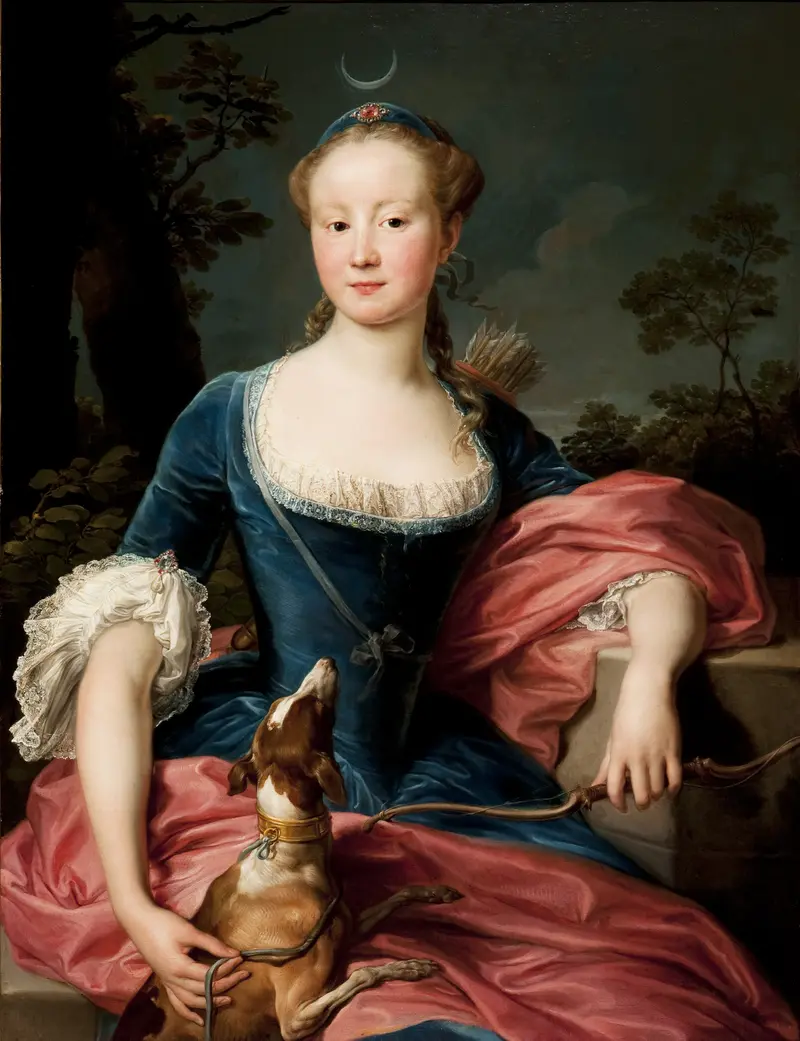
Portrait of a Lady as Diana the Huntress
Pompeo Batoni
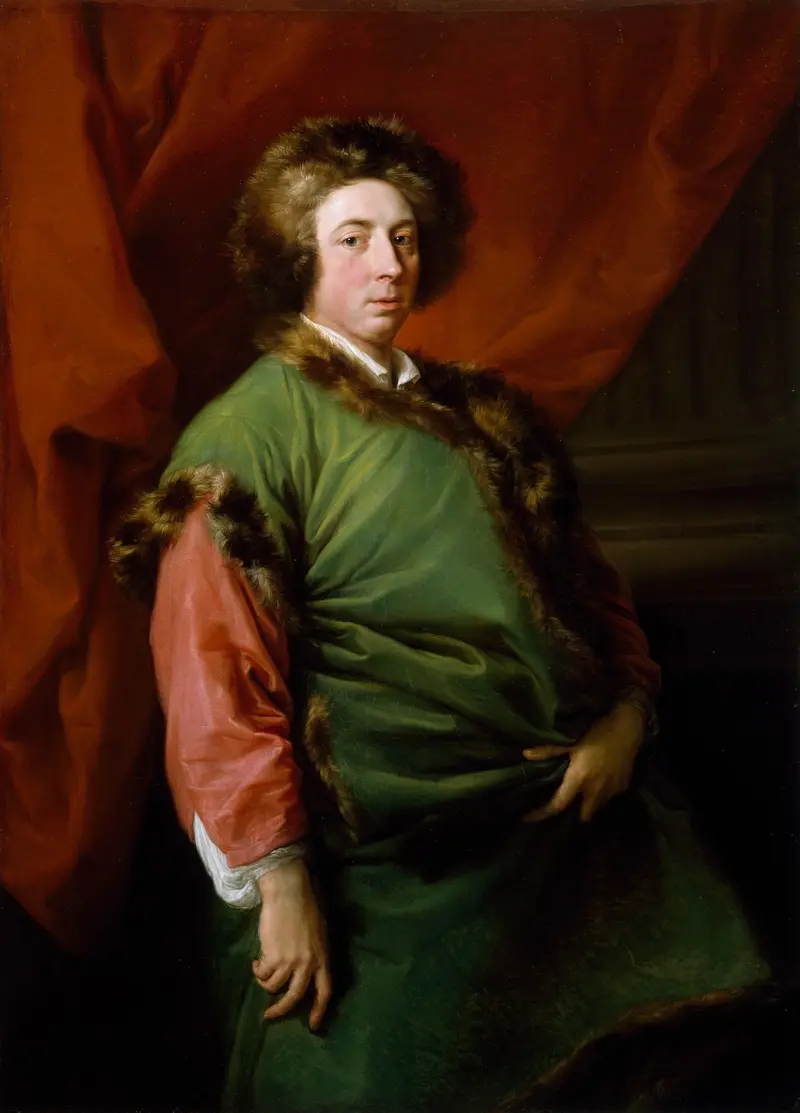
Portrait of Joseph Leeson, later 1st Earl of Milltown (1711-1783)
Pompeo Batoni
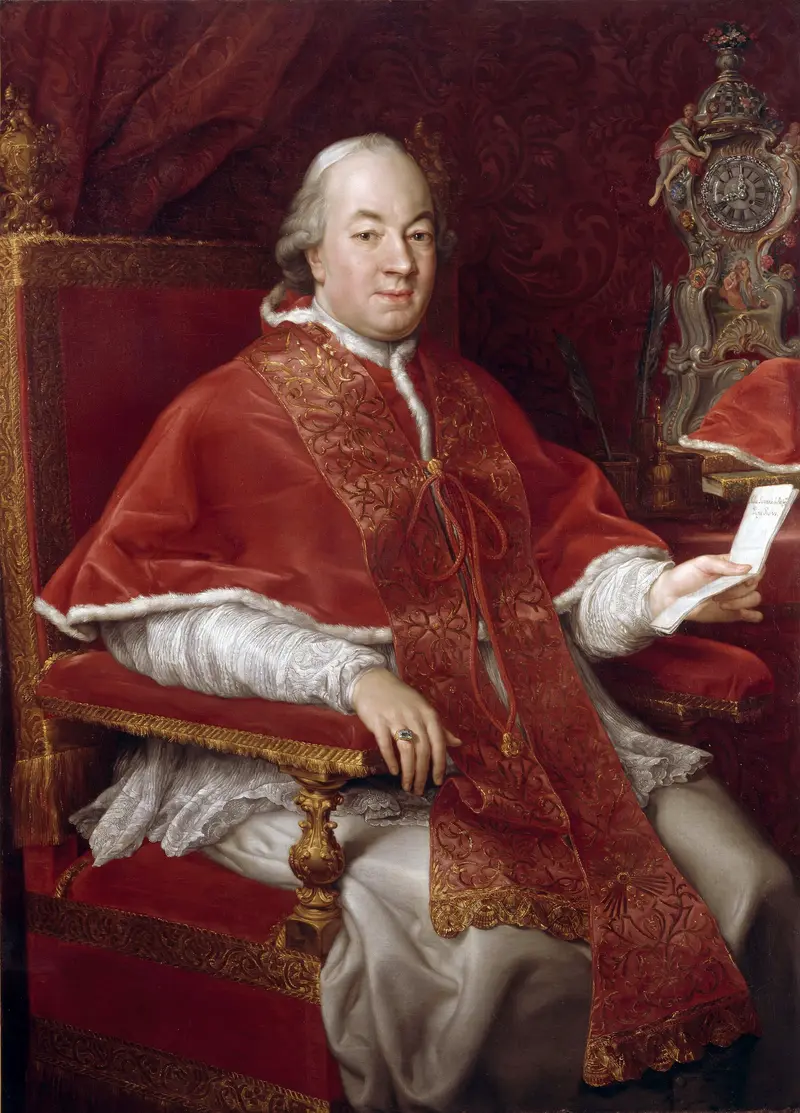
Portrait of Pope Pius VI, Giovanni Angelo Braschi (1717-1799)
Pompeo Batoni
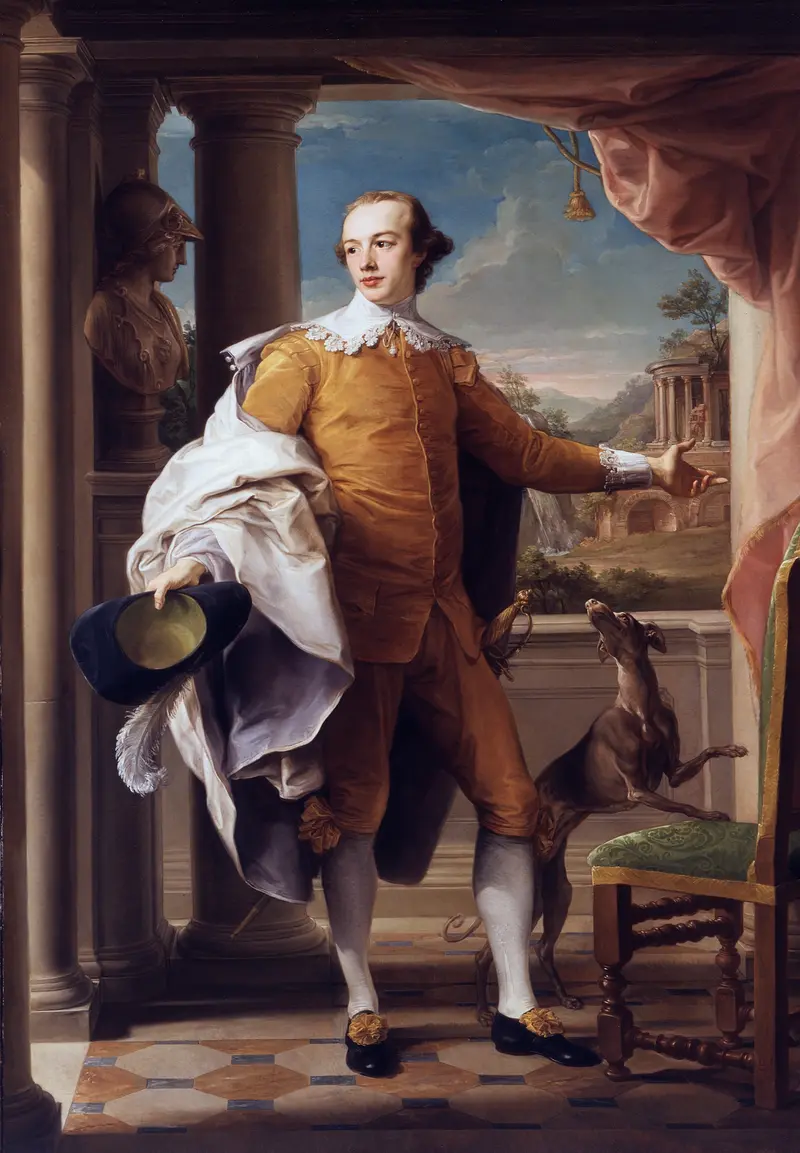
Portrait of Sir Wyndham Knatchbull-Wyndham
Pompeo Batoni
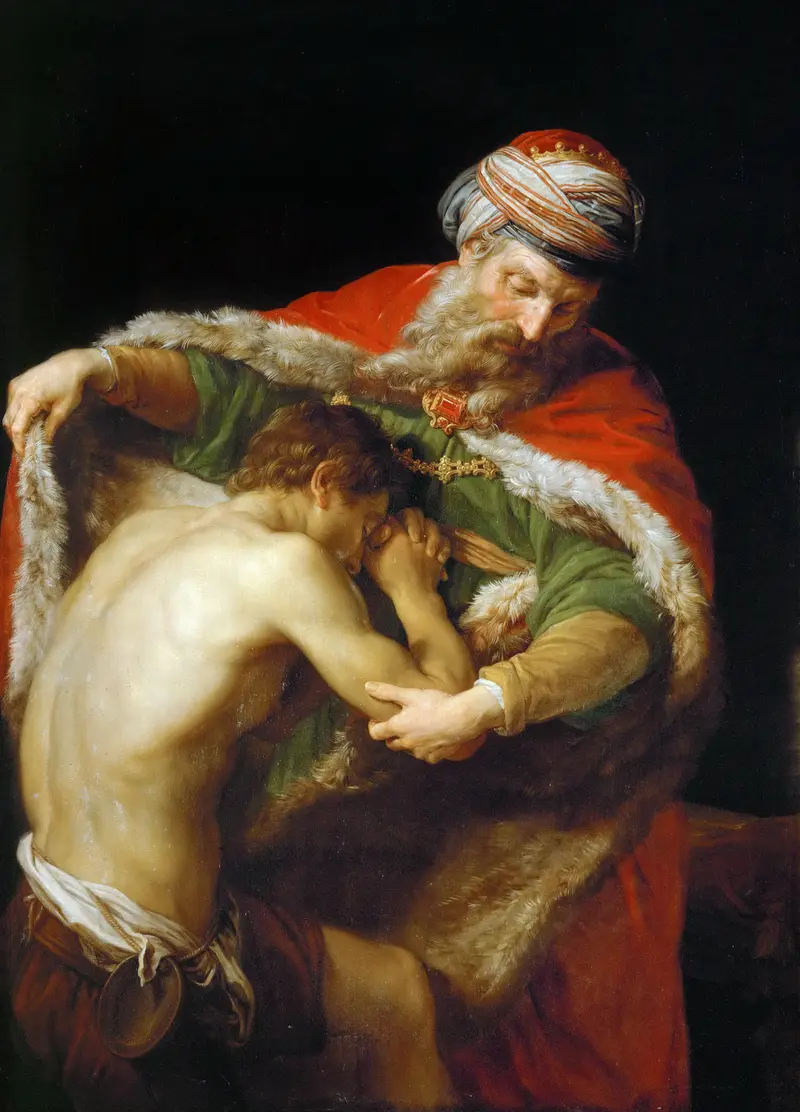
The Return Of The Prodigal Son
Pompeo Batoni
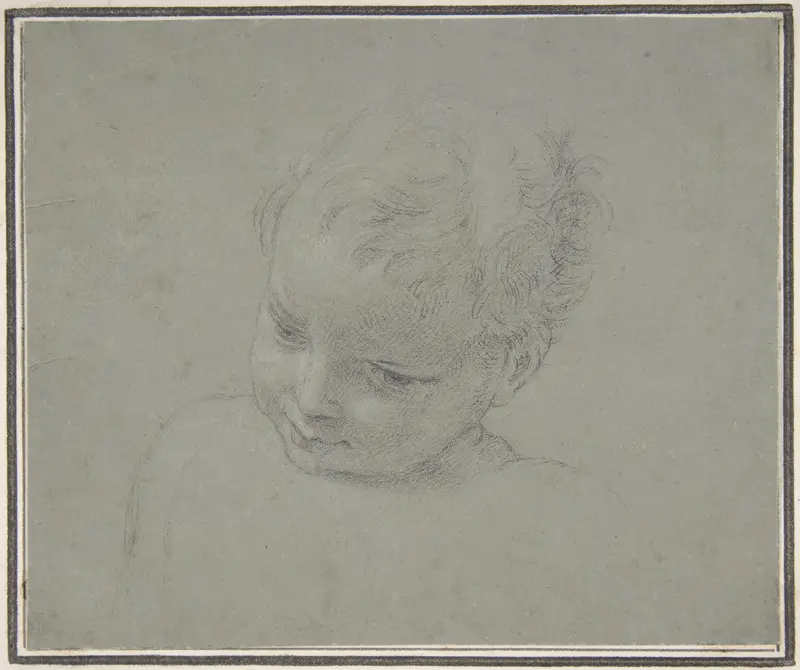
Bust-Length Study of a Child
Pompeo Batoni
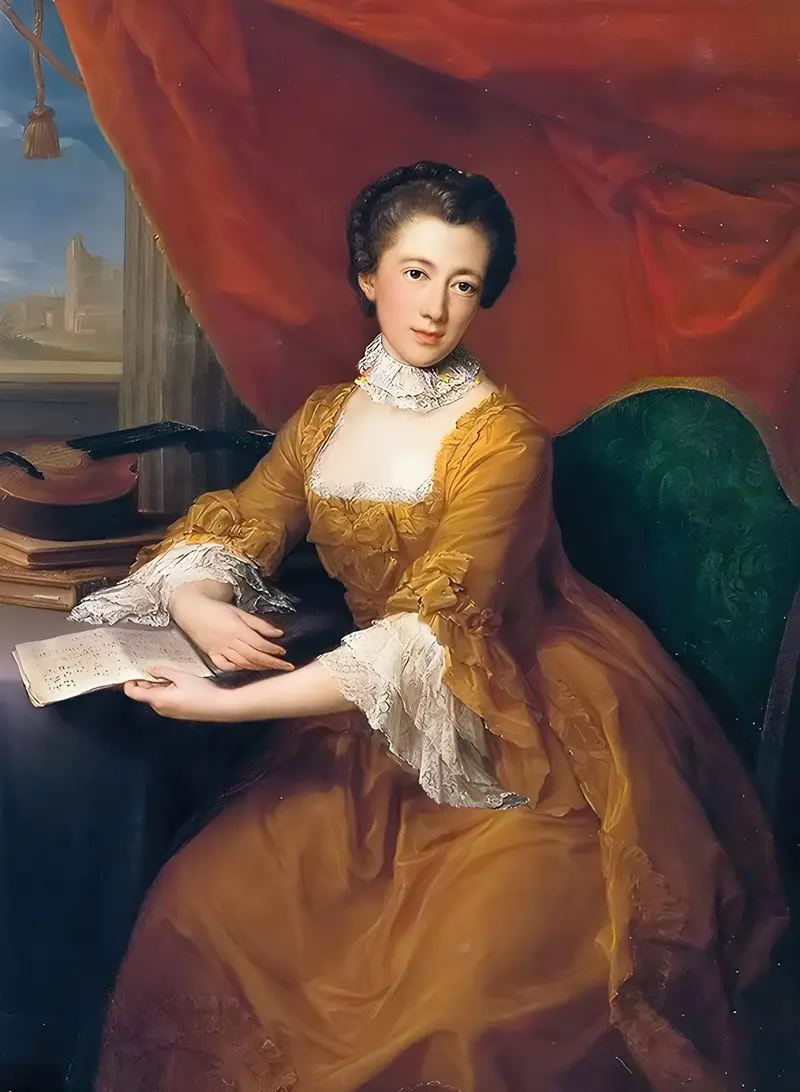
Portrait of Lady Margaret Georgiana Poyntz
Pompeo Batoni
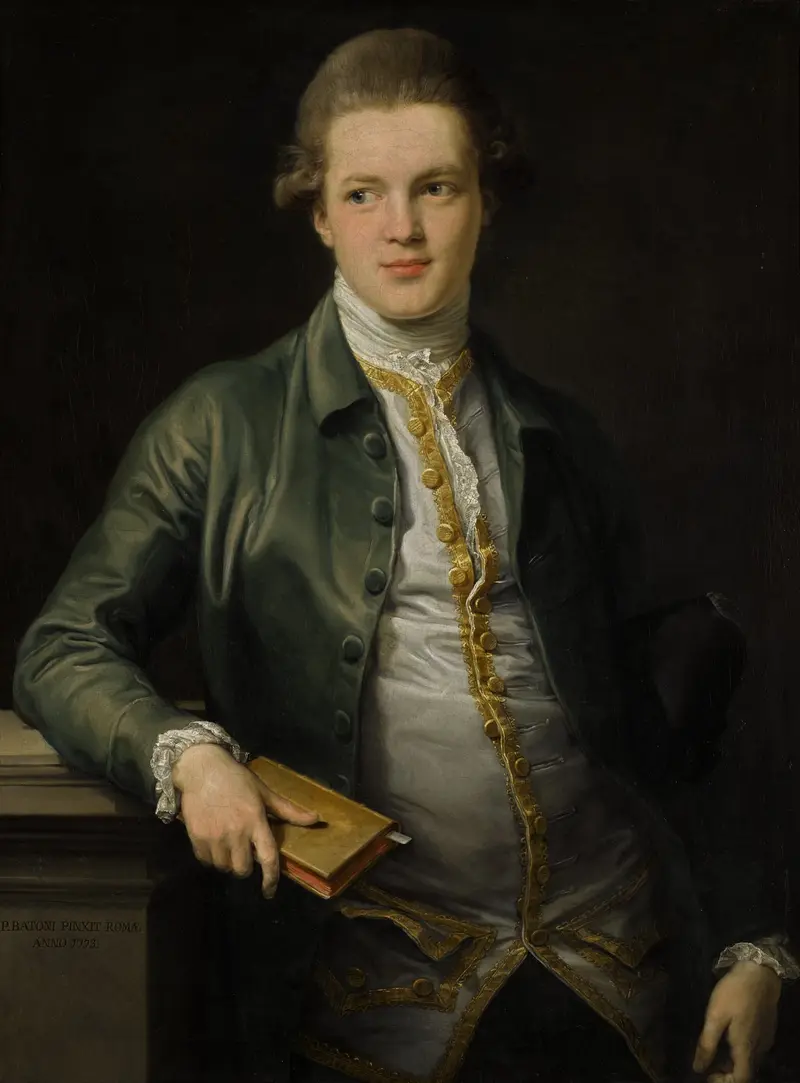
Portrait of Thomas Orde, later Orde-Powlett and 1st Baron Bolton
Pompeo Batoni

Male Nude Reclining on a Bed
Pompeo Batoni
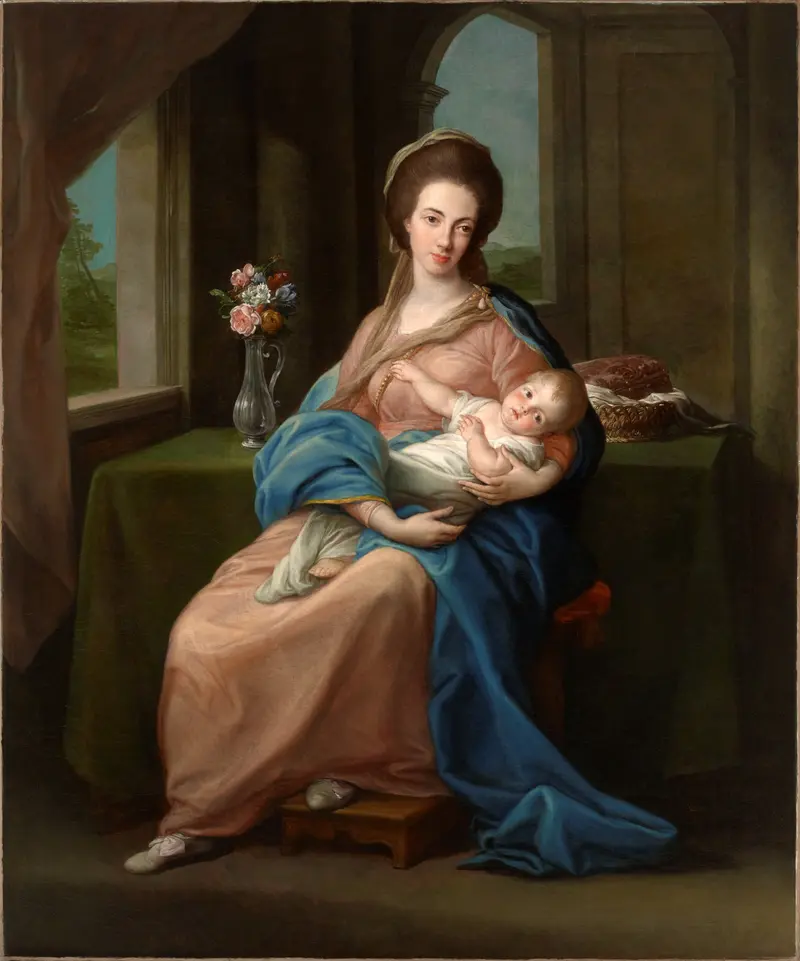
Mary Taylour, Viscountess of Headfort, later Countess of Bective and Marchioness of Headfort
Pompeo Batoni





