Windflowers — History & Facts
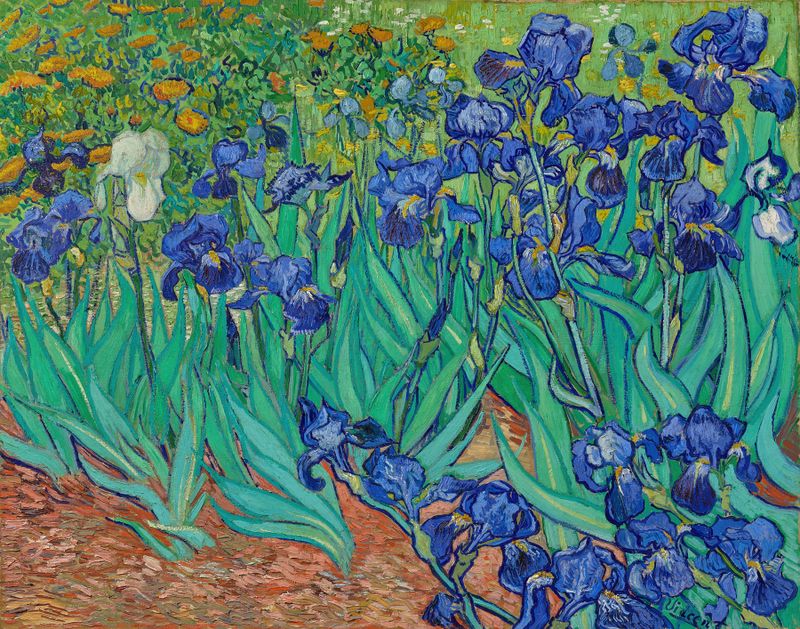
Did the painter know this moment would outlive them? In Windflowers, the delicate balance of color and form suggests a quiet faith in the enduring beauty of nature, encapsulating a moment that transcends time. Look to the center of the canvas where a cluster of vibrant windflowers bursts forth, their petals radiating with soft hues of lavender and gold. A gentle brushstroke creates an ethereal quality, as if the flowers are caught in a whisper of the breeze. The background, a harmonious blend of muted greens and blues, frames the bloom, drawing the viewer’s gaze inward.
This masterful composition invites a contemplative mood, with the interplay of light and shadow illuminating the flowers' fragility. Yet, there lies a tension beneath the surface—each flower symbolizes resilience amid fleeting existence. The vivid colors contrast with the subtle decay of the leaves, a reminder that beauty often exists alongside impermanence. The painter's choice to elevate these flowers within the frame speaks to a reverence for nature, while the gentle abstraction hints at a deeper connection between faith and the natural world.
Each petal appears to breathe life, urging the viewer to pause and reflect on their own transient moments. Created in 1912, this piece reflects a time when Ruger Donoho was settling in the American art scene, finding his voice amidst the shifting tides of modernism. As artists began to break away from traditional forms, Donoho embraced a more expressive style, linking his work to the broader themes of renewal and spirituality that permeated the era. This painting stands as a testament to his belief in the power of nature's beauty to inspire hope and introspection.