
Winter — History & Facts
In the chill of the season, the whispers of winter stretch beyond mere aesthetics, unveiling the legacy of human resilience against the bitter cold. Focus on the nuances of the landscape: look to the horizon where muted, grey skies merge with a blanket of white. The delicate brush strokes evoke a soft, silent snowfall, inviting you to feel the coolness of the air. The subtle interplay of light and shadow captures the essence of winter, while the sparse trees, stripped of their leaves, stand solemnly against the backdrop, evoking a sense of quiet solitude. The painting speaks to the transient nature of life, reflected in its stark contrasts.
The barren branches symbolize fragility and loss, yet they also hint at the strength required to endure harsh winters. The figures adorning the scene—hunched against the cold, trudging through the snow—embody the spirit of perseverance, suggesting that life continues even in the harshest conditions. In this stillness, there is a profound narrative of survival and continuance. In 1625, Jan van Goyen was deeply entrenched in the Dutch Golden Age, a period marked by an extraordinary flourishing of art and culture.
Living in Haarlem at the time, he explored the themes of landscape and nature, influenced by the changing environment around him. Despite the artistic advancements, he remained steadfast in his commitment to capturing the essence of the Dutch landscape, creating works that would leave a lasting impact on future generations.
More Artworks by Jan van Goyen
Browse all →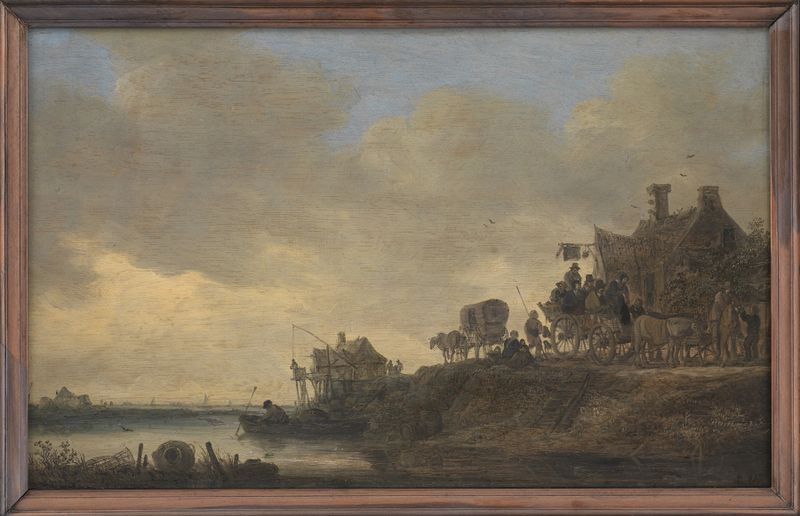
River Scene with the ‘Swan’ Tavern
Jan van Goyen

The Valkhof in Nijmegen
Jan van Goyen
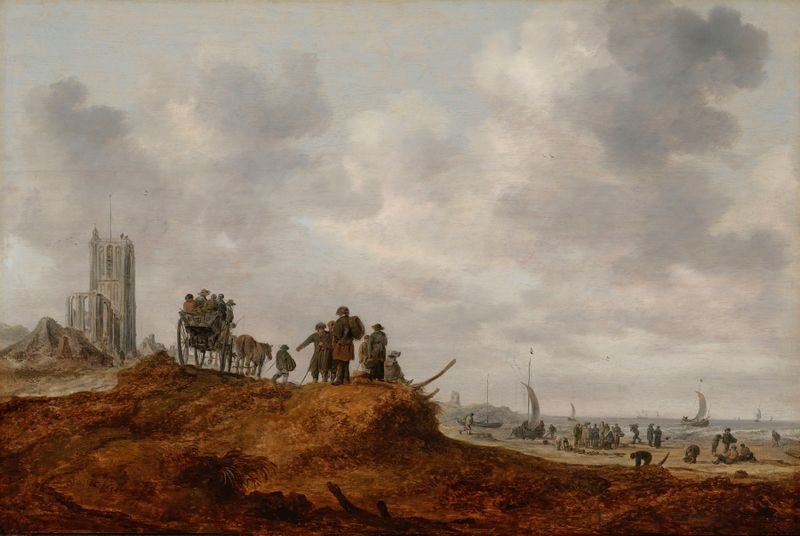
The Old Church at Egmond aan Zee
Jan van Goyen
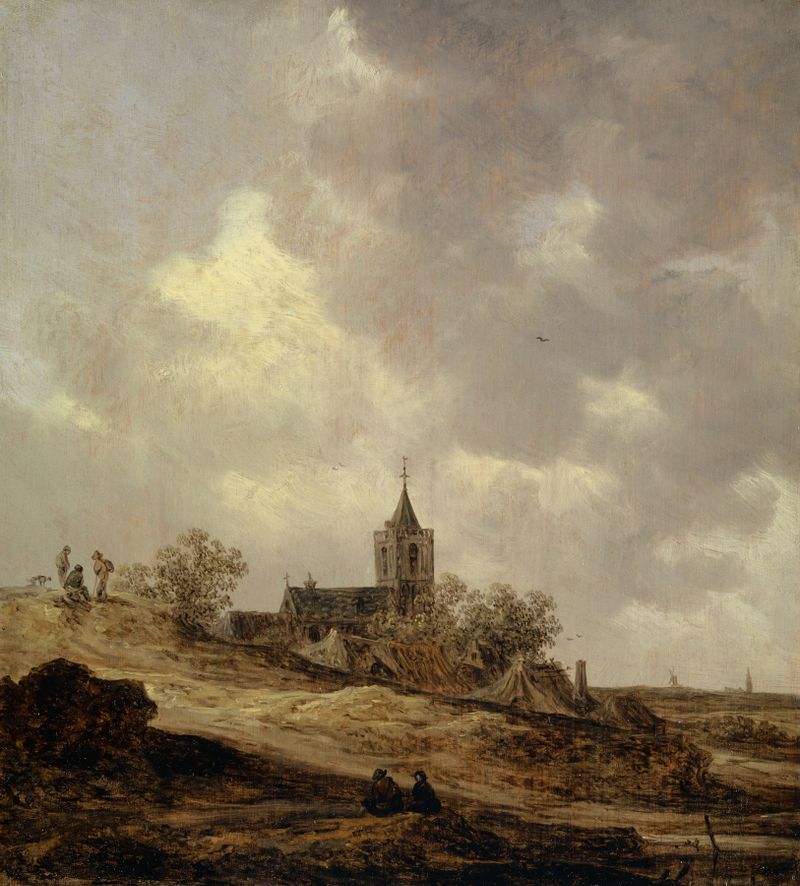
Village Church seen from the Dunes
Jan van Goyen
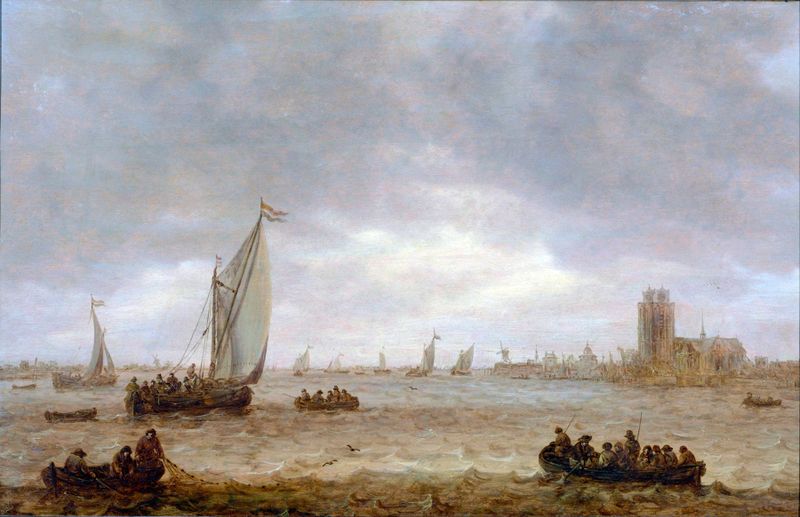
Mouth of the Meuse
Jan van Goyen

River Landscape with the Pellecussen Gate near Utrecht
Jan van Goyen
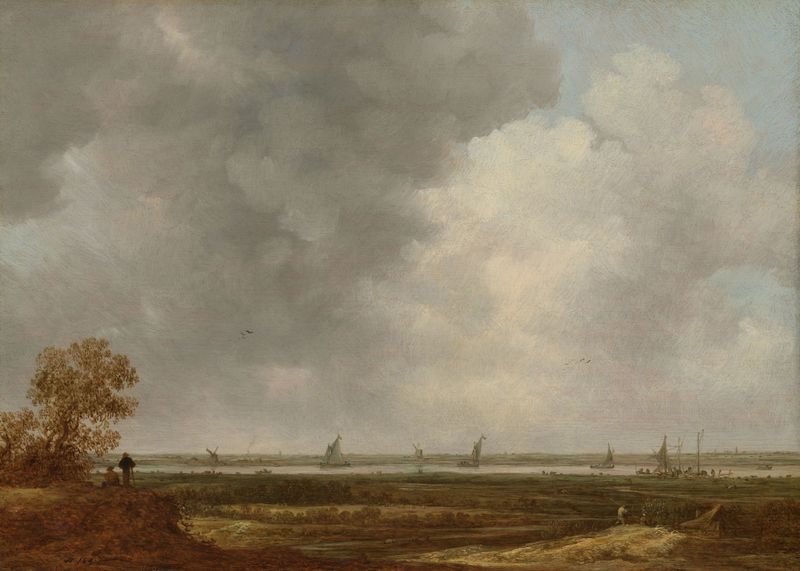
Panoramic View of a River with Low-lying Meadows
Jan van Goyen
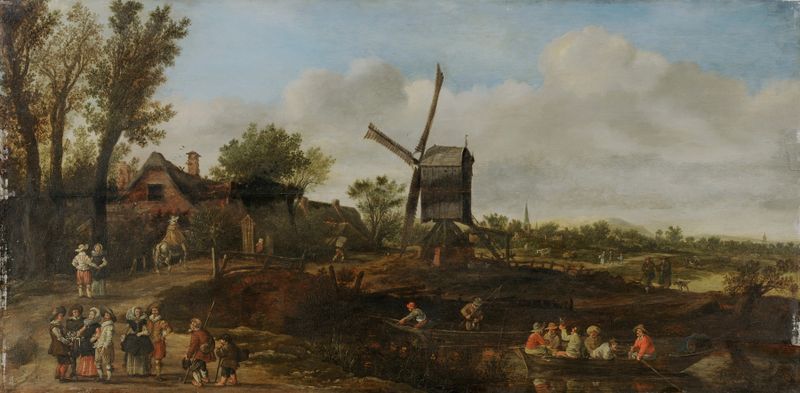
Dutch Landscape
Jan van Goyen
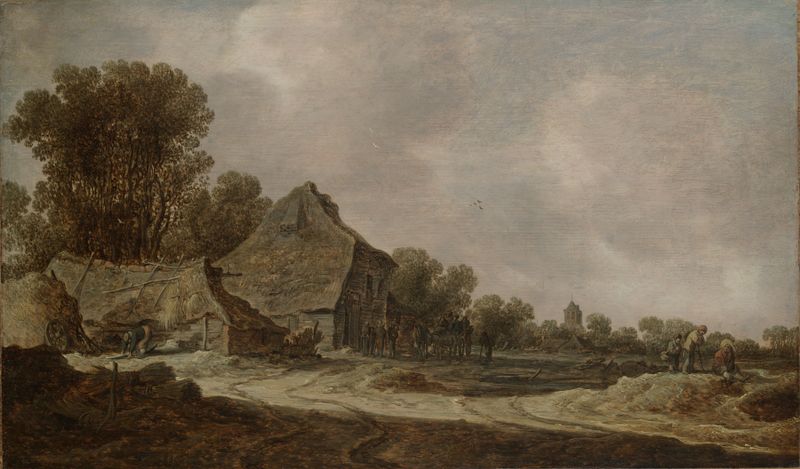
A Sandy Road with Thatched Cottages
Jan van Goyen
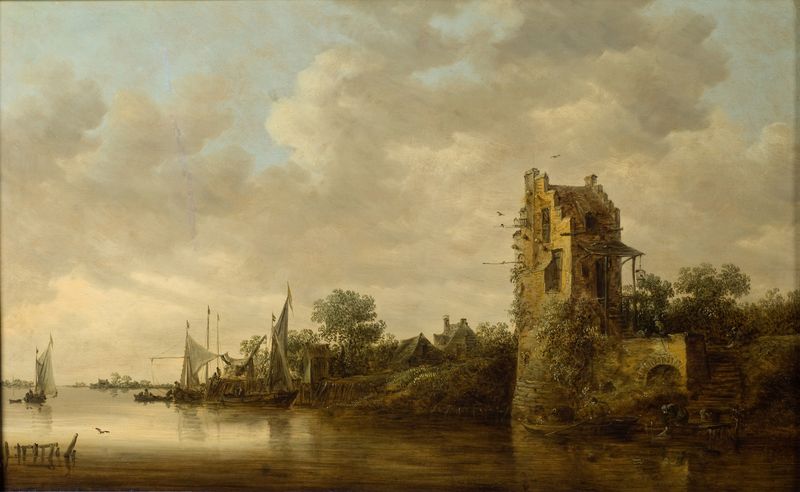
Riverside with an Old Tower
Jan van Goyen





