
Winter — History & Facts
What if beauty was never meant to be finished? In Winter, transformation is both a season and a state of mind, where the cold whispers of nature invite the viewer to reflect on the cycles of life. Look to the foreground, where the delicate brushstrokes render a thin layer of frost across the grass, each blade glinting like a shard of glass. The sky, painted in muted grays and soft blues, casts a cool light over the scene, enhancing the sense of stillness. Notice how the central figures—a group of children playing and an adult skater—are bathed in this frosty glow, their joyful gestures contrasting sharply with the somber, winter landscape that surrounds them. Yet, beneath this surface joy lies a deeper narrative of resilience.
The laughter of the children stirs warmth against the cold backdrop, symbolizing the enduring spirit despite nature's harshness. The skater glides gracefully, embodying the balance between beauty and the precariousness of the ice beneath. This delicate interplay of joy and vulnerability evokes a sense of fleeting moments, reminding us of the transient nature of each season and life itself. In 1625, while painting Winter, the artist was immersed in the vibrant artistic currents of the Dutch Golden Age, characterized by a fascination with everyday life and the changing seasons.
Based in the Netherlands, he was responding to a society rich in both cultural flourishing and economic transformation—a world where artistry served as both a reflection of and a commentary on human experience amidst nature's cyclic rhythm.
More Artworks by Adriaen Pietersz van de Venne
Browse all →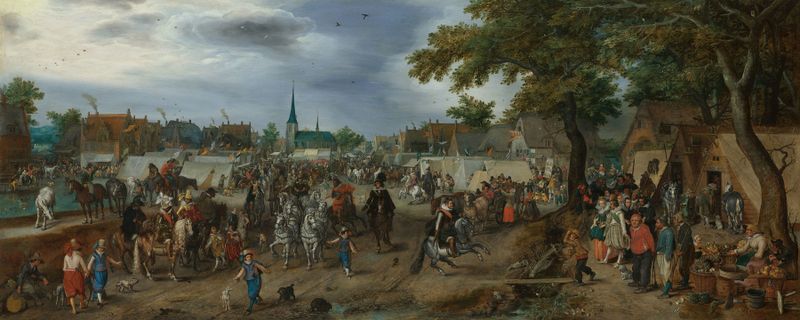
Princes Maurice and Frederick Henry at the Valkenburg Horse Fair
Adriaen Pietersz van de Venne
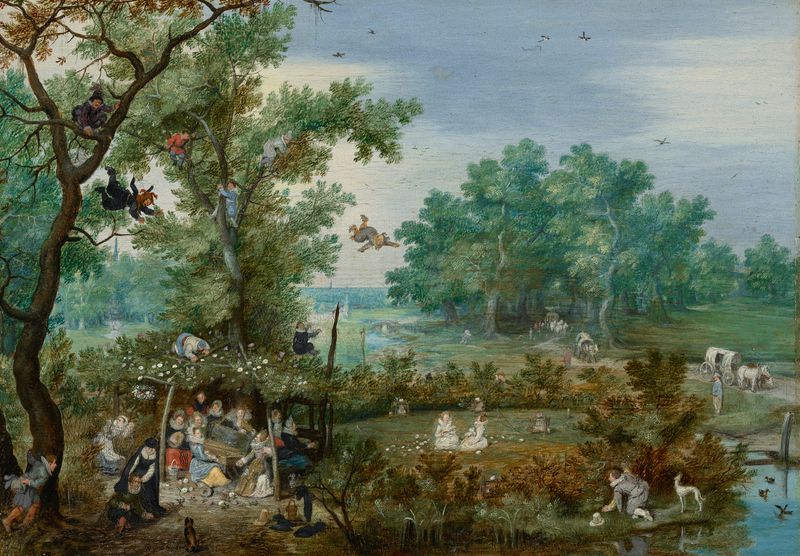
Merry Company in an Arbor
Adriaen Pietersz van de Venne
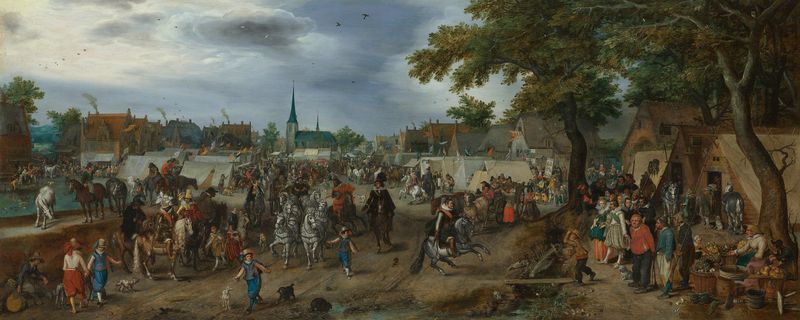
Princes Maurice and Frederick Henry at the Valkenburg Horse Fair
Adriaen Pietersz van de Venne
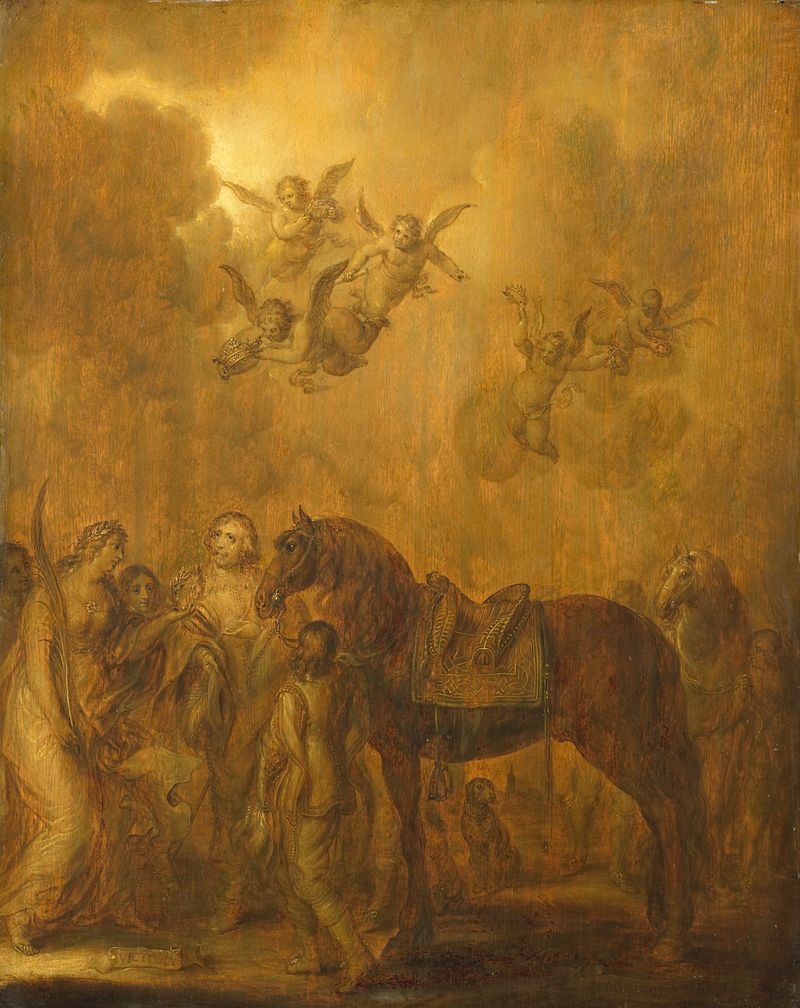
Allegory of the Stadtholdership of Prince Frederick Henry
Adriaen Pietersz van de Venne

Fishing for Souls
Adriaen Pietersz van de Venne

The Departure of a Dignitary from Middelburg
Adriaen Pietersz van de Venne
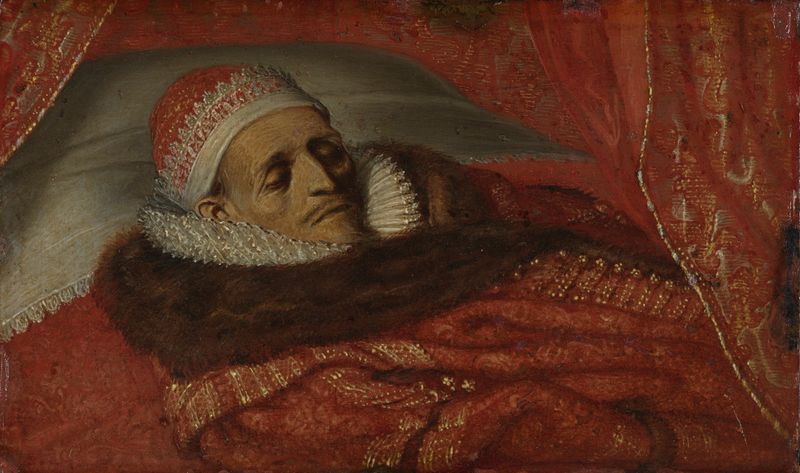
Stadtholder Prince Maurice Lying in State
Adriaen Pietersz van de Venne
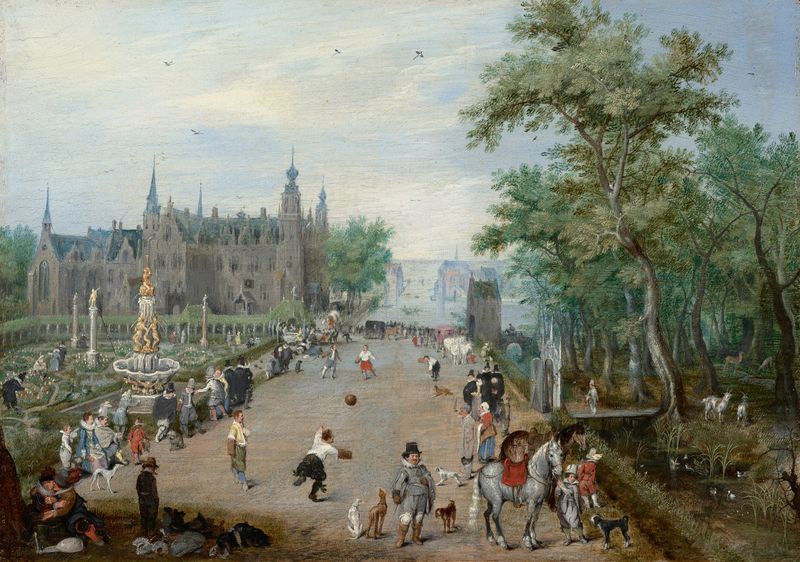
A Jeu de Paume Before a Country Palace
Adriaen Pietersz van de Venne

Landscape with Figures and a Village Fair (Village Kermesse)
Adriaen Pietersz van de Venne

The Departure of a Dignitary from Middelburg
Adriaen Pietersz van de Venne





