
A Jeu de Paume Before a Country Palace — History & Facts
Can paint confess what words never could? In the delicate dance of color and form, A Jeu de Paume Before a Country Palace reveals a world on the brink of change, where leisure masks the storm brewing just beyond the frame. Look to the left at the group of players, their raised rackets frozen in a moment of triumph, their faces alive with joy. The vibrant greens of the lawn contrast sharply with the pastel hues of the palace, a testament to the artist’s skill in capturing the essence of both nature and architecture. Notice how the light filters through the foliage, casting intricate shadows that enhance the depth of this idyllic scene.
Each stroke speaks of both elegance and exuberance, drawing us into a moment that feels both timeless and fleeting. Yet beneath this picturesque facade lies a tension that hints at deeper struggles. The players’ carefree expressions could easily mask the social hierarchies and political unrest of the period. The lush setting, while serene, serves as a stark contrast to the turbulence in the wider world—a revolution of ideals and values looms, framed by the very walls of the palace.
Here, leisure and power coexist, with the potential for upheaval swirling in the air, unspoken yet palpable. Adriaen Pietersz van de Venne painted this piece around 1614 in the Netherlands, a time marked by rising tensions between the ruling class and the emerging middle class. As the Protestant Reformation reshaped Europe, artists like him began to explore themes of social change through their work. This painting captures a moment of tranquility, providing a glimpse into the lives of the elite while hinting at the revolutionary currents that would soon transform society.
More Artworks by Adriaen Pietersz van de Venne
Browse all →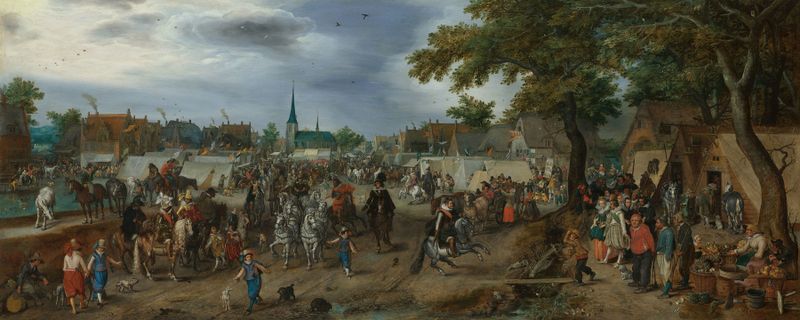
Princes Maurice and Frederick Henry at the Valkenburg Horse Fair
Adriaen Pietersz van de Venne
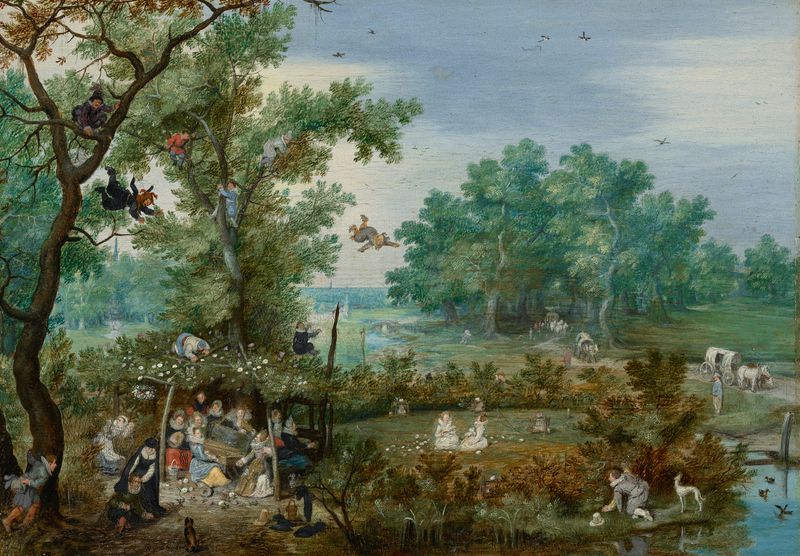
Merry Company in an Arbor
Adriaen Pietersz van de Venne
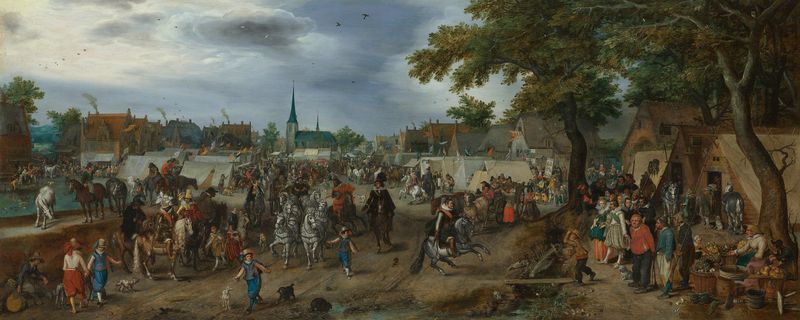
Princes Maurice and Frederick Henry at the Valkenburg Horse Fair
Adriaen Pietersz van de Venne
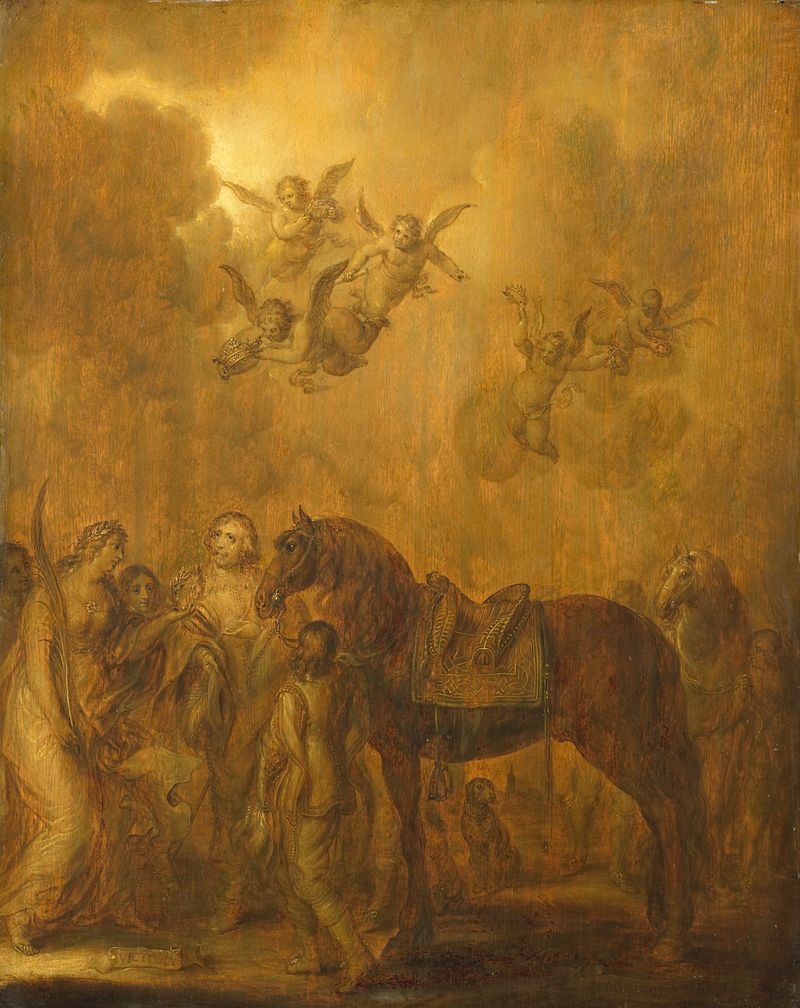
Allegory of the Stadtholdership of Prince Frederick Henry
Adriaen Pietersz van de Venne

Fishing for Souls
Adriaen Pietersz van de Venne

The Departure of a Dignitary from Middelburg
Adriaen Pietersz van de Venne
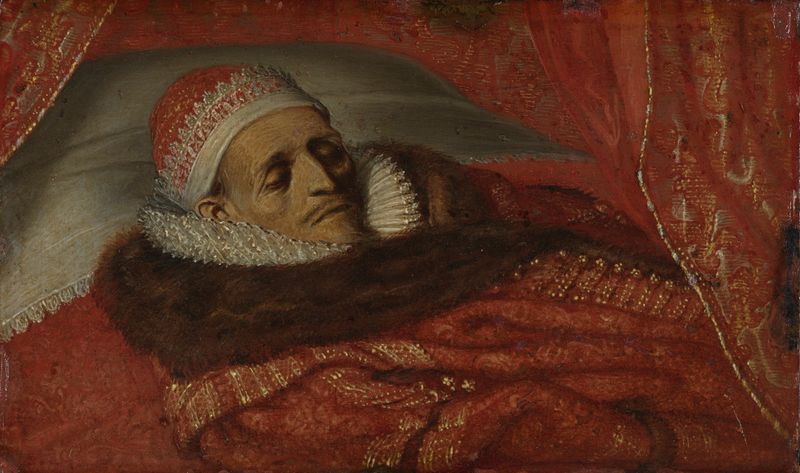
Stadtholder Prince Maurice Lying in State
Adriaen Pietersz van de Venne
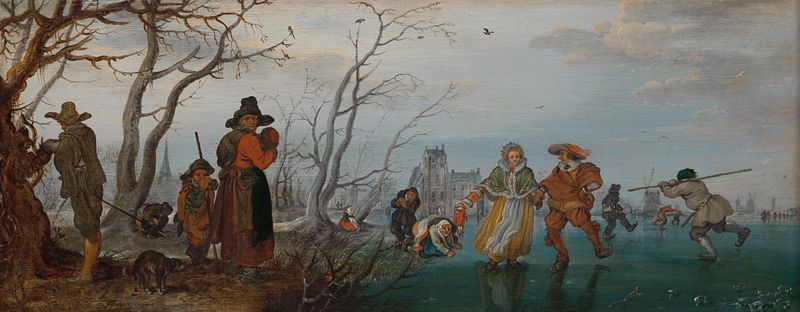
Winter
Adriaen Pietersz van de Venne

Landscape with Figures and a Village Fair (Village Kermesse)
Adriaen Pietersz van de Venne

The Departure of a Dignitary from Middelburg
Adriaen Pietersz van de Venne





