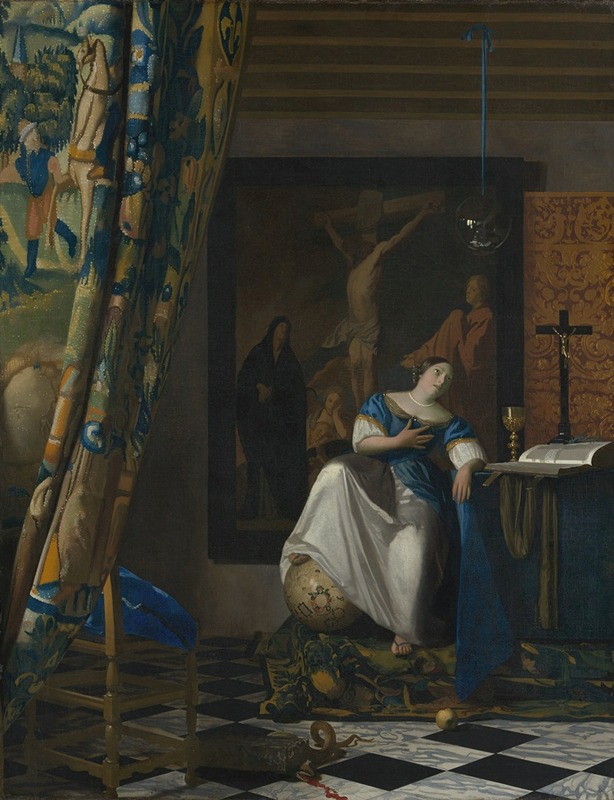
Allegory of the Stadtholdership of Prince Frederick Henry — History & Facts
Can paint confess what words never could? In the canvas of Adriaen Pietersz van de Venne, a silent narrative unfolds, one woven through layered symbols and vibrant colors that speak the language of revolution. Look to the center, where a resplendent figure stands amid a flurry of allegorical elements, symbolizing the power and virtues of Prince Frederick Henry. The artist's meticulous attention to detail draws the viewer’s eye to the prince, adorned in sumptuous garments, radiating authority. Surrounding him, the carefully arranged motifs—a lion, a helmet, and opulent drapery—convey strength and valor, all bathed in the golden light that highlights their significance.
The color palette, rich with deep blues and earth tones, suggests both nobility and the weight of responsibility that comes with leadership. Delve deeper, and the painting reveals a delicate balance between triumph and tumult. The figures in the background, poised in action, embody the common people’s aspirations and challenges, hinting at societal tensions simmering beneath the surface. There’s a subtle contrast between the opulence of the prince’s attire and the earnest expressions of those who surround him, suggesting a looming revolution against the backdrop of prosperity.
The allegorical elements speak not just of individual power but of a collective yearning for justice and representation. In 1642, van de Venne created this thought-provoking work during a period of intense political strife in the Netherlands. As the Thirty Years' War raged across Europe, the artist sought to capture the essence of leadership in an era marked by uncertainty and change. His nuanced portrayal of Prince Frederick Henry reflects not just a moment in history but the aspirations of a nation striving for stability amidst chaos.
More Artworks by Adriaen Pietersz van de Venne
Browse all →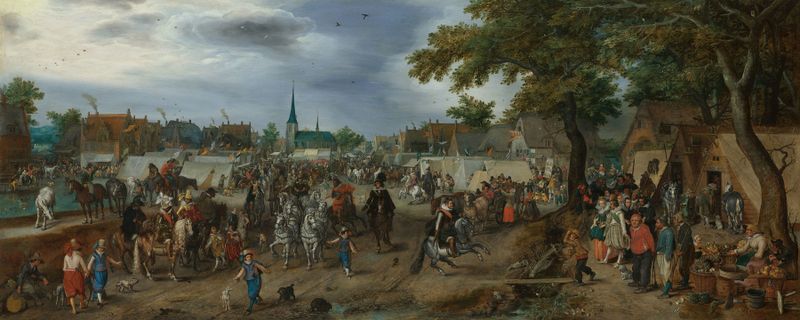
Princes Maurice and Frederick Henry at the Valkenburg Horse Fair
Adriaen Pietersz van de Venne
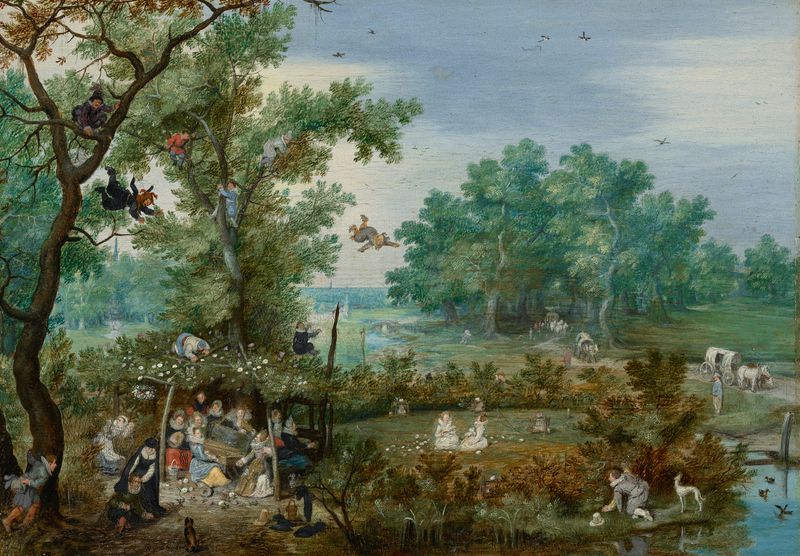
Merry Company in an Arbor
Adriaen Pietersz van de Venne
Princes Maurice and Frederick Henry at the Valkenburg Horse Fair
Adriaen Pietersz van de Venne

Fishing for Souls
Adriaen Pietersz van de Venne

The Departure of a Dignitary from Middelburg
Adriaen Pietersz van de Venne
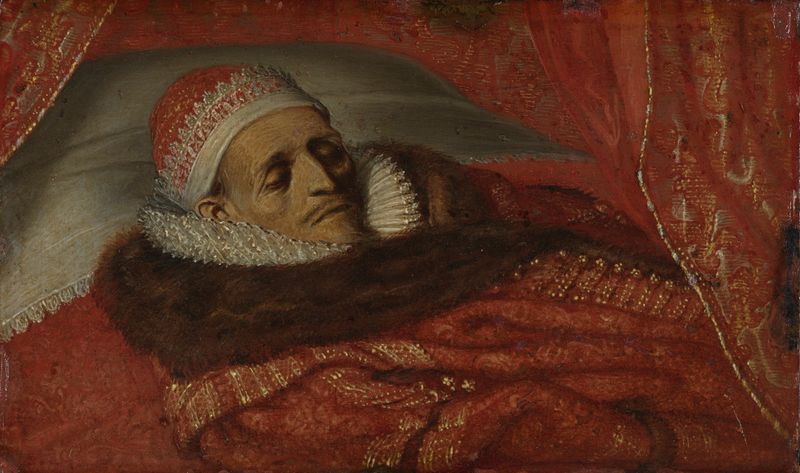
Stadtholder Prince Maurice Lying in State
Adriaen Pietersz van de Venne
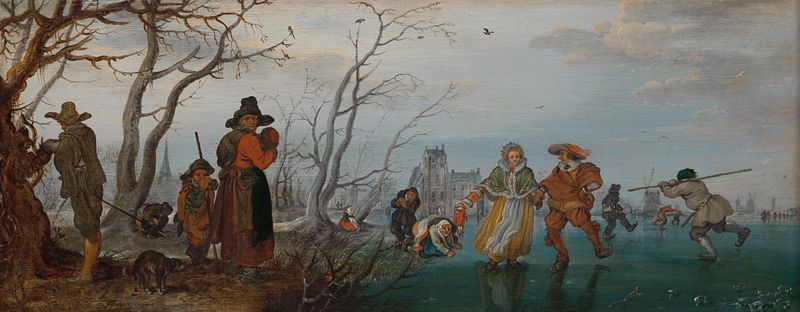
Winter
Adriaen Pietersz van de Venne
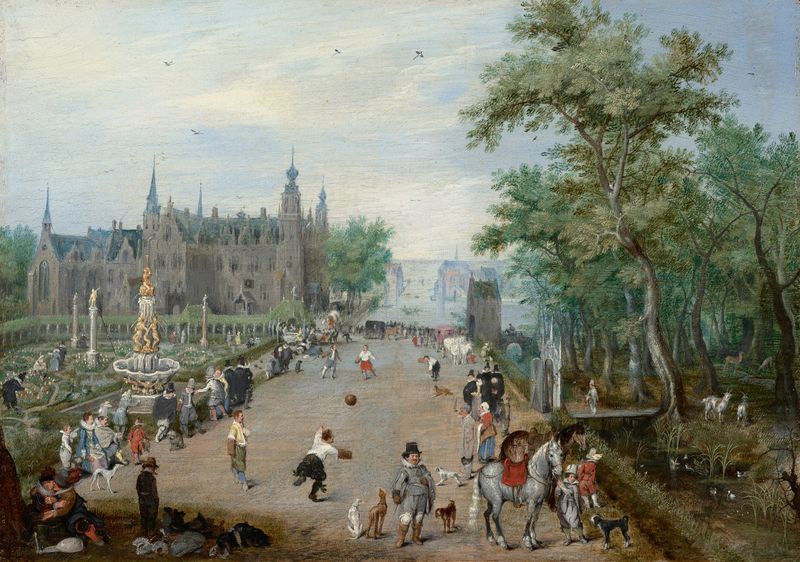
A Jeu de Paume Before a Country Palace
Adriaen Pietersz van de Venne

Landscape with Figures and a Village Fair (Village Kermesse)
Adriaen Pietersz van de Venne

The Departure of a Dignitary from Middelburg
Adriaen Pietersz van de Venne