
Landscape with Figures and a Village Fair (Village Kermesse) — History & Facts
In the vibrant chaos of life, moments of rebirth unfold through color and form, inviting us to pause and reflect. Look to the left at the lively figures engaging in animated conversations, their clothes bursting with the hues of the season—crimson, emerald, and gold. Focus on the central gathering where laughter dances in the air, caught in the playful brushstrokes that evoke movement and joy. Notice how the sunlight bathes the scene, illuminating the thatched roofs of the village and casting soft shadows that hint at the depth of human experience.
Each stroke serves not merely to depict, but to encapsulate the essence of festivity and community. Yet amidst the jubilant atmosphere lies a poignant contrast—a solitary figure on the outskirts, almost lost in the festivities, suggesting themes of isolation and longing. The juxtaposition of the celebration with this lone presence speaks to the human condition, where joy can coexist with sorrow. The artist masterfully captures this delicate tension, revealing layers of emotional depth that resonate with the viewer, prompting introspection on the nature of belonging and the passage of time. Created in 1615 during an era when communal celebrations were vital to village life, the artist was influenced by the Dutch Golden Age's emphasis on realism and collective experience.
Working in The Hague, he embraced the charm of rural life, reflecting the evolving social dynamics in a rapidly changing world. This work stands as a testament to both personal and collective memories, immortalizing the vibrancy of a particular moment while inviting contemplation on the continuity of existence.
More Artworks by Adriaen Pietersz van de Venne
Browse all →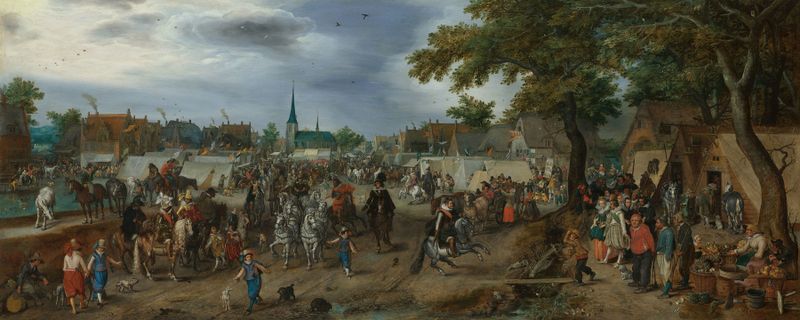
Princes Maurice and Frederick Henry at the Valkenburg Horse Fair
Adriaen Pietersz van de Venne
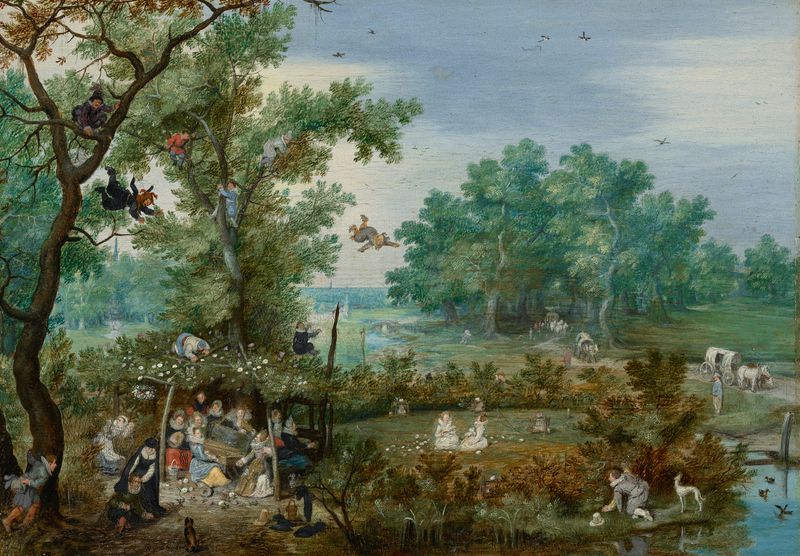
Merry Company in an Arbor
Adriaen Pietersz van de Venne
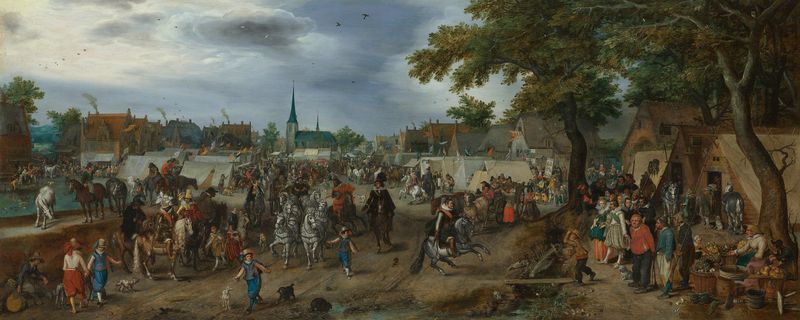
Princes Maurice and Frederick Henry at the Valkenburg Horse Fair
Adriaen Pietersz van de Venne
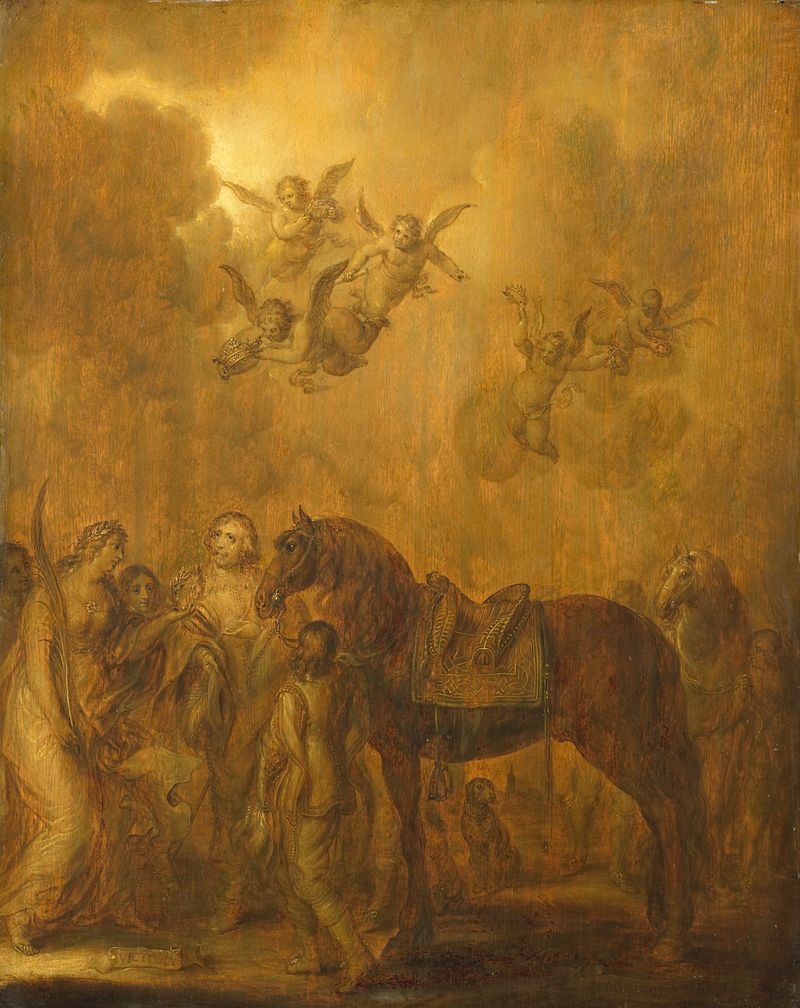
Allegory of the Stadtholdership of Prince Frederick Henry
Adriaen Pietersz van de Venne

Fishing for Souls
Adriaen Pietersz van de Venne

The Departure of a Dignitary from Middelburg
Adriaen Pietersz van de Venne
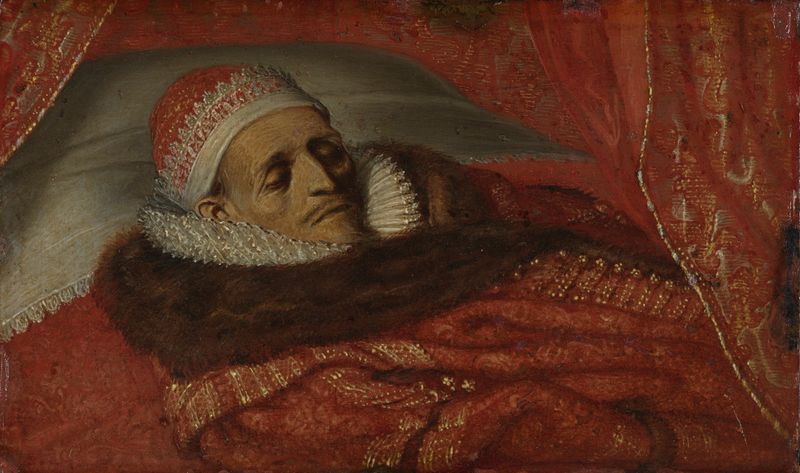
Stadtholder Prince Maurice Lying in State
Adriaen Pietersz van de Venne
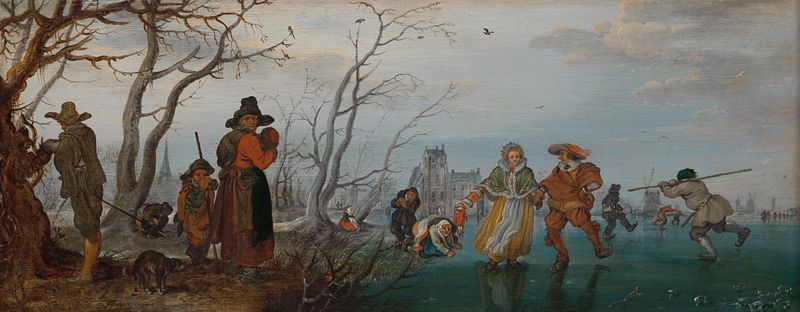
Winter
Adriaen Pietersz van de Venne
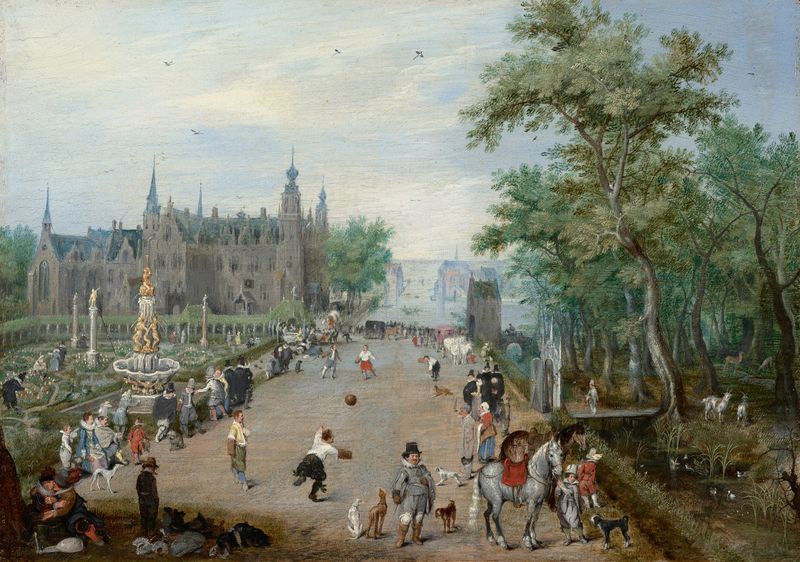
A Jeu de Paume Before a Country Palace
Adriaen Pietersz van de Venne

The Departure of a Dignitary from Middelburg
Adriaen Pietersz van de Venne





