
Winter Day in the High Tatras — History & Facts
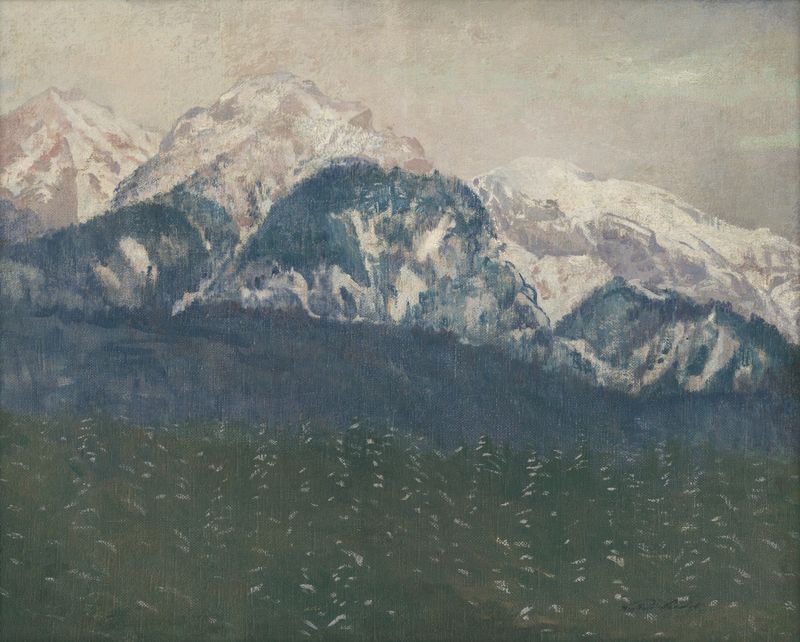
The stillness of winter days often conceals a world of vibrant life beneath its pristine surface, inviting us to explore the illusions of nature. Focus on the expansive canvas, where the high peaks of the Tatras emerge majestically against a soft, almost ethereal sky. The palette is dominated by icy blues and muted whites, yet subtle hints of ochre and green breathe life into the foreground. Notice how the light dances across the snow-laden slopes, casting gentle shadows that hint at the contours of the mountains.
Each brushstroke reveals the delicate interplay between the cold and the warm, creating a mesmerizing illusion of depth and tranquility. Delve deeper into the composition's emotional weight. The immense mountains stand like sentinels, embodying both majesty and isolation, evoking a profound sense of solitude. In the foreground, the softness of the snow suggests a serene blanket covering the chaos of life beneath.
As you take in the vastness of the scene, the juxtaposition between the stark, sharp peaks and the gentle curves of the valley speaks to the duality of strength and fragility in nature. Ferdinand Katona painted this scene during a period of significant artistic evolution in Europe, between 1910 and 1930. He was influenced by the transition from traditional landscape painting to more modern interpretations that emphasized emotional resonance and atmospheric effects. At this time, the world grappled with the aftermath of war and the dawn of new artistic movements, prompting Katona to explore the tensions between reality and illusion, seeking to convey a deeper truth through his art.
More Artworks by Ferdinand Katona
Browse all →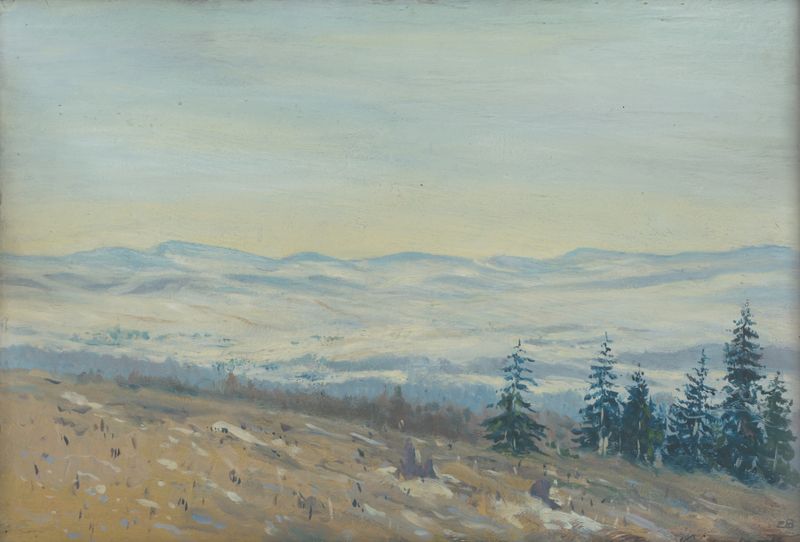
High Tatras
Ferdinand Katona
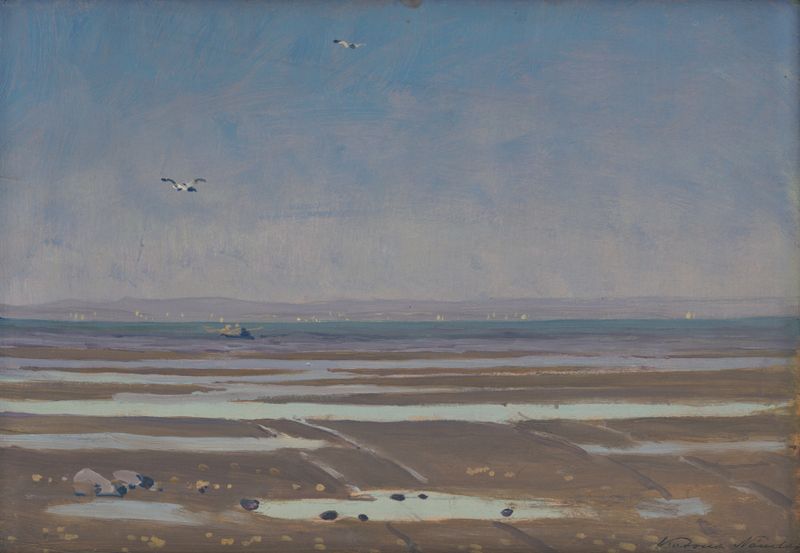
Early spring
Ferdinand Katona
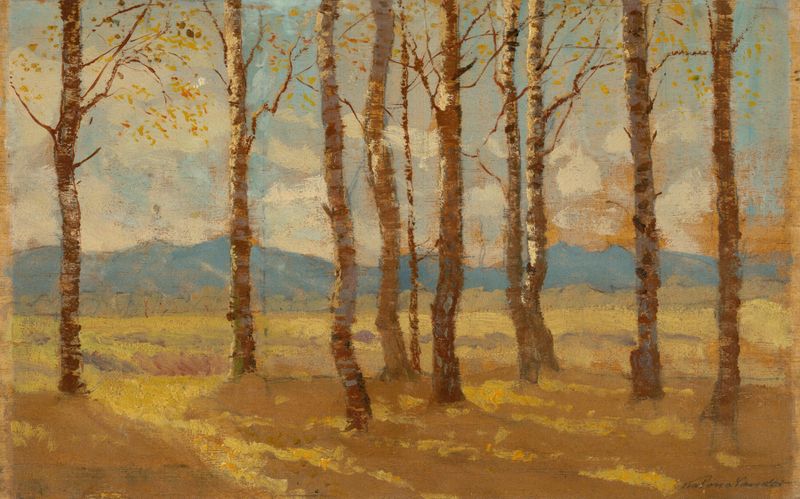
Birches in Autumn
Ferdinand Katona
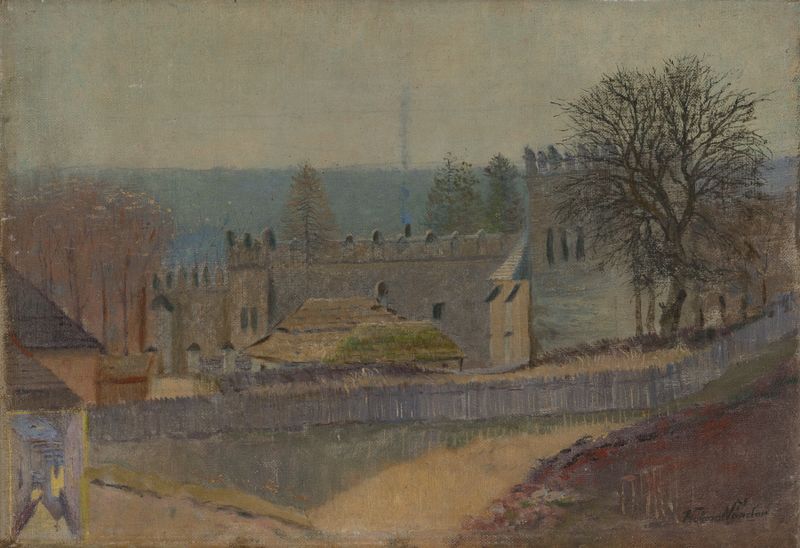
View of Strážky
Ferdinand Katona
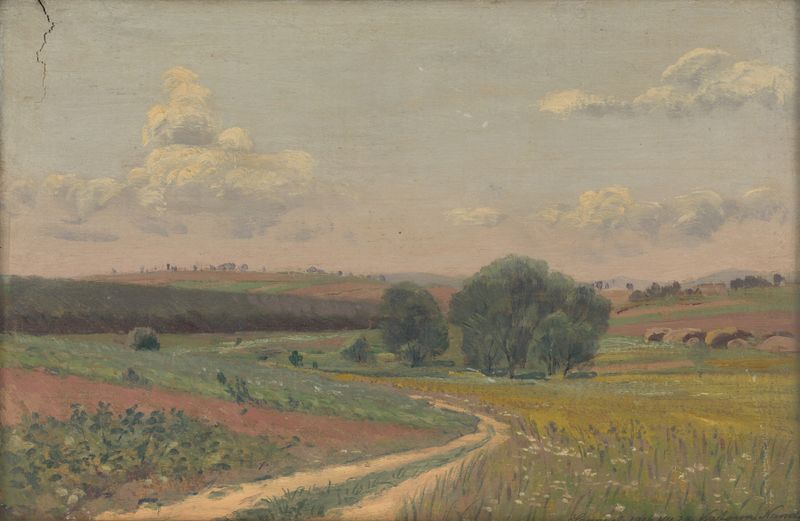
Landscape with a dirt road
Ferdinand Katona
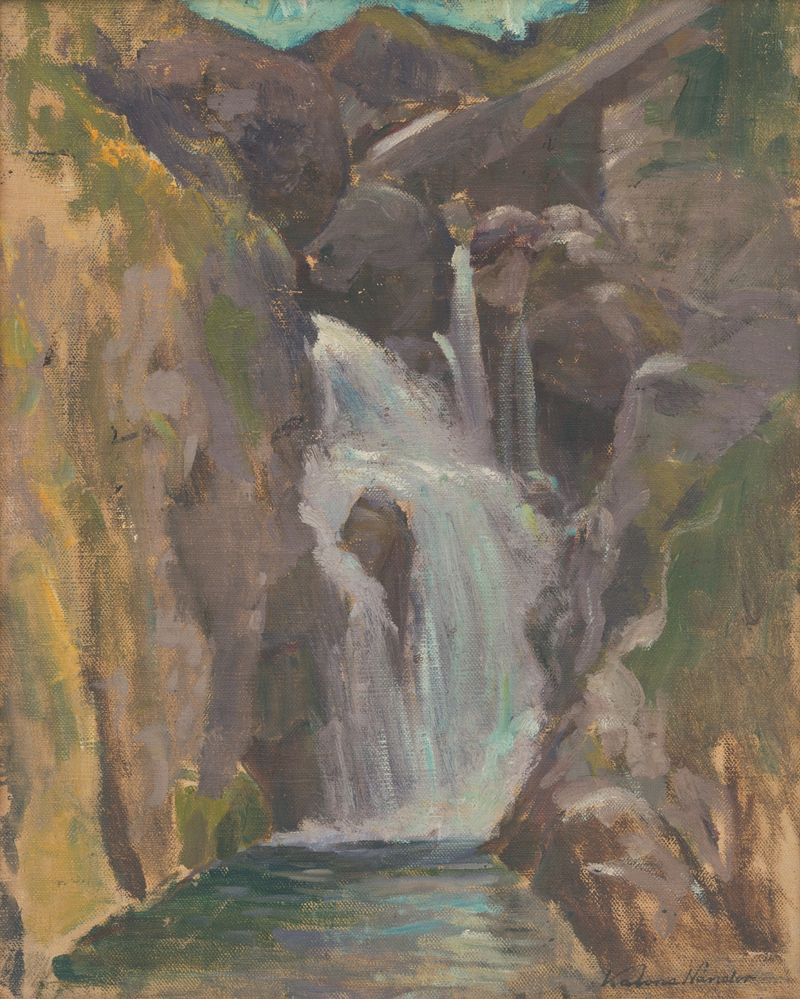
Waterfall
Ferdinand Katona
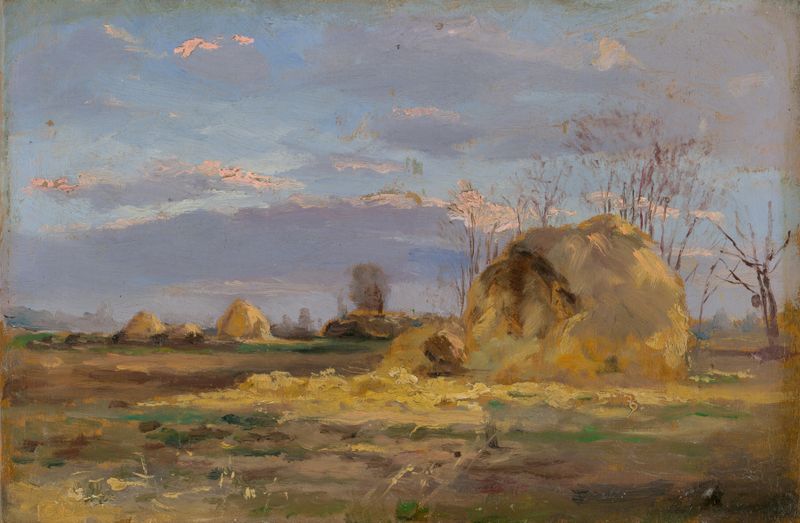
Autumn Landscape with Trees
Ferdinand Katona
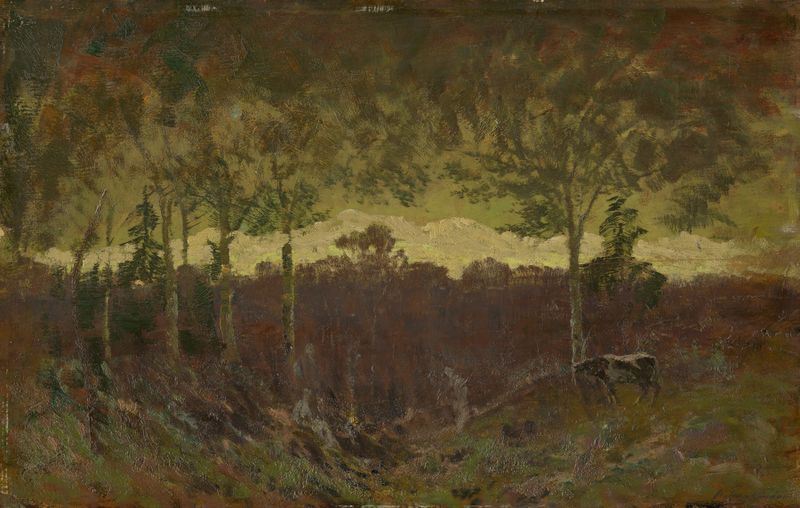
Early Evening Tatras Landscape
Ferdinand Katona
View of the High Tatras
Ferdinand Katona
Early Spring
Ferdinand Katona





