
Winter Landscape — History & Facts
In the void left by silence, the essence of nature speaks profoundly through brushstrokes. Look to the center of the canvas, where vast, snow-covered expanses stretch beneath a cobalt sky. The sharp contrast of the cool blues and whites invites you to linger, capturing the stillness of winter. Notice how the light glimmers on the icy surfaces, illuminating the rugged beauty of distant mountains and the delicate outlines of barren trees, revealing Bierstadt's masterful use of chiaroscuro to evoke depth and dimension. Here, the tension between solitude and serenity comes alive.
The starkness of the landscape conjures feelings of isolation, yet there’s an underlying sense of peace. Each detail, from the craggy peaks to the soft drifts of snow, reflects a world both untouched and unyielding, inviting contemplation of nature's power and the human spirit's connection to it. This interplay speaks to the void within each viewer—an echo of longing for tranquility amid life’s chaos. Bierstadt painted this landscape during an era when the American West was becoming a subject of fascination, particularly for the East Coast audience.
In the mid-19th century, he traveled extensively, immersing himself in the beauty of the untamed landscapes he depicted. His work emerged during a time marked by an industrializing society, offering a nostalgic look at nature's grandeur and its silent, sublime isolation.
More Artworks by Albert Bierstadt
Browse all →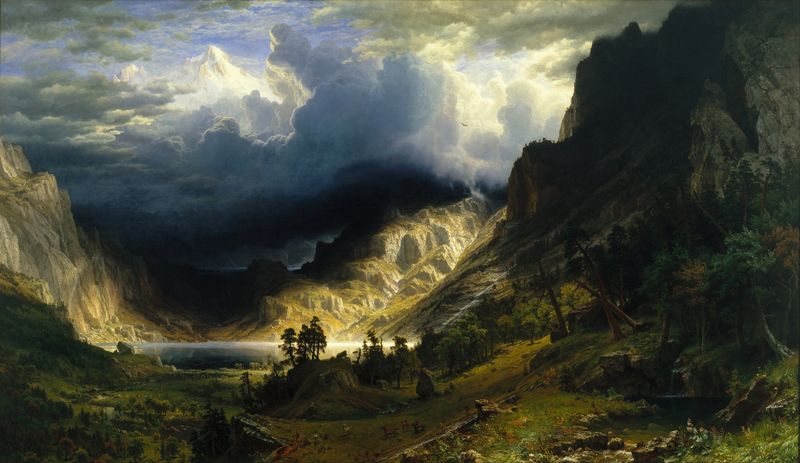
A Storm in the Rocky Mountains, Mt. Rosalie
Albert Bierstadt
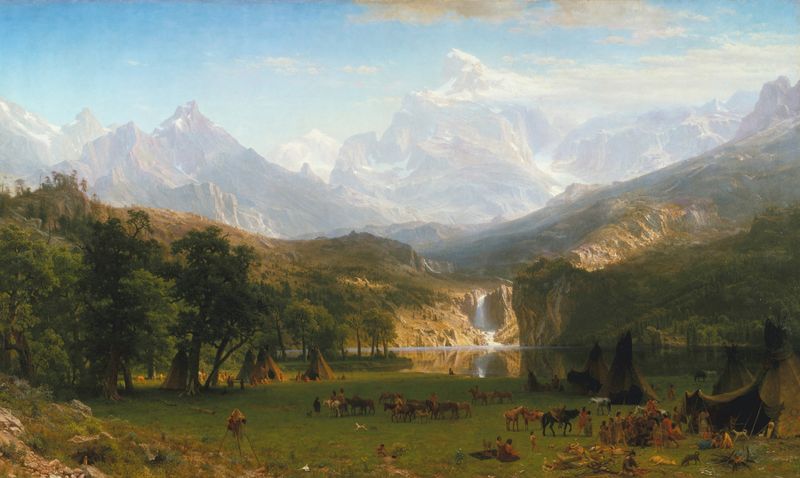
The Rocky Mountains, Lander’s Peak
Albert Bierstadt
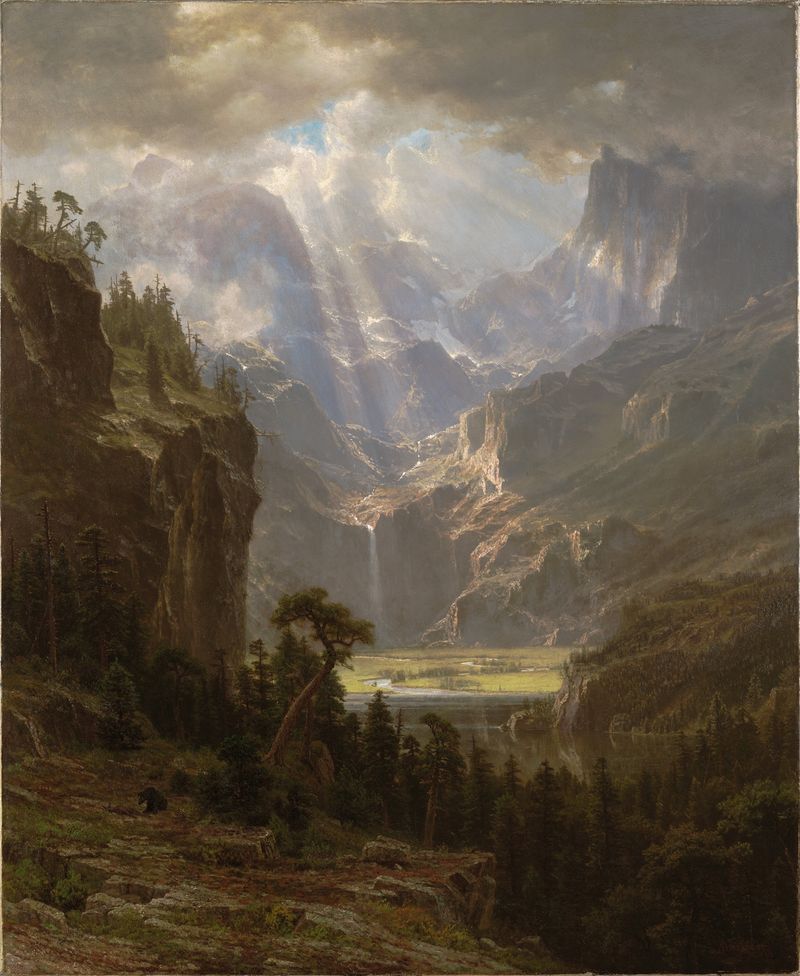
Rocky Mountains, Lander’s Peak
Albert Bierstadt
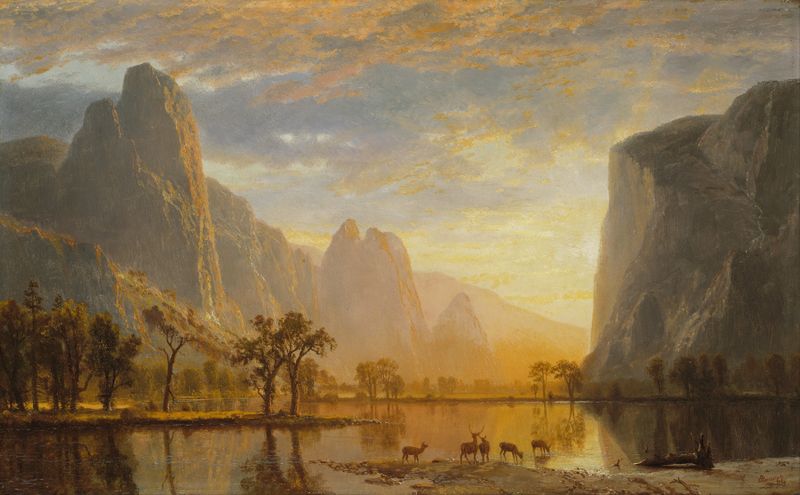
Valley of the Yosemite
Albert Bierstadt
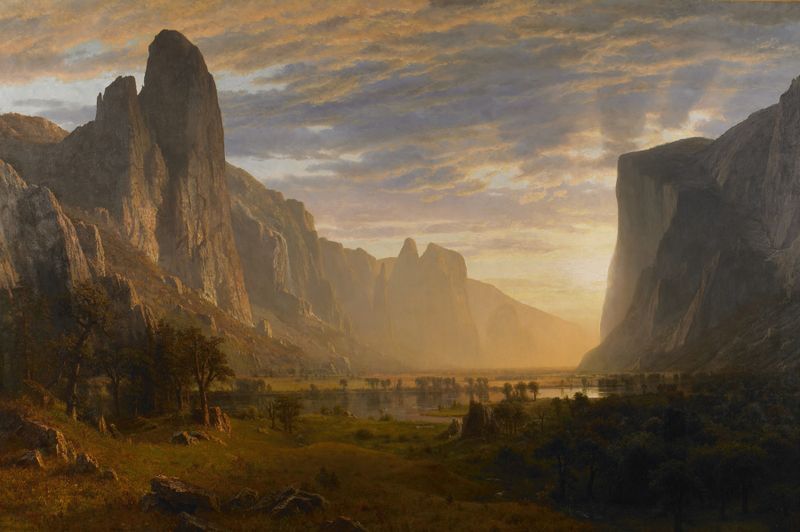
Looking Down Yosemite Valley, California
Albert Bierstadt
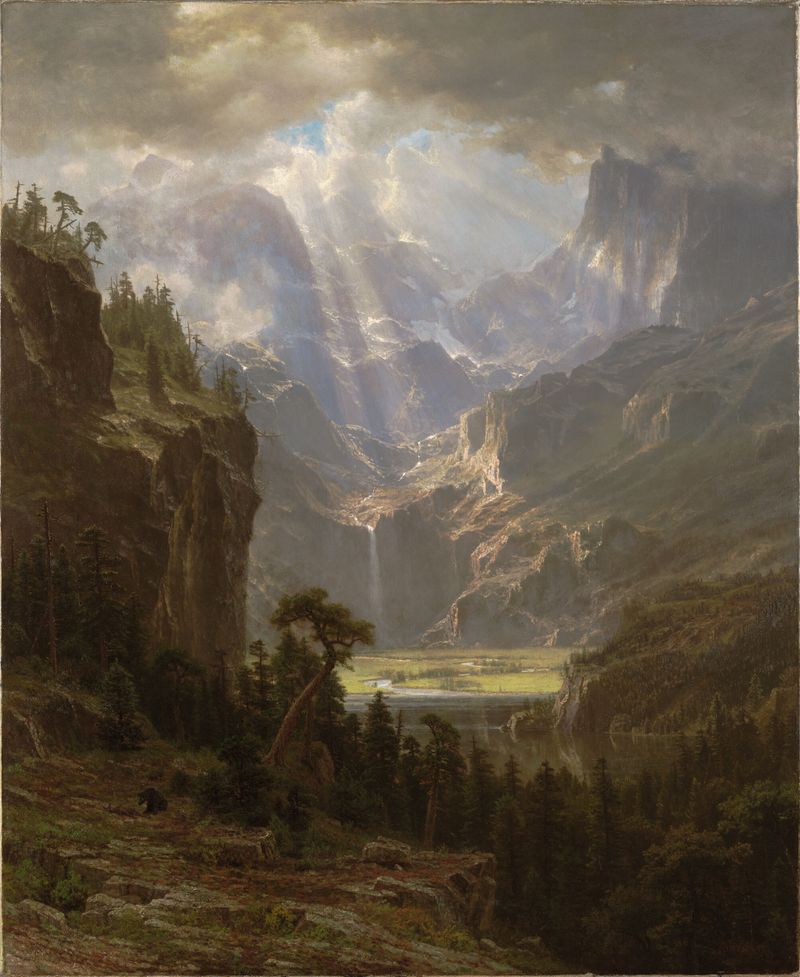
Rocky Mountains, "Lander's Peak"
Albert Bierstadt
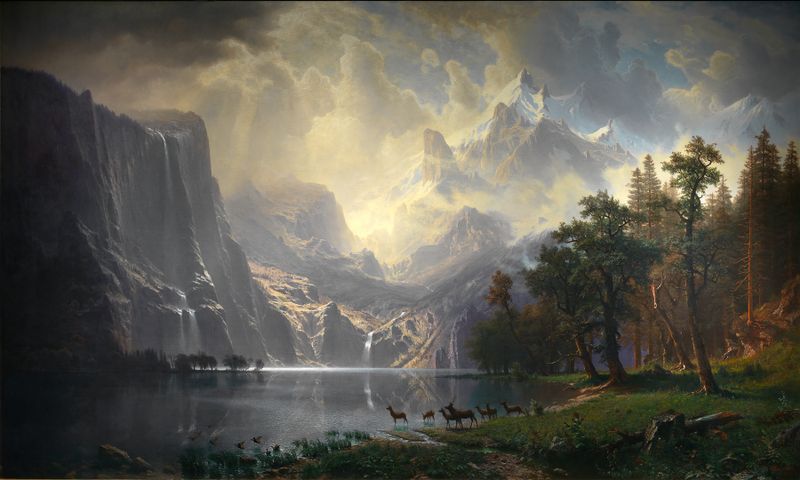
Among the Sierra Nevada, California
Albert Bierstadt
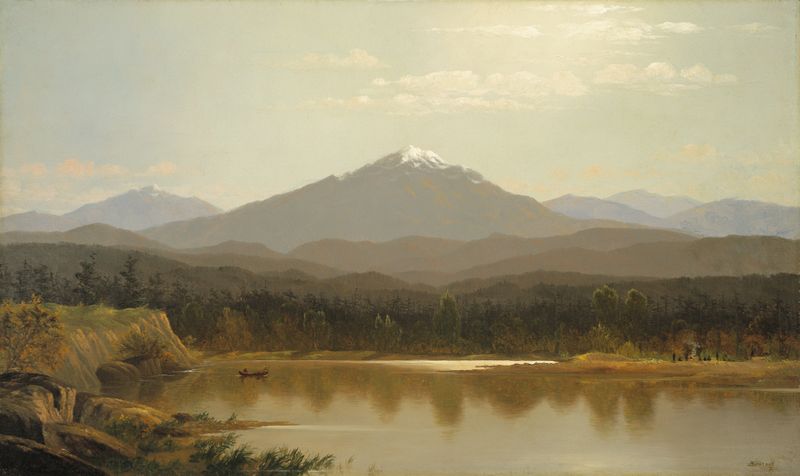
Laramie Peak
Albert Bierstadt
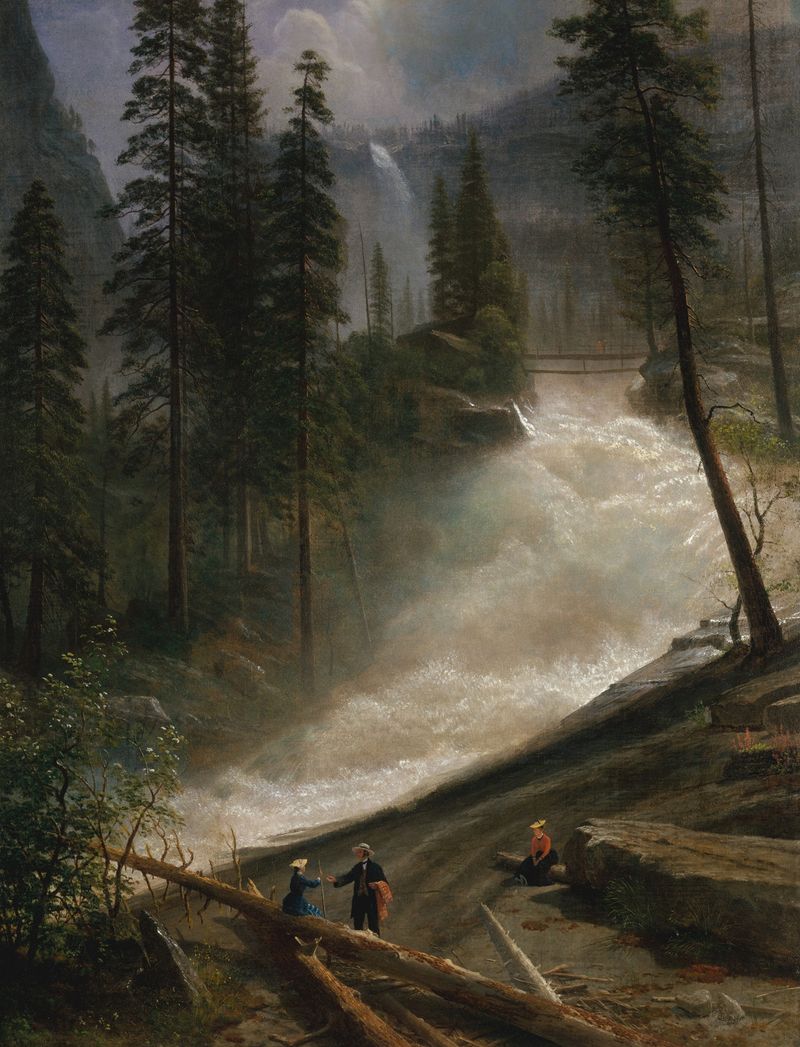
Nevada Falls, Yosemite
Albert Bierstadt
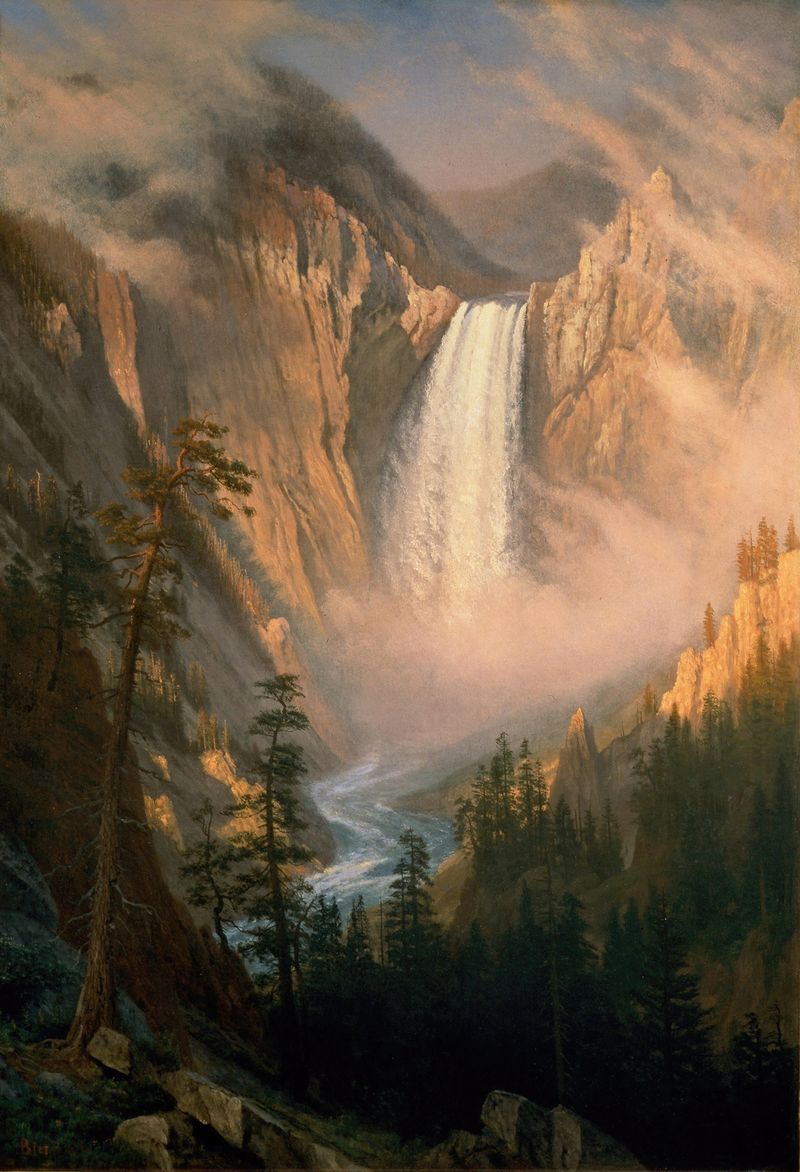
Yellowstone Falls
Albert Bierstadt





