
Winter Landscape — History & Facts
Is this a mirror — or a memory? The quietude of winter invites reflection, as frosted trees whisper secrets of solitude and time, crafting a bridge between the seen and the felt. Focus on the expanse of white, where snow blankets the earth in a serene embrace. Look closely at the delicate strokes that form the trees, their skeletal branches stretching skyward against a pale canvas. Notice how the light dances across the surface, casting soft shadows that breathe life into the stillness.
Each brushstroke captures not just the landscape but the chill of the air, evoking a sense of calm contemplation. As you delve deeper, consider the contrasts at play: the stark white of snow against the dark trunks of the trees, suggesting the tension between purity and life’s inevitable decay. The muted color palette conveys both tranquility and a haunting solitude, reflecting the human experience of longing and introspection. These small details hint at a world beyond the frame, where nature becomes a sanctuary for the soul’s deepest reflections. Created between 1900 and 1910, this piece emerged during a time of profound change in Ferdinand Katona's life and the art world.
Living in Hungary, he was influenced by the rise of modernism, which sought to break from tradition. This period was marked by a growing appreciation for the emotive power of landscapes, as artists turned their gaze inward, seeking to capture not just the physical world, but the transcendent experiences tied to it.
More Artworks by Ferdinand Katona
Browse all →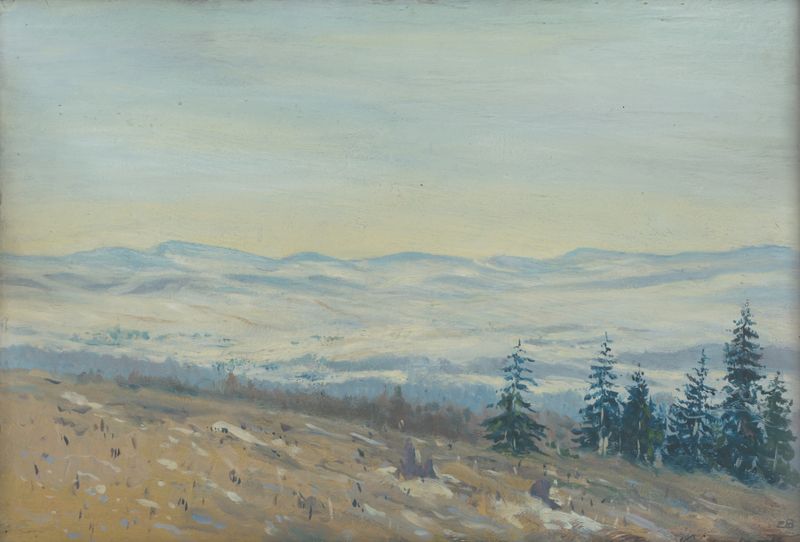
High Tatras
Ferdinand Katona
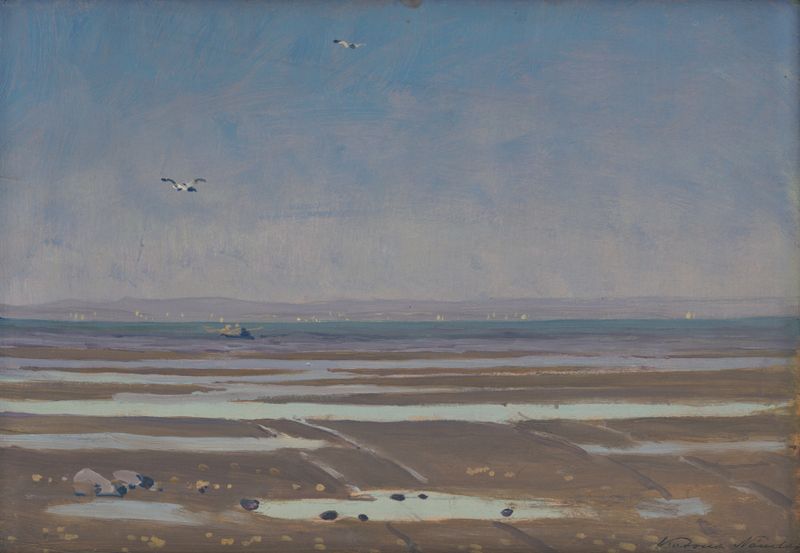
Early spring
Ferdinand Katona
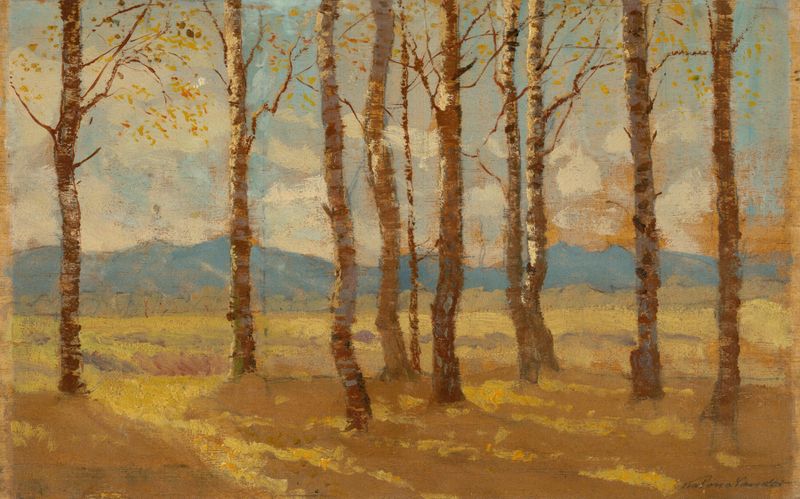
Birches in Autumn
Ferdinand Katona
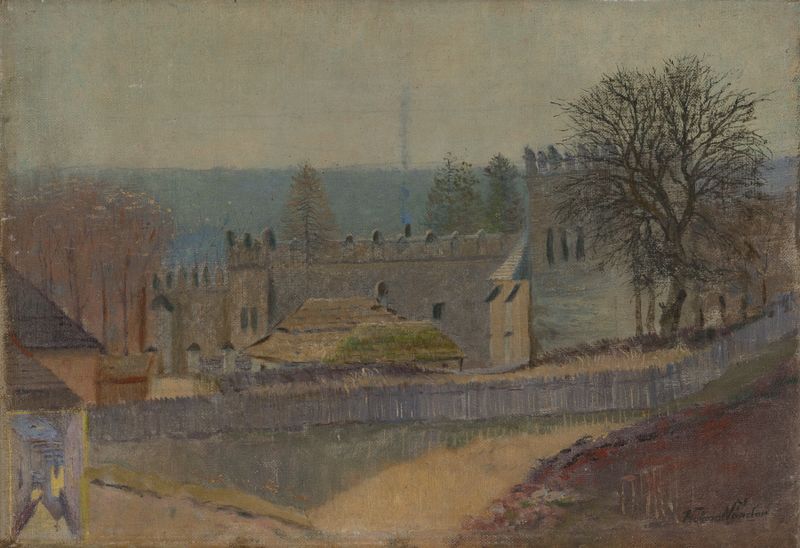
View of Strážky
Ferdinand Katona
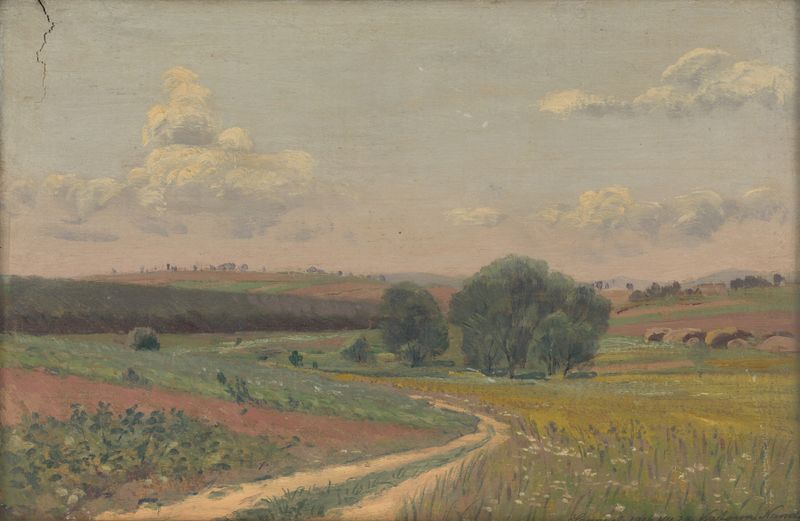
Landscape with a dirt road
Ferdinand Katona
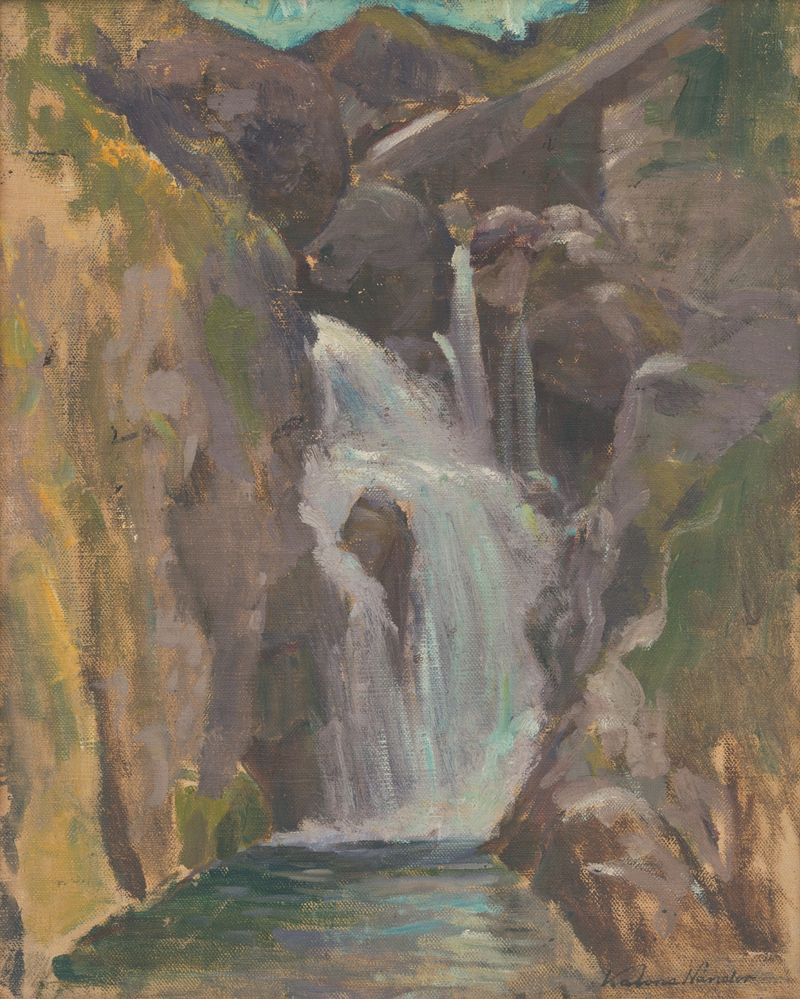
Waterfall
Ferdinand Katona
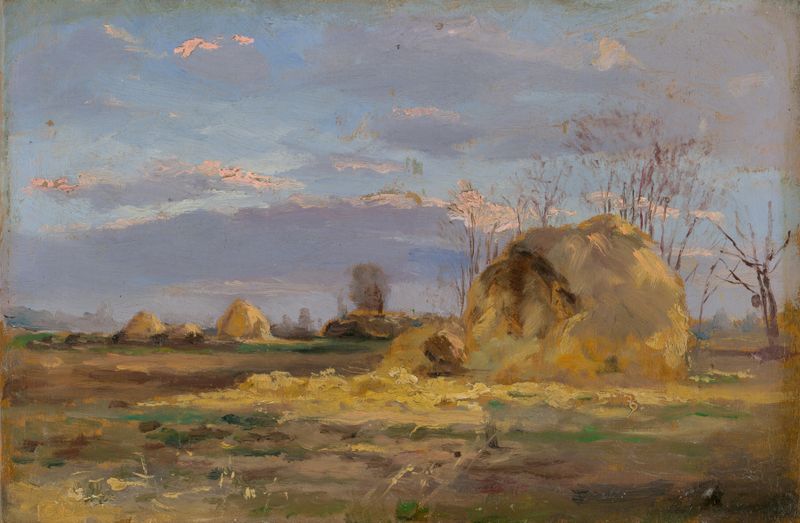
Autumn Landscape with Trees
Ferdinand Katona
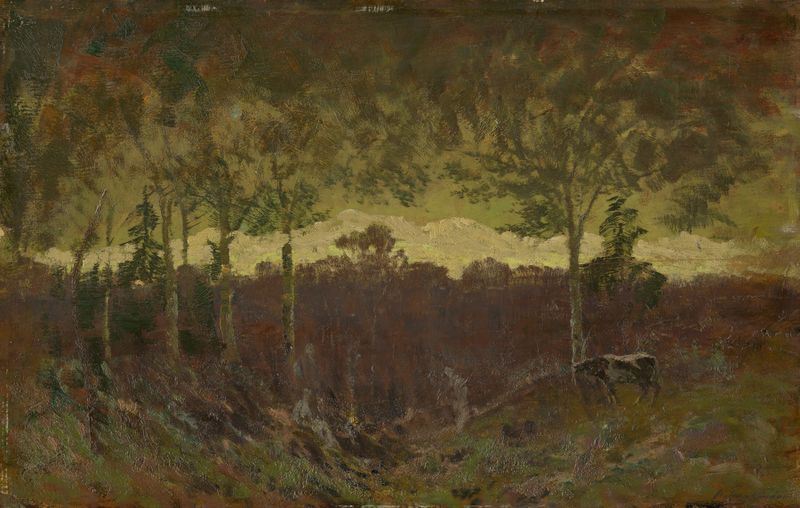
Early Evening Tatras Landscape
Ferdinand Katona
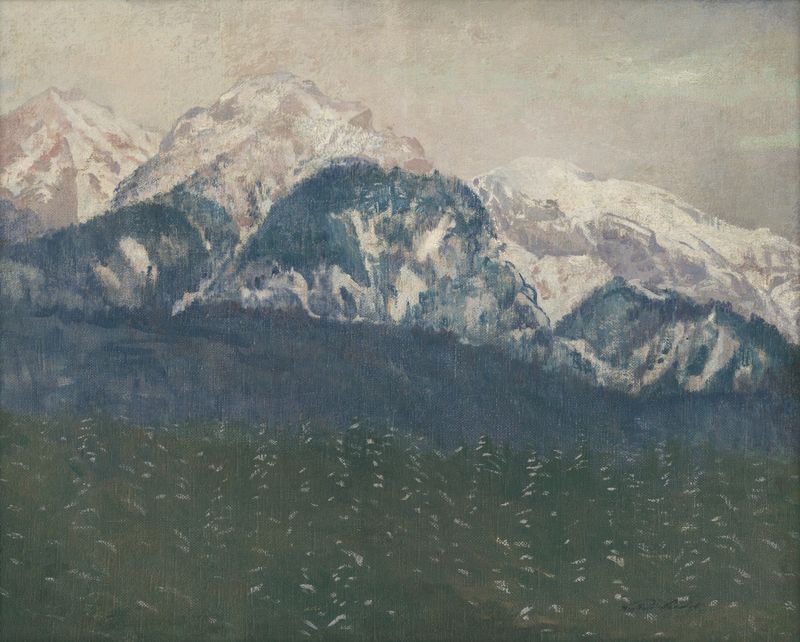
View of the High Tatras
Ferdinand Katona
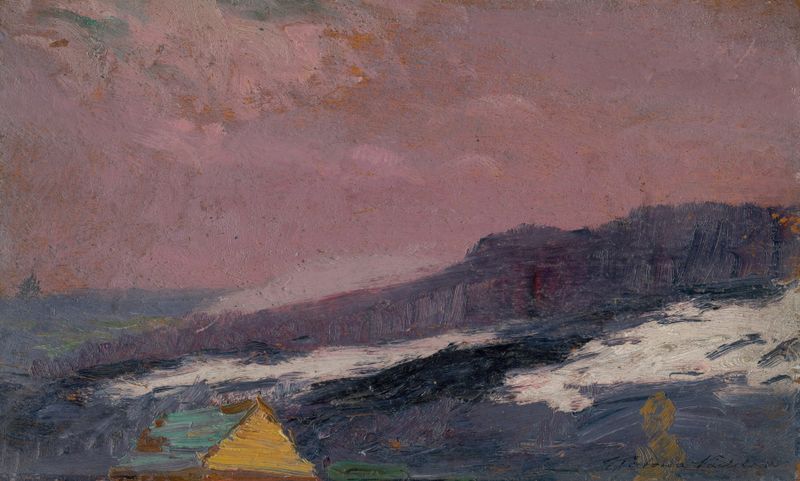
Early Spring
Ferdinand Katona





