
Winter landscape — History & Facts
This profound connection between art and time captures the essence of a fleeting moment, preserved eternally on canvas. Look to the gentle slopes of the snow-blanketed hills, where a soft, muted palette of whites and grays creates a serene atmosphere. The delicate brushstrokes form a textured surface that invites the viewer to feel the chill of winter, while subtle hints of blue evoke shadows lurking between trees. Notice how the light dances across the landscape, illuminating the frosted branches that stand in quiet majesty against the crisp sky. As you delve deeper, consider the contrast between the stillness of the scene and the vibrant energy of the natural world.
The interplay of light and shadow suggests movement—a breath held in a winter's chill. The faint traces of a path winding through the snow hint at human presence, perhaps fleeting but significant, echoing the passage of time and the impermanence of all things. This landscape speaks not only of nature but of the human experience, reminding us of our own fleeting moments. Jungblut created this work during a period when landscapes were gaining prominence as subjects, particularly in the late 19th century.
Living in Germany, he was influenced by the Romantic movement that emphasized emotion and nature's sublime beauty. His works reflect the growing fascination with capturing moments of stillness, an artistic response to the rapidly changing world around him.
More Artworks by Johann Jungblut
Browse all →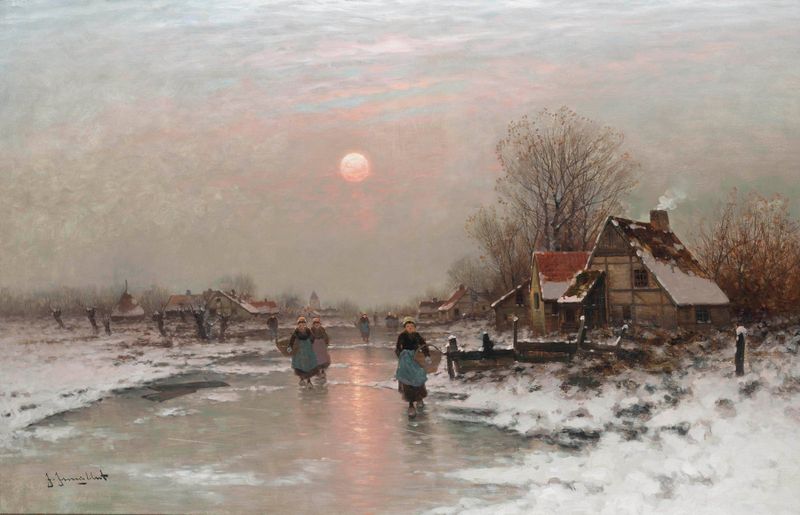
Dutch peasants on a frozen waterway at sundown
Johann Jungblut
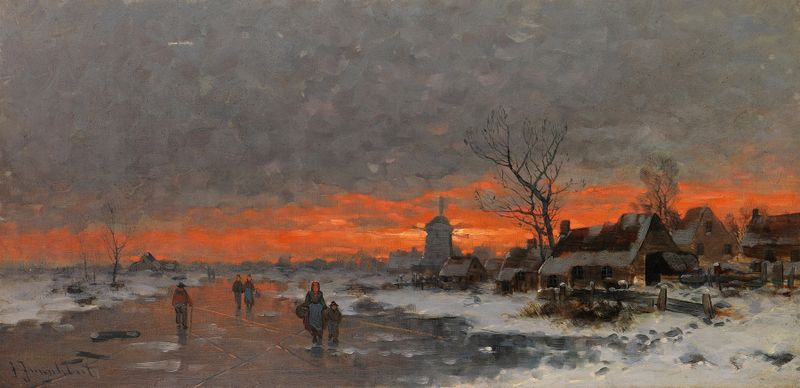
Winterlandschaft mit Dorfsilhouette im Abendrot
Johann Jungblut

Fun on the Ice
Johann Jungblut
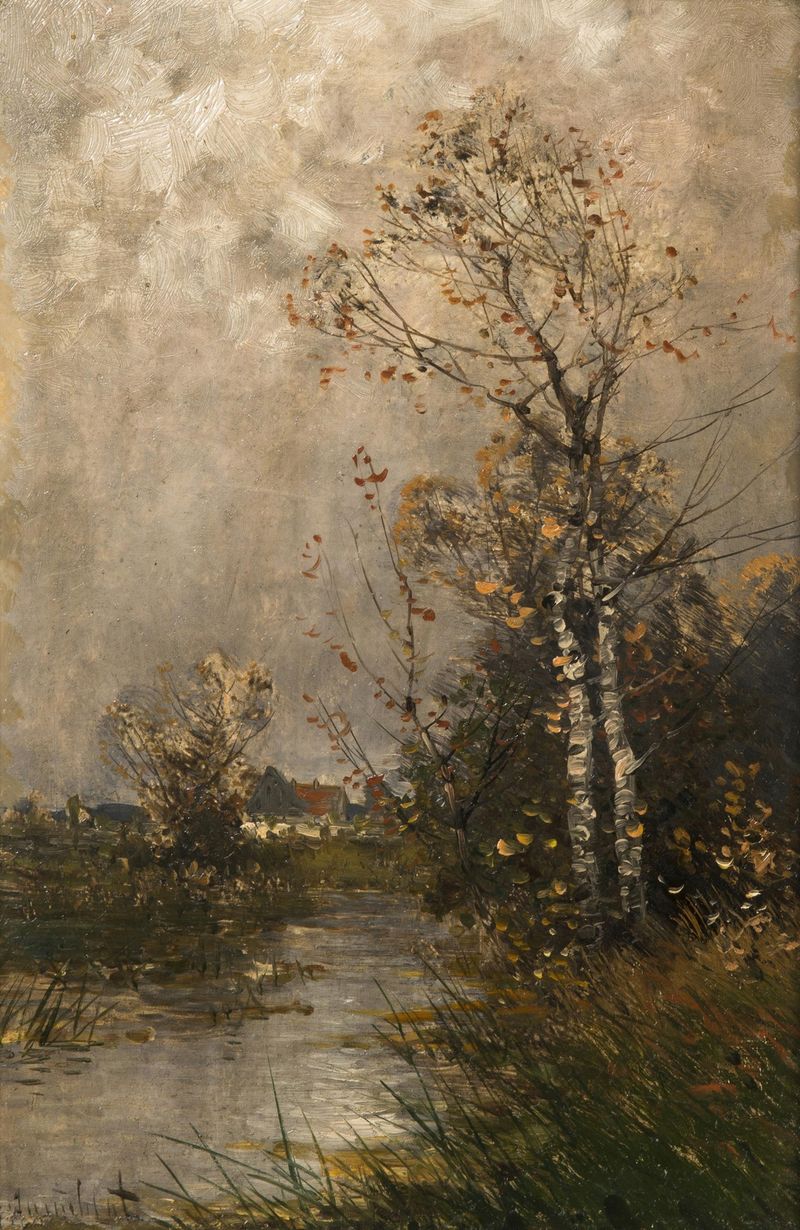
Autumn
Johann Jungblut
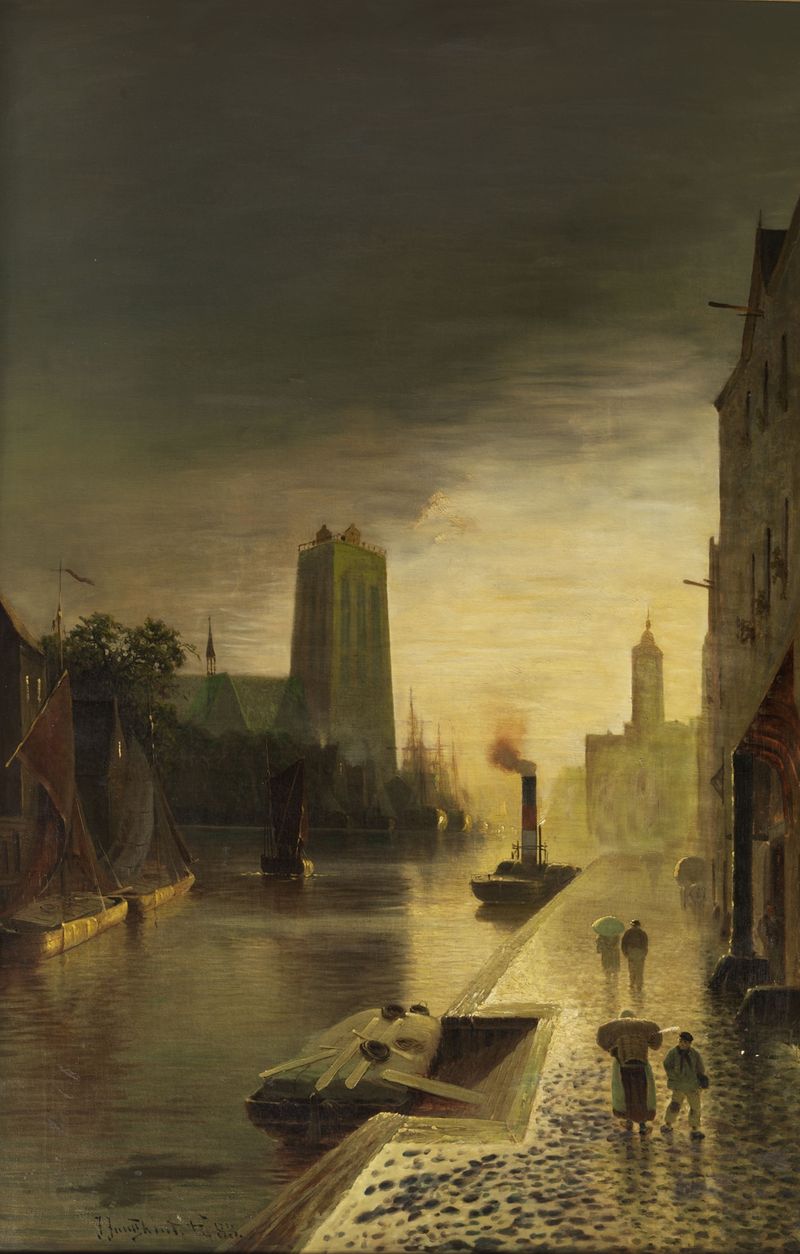
Ansicht von Gent
Johann Jungblut
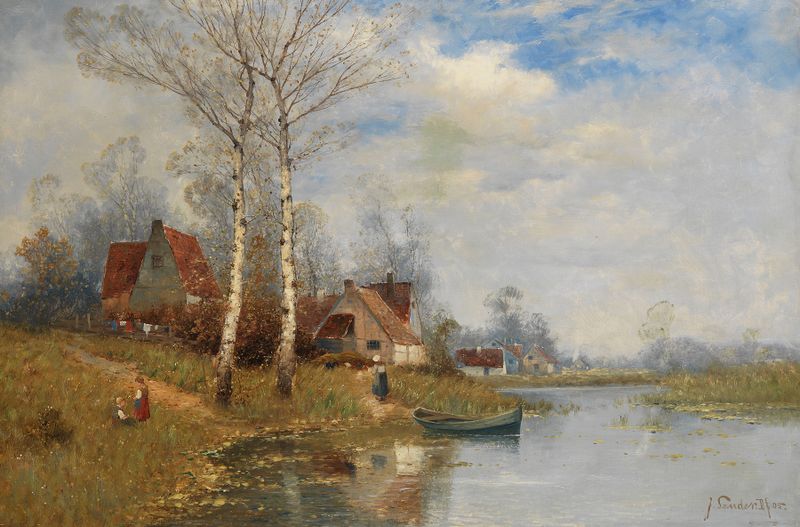
Sommertag am See
Johann Jungblut

Winter sun over iced lake
Johann Jungblut

Winter
Johann Jungblut
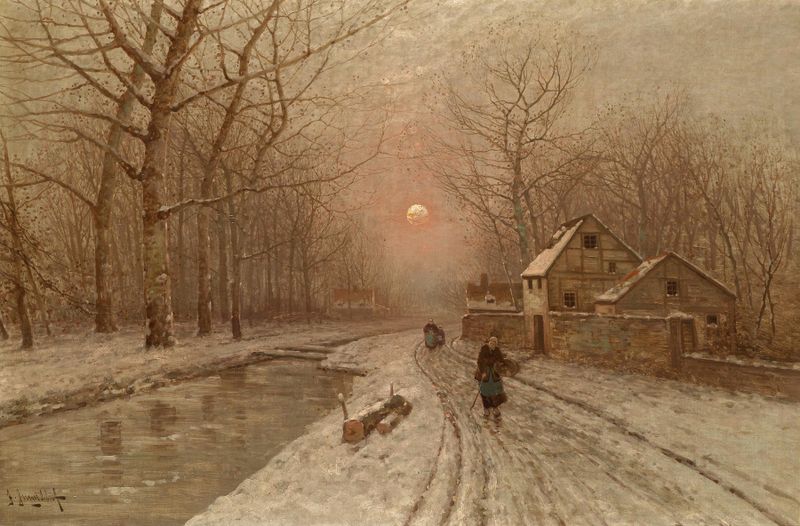
Abendstimmung über einer Dorfstraße
Johann Jungblut





