
Winter Landscape near Ždiar — History & Facts
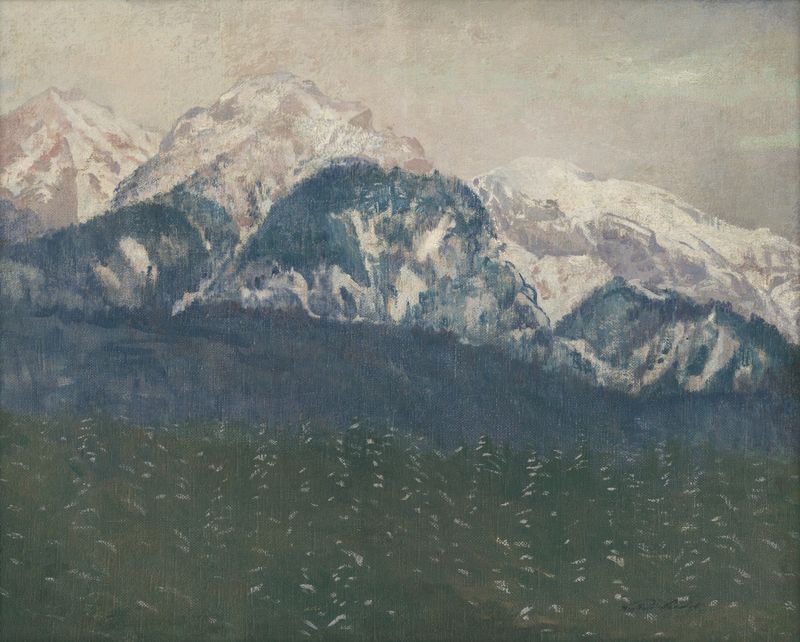
Who listens when art speaks of silence? In Winter Landscape near Ždiar, the chill of a winter morning whispers of solitude and loss, inviting viewers to contemplate the echoes of absence in the frosted expanse. Look to the foreground where a gentle blanket of snow stretches across the canvas, its pristine surface dappled with soft shadows that hint at the weight of unspoken stories. Focus on the distant mountains, their peaks cloaked in a soft mist that creates a stark contrast against the crisp, pale blue sky. The cool palette, with muted whites and blues, compels a sense of tranquillity while simultaneously evoking a haunting stillness.
Each brushstroke captures the essence of winter's chill, inviting you to pause and breathe in the serene desolation. Yet, as you delve deeper, it becomes evident that this landscape is more than a mere depiction of winter; it is a canvas of memory. The bare trees, stripped of their leaves, stand resolute yet forlorn, suggesting an emotional landscape of intertwined beauty and melancholy. The absence of human figures amplifies the sense of isolation, evoking questions of what has been lost in the passage of time and how nature bears witness to such absence.
Here, the silence is profound, inviting the viewer into a contemplative space where nature speaks of what remains unspoken. Ferdinand Katona painted this work between 1900 and 1910, during a period of evolving artistic consciousness in Central Europe. Living in Hungary, he navigated the intricate landscapes of his homeland, blending realism with impressionistic tendencies. As a contemporary of the burgeoning modernist movement, Katona's exploration of the landscape reflects both a personal connection to his environment and a broader search for identity in an era marked by change and uncertainty.
More Artworks by Ferdinand Katona
Browse all →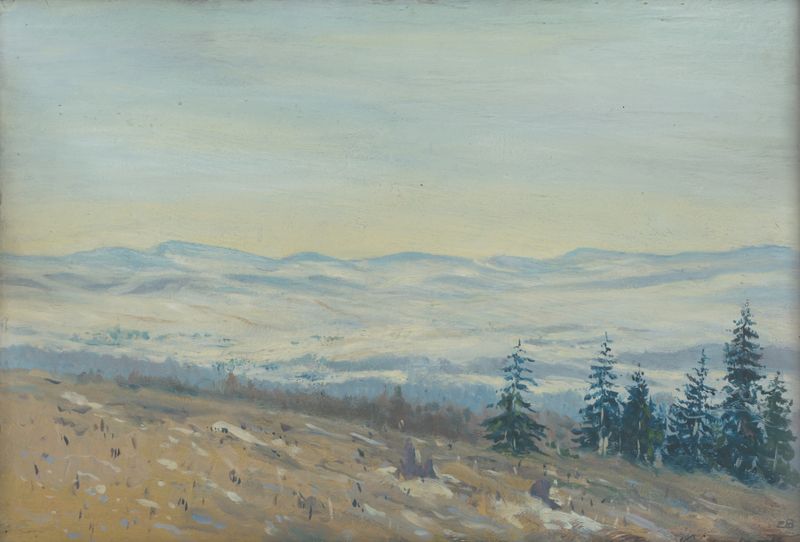
High Tatras
Ferdinand Katona
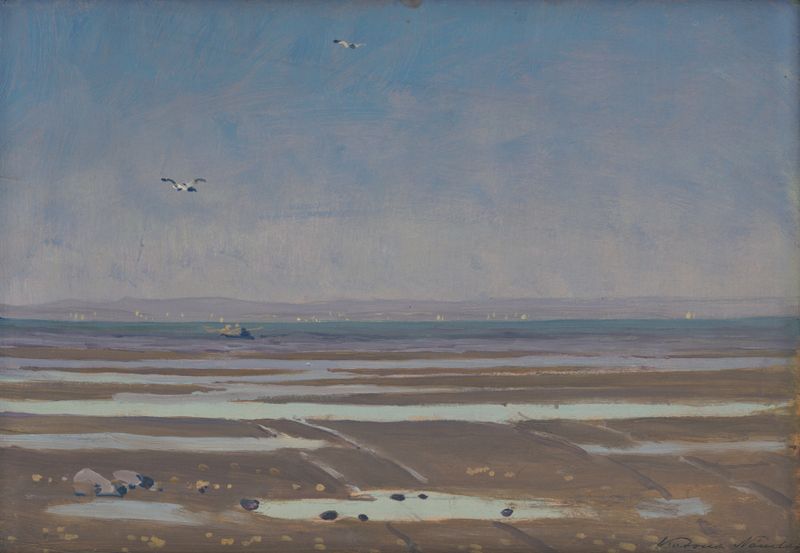
Early spring
Ferdinand Katona
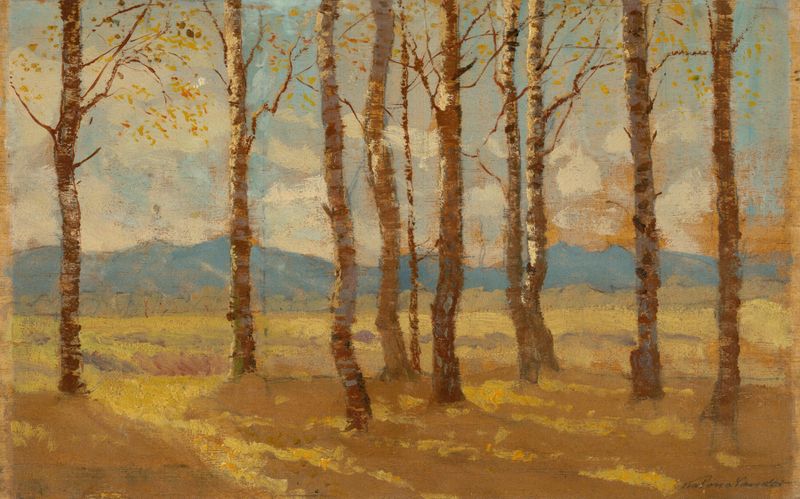
Birches in Autumn
Ferdinand Katona
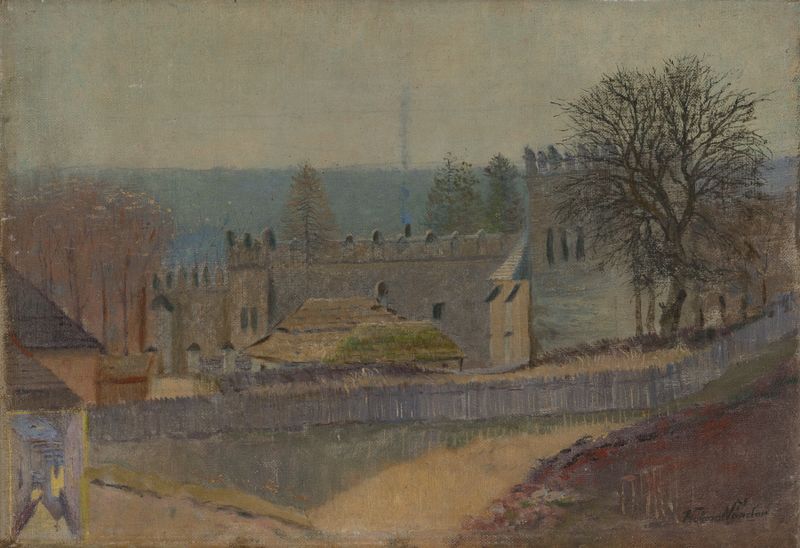
View of Strážky
Ferdinand Katona
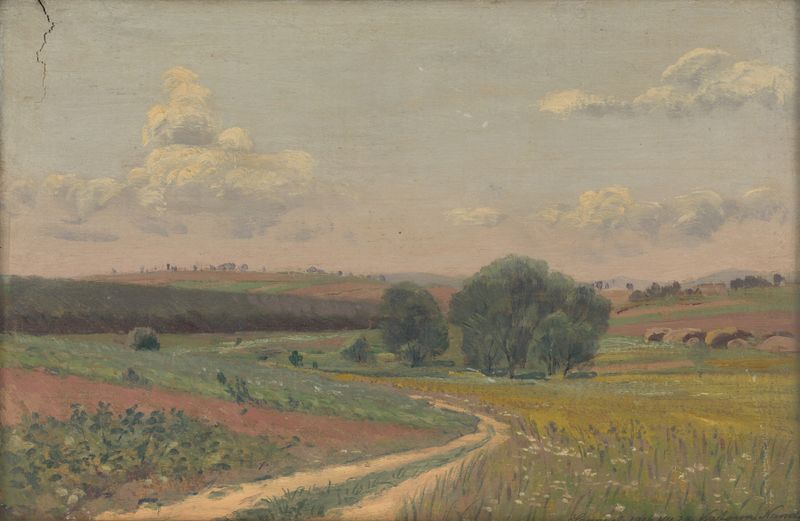
Landscape with a dirt road
Ferdinand Katona
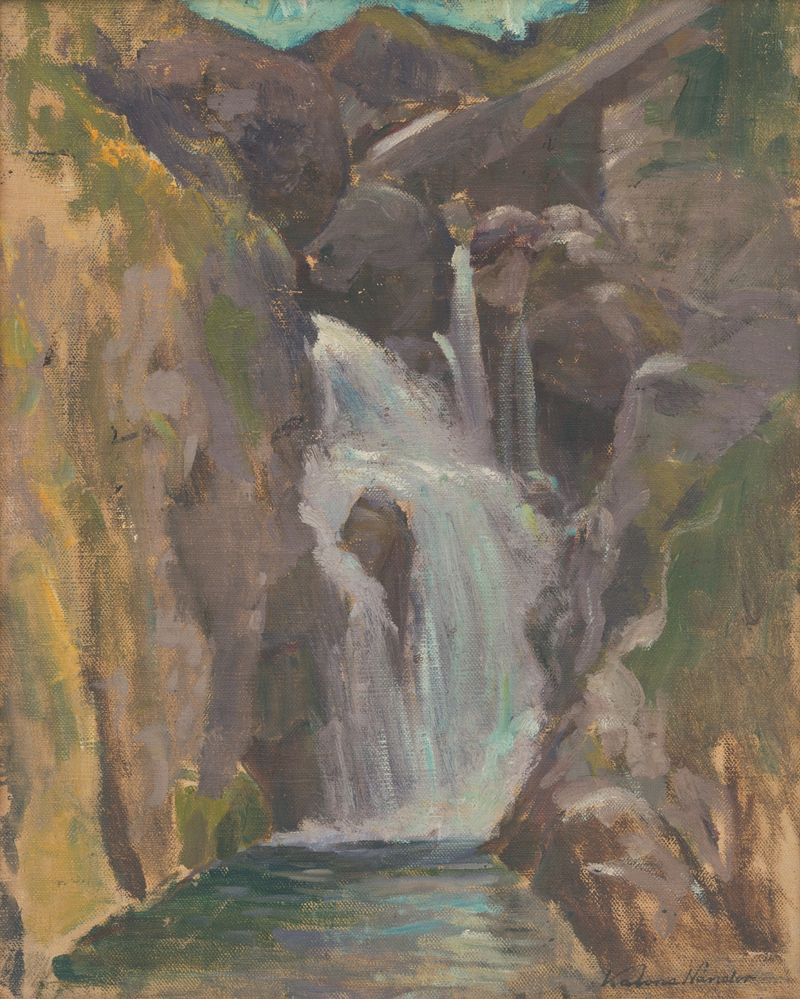
Waterfall
Ferdinand Katona
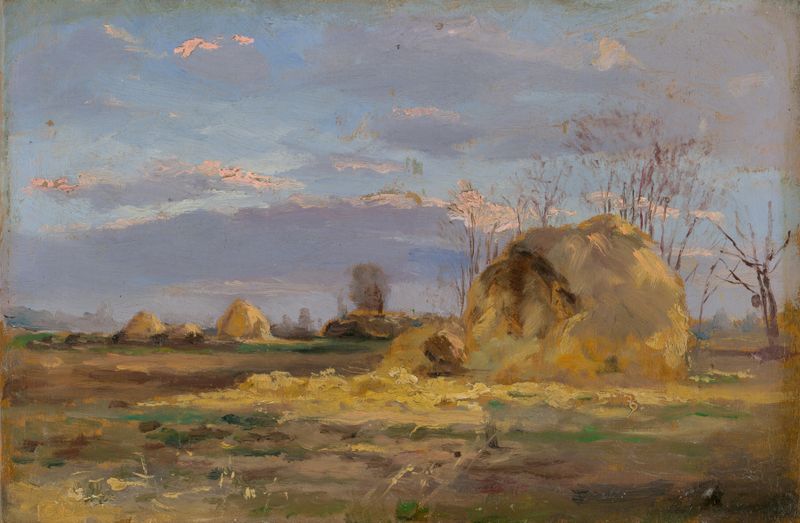
Autumn Landscape with Trees
Ferdinand Katona
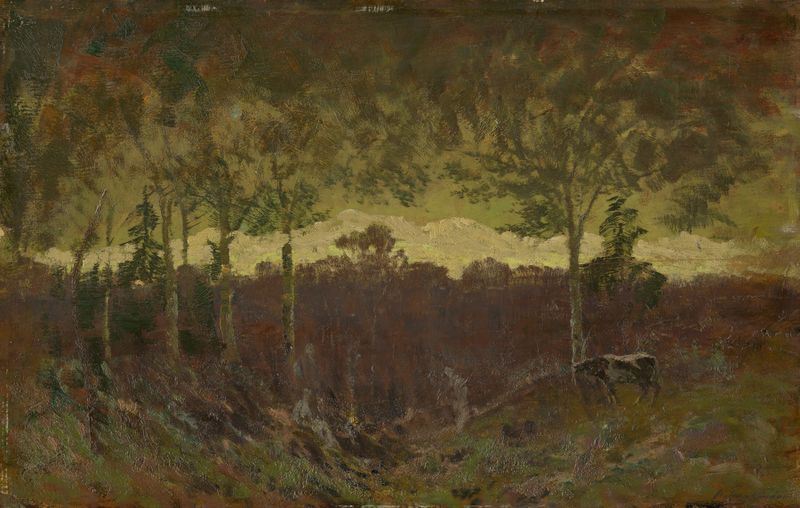
Early Evening Tatras Landscape
Ferdinand Katona
View of the High Tatras
Ferdinand Katona
Early Spring
Ferdinand Katona





