Winter Scene — History & Facts
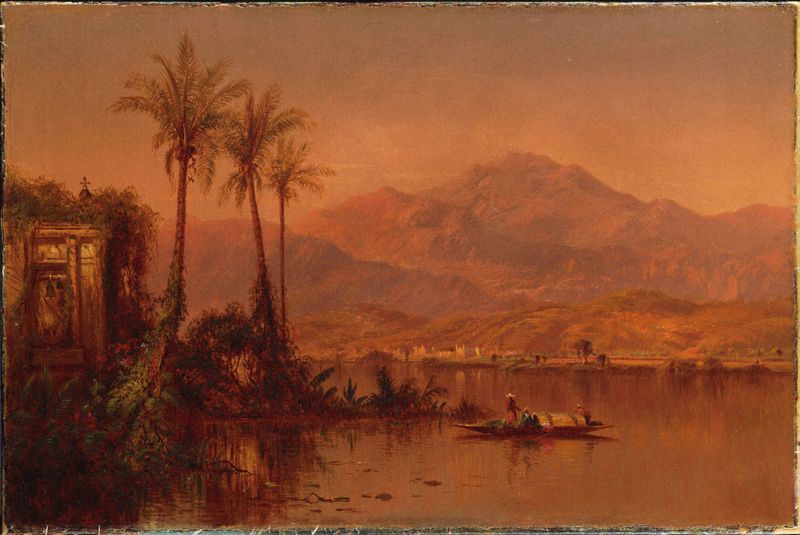
In the quiet embrace of a winter scene, the hues of white and blue extend beyond the canvas, whispering the fragility of existence amidst the cold. Focus on the foreground where delicate, frosted branches stretch towards an expanse of snow. The subtle play of light on the untouched surface creates an illusion of depth, inviting you to step into this serene yet stark vista. Notice how the cool palette evokes a sense of silence, encapsulating the stillness of a world draped in winter's grasp.
The soft, muted tones draw attention to the gentle curves of the landscape, leading the eye to the horizon where the sky brushes against the earth, merging seamlessly in a haze. Yet, beneath this serene facade lies a poignant commentary on mortality. The starkness of the winter depicts not just a season but the inevitable passage of time, reminding viewers of life’s impermanence. The solitary trees, stripped bare, stand as silent witnesses to nature's cycle, embodying resilience despite their vulnerability.
Each fallen snowflake symbolizes a fleeting moment, encapsulating both beauty and the eventual decay that follows. In 1856, Winter Scene emerged from the hands of Louis Remy Mignot during a period marked by the Romantic movement's exploration of nature and emotion. Living in America yet influenced by European art, Mignot captured this moment while grappling with the themes of transience, resonating with a world transitioning into the modern era, where nature's beauty was both revered and threatened.