
Winter scene — History & Facts
Can paint confess what words never could? In Winter Scene, the chill of the season whispers through every brushstroke, inviting contemplation of the dreams lingering beneath the surface of the snow. Focus on the sprawling expanse of the canvas, where the soft whites of snow blanket the ground, interrupted only by the delicate silhouettes of bare trees. Notice how the light diffuses across the scene, casting a gentle glow that hints at the warmth of a hidden fire, while the shadows dance in retreat. The subtle play of color, from the cool blues and grays to the warm browns of the distant cottages, creates a sense of harmony, drawing the viewer into this tranquil, frozen world. Yet, beneath the serene exterior, tensions brew.
The solitary figures in the foreground, wrapped tightly against the cold, suggest an isolation that contrasts sharply with the village nestled in the distance. A cloaked traveler hunches against the wind, embodying the struggle against nature’s harsh embrace, while the distant smoke rising from chimneys offers a flicker of hope amidst the winter's grasp. This juxtaposition of solitude and community resonates deeply, inviting reflections on human resilience in the face of adversity. Barend Cornelis Koekkoek painted Winter Scene in 1831, during a time when Romanticism was gaining momentum in the art world.
Living in the Netherlands, he was part of a movement that revered nature, often seeking to express human emotions and experiences through the landscapes he portrayed. His work reflects a growing interest in capturing the sublime beauty of the natural world, responding to the period's tumultuous societal changes with a desire for connection and introspection.
More Artworks by Barend Cornelis Koekkoek
Browse all →
Italian Landscape
Barend Cornelis Koekkoek
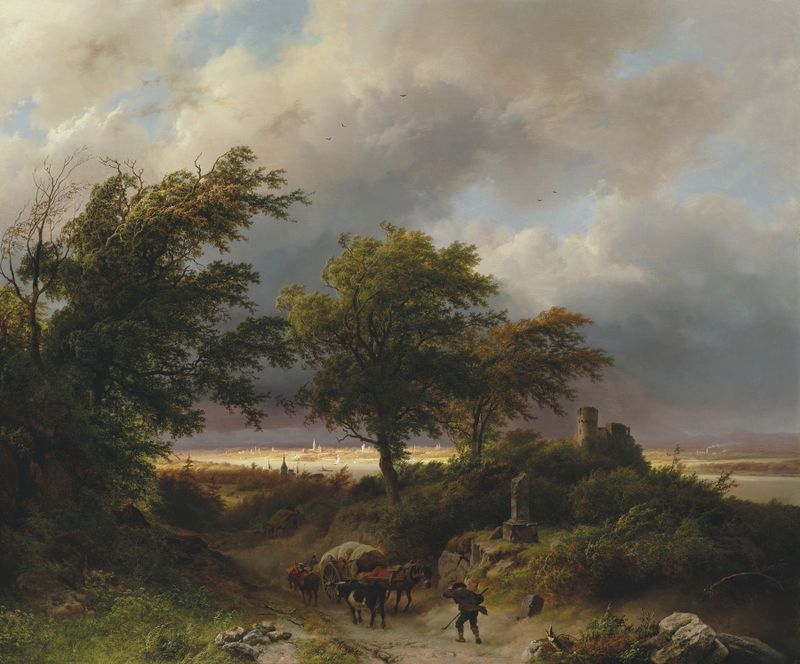
A wooded landscape
Barend Cornelis Koekkoek

Panoramalandschaft am Mittelrhein
Barend Cornelis Koekkoek
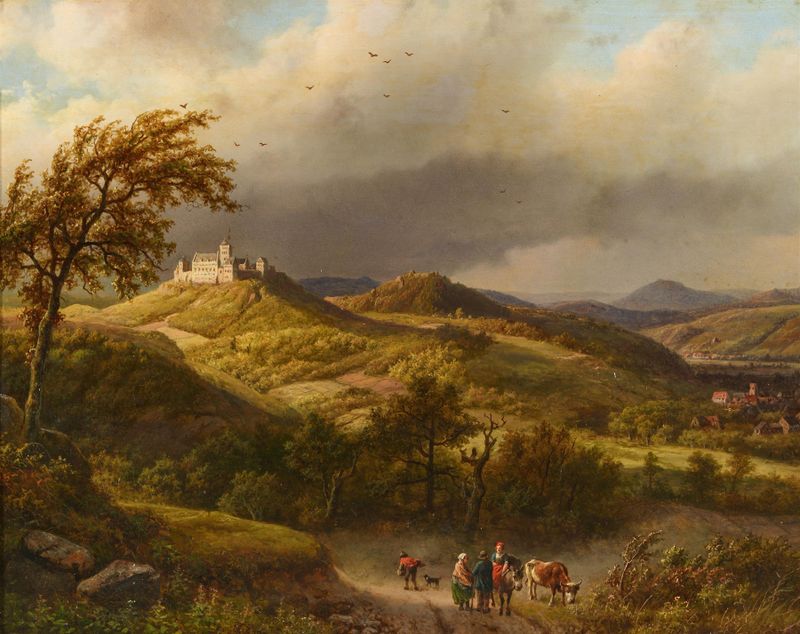
Die Wartburg bei Eisenach
Barend Cornelis Koekkoek
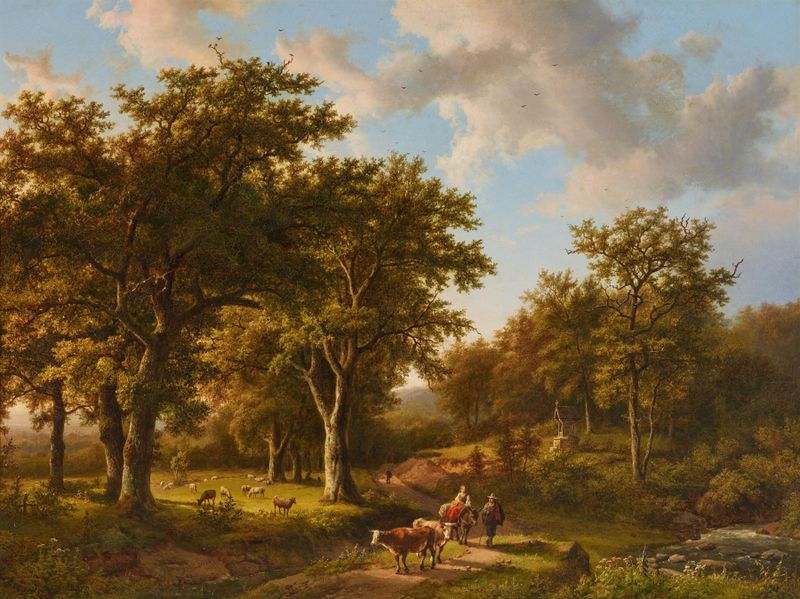
Waldlandschaft mit Hirten und Vieh
Barend Cornelis Koekkoek
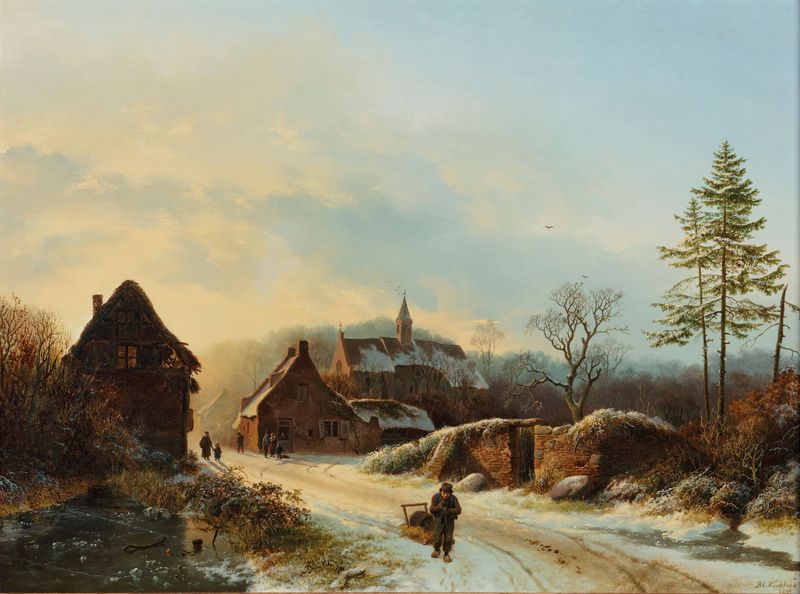
A winter’s day
Barend Cornelis Koekkoek

Travellers On A Road
Barend Cornelis Koekkoek
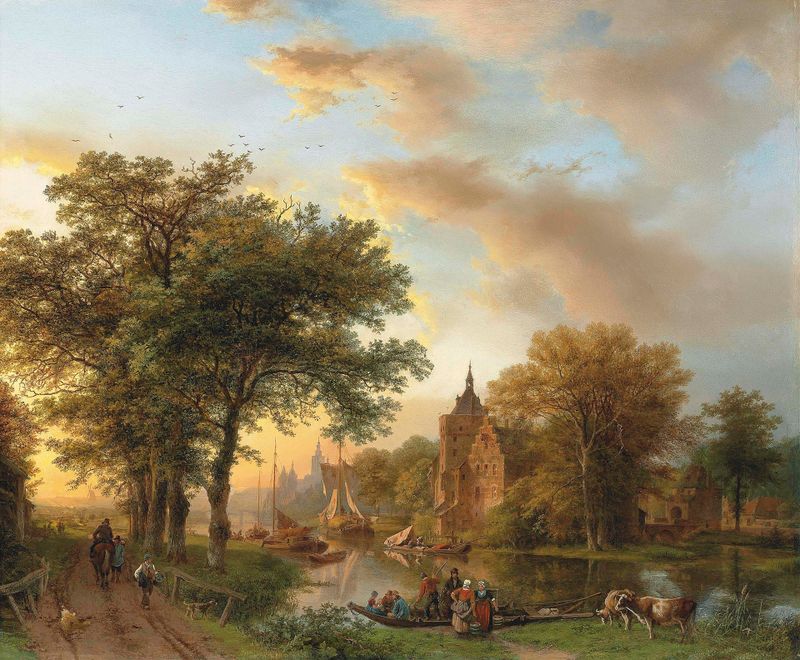
A River Landscape in Holland at Sunset
Barend Cornelis Koekkoek

A panoramic landscape with a view on the Middle-Rhine with a castle
Barend Cornelis Koekkoek
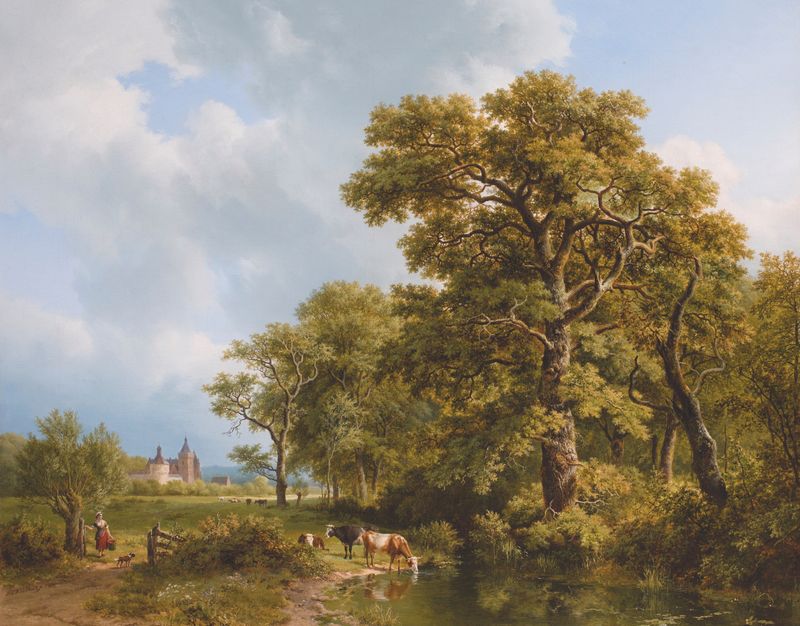
A Summer Landscape With cows Watering, A Castle In The Distance
Barend Cornelis Koekkoek





