
Winterlandscape Near Maloja — History & Facts
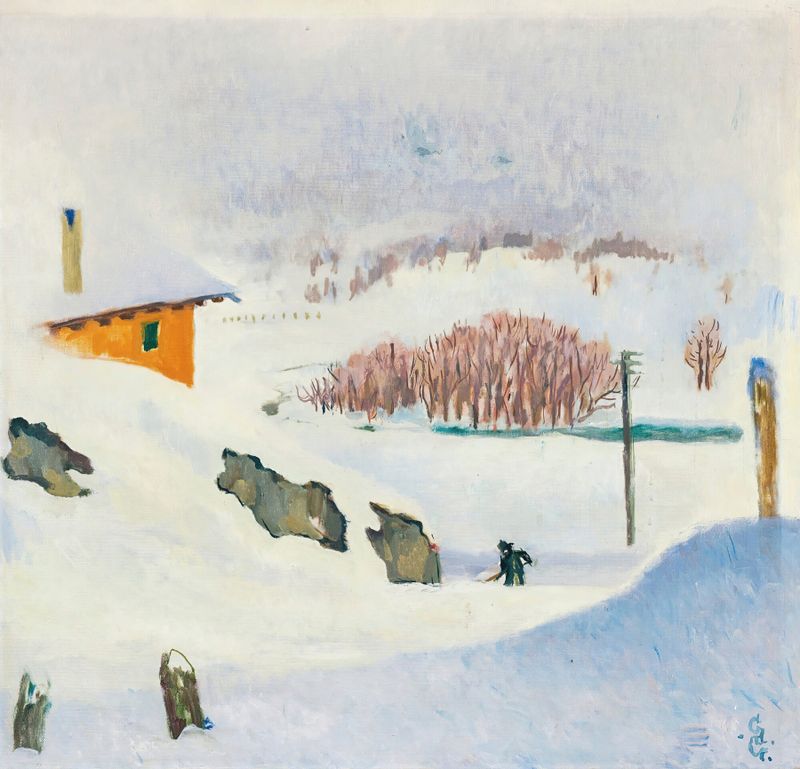
Can beauty exist without sorrow? In Winterlandscape Near Maloja, the stark contrast between the serene landscape and the underlying chill of winter seems to echo this profound question, inviting contemplation on the nature of existence itself. Look to the sweeping hills in the background, where soft blues and whites blend seamlessly together, evoking a tranquil yet haunting atmosphere. The foreground dazzles with untouched snow, each flake rendered with delicate precision, while slender trees rise like sentinels against the weight of the cold sky. Notice how the interplay of light and shadow creates a sense of depth, drawing your eye deeper into the composition, making the viewer feel as if they are stepping into a moment suspended in time. Hidden within the canvas lies a tension between isolation and tranquility.
The snow, while beautiful, speaks to the desolation of winter, reminding us of solitude and the quiet despair that can accompany such landscapes. The gentle curves of the hills, however, suggest hope and the possibility of renewal, much like the cycle of seasons that defines our own existence. This duality embodies a transcendence that resonates with the viewer, instilling both comfort and a lingering sense of melancholy. In 1927, Giovanni Giacometti painted this piece in Maloja, Switzerland, amid a burgeoning modernist movement that sought to capture emotional resonance in the natural world.
At this time, he was deeply influenced by the Symbolist and Impressionist styles, reflecting a desire to convey the poetic essence of landscapes. The artist's focus on the interplay of light and color not only defined his work but also marked a significant moment in the evolution of landscape painting.
More Artworks by Giovanni Giacometti
Browse all →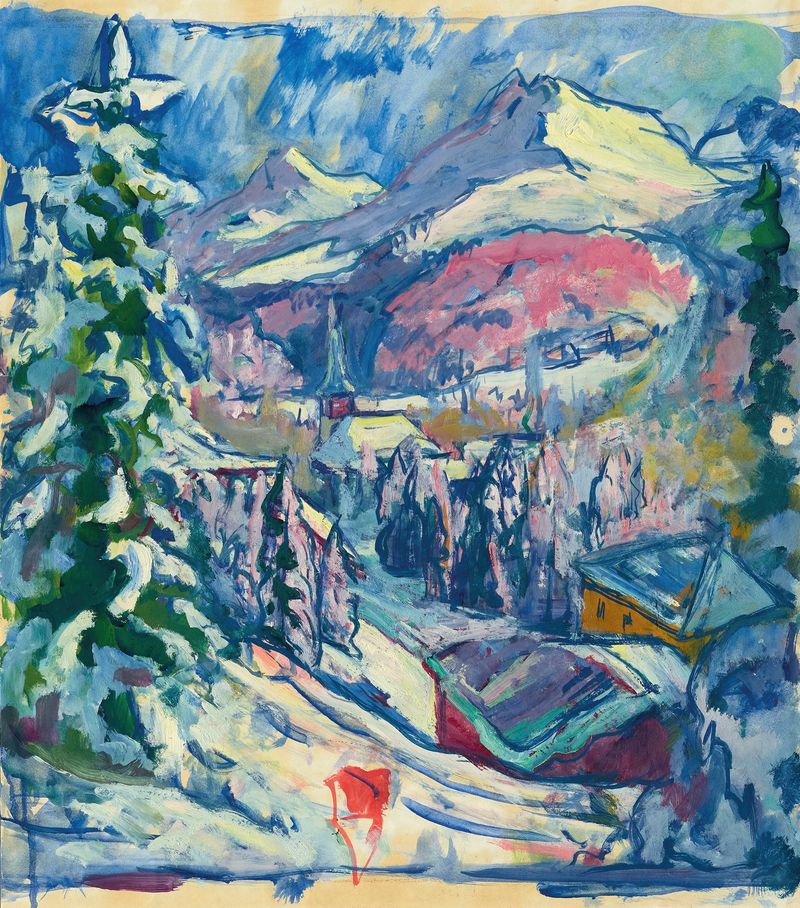
Davos im Winter
Giovanni Giacometti
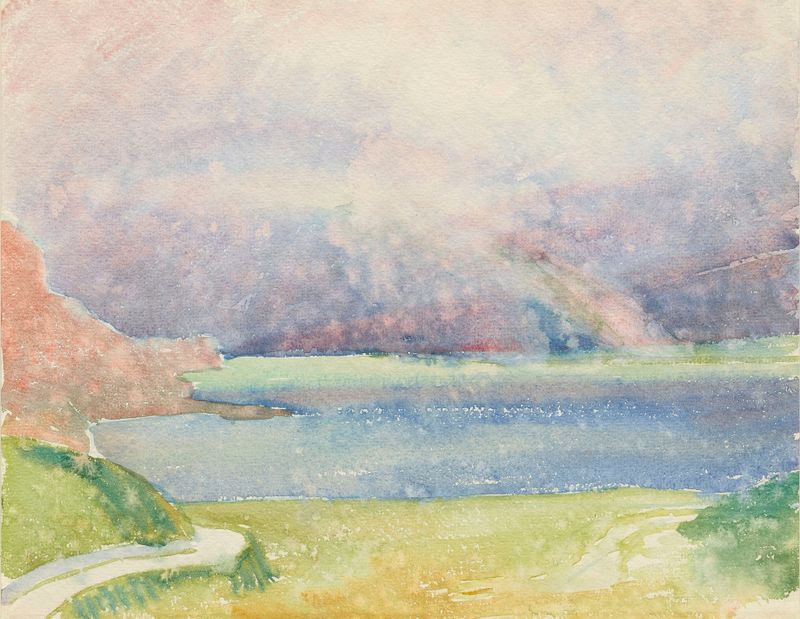
Blick von Maloja auf den Silsersee mit Regenbogen
Giovanni Giacometti
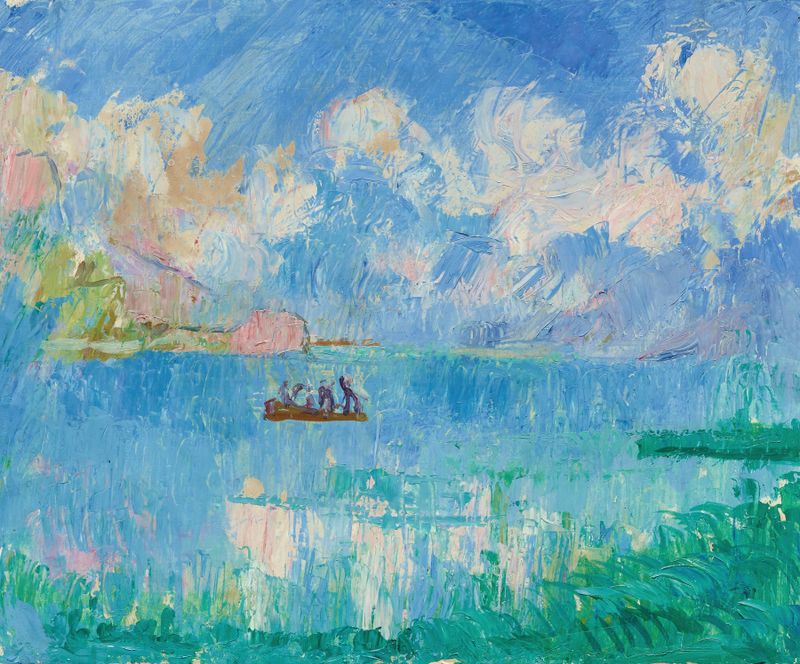
i Pescatori
Giovanni Giacometti
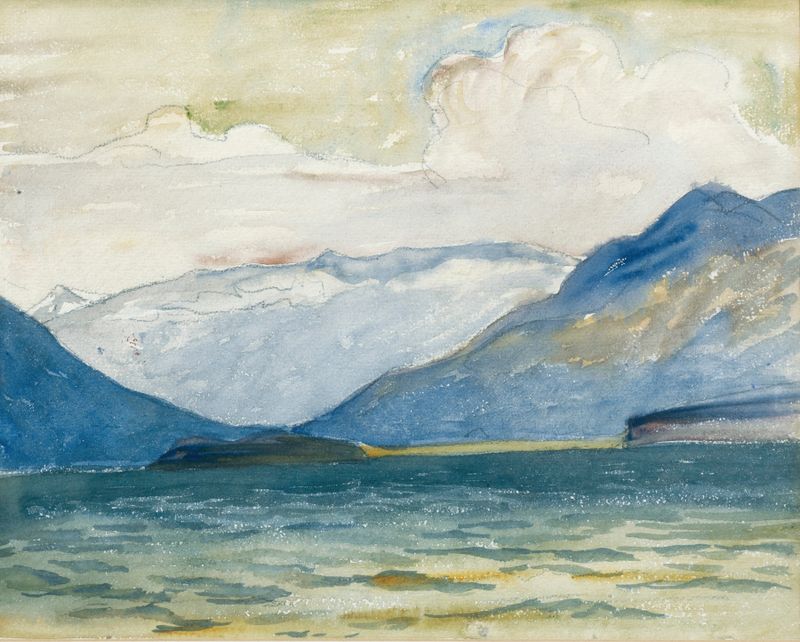
View From Plaun Da Lej Towards Chasté Peninsula
Giovanni Giacometti
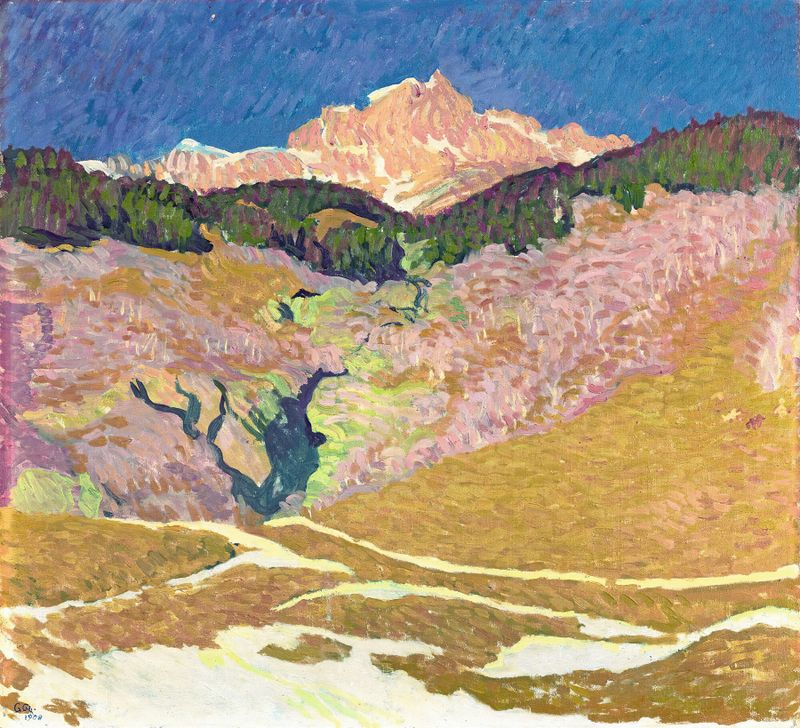
Piz Duan
Giovanni Giacometti
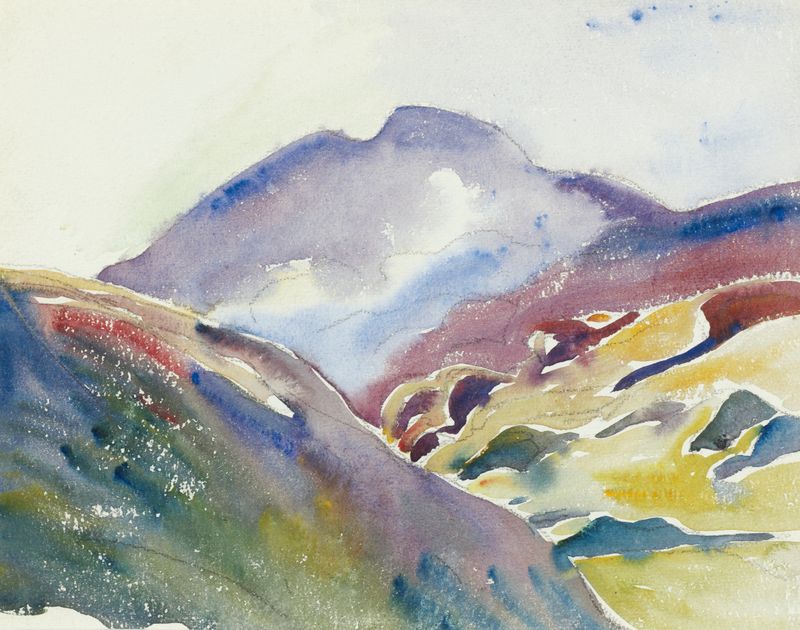
Alpine Landscape
Giovanni Giacometti
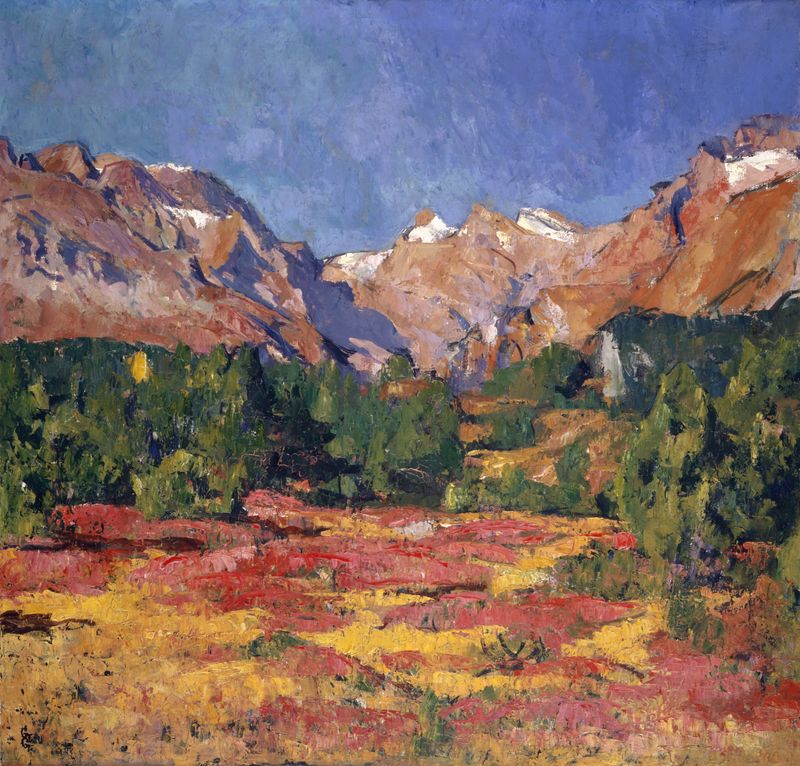
Autumn Landscape (Maroz Valley With Piz Duan And Gletscherhorn)
Giovanni Giacometti
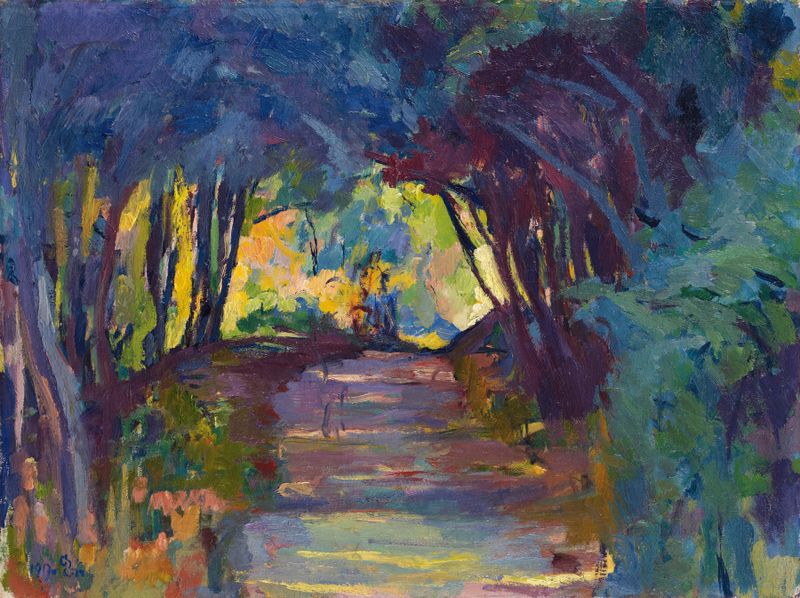
Forest Track
Giovanni Giacometti
Maloja
Giovanni Giacometti
Inverno
Giovanni Giacometti





