
Winterlandschaft mit gefrorenem Kanal — History & Facts
Could beauty survive in a century of chaos? In Winterlandschaft mit gefrorenem Kanal, a serene winter landscape unfurls, inviting contemplation amidst the turbulence of the 19th century. Look to the foreground where the frozen canal draws your gaze, flanked by delicate trees dusted with snow. Notice how the cool blues and whites blend seamlessly, evoking a tranquil stillness. The gentle strokes suggest movement in the air, as if the chill of winter whispers through the scene.
This composed palette and careful arrangement create a harmonious balance between nature and stillness, guiding the viewer’s eye deeper into the landscape. As you delve further into the painting, the contrasts emerge—between the rigid ice and the soft curves of snow-laden branches, between the starkness of winter and the hint of life it sustains. These elements speak to a desire for resilience amid the cold, reflecting a silent yearning for warmth and connection. The figures in the distance, seemingly small against the vastness of the landscape, embody human vulnerability, imbued with hope despite their isolation. Frederik Marinus Kruseman painted this work in the winter of 1860, during a period marked by significant shifts in Dutch art and society.
As the art world leaned towards realism, Kruseman, rooted in Romanticism, sought to express emotion through nature. This moment in his career resonates with the broader cultural currents of the time, blending the serene beauty of landscape painting with an underlying desire for stability in an increasingly chaotic world.
More Artworks by Frederik Marinus Kruseman
Browse all →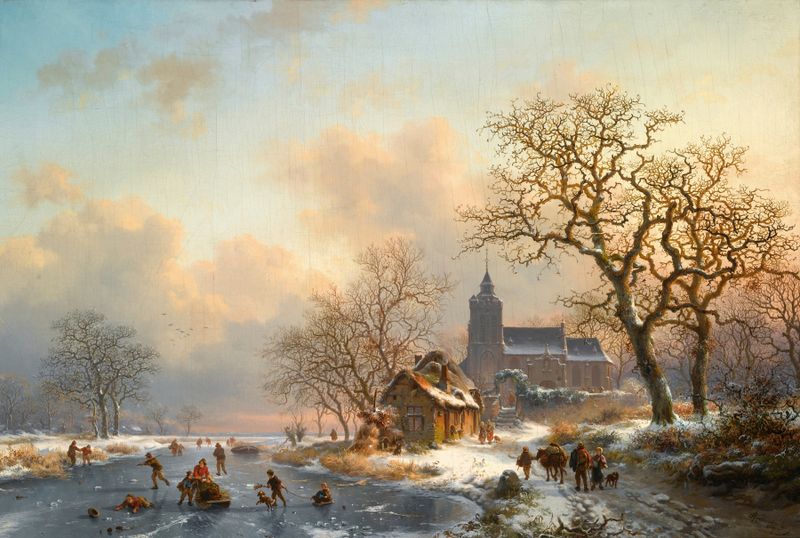
A Winter Landscape With Skaters On A Frozen River
Frederik Marinus Kruseman

Winter Landscape With Strollers And Skaters
Frederik Marinus Kruseman

Monk Meditating near a Ruin by Moonlight
Frederik Marinus Kruseman
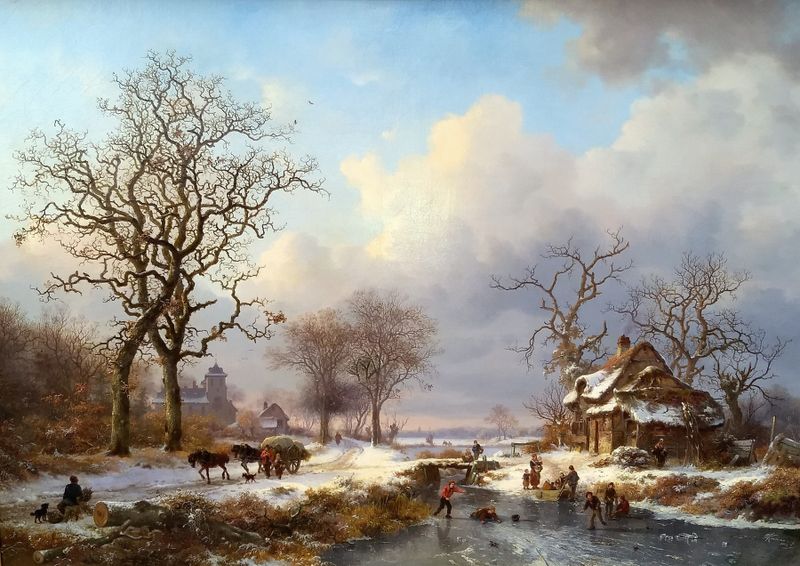
Dutch Winter Landscape with Skaters
Frederik Marinus Kruseman

Winter landscape with figures on a frozen river
Frederik Marinus Kruseman
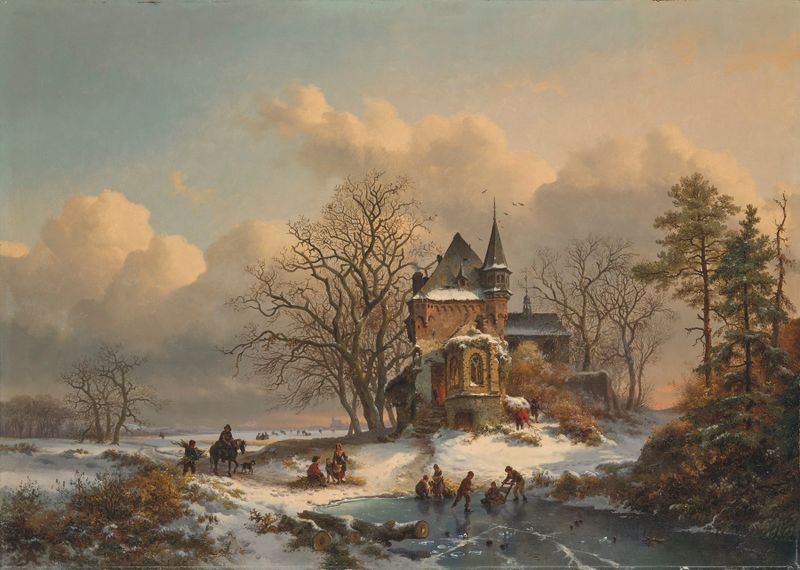
Winter landscape with skaters
Frederik Marinus Kruseman
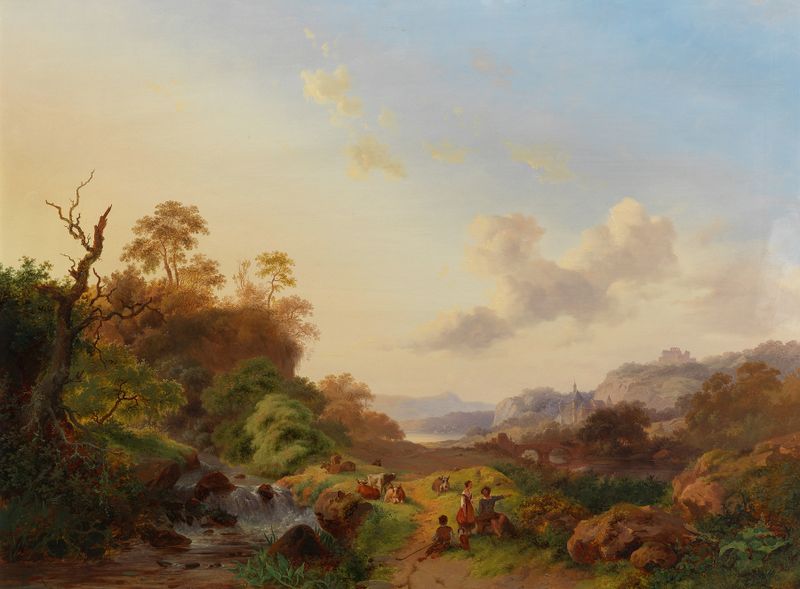
Summer landscape with figures and cattle near a waterfall
Frederik Marinus Kruseman
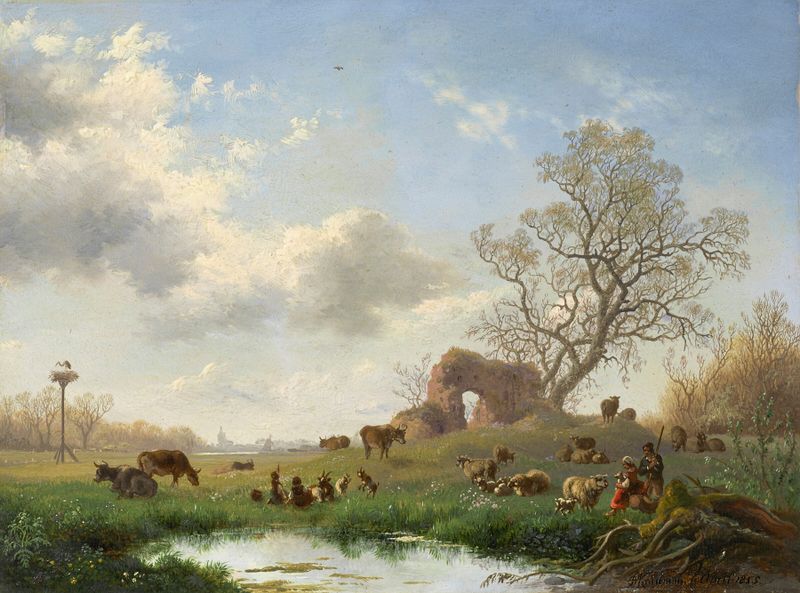
April
Frederik Marinus Kruseman
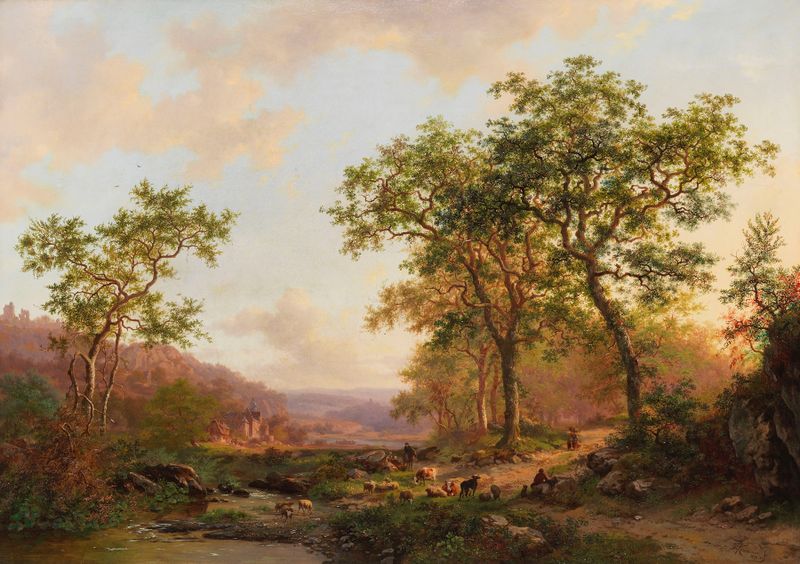
Weite Landschaft im Abendlicht
Frederik Marinus Kruseman
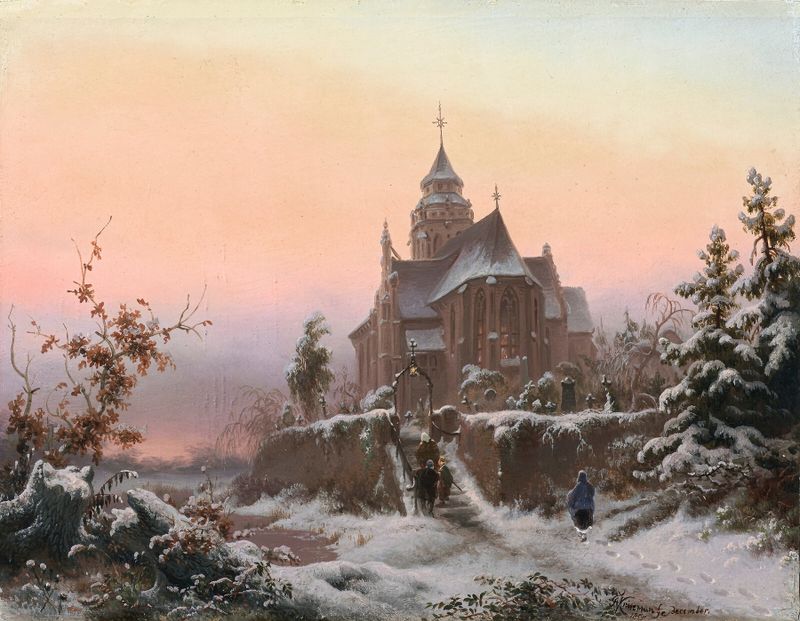
December
Frederik Marinus Kruseman





