
Winter’s Day at Uggleviken — History & Facts
In the quiet stillness of winter, the world becomes a canvas where memories and emotions intermingle, illuminated by nature's touch. Look closely at the foreground, where the soft, powdery snow blankets the ground, its delicate texture captured in gentle, swirling strokes. Notice how the muted palette of whites and grays sets a serene atmosphere, where the trees stand sentinel, their dark bark contrasting sharply against the frosty backdrop. The cool light filters through the branches, casting a luminous glow that dances across the water's surface, inviting the viewer to explore its tranquil depths. Deeper insights emerge in the interaction of light and shadow; the painting suggests a fleeting moment in time, evoking both solitude and reflection.
The scattered figures, tiny against the vastness of the landscape, symbolize the insignificance of humanity within the grandeur of nature. Each detail, from the way a figure leans against a tree to the subtle ripples on the frozen lake, serves as a reminder of the delicate balance between stillness and movement, isolation and connection. In the early 1900s, the artist found himself amidst an evolving art scene in Sweden, where the influence of impressionism was reshaping traditional landscapes. Winter’s Day at Uggleviken was created during a period of introspection, as Nordström grappled with his path as an artist and the emerging styles of his contemporaries.
The painting not only reflects the serene beauty of a winter day but also encapsulates the artist's own journey of creation within the natural world.
More Artworks by Karl Nordström
Browse all →
Kyrkesund
Karl Nordström
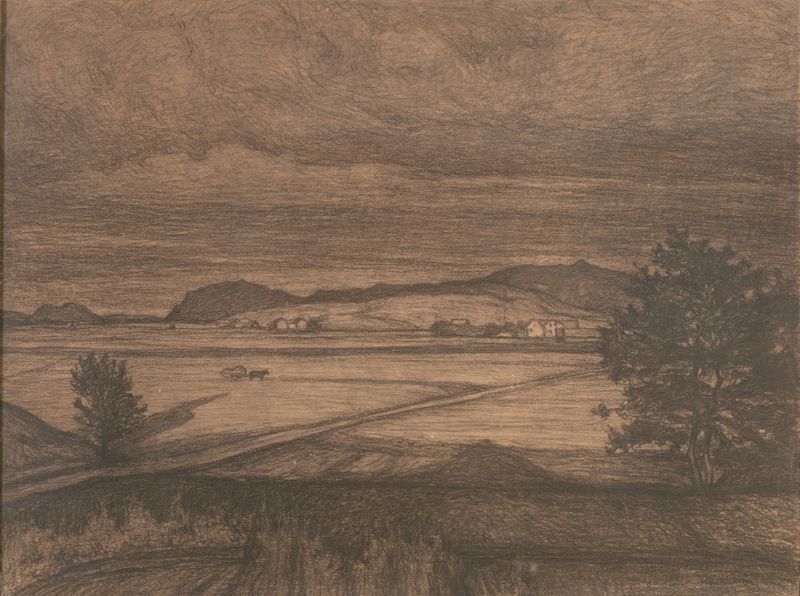
Högadal on Tjörn
Karl Nordström

Scene from Tjörn
Karl Nordström

The Surf
Karl Nordström
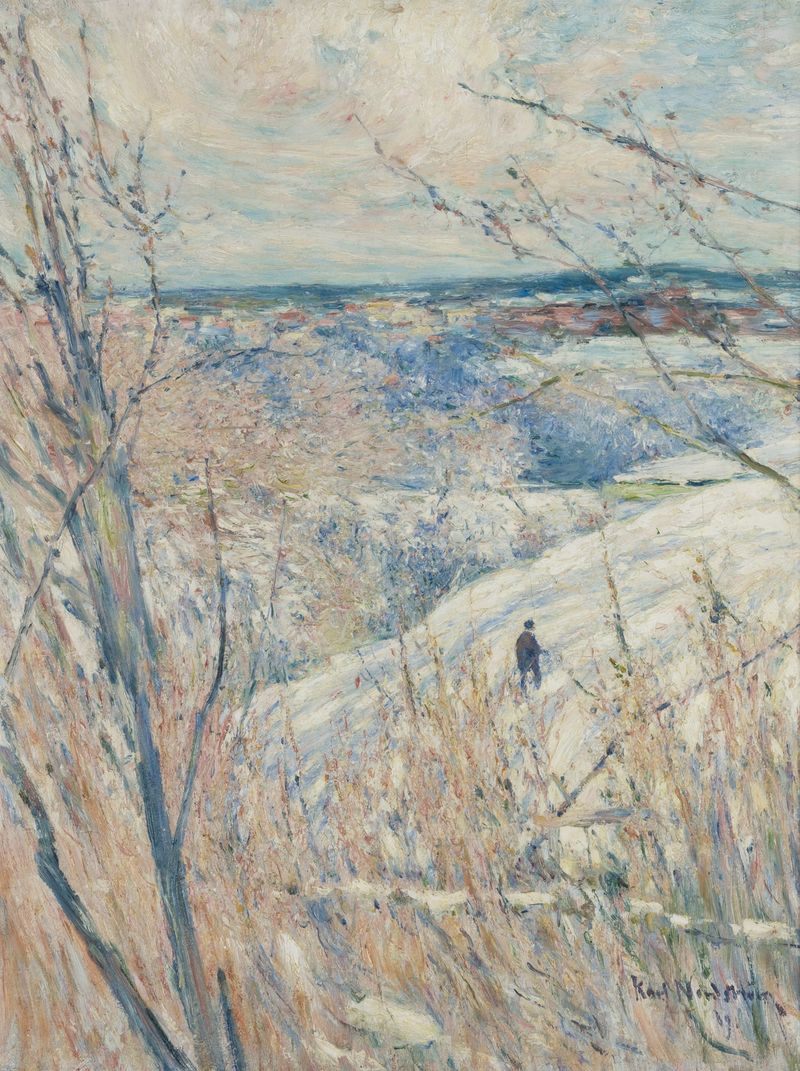
Winter
Karl Nordström

Fishing Boat
Karl Nordström

Hoga Valley, Tjörn
Karl Nordström

Roslag Street, Stockholm
Karl Nordström
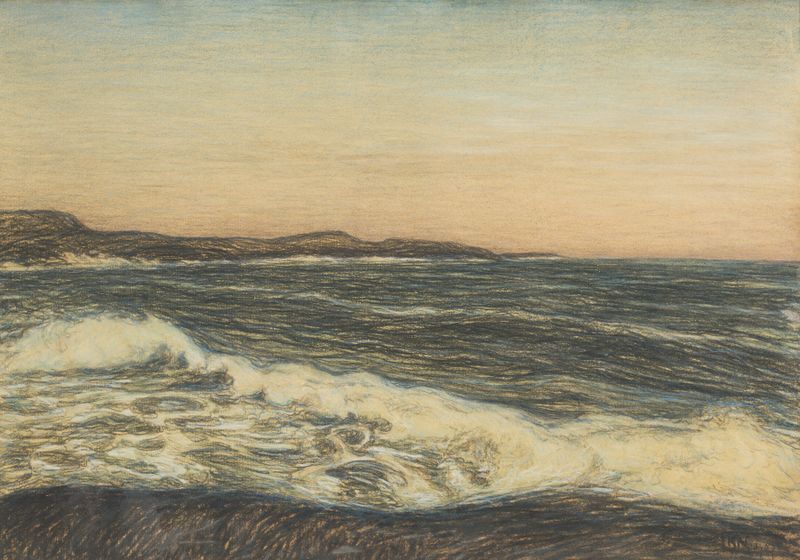
Seashore and Ground-Swell
Karl Nordström
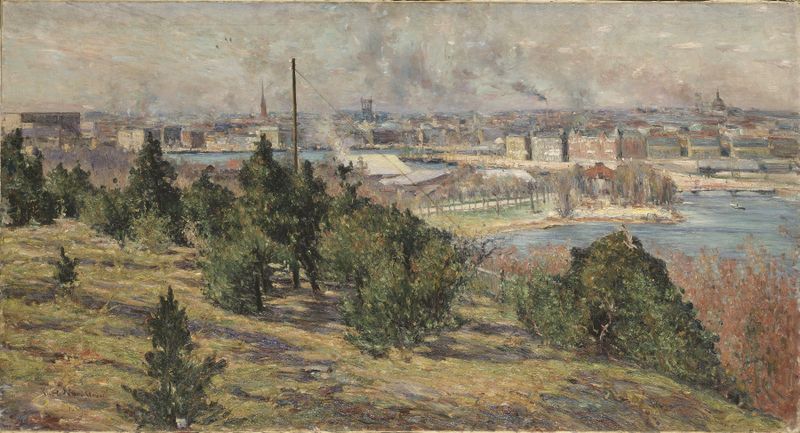
View of Stockholm from Skansen
Karl Nordström





