
Wirtschaftsgesetz: Nein — History & Facts
A towering figure in green, wielding a saber from which a single beer stein dangles just out of reach, dominates the scene in Wirtschaftsgesetz: Nein by Otto Plattner. The eye is drawn immediately to the desperate stretch of the workers’ arms, their faces twisted in longing and frustration, as they reach for the unreachable prize. Below, another group is locked in a different struggle: a smaller, tight-lipped man in a green cap hands over a bulging sack labeled "6000" to a sly, black-clad figure, who clutches a document marked "Wirtschaftspatent Frs.
6000". The palette is stark and satirical—greens, blacks, and reds—heightening the sense of caricature and injustice. The exaggerated scale of the oppressors, looming above the workers, makes the imbalance of power inescapable. Created in 1926, this work belongs to a moment in European history when political posters and satirical prints became potent tools of protest.
The interwar years saw artists like Plattner harnessing the language of caricature to critique economic and political systems, often for labor movements or political campaigns. Such images were designed to be instantly legible to the public, their bold forms and biting humor rallying support or opposition to proposed laws and policies. While little is recorded about the journey or commission of this particular piece, its inclusion in a self-scanned collection allows us to glimpse the anxieties and resistance of its time.
The longer you look, the more the image reveals about the machinery of power—and the cost of reaching for what is withheld.
More Artworks by Otto Plattner
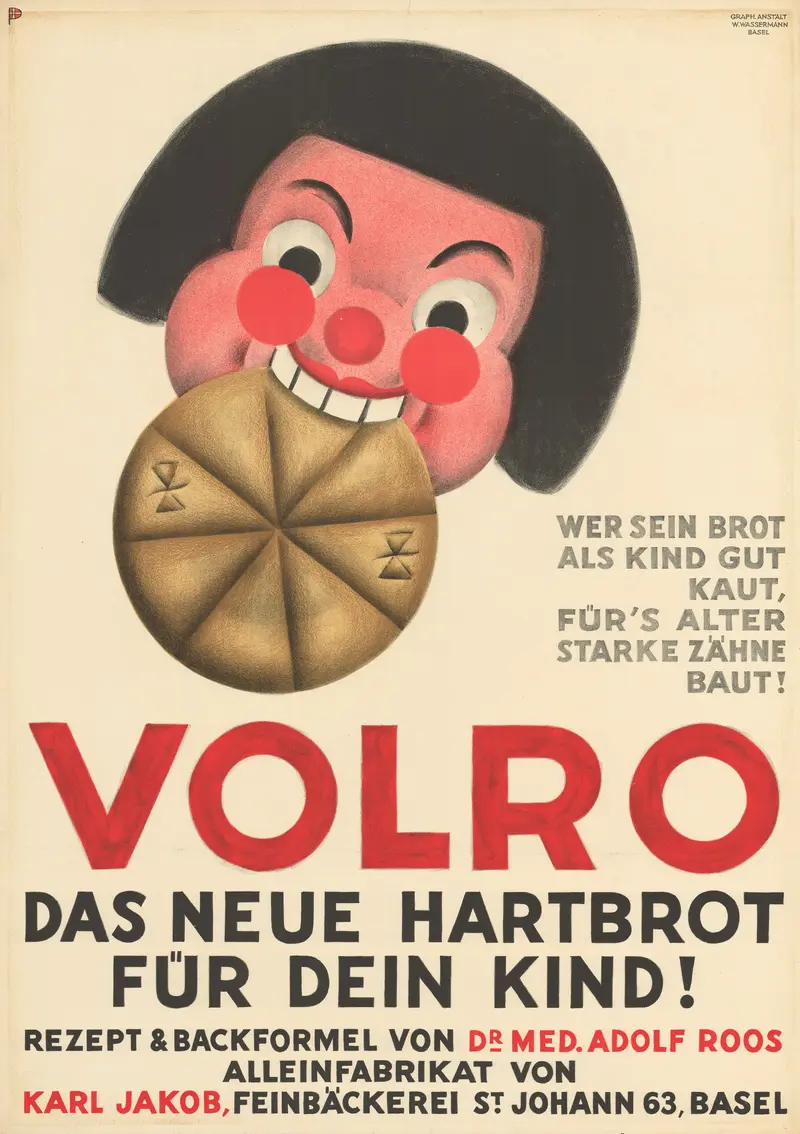
Volro – Das neue Hartbrot für dein Kind
Otto Plattner
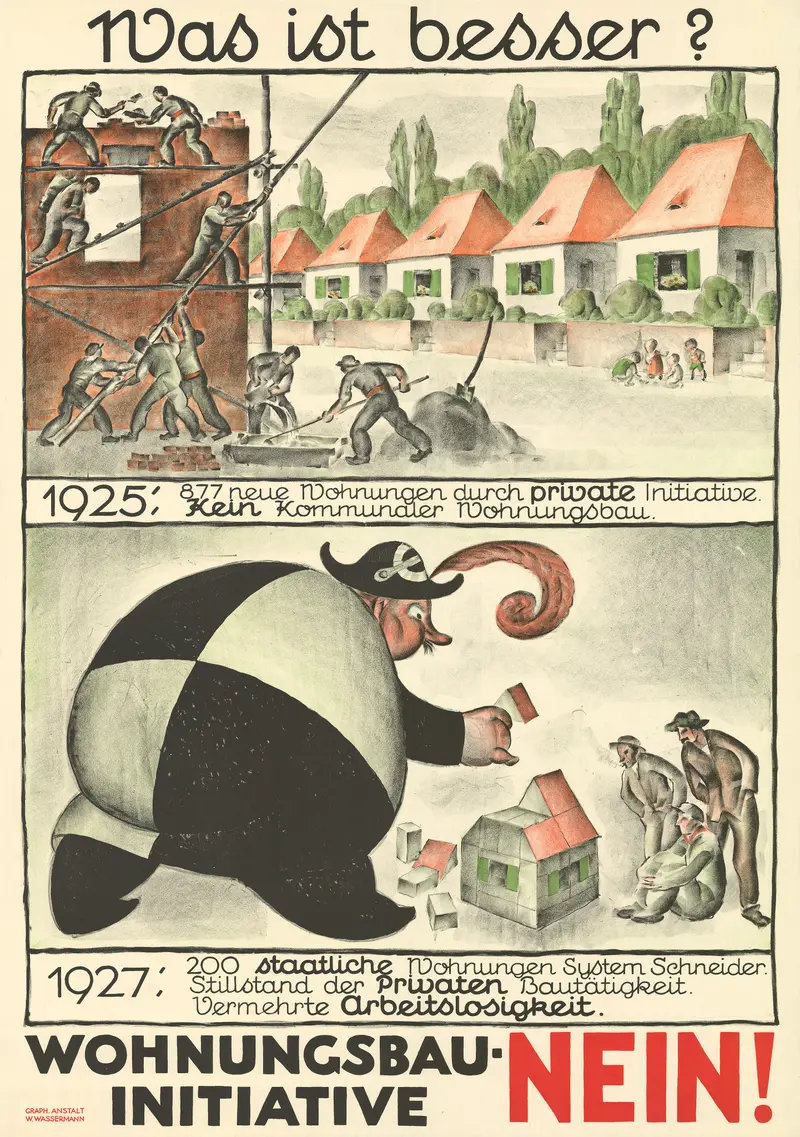
Was ist besser? – Wohnungsbau-Initiative Nein!
Otto Plattner
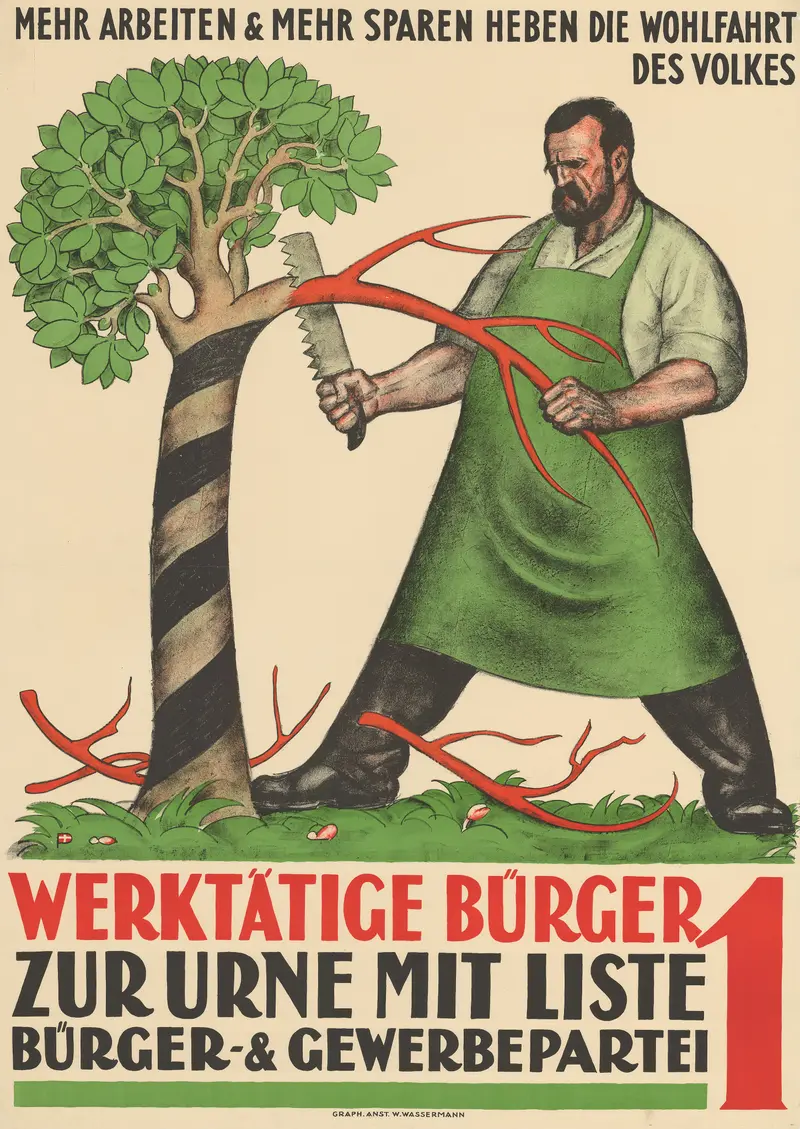
Werktätige Bürger – Zur Urne mit Liste 1 – Bürger- & Gewerbepartei
Otto Plattner
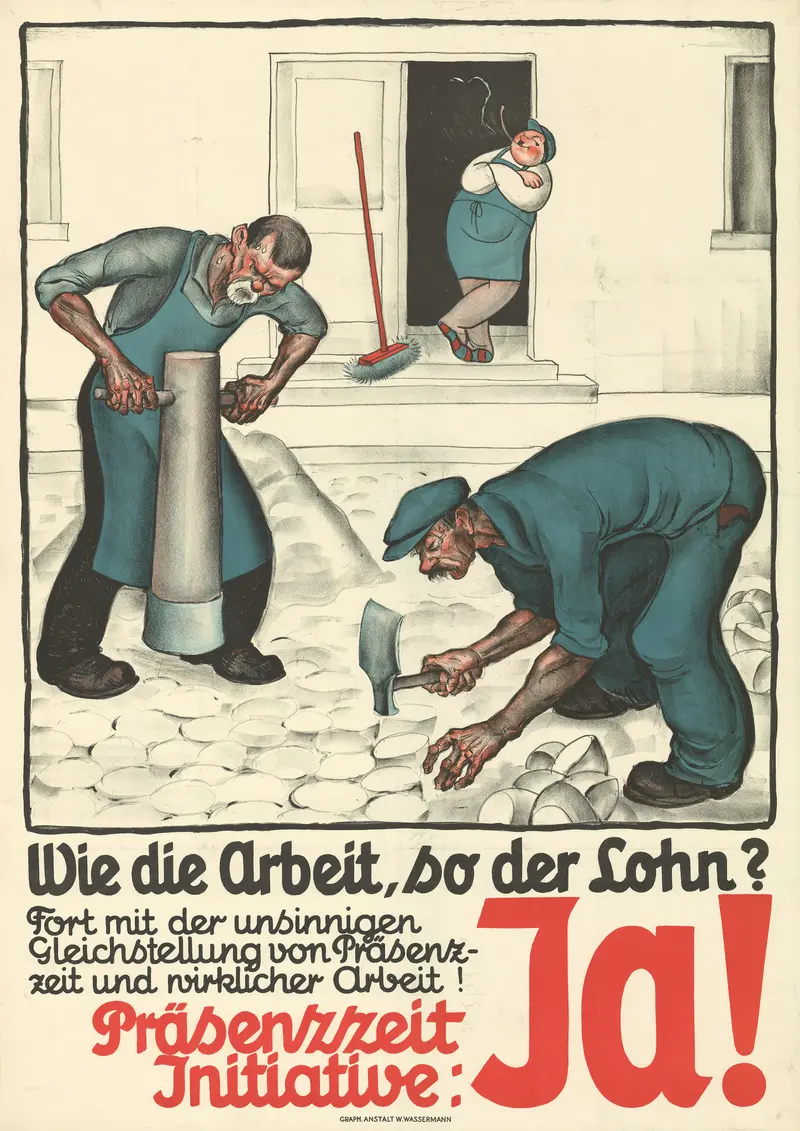
Wie die Arbeit, so der Lohn? Präsenzzeit-Initiative: Ja!
Otto Plattner

Zu den eigenen Lasten soll die Stadt auch noch die der Vororte tragen? – Wiedervereinigung Nein
Otto Plattner
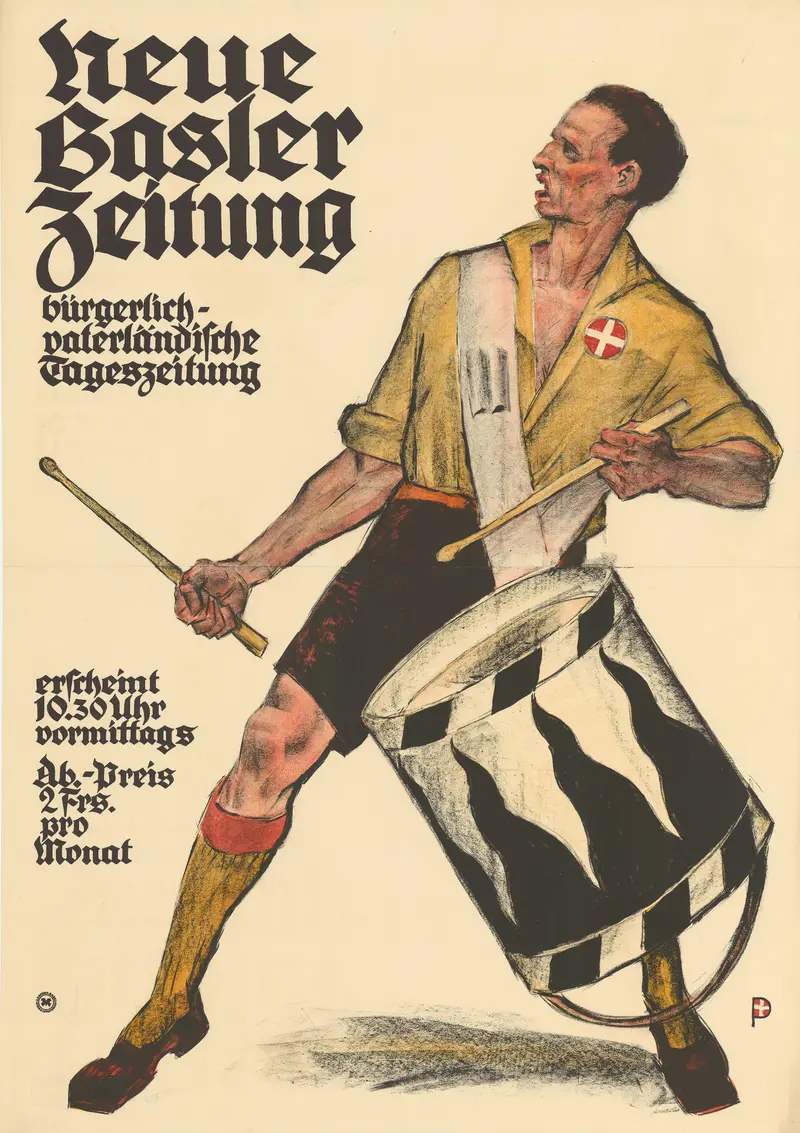
Neue Basler Zeitung
Otto Plattner
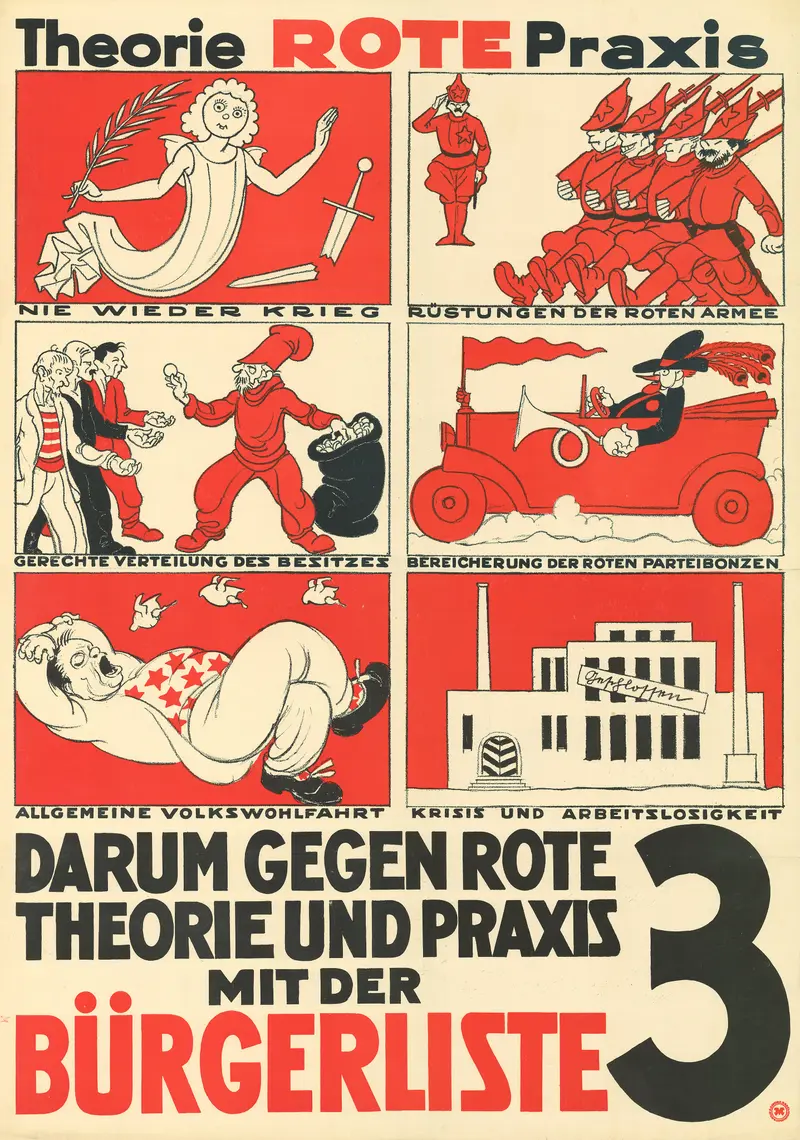
Gegen rote Theorie und Praxis – Bürgerliste 3
Otto Plattner
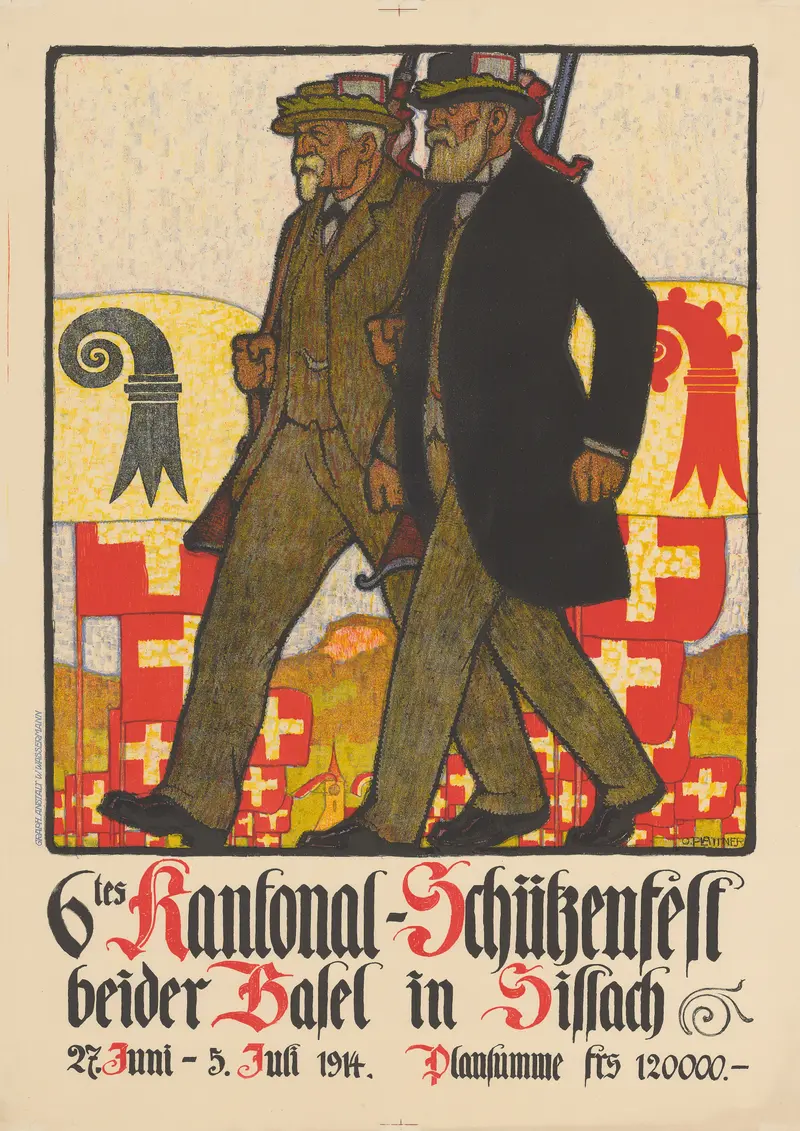
6tes Kantonal-Schützenfest beider Basel in Sissach
Otto Plattner
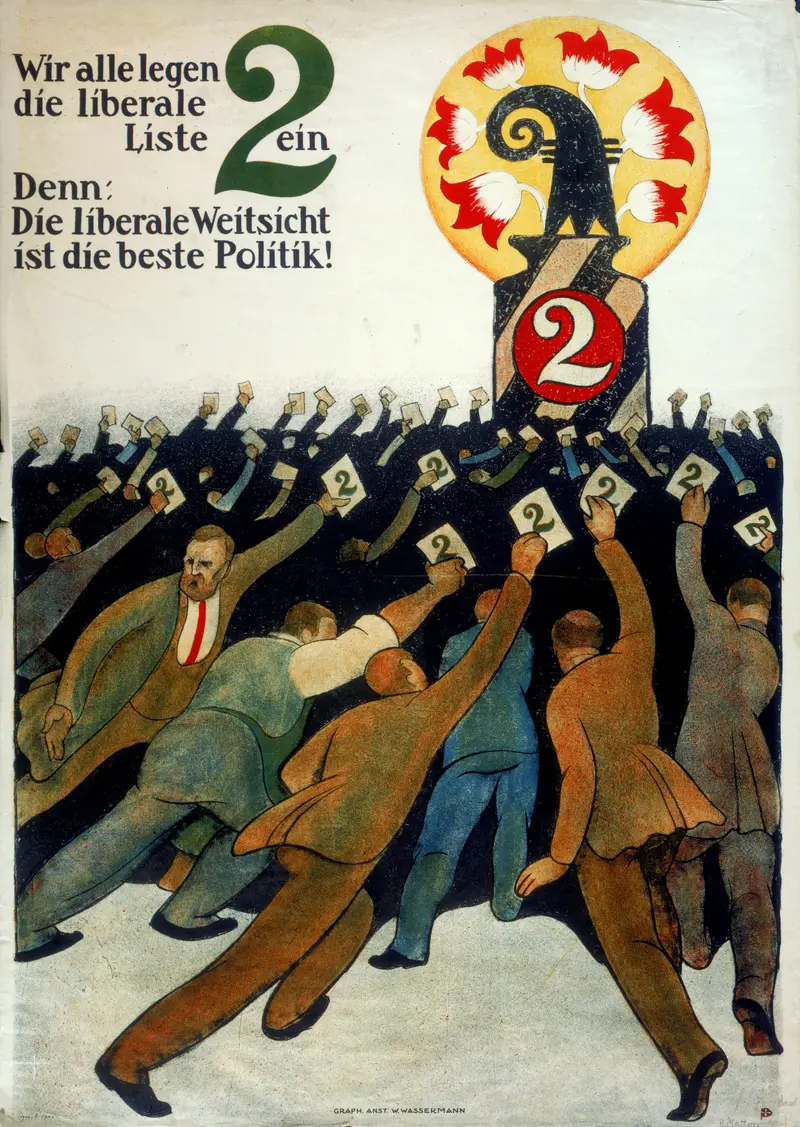
CH-NB Poster Collection SNL POL 370
Otto Plattner
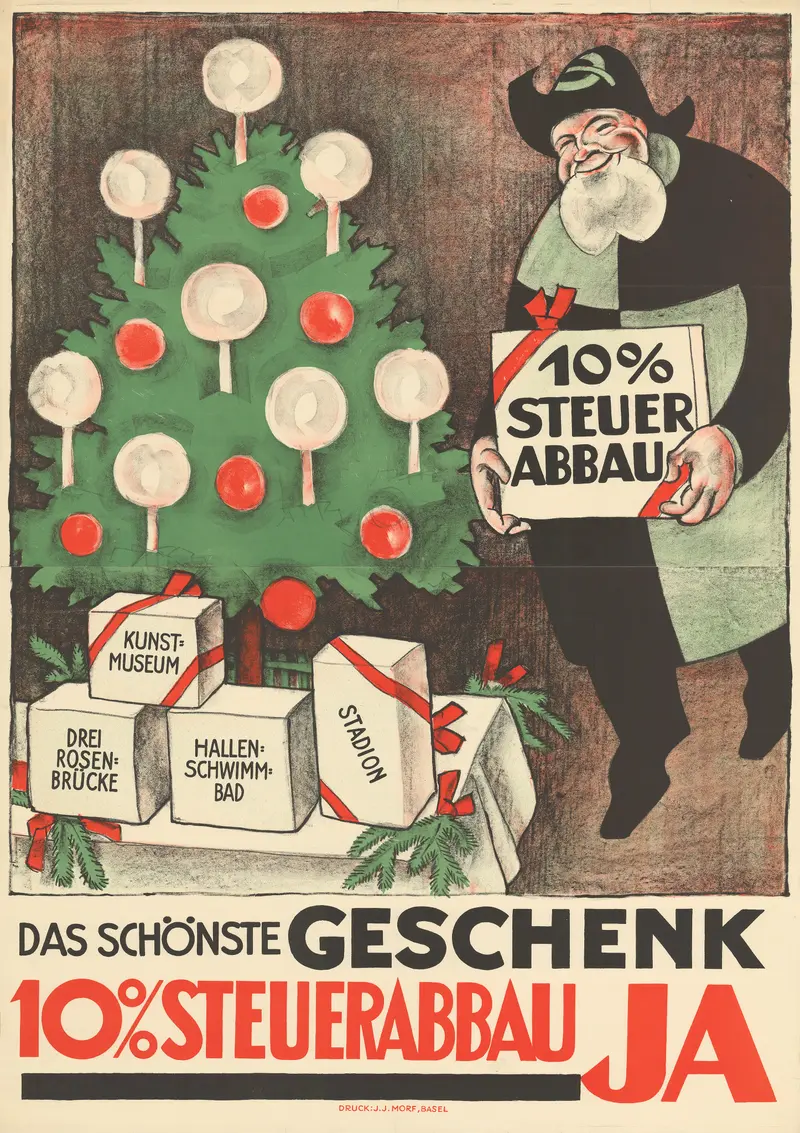
Das schönste Geschenk – 10% Steuerabbau – Ja
Otto Plattner



