
Wölfflin I — History & Facts
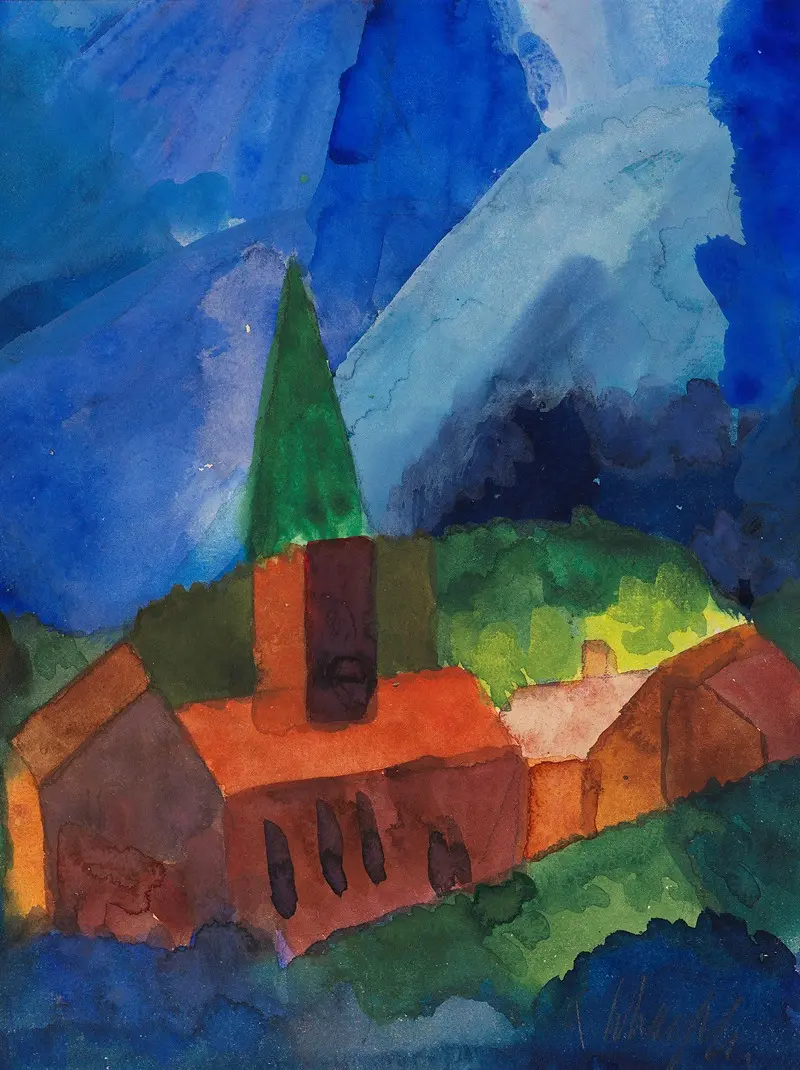
Wölfflin I by Fritz Schaefler features a dynamic interplay of colors, predominantly in shades of blue and orange. The composition is abstract, with shapes and forms that seem to dance across the canvas. There are no recognizable figures, allowing the viewer to focus on the emotional impact of the colors and forms.
The background is textured, adding depth to the overall visual experience. The painting is executed in oil on canvas, a medium that allows for rich color saturation and texture. The brushwork is expressive, with visible strokes that contribute to the painting's energy. The dimensions are approximately 100 x 80 cm, making it a substantial piece that commands attention.
The use of color and form aligns with modernist principles, emphasizing abstraction over representation. Fritz Schaefler was a notable figure in the modern art movement, known for his exploration of abstract forms. Wölfflin I reflects his interest in the emotional resonance of color and shape. An interesting fact about this work is that it was inspired by the theories of art historian Heinrich Wölfflin, particularly his ideas on the contrast between linear and painterly styles.
This connection adds a layer of depth to the understanding of the painting's composition.
More Artworks by Fritz Schaefler
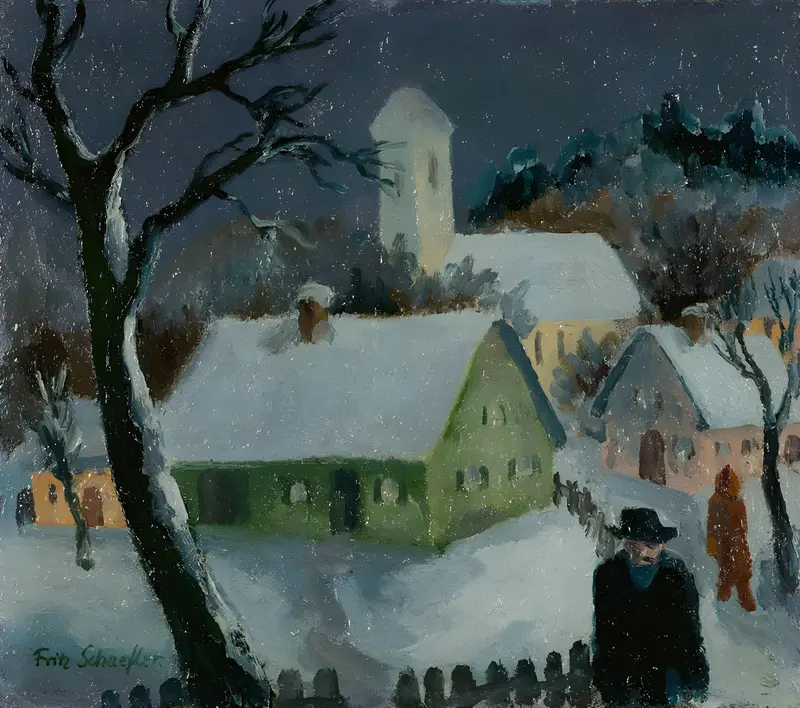
Moosach am Inn
Fritz Schaefler

Berge im Winter
Fritz Schaefler
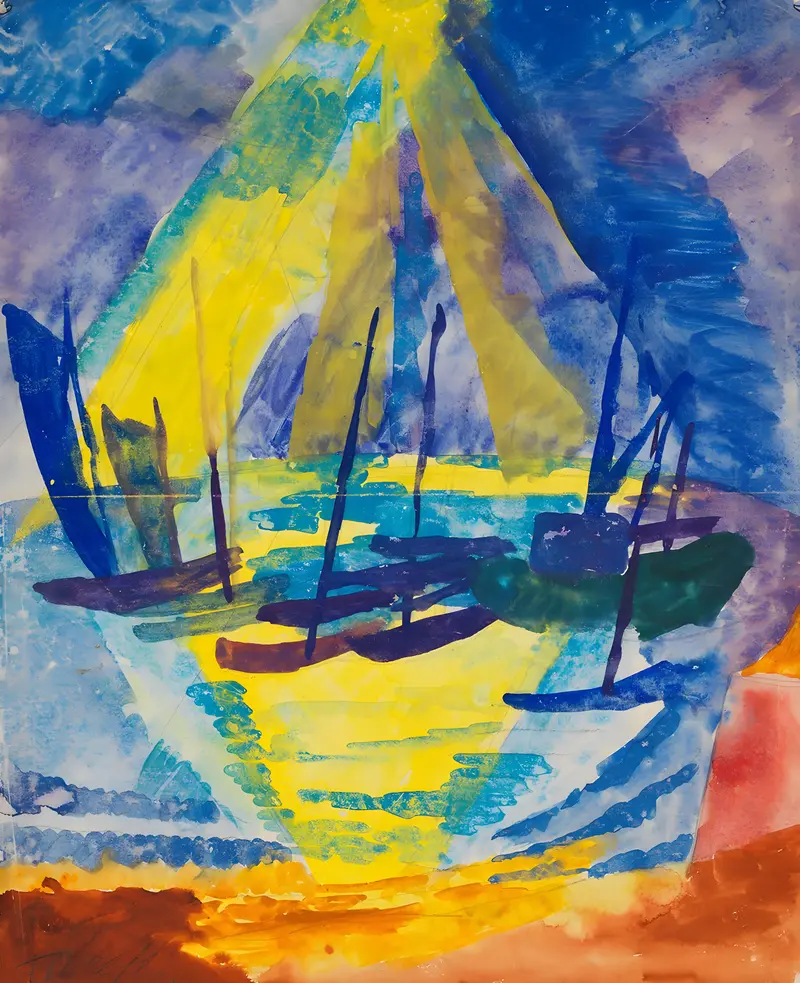
Boote in der Abendsonne
Fritz Schaefler
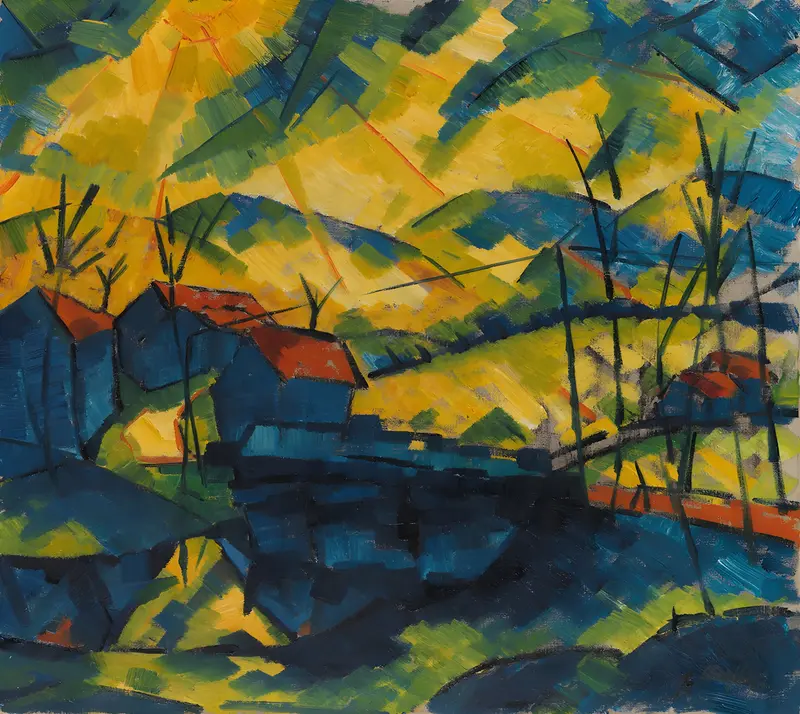
Landschaft
Fritz Schaefler
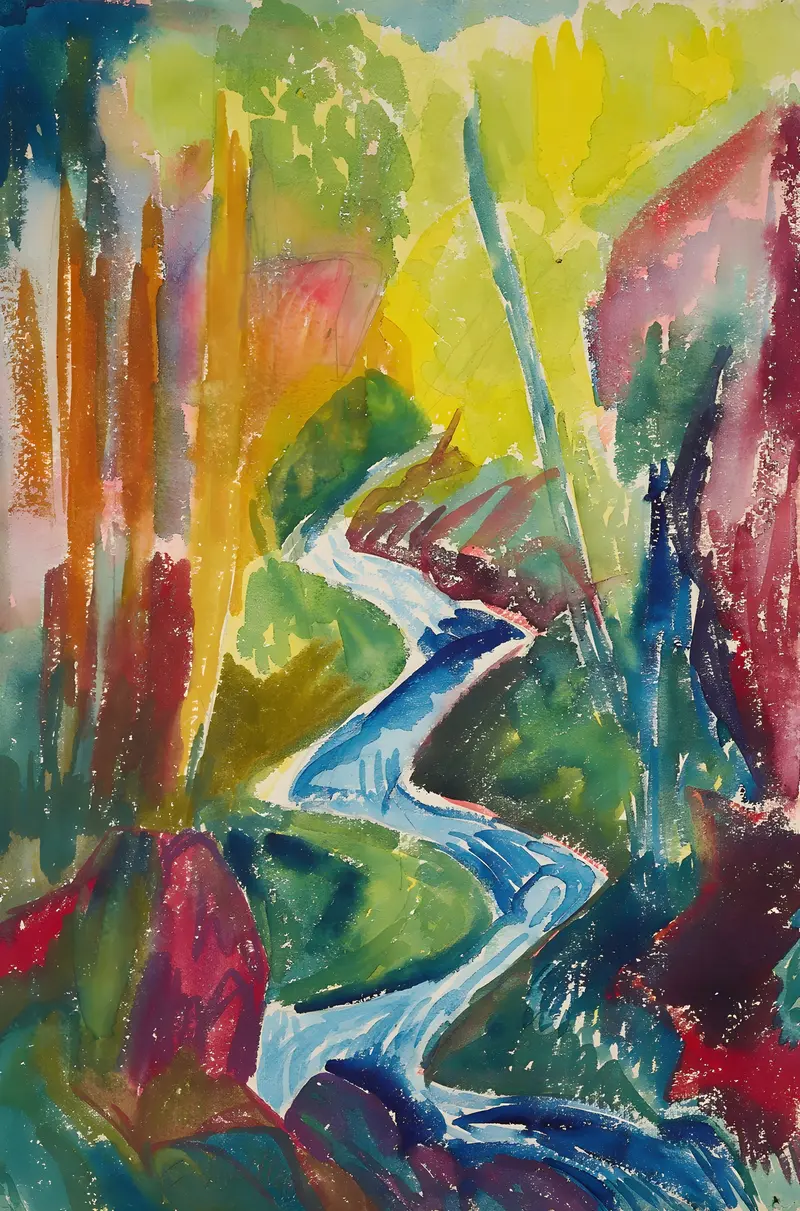
Bergbach
Fritz Schaefler
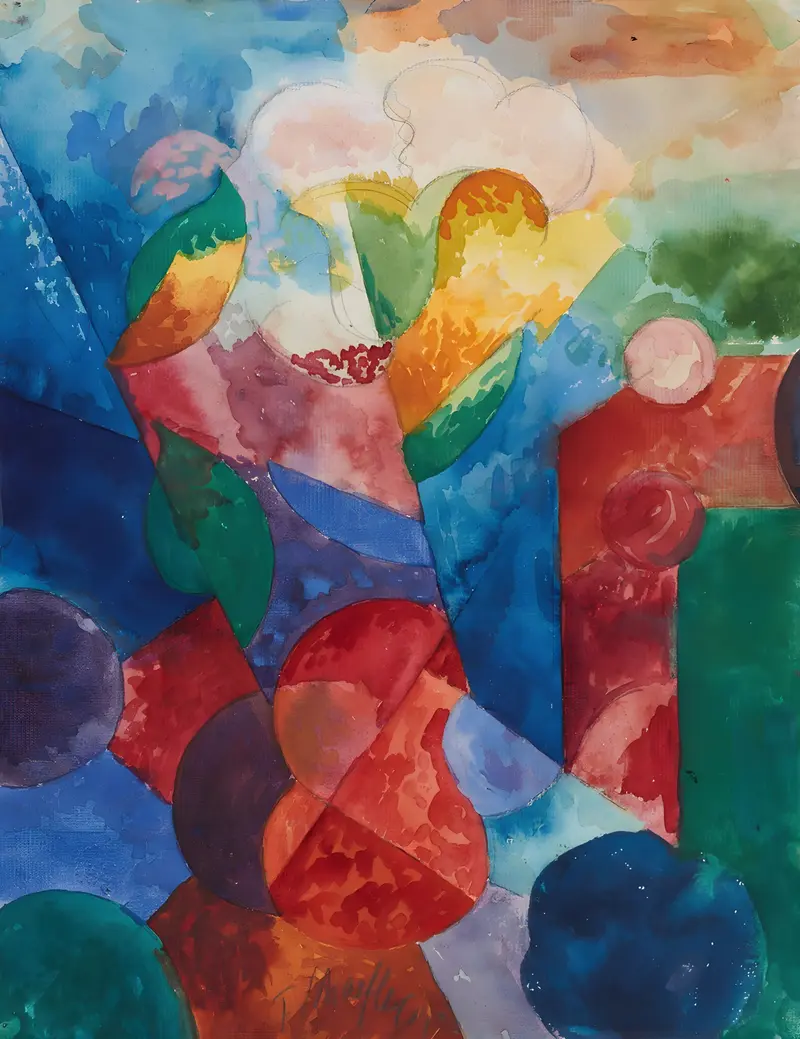
Froher Mittag
Fritz Schaefler
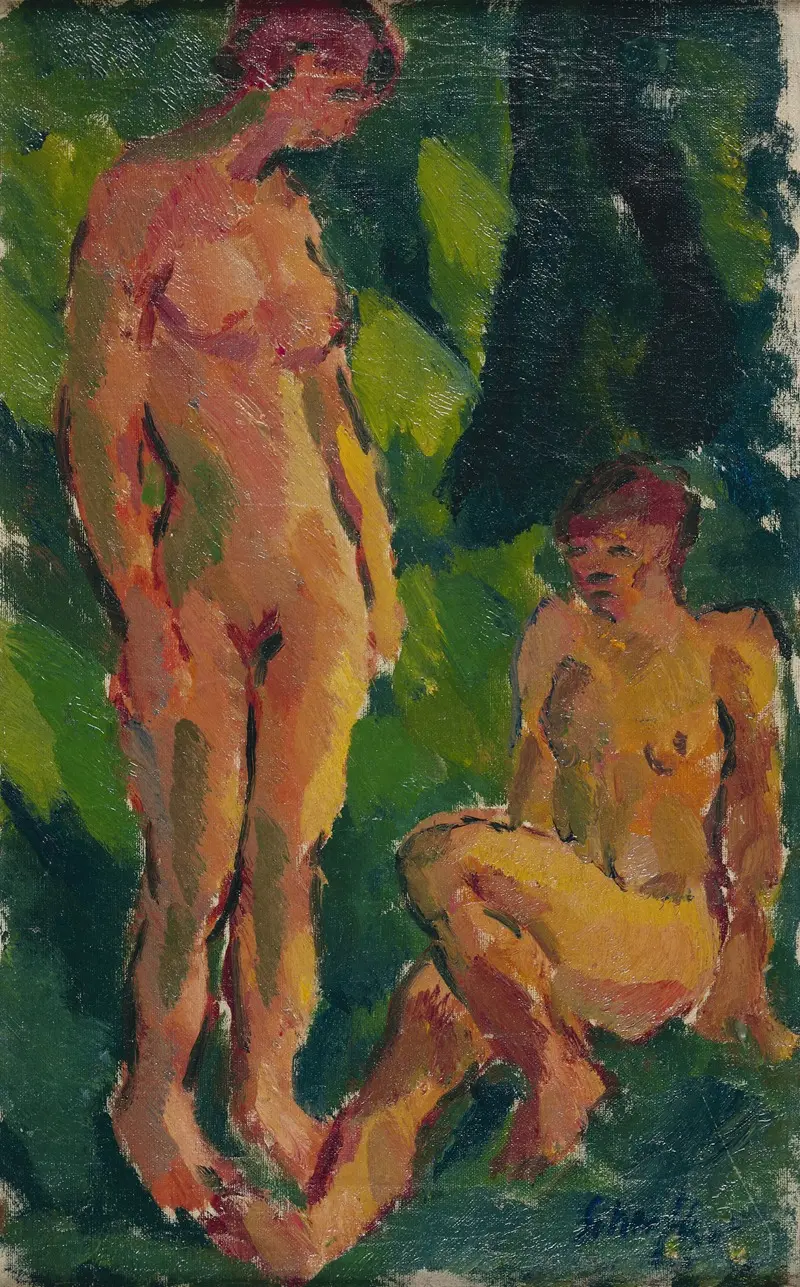
Zwei weibliche Akte
Fritz Schaefler
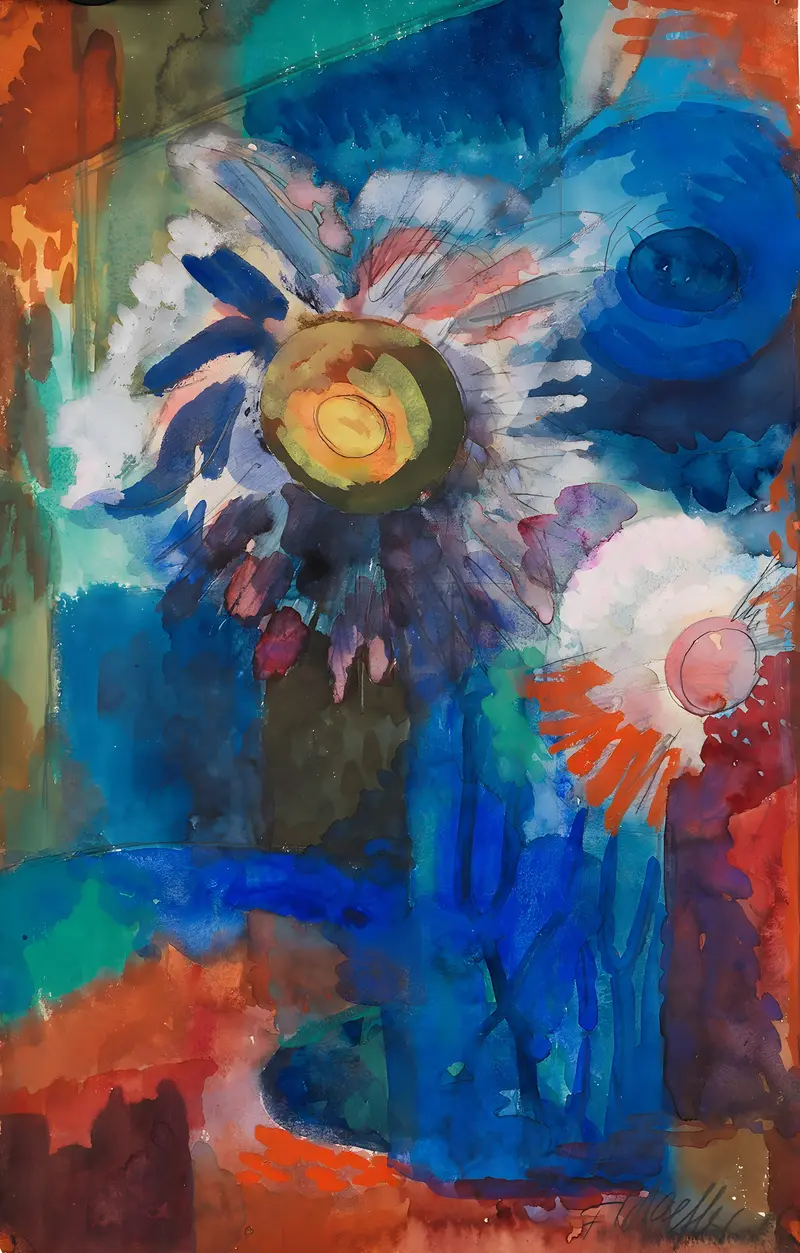
Blumen in blauer Vase
Fritz Schaefler
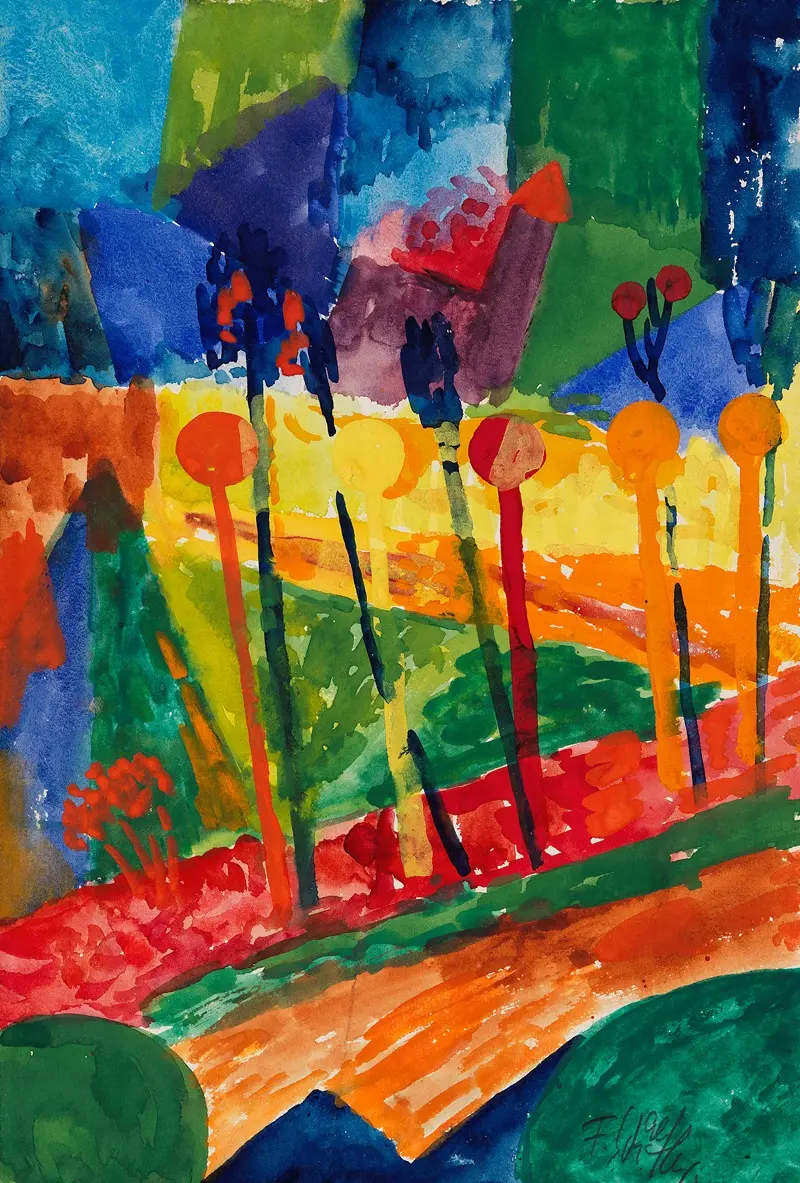
Kubistische Landschaft
Fritz Schaefler
Bergdorf
Fritz Schaefler





