
Wreck on the beach Nordstranden, sank on the 9th of May 1832 — History & Facts
Can beauty exist without sorrow? In the delicate interplay of light and shadow, the wreckage upon the shore tells a story of dreams lost and memories washed away by the tide. Focus first on the shipwreck, its skeletal remains stark against the muted colors of sand and sea. The twisted wood and torn sails evoke a haunting beauty, while the gentle waves lap at the ruins, creating a dialogue between nature and man’s ambition. Notice how the sun casts a soft glow on the water’s surface, illuminating the wreck with a ghostly aura that captures both fragility and endurance.
The contrast of the ship’s dark silhouette against the light-infused horizon draws the viewer deeper into this poignant moment. Hidden within the wreckage is the tension of human aspiration and nature's relentless power. The ship, a once-grand vessel, serves as a reminder of life’s impermanence — both a spectacle of craftsmanship and a monument to failure. The forlorn landscape surrounding it embodies the struggle between hope and despair, where the beauty of a sunset meets the sorrow of a lost journey.
These elements together create a profound reflection on the duality of existence, encouraging one to ponder the stories left untold. Martinus Rørbye painted this piece in 1833, shortly after the shipwreck occurred on May 9, 1832, along the Nordstranden beach in Denmark. At this time, Rørbye was establishing his reputation as a landscape painter, influenced by Romanticism and its embrace of emotional depth. The painting not only reflects the maritime culture of Denmark but also highlights the artist’s contemplation of nature's sublime beauty and its inherent tragedies.
More Artworks by Martinus Rørbye
Browse all →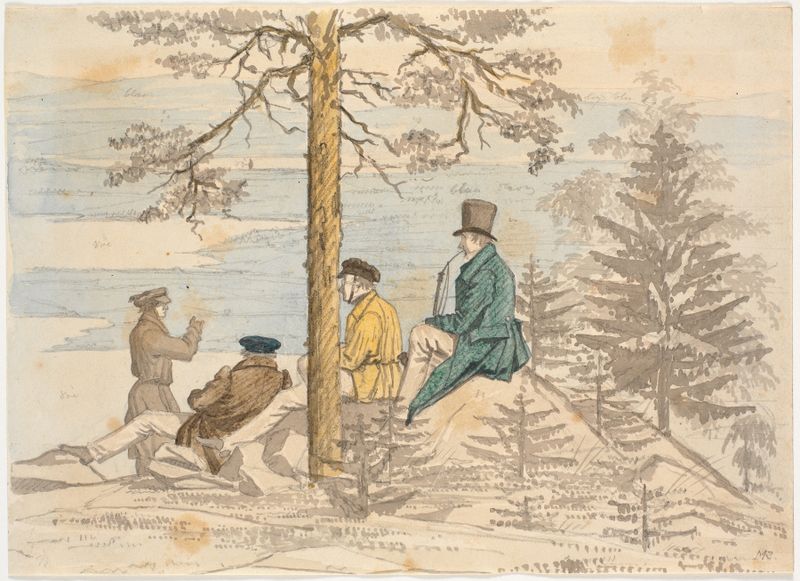
Fire mænd betragter udsigten fra Holmekollen
Martinus Rørbye
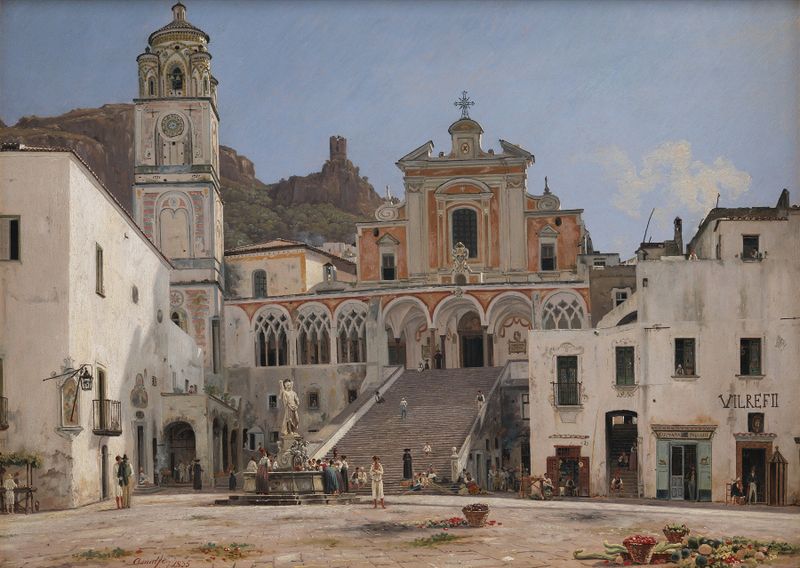
View of the Square in Amalfi
Martinus Rørbye
A Courtyard in Rome. Copy after Eckersberg
Martinus Rørbye
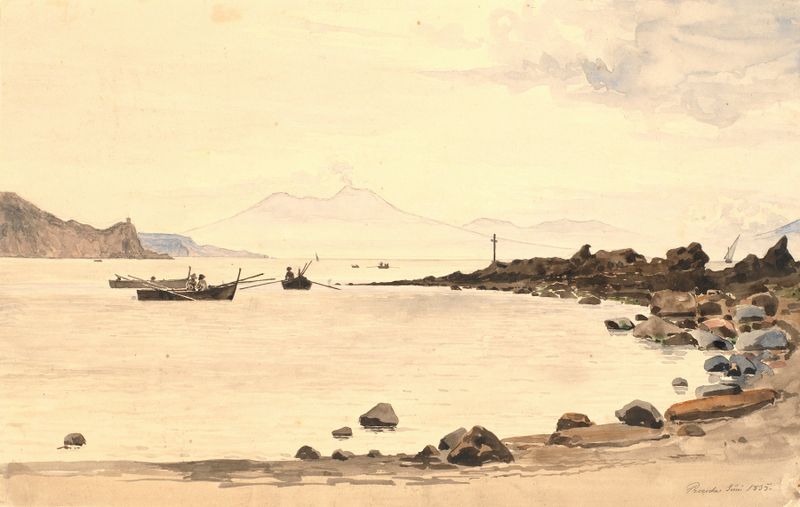
Udsigt mod Vesuv fra Procida
Martinus Rørbye
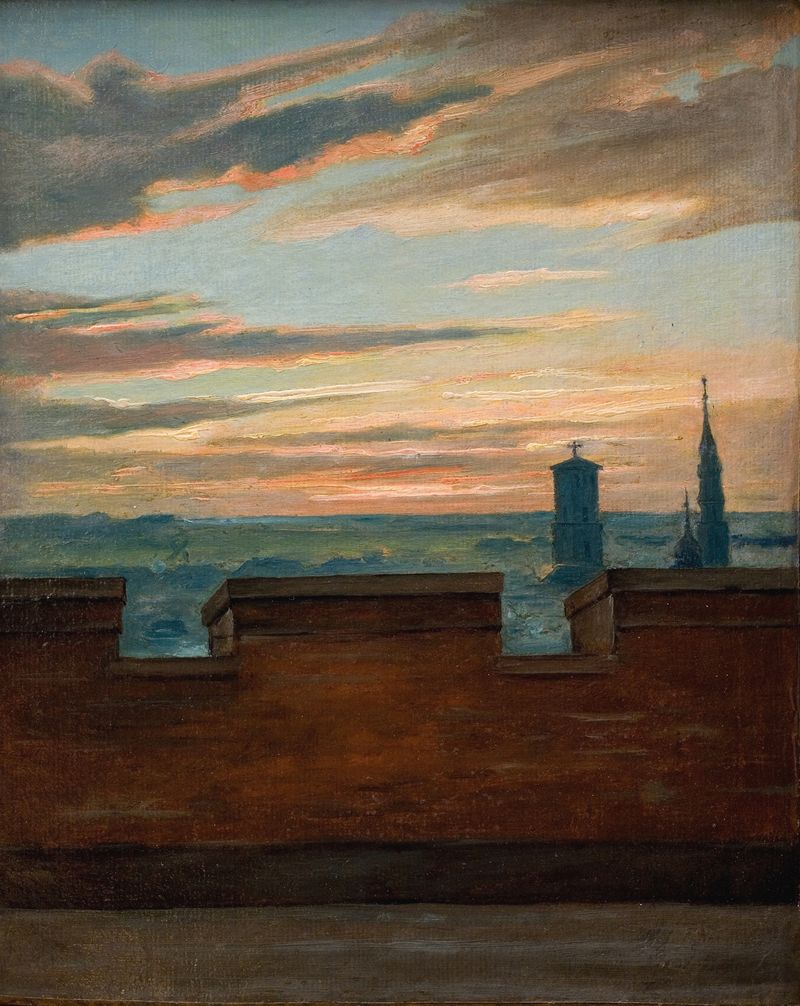
View of Copenhagen at Sunset
Martinus Rørbye
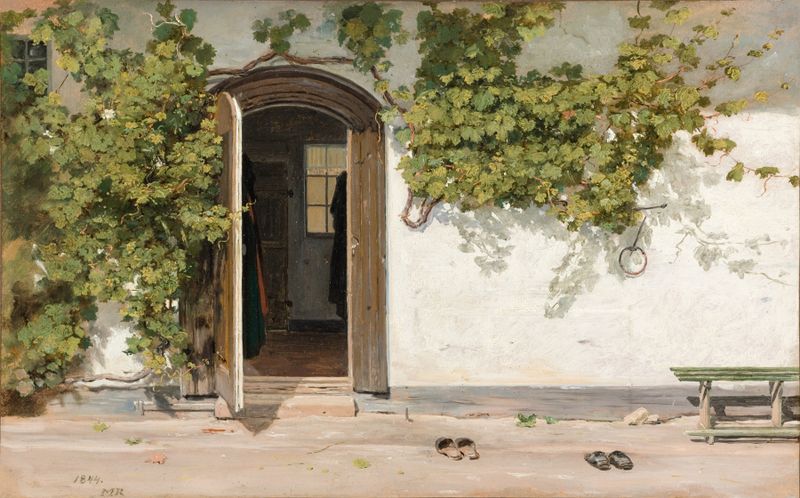
Entrance to an Inn in the Praestegarden at Hillested
Martinus Rørbye
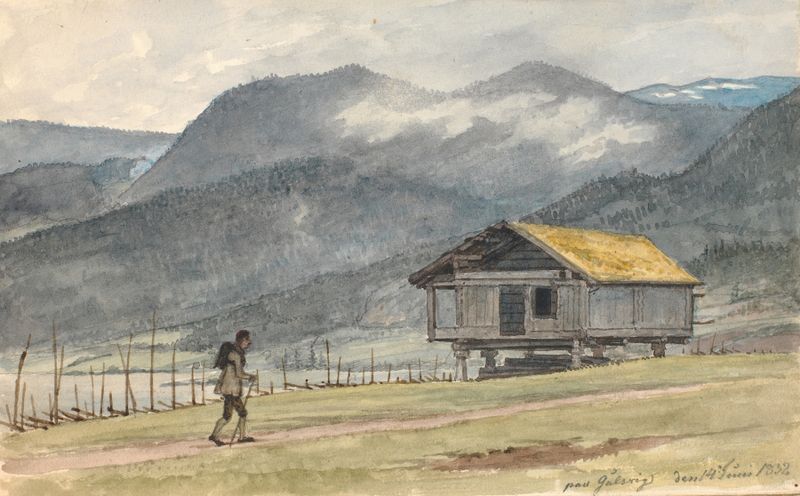
Fjeldlandskab med hytte og vandrer
Martinus Rørbye
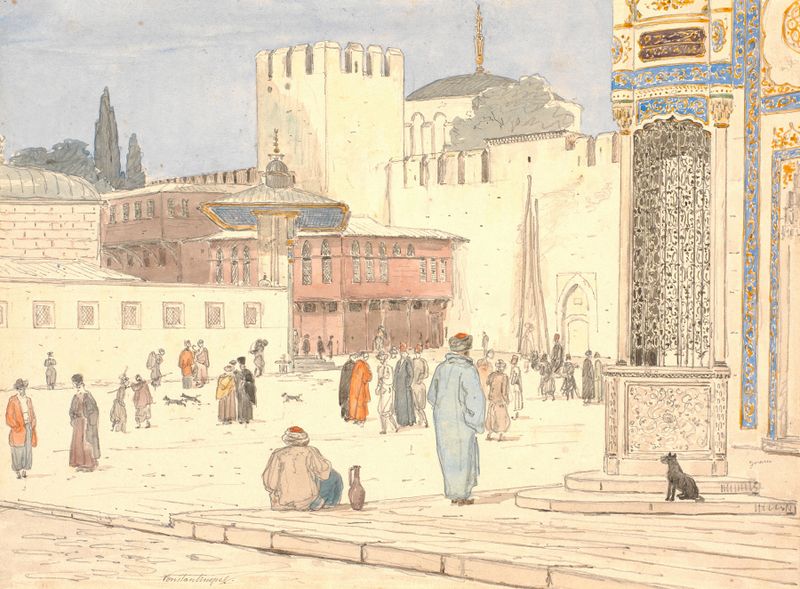
The Square in Front of Bab-i-Hümayan in Constantinople
Martinus Rørbye
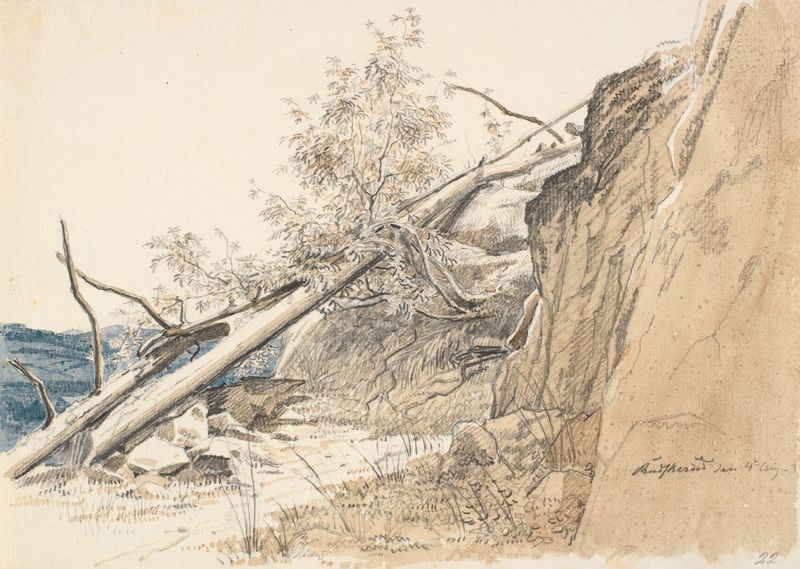
Tree Trunk Leaning Against a Rock. Norway
Martinus Rørbye
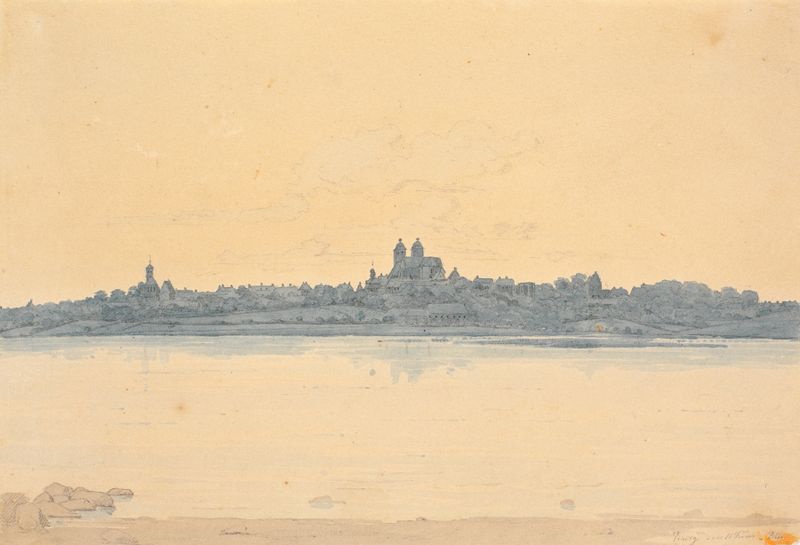
Viborg Seen from Asmild Klosterhave near Søndersø
Martinus Rørbye





