
Wäschermädel am Brunnen — History & Facts
In a world often defined by noise, serenity speaks volumes through stillness and gentle gestures. Look to the center, where a girl kneels by an inviting well, her hands immersed in water. The delicate ripples expand outward, catching the sunlight and creating a mesmerizing dance of reflections. The soft, muted colors of her simple attire contrast with the vibrant greenery surrounding her, drawing the viewer's eye deeper into this tranquil moment.
The careful brushwork captures the texture of the girl's hair and the intricate details of the stones, inviting us to touch the scene. As you observe, notice the juxtaposition between the girl’s innocence and the weight of her task. The well, a symbol of life and sustenance, holds hidden depths, suggesting a connection to the past and the burdens carried by generations of women. The soft light filtering through the trees not only illuminates her features but also serves as a metaphor for hope and renewal, encapsulating a moment where life intersects with labor yet is steeped in grace. Leontine von Littrow painted this work during a time when women were beginning to assert their presence in the male-dominated art world of the late 19th century.
Though the exact date is unknown, her focus on everyday subjects reflects a broader shift in the artistic landscape—moving away from grand historical themes to intimate portraits of daily life. This painting embodies a moment of quiet reflection amidst the changing tides of society.
More Artworks by Leontine von Littrow
Browse all →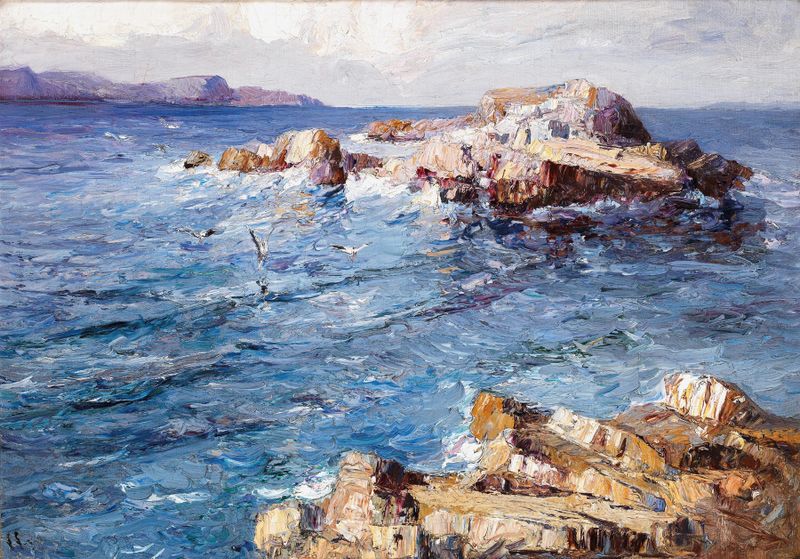
Breaking Waves
Leontine von Littrow
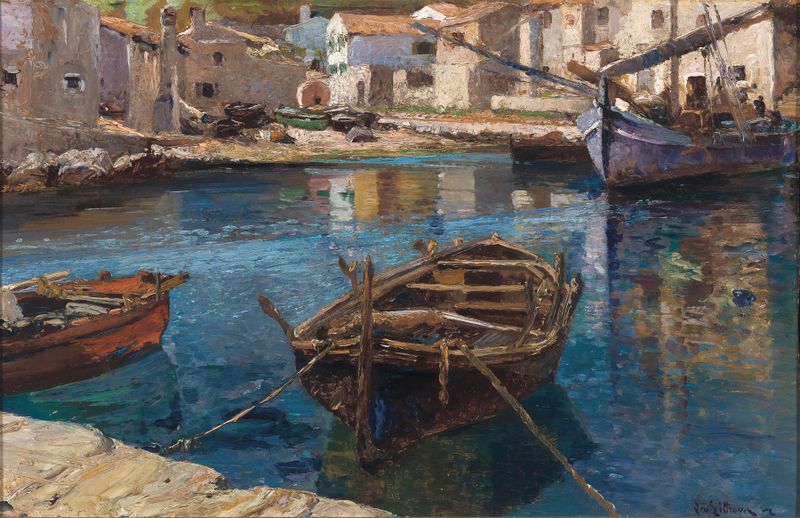
Fishing Boats in the Harbour
Leontine von Littrow
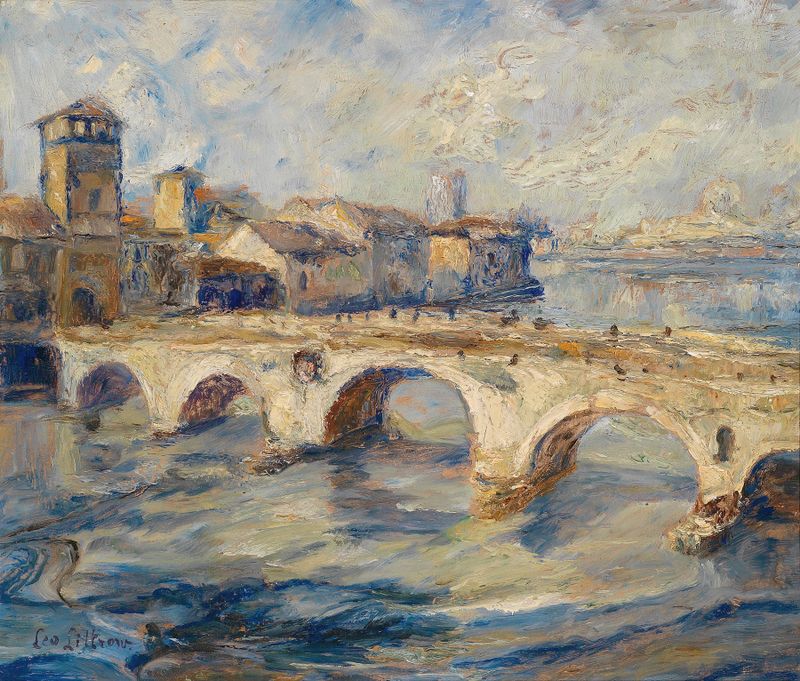
Ponte Pietra Verona
Leontine von Littrow
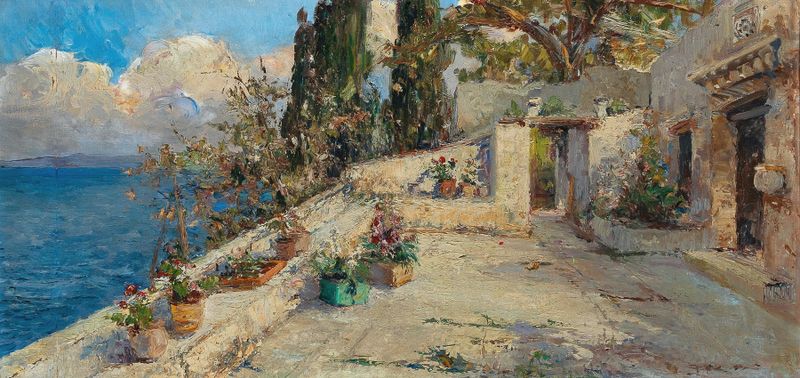
View from a terrace
Leontine von Littrow
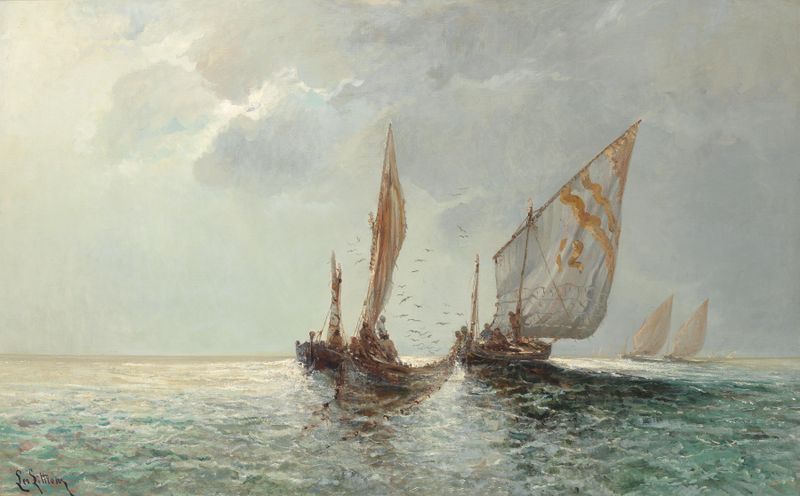
Fishing Boats By The Coast
Leontine von Littrow
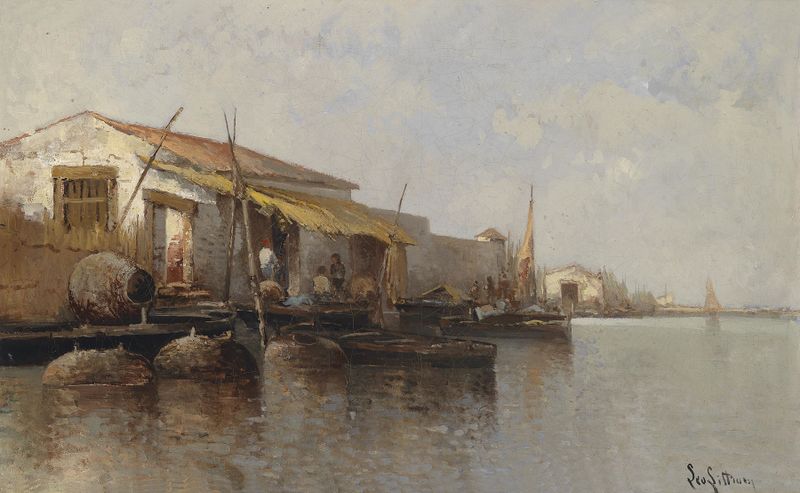
In der Lagune
Leontine von Littrow
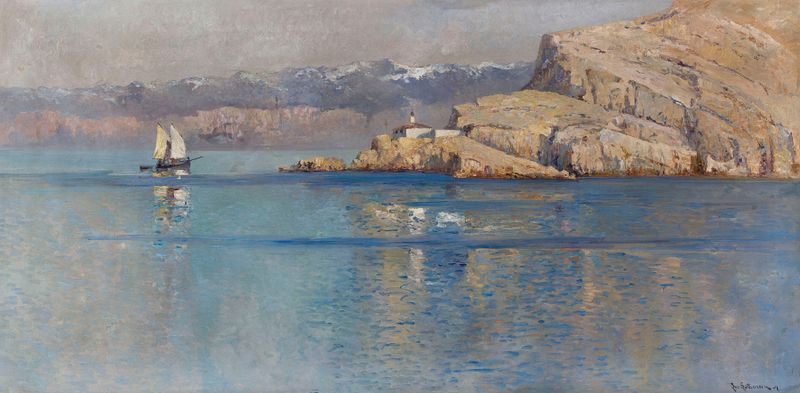
Marine landscape
Leontine von Littrow
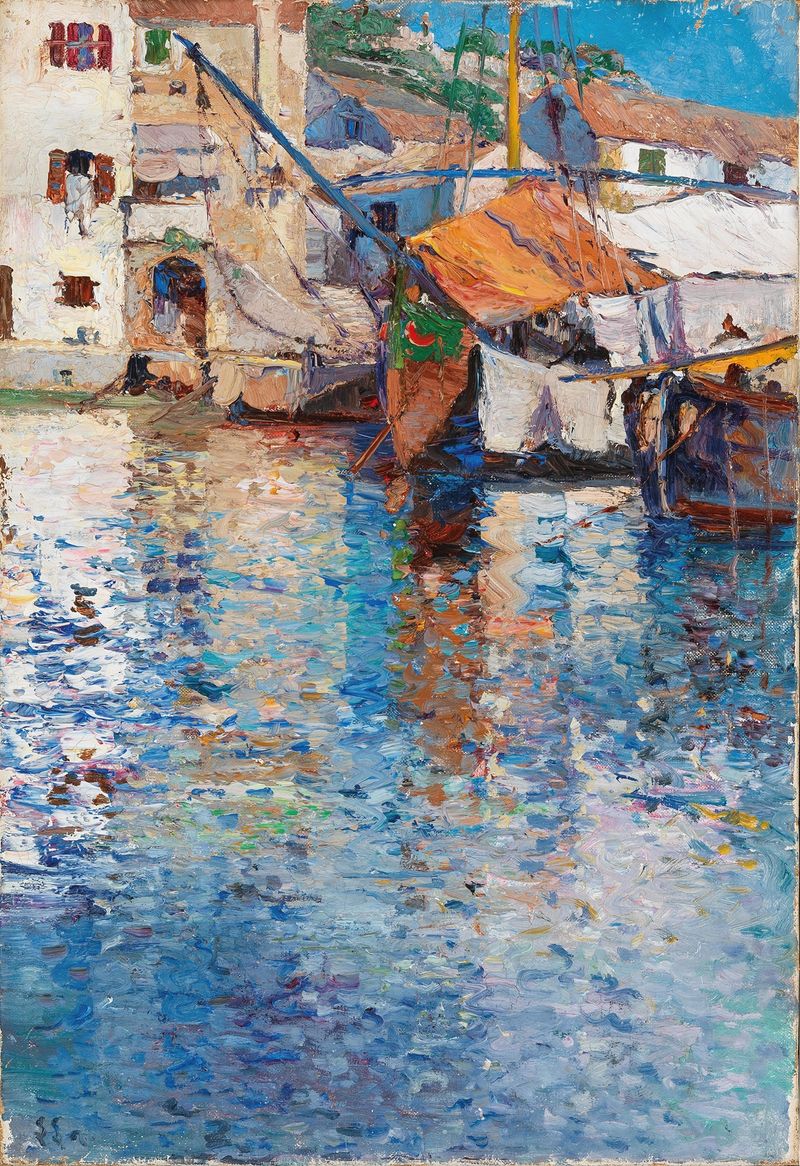
A Sunny Day in the Old Harbour
Leontine von Littrow
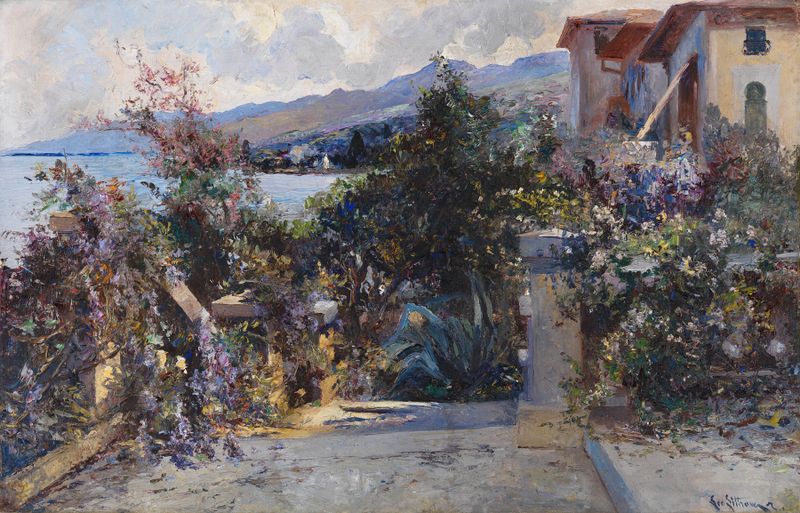
Küstenlandschaft bei Abbazia
Leontine von Littrow
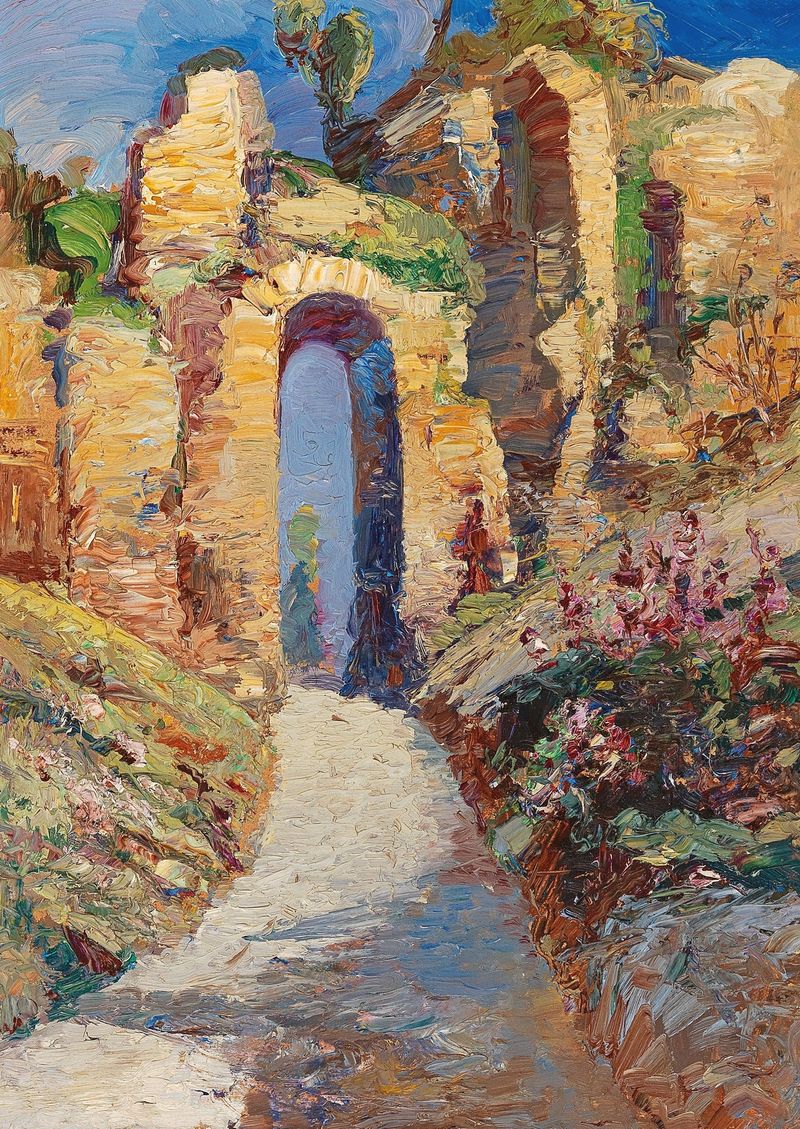
Porta Cumae
Leontine von Littrow





