
Wybrand Hendriks — History & Facts
A man turns toward us with a knowing half-smile, as if he has just caught your eye across a crowded studio. He holds up a drawing, the tip of his pencil poised above the paper, his finger pointing to a detail only he can truly explain. The light falls warmly across his face, picking out the flush in his cheeks and the sparkle in his eyes, while his dark coat and crisp white cravat set him apart from the muted background.
In this moment, the artist is both creator and guide, inviting you to look closer—not just at the drawing he presents, but at the act of creation itself. The intimacy of his gesture, the directness of his gaze, make you a participant in the silent conversation between artist, sitter, and viewer. Painted in 1810 by Adriaan de Lelie, this portrait belongs to a world where artists and their patrons were rethinking the boundaries between art and life. The early nineteenth century in the Netherlands was a time of shifting tastes, as the old certainties of the Golden Age gave way to a more personal, introspective kind of portraiture.
Works like this, now in the collection of Rijksmuseum Twenthe, were often commissioned to honor fellow artists or prominent citizens, capturing not just a likeness but a sense of character and vocation. History has kept few traces of the specific stories behind many such portraits, but the candor and immediacy of this image speak across centuries—reminding us that every portrait is, in some way, a self-portrait of the age that made it.
More Artworks by Adriaan de Lelie
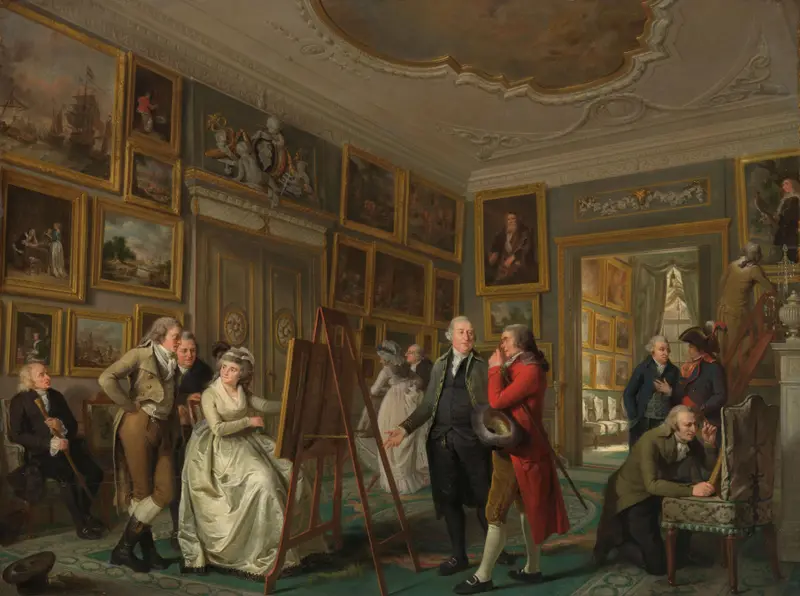
The Art Gallery of Jan Gildemeester Jansz
Adriaan de Lelie
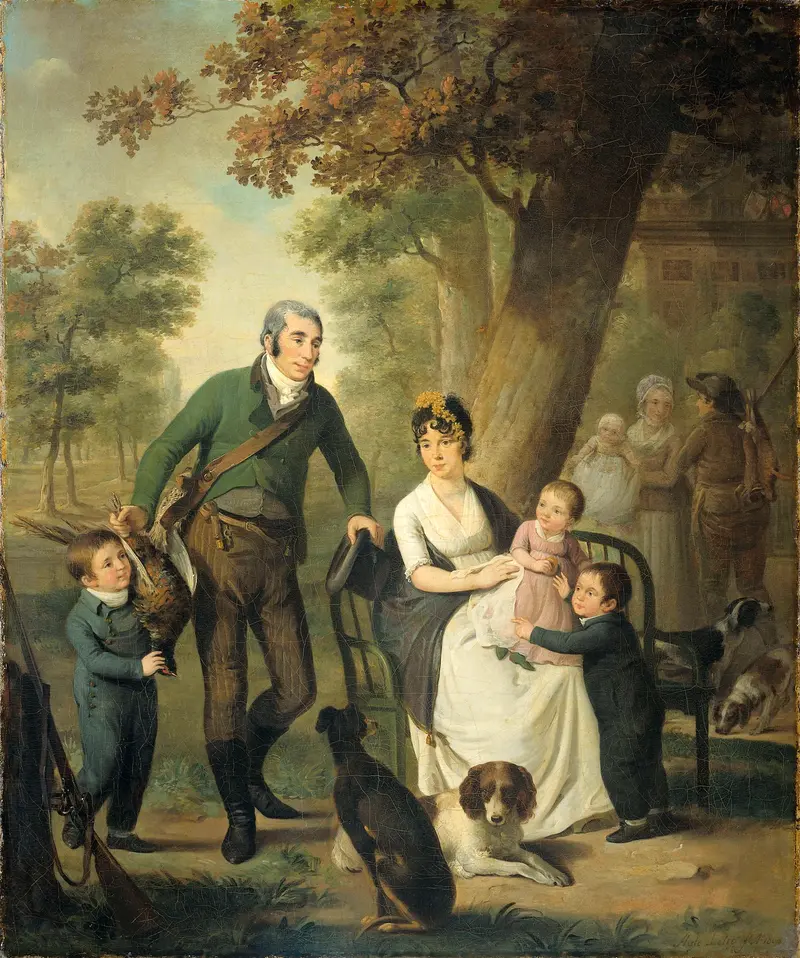
Jonkheer Gysbert Carel Rutger Reinier van Brienen van Ramerus(1771-1821), with his Wife and four of their Children
Adriaan de Lelie
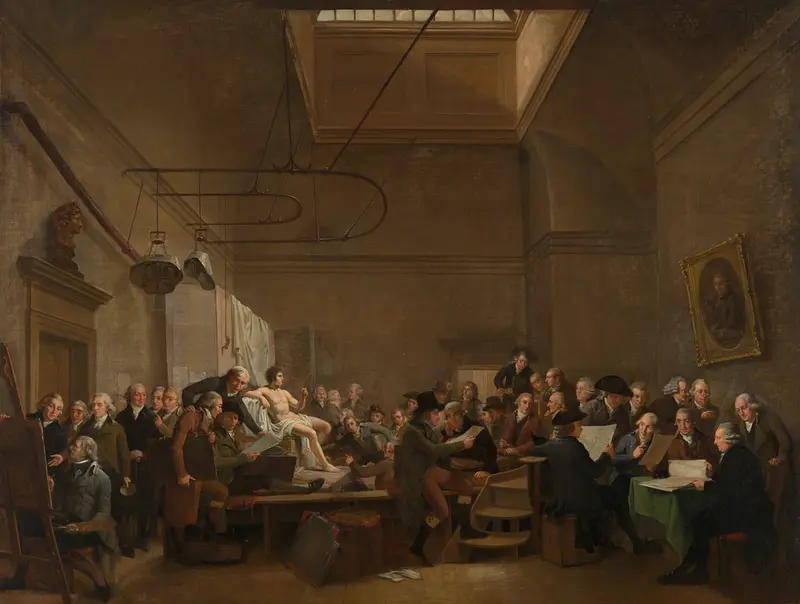
The Drawing Gallery of the Felix Meritis Society
Adriaan de Lelie
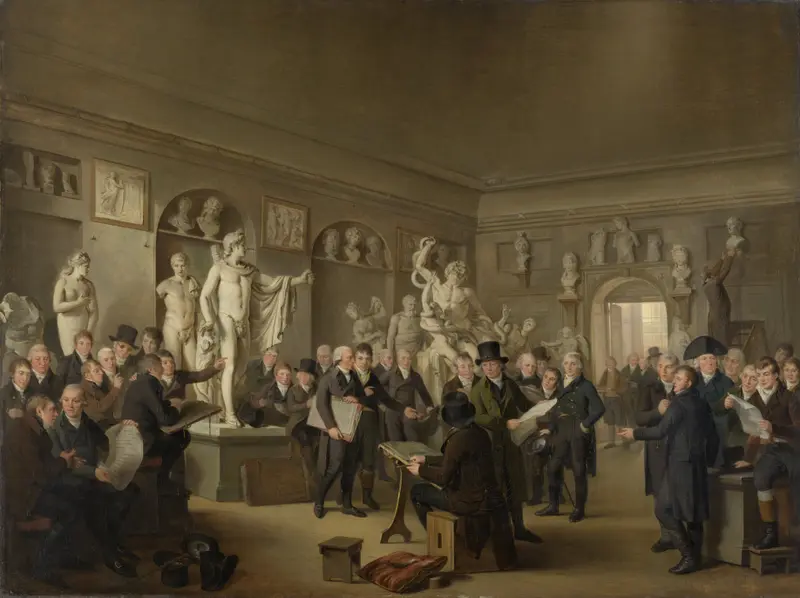
The Sculpture Gallery of the Felix Meritis Society
Adriaan de Lelie
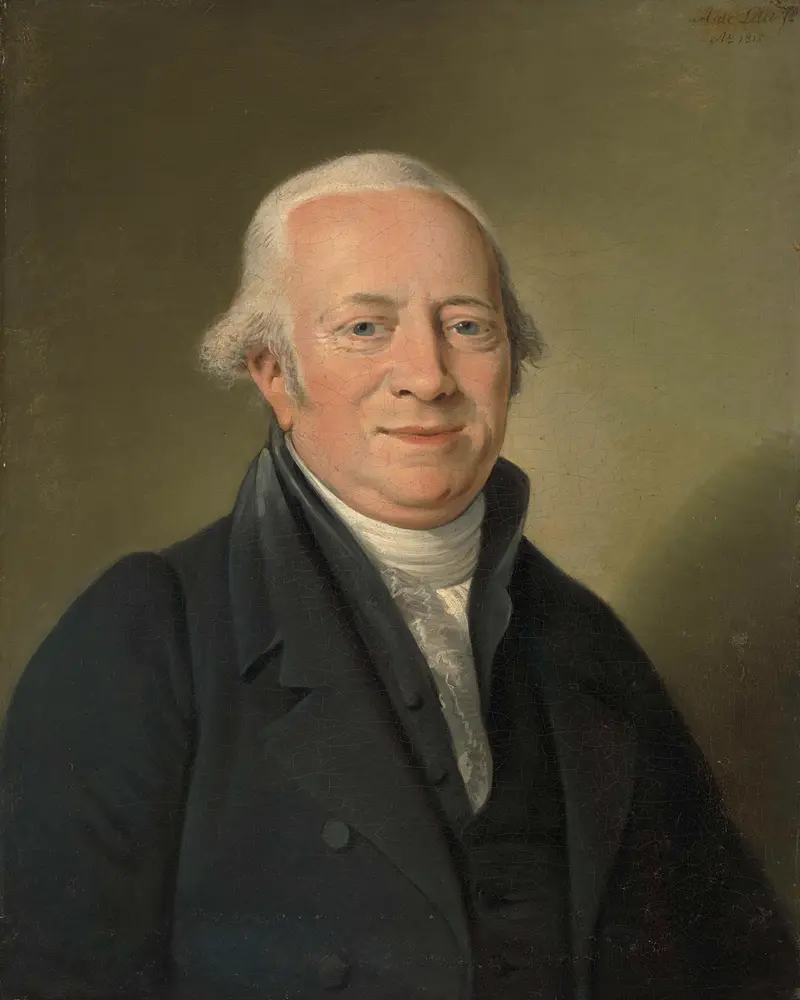
Cornelis Sebille Roos (1754-1820), Amsterdam Art Dealer and Keeper of the Nationale Konst-Gallery in Huis ten Bosch, The Hague
Adriaan de Lelie
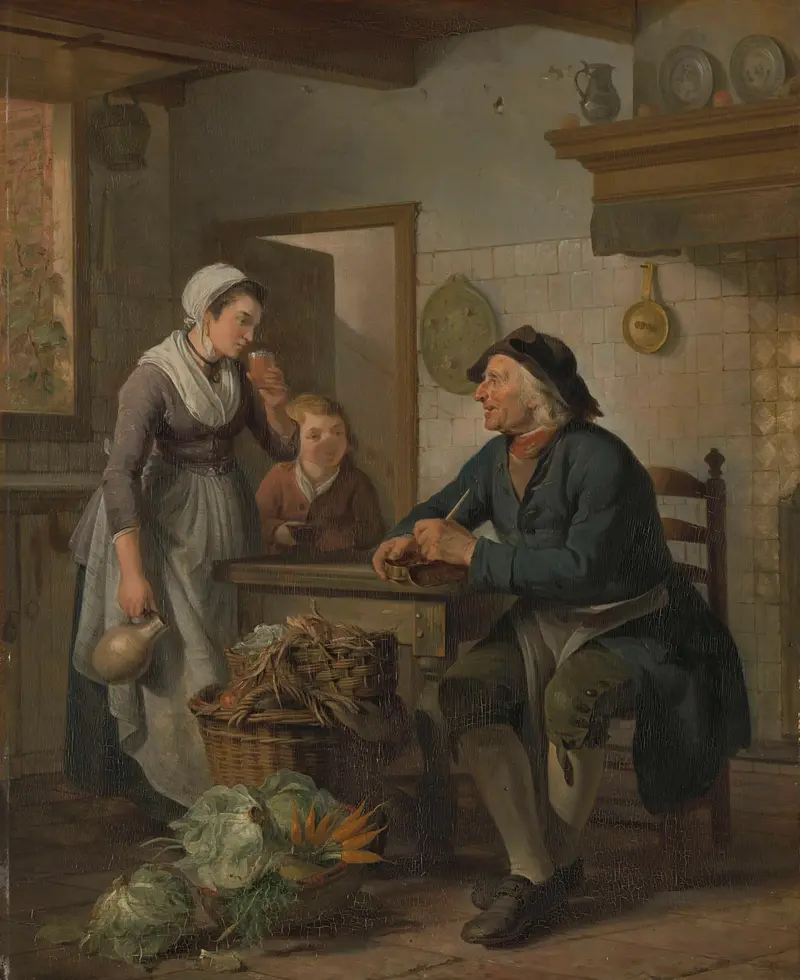
Morning Visit
Adriaan de Lelie
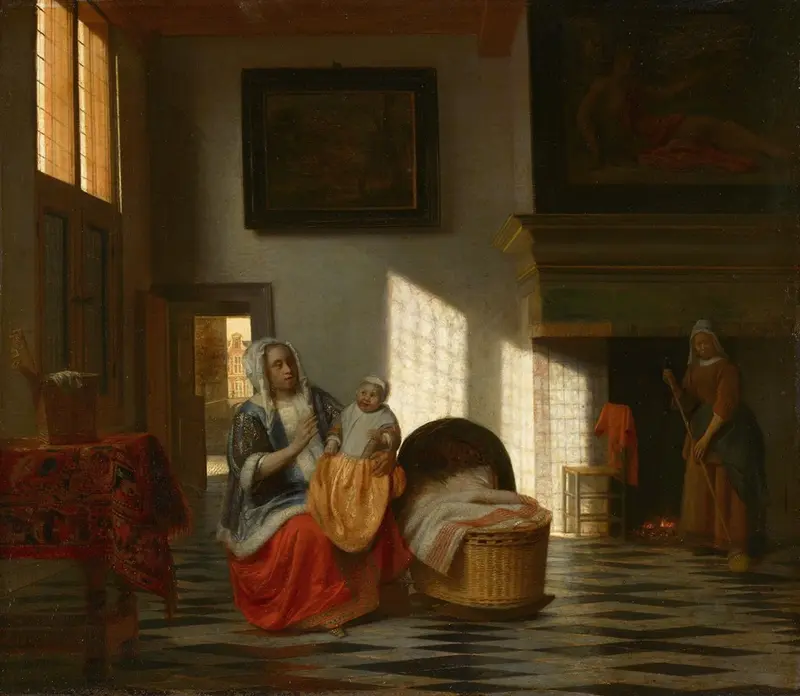
Mother and Two Children with Still Life
Adriaan de Lelie
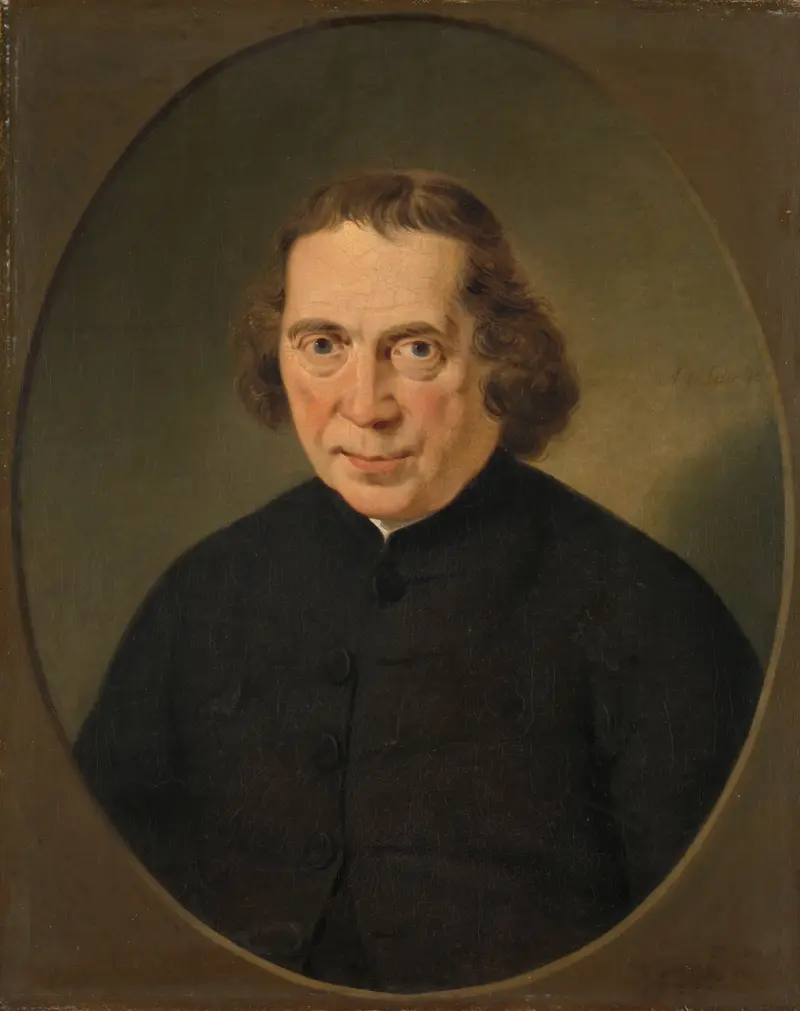
Portrait of Jan Nieuwenhuyzen
Adriaan de Lelie
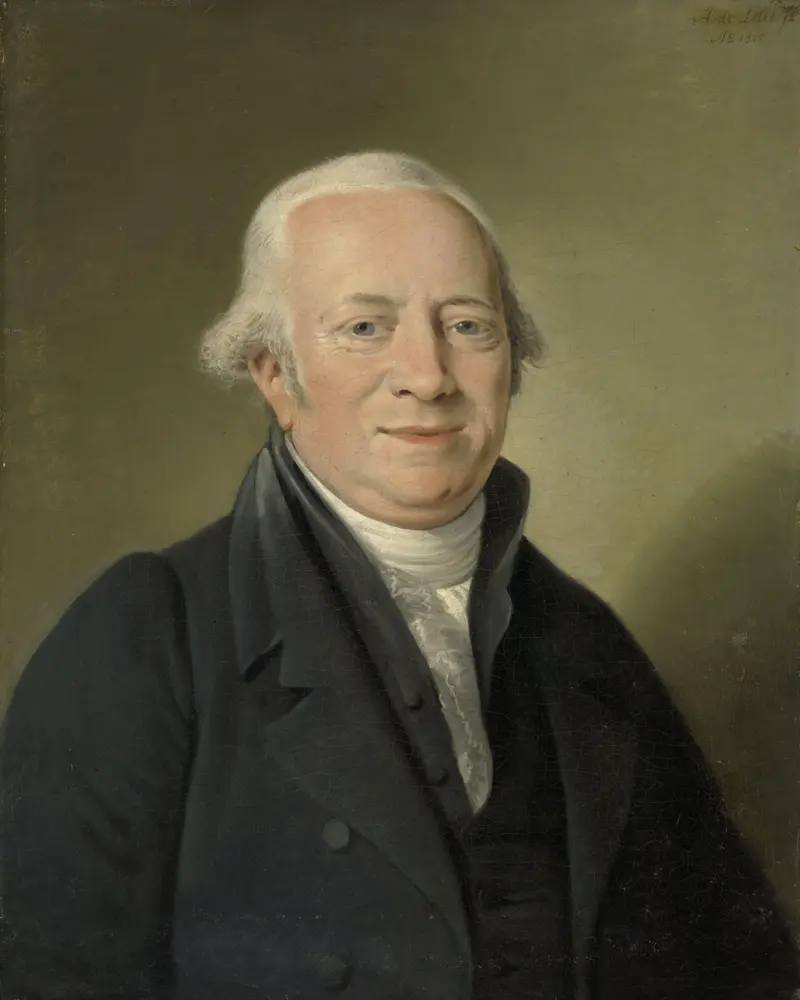
Portrait of Cornelis Sebille Roos, Art Dealer in Amsterdam and Inspector of the National Konst-Gallery and the Huis ten Bosch in The Hague
Adriaan de Lelie
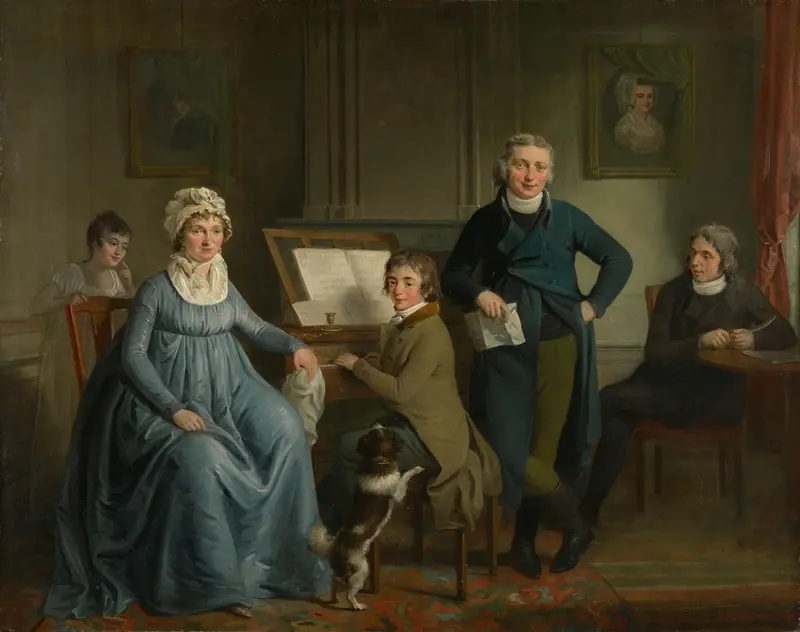
Musical family
Adriaan de Lelie





