
Yalta (Spring) — History & Facts
In the stillness of Yalta (Spring), the concept of time becomes a canvas of both memory and longing, where the ephemeral beauty of nature intertwines with the echoes of human experience. Look closely at the delicate brushstrokes that capture the vibrant blossoms in the foreground. The lush greens entwine with bursts of color, creating a tapestry of life that invites the viewer's eye to dance across the canvas. Observe how the light filters through the trees, casting dappled shadows that evoke a gentle breeze, whispering tales of spring’s awakening.
The composition creates a harmonious balance, drawing you deeper into the tranquility of this serene landscape. Yet, beneath this idyllic scene lies a profound contrast — the promise of renewal juxtaposed against the inevitability of change. The flowers, in their full bloom, remind us of transient beauty, while the distant mountains loom as implacable witnesses to the passage of time. Each petal seems to pulse with life, yet hints at decay, reflecting a bittersweet tension between celebration and loss.
This duality resonates, suggesting that while beauty flourishes, it is always accompanied by the shadows of time. In 1904, Jan Ciągliński painted Yalta (Spring during a period of personal and artistic introspection. Living in Paris, he was experiencing the vibrant art movements that shaped the era while also grappling with the memories of his homeland. This painting emerged as a tribute to the beauty of his youthful summers spent near the Black Sea, capturing a moment of solace amidst the broader currents of change sweeping through Europe.
More Artworks by Jan Ciągliński
Browse all →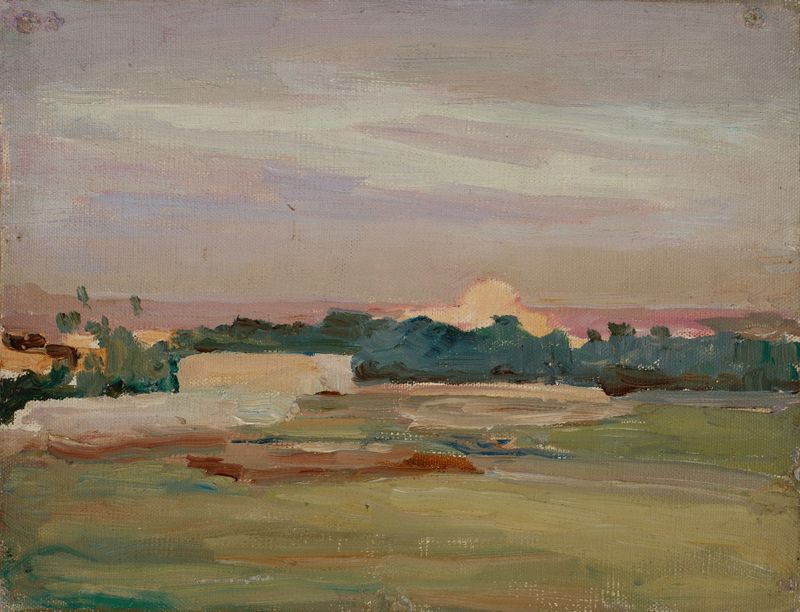
The Sirocco
Jan Ciągliński
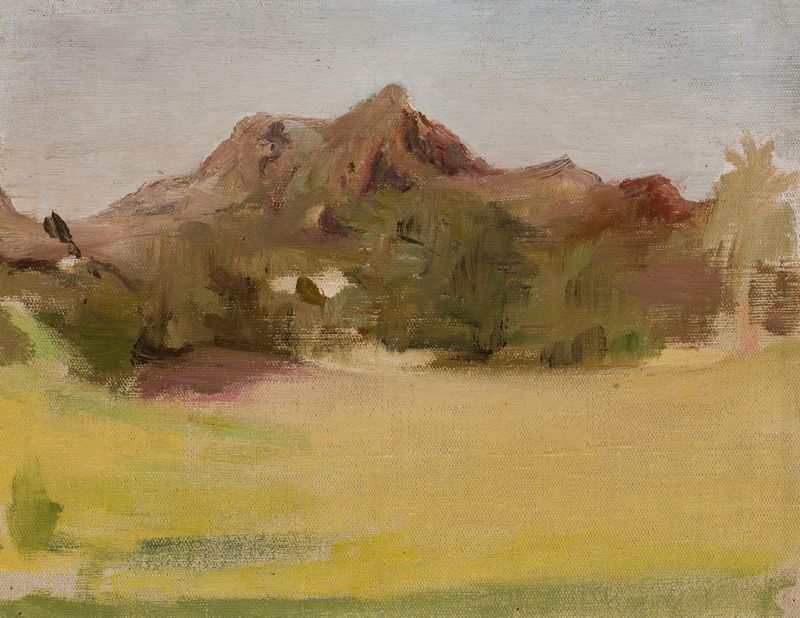
Mountain landscape. From the journey to India
Jan Ciągliński
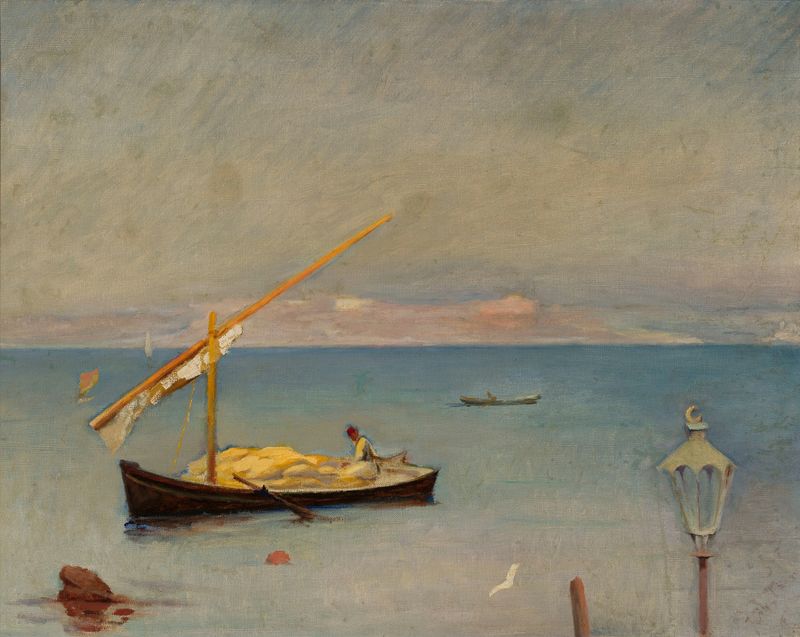
At Bosporus
Jan Ciągliński
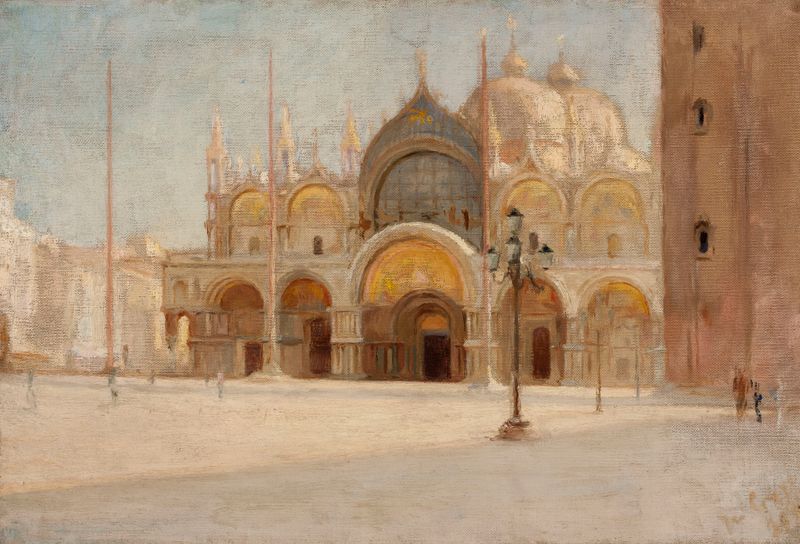
St Mark’s Square in Venice
Jan Ciągliński
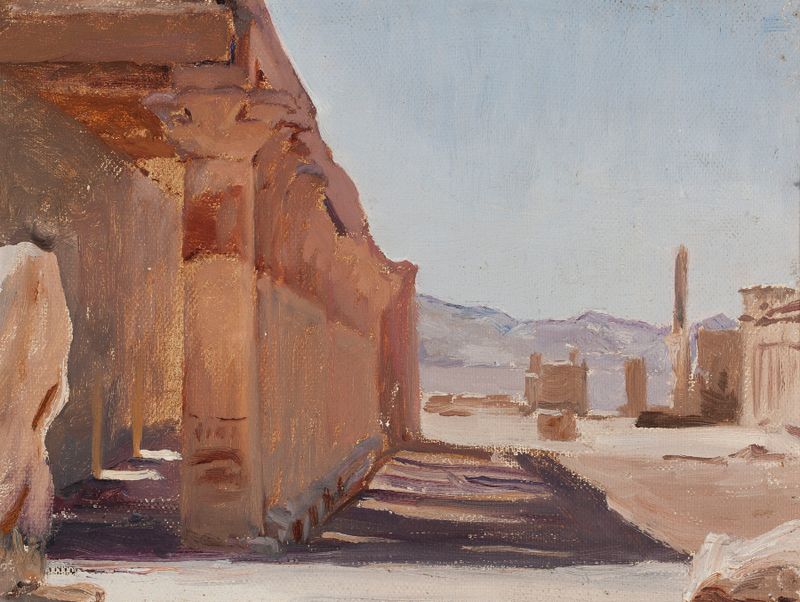
Temple. From the journey to Egypt
Jan Ciągliński
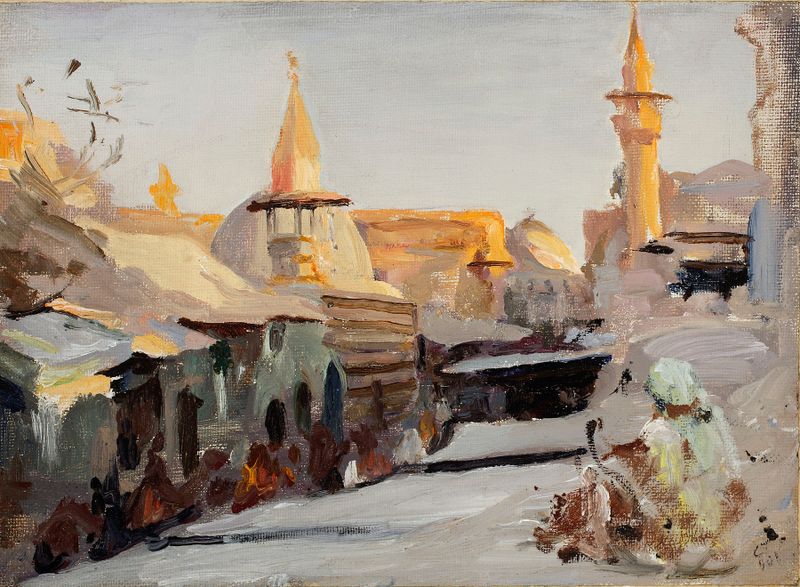
Street in Damascus. From the journey to Palestine
Jan Ciągliński
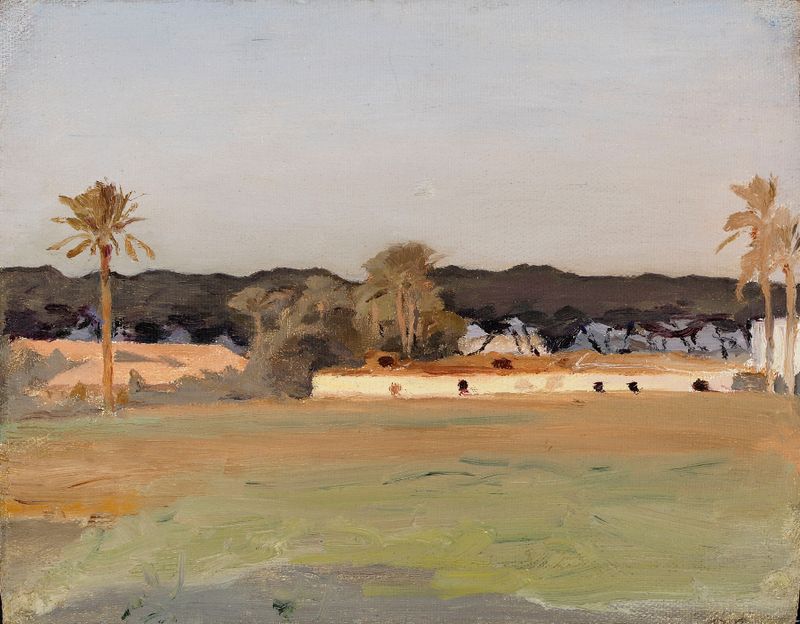
Evening. From the journey to Egypt
Jan Ciągliński
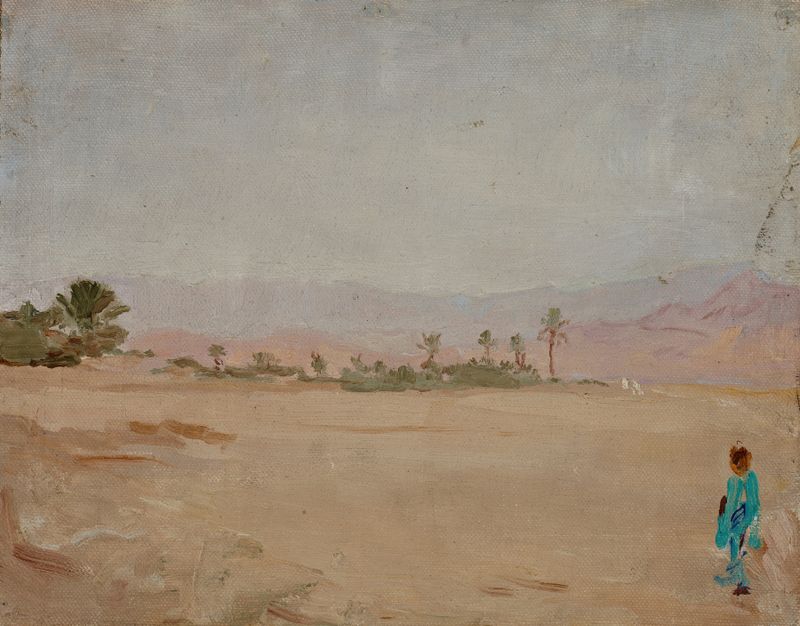
Sahara (Desert)
Jan Ciągliński
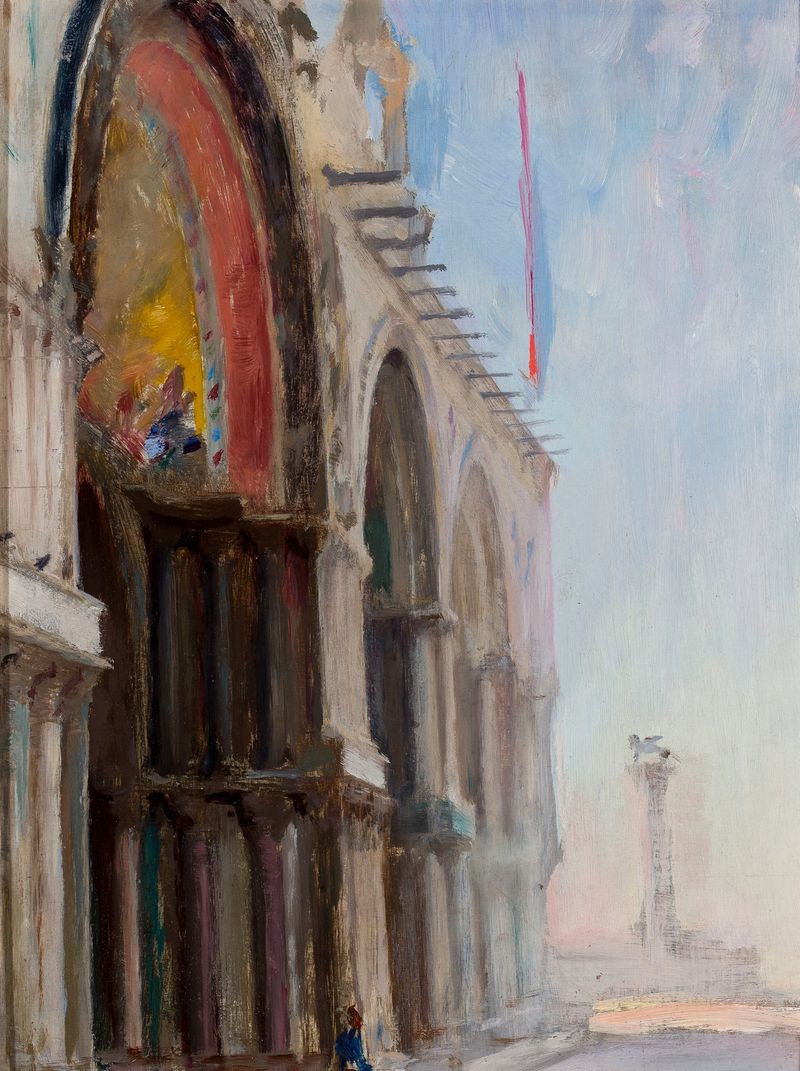
Venice – San Marco. From the journey to Italy
Jan Ciągliński
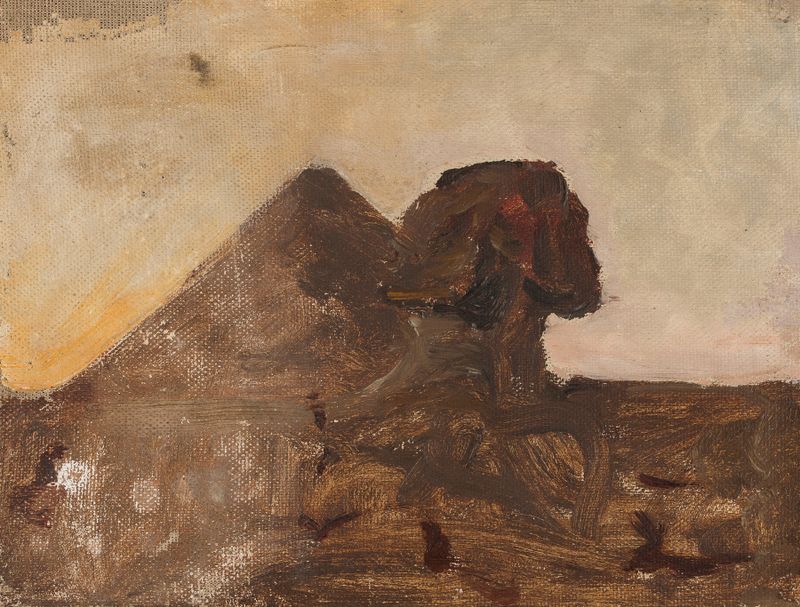
Evening in the desert – Sphinx and pyramid. From the journey to Egypt
Jan Ciągliński





