
Yalta (Spring – Poplars) — History & Facts
What if silence could speak through light? In Jan Ciągliński's Yalta (Spring – Poplars), the canvas whispers with a longing that transcends the visual, inviting the viewer into a moment of serene contemplation. Look to the left at the towering poplar trees, their slender trunks reaching skyward, immersed in soft hues of green and gold. The light filters gently through the foliage, dappling the ground in a tender embrace. The composition, balanced and harmonious, draws the eye toward the horizon where the sky meets the earth, evoking a sense of endless possibility.
The painter’s brushstrokes are delicate yet purposeful, allowing the viewer to feel the gentle sway of the trees in a breeze that exists only in the imagination. The contrast between the towering trees and the expansiveness of the sky encapsulates a deep emotional tension. The poplars stand as silent guardians of desire, representing a yearning that is both personal and universal. Their graceful forms suggest solitude, while the light that breaks through signifies hope and renewal, hinting at the complexities of the human experience—both the ache of longing and the solace found in nature's beauty. In 1906, Ciągliński painted Yalta (Spring – Poplars) during a period when he was exploring the themes of light and landscape in his work, reflecting the influence of the Impressionist movement.
At this time, he was navigating his career in Poland, seeking to establish his voice amid changing artistic landscapes and the political backdrop of Europe. The painting resonates with the peaceful ambiance and quiet introspection characteristic of the early 20th century, blending personal reflection with a broader artistic dialogue.
More Artworks by Jan Ciągliński
Browse all →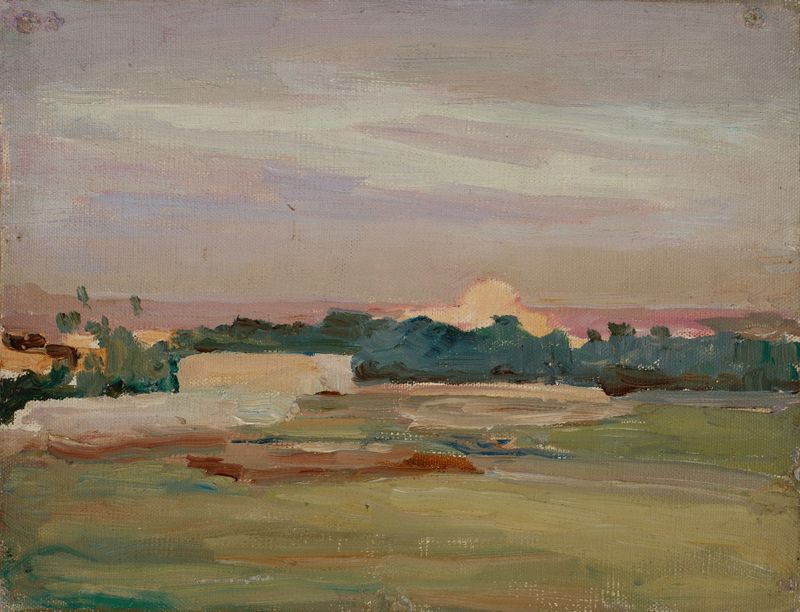
The Sirocco
Jan Ciągliński
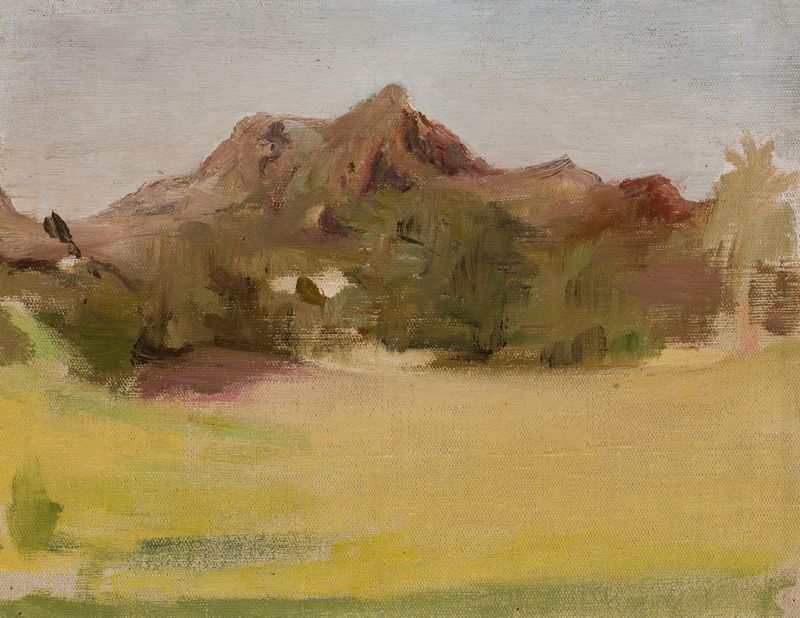
Mountain landscape. From the journey to India
Jan Ciągliński
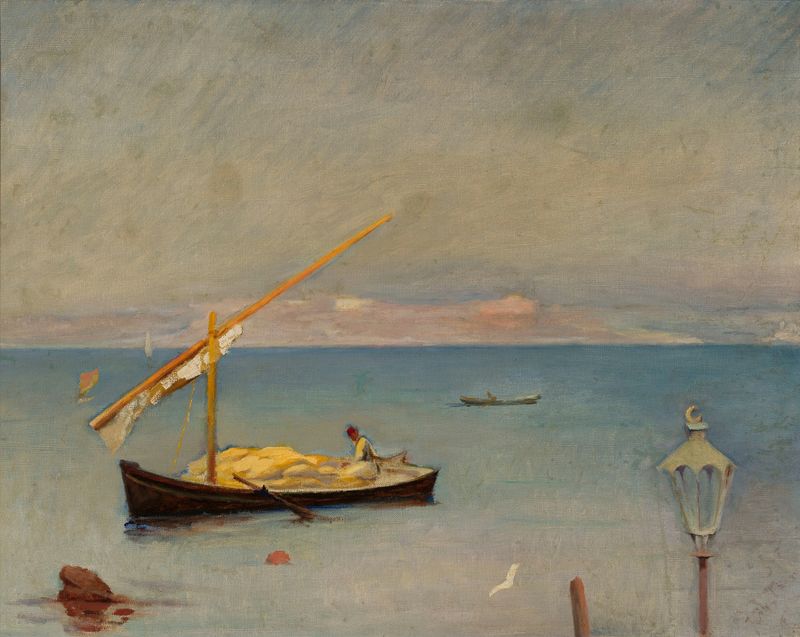
At Bosporus
Jan Ciągliński
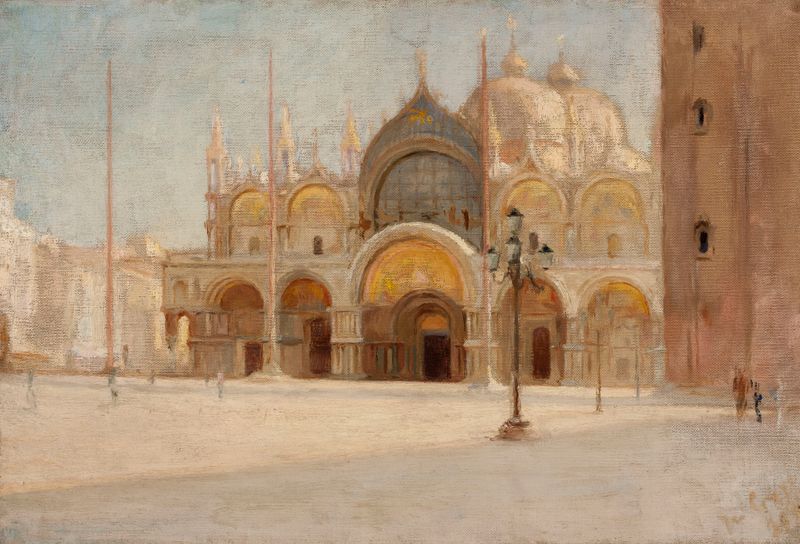
St Mark’s Square in Venice
Jan Ciągliński
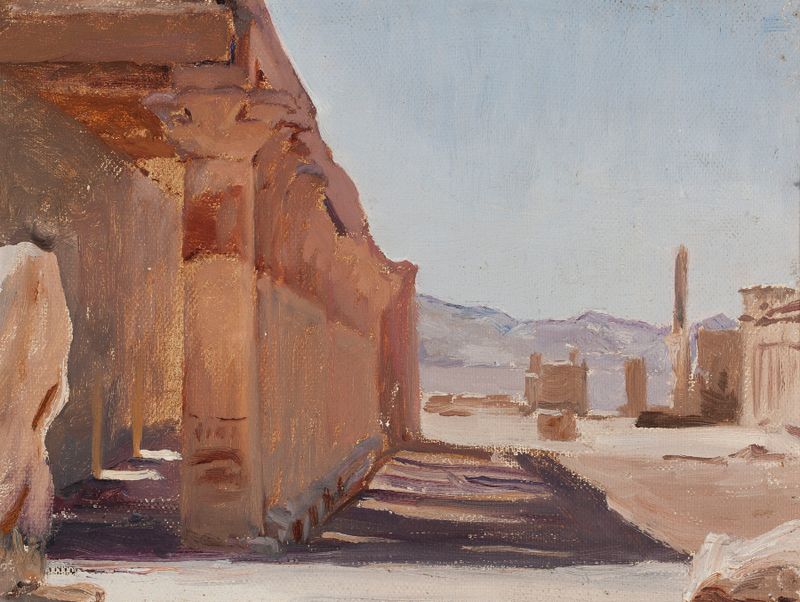
Temple. From the journey to Egypt
Jan Ciągliński
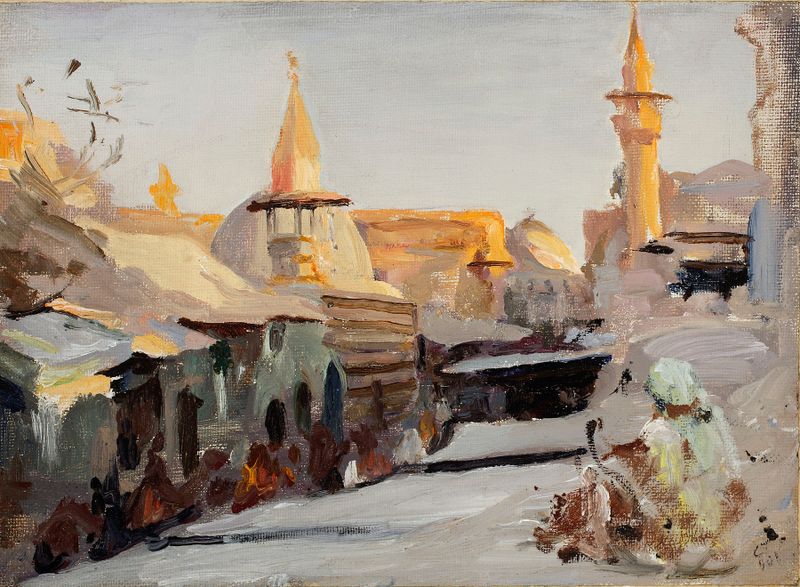
Street in Damascus. From the journey to Palestine
Jan Ciągliński
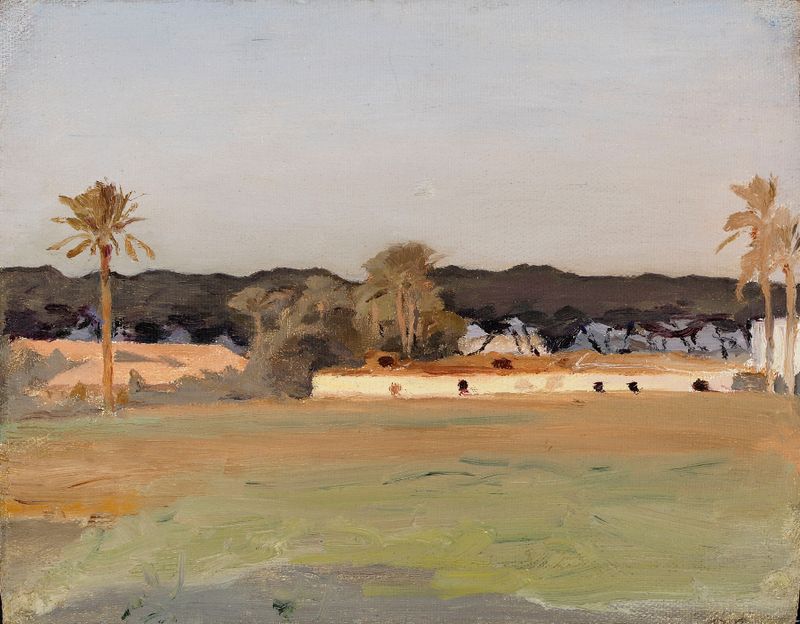
Evening. From the journey to Egypt
Jan Ciągliński
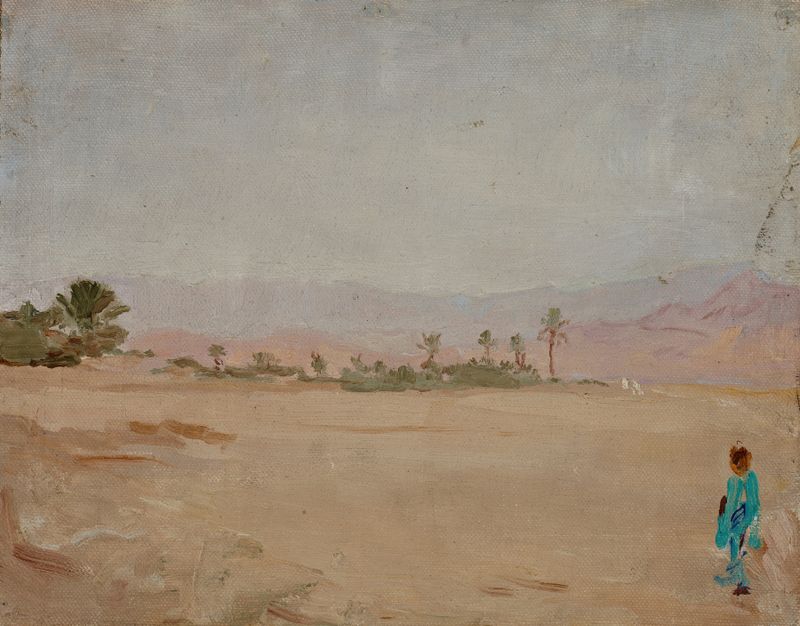
Sahara (Desert)
Jan Ciągliński
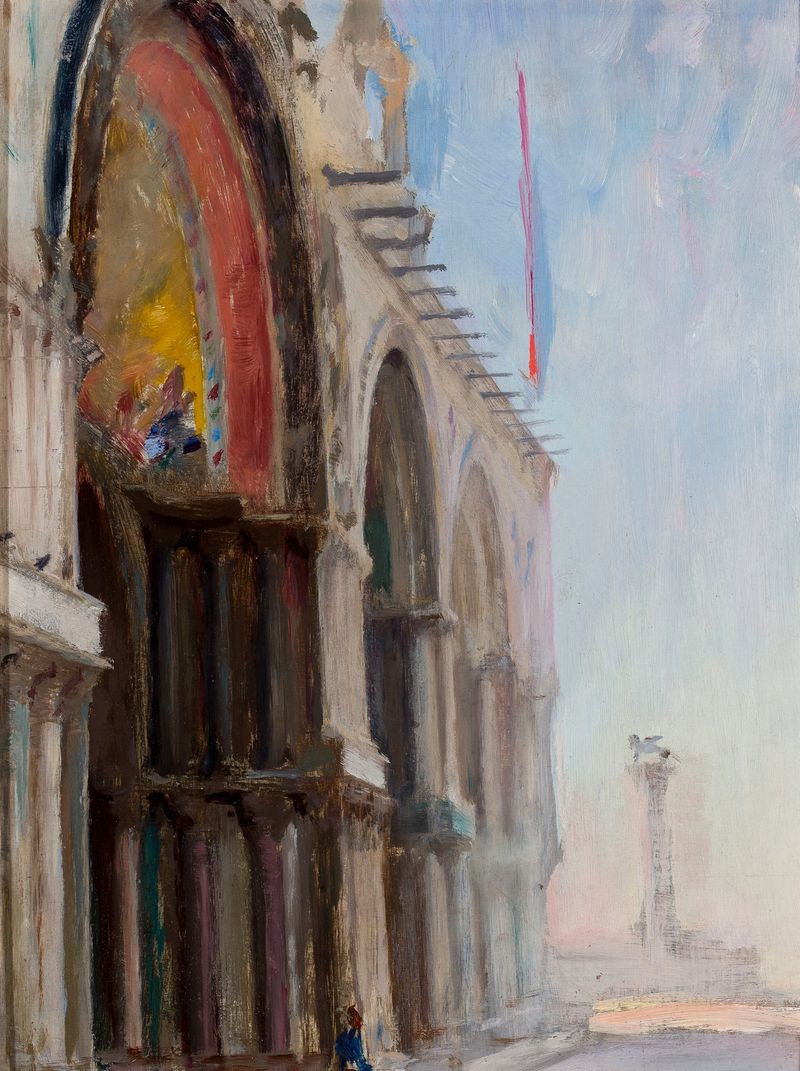
Venice – San Marco. From the journey to Italy
Jan Ciągliński
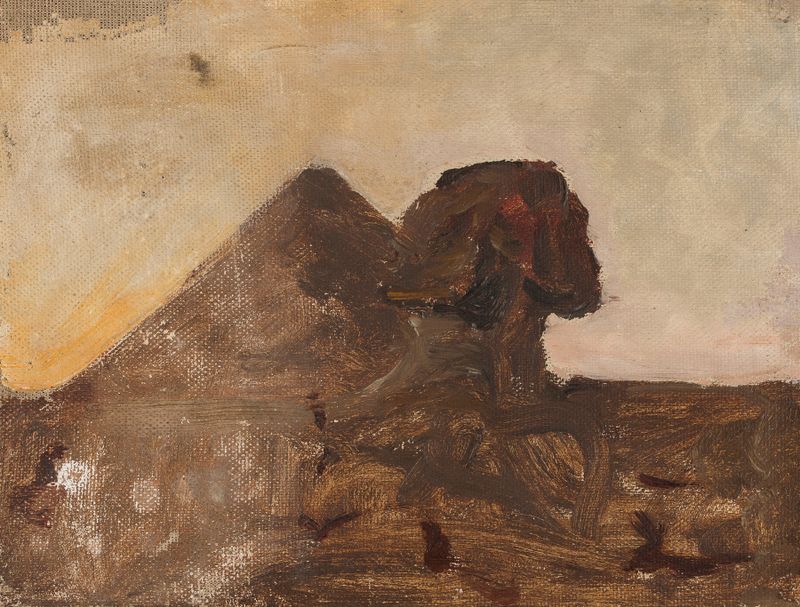
Evening in the desert – Sphinx and pyramid. From the journey to Egypt
Jan Ciągliński





