
York Water Gate — History & Facts
Did the painter know this moment would outlive them? In the delicate interplay of light and shadow, the scene captures a fleeting ecstasy—a blend of artistry and nature that transcends time. Focus first on the sweeping arch of the York Water Gate, a graceful structure rising against the backdrop of an expansive sky. Notice how the sunlight bathes the stone in a warm glow, highlighting intricate carvings and textures that seem to breathe life into the cold material. The calm waters reflect the sky’s hues, creating a dialogue between earth and atmosphere, while boats lazily drift by, their stillness contrasting the vibrancy of the architectural form. As you delve deeper, consider the tension between the manmade and the natural elements.
The water reflects serenity, yet hints at the passage of time—what secrets lie beneath its surface? The gentle curve of the gate suggests an invitation, but the distance of the boats implies a separation, evoking a desire for connection that remains just out of reach. This interplay elevates the work from mere depiction to an exploration of longing and beauty. In 1795, Thomas Malton the Younger was entrenched in the vibrant artistic landscape of England. He was known for his detailed architectural views and had a keen interest in urban landscapes.
At this time, the world was witnessing the dawn of the industrial age, and Malton's focus on structures like the York Water Gate reflects a nostalgia for the past amidst a rapidly changing present. This piece captures not just a moment, but a profound recognition of beauty in a world on the brink of transformation.
More Artworks by Thomas Malton the Younger
Browse all →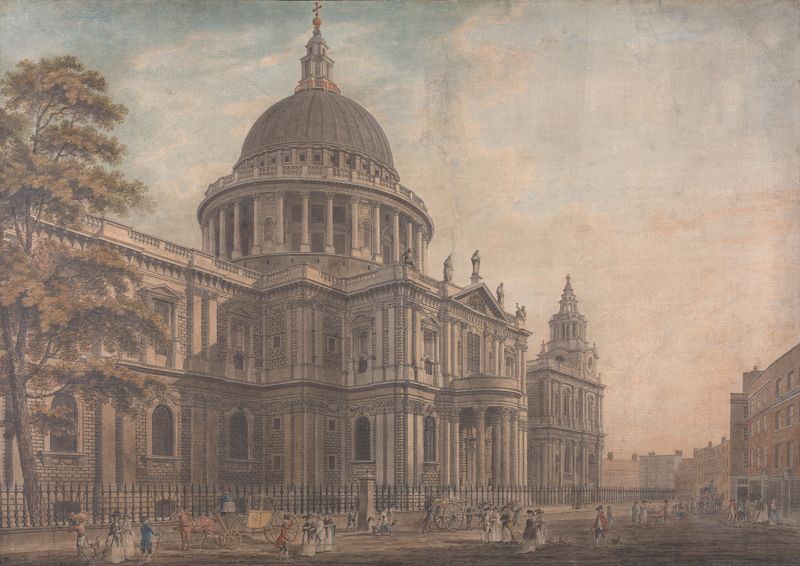
The North Front of St. Paul’s
Thomas Malton the Younger
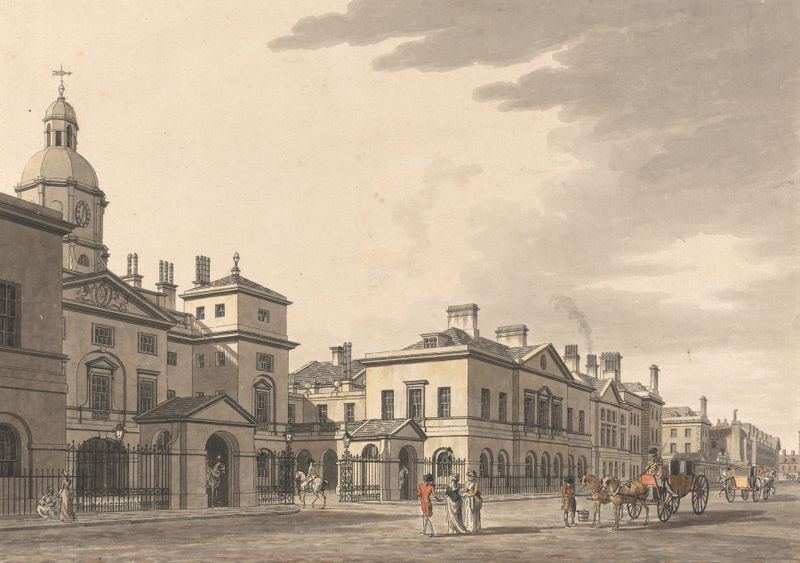
Horse Guards, Whitehall
Thomas Malton the Younger

Interior of St. Paul’s Cathedral
Thomas Malton the Younger
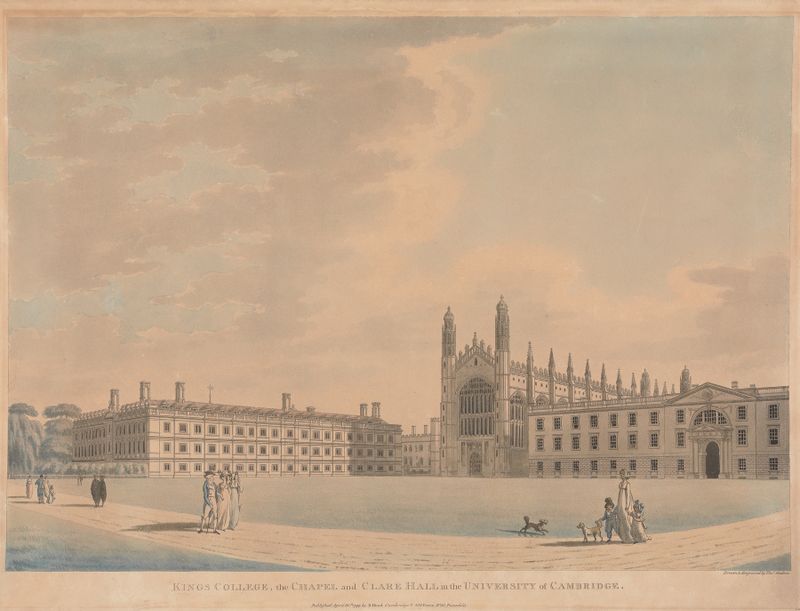
Kings College, the Chapel and Clare Hall in the University of Cambridge
Thomas Malton the Younger

Cambridge University; Jesus College
Thomas Malton the Younger
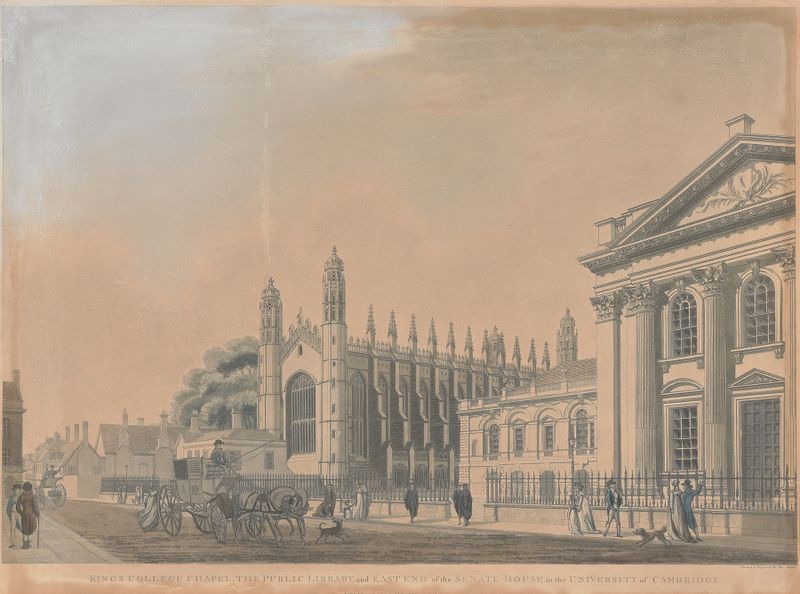
Cambridge University; Kings College Chapel
Thomas Malton the Younger
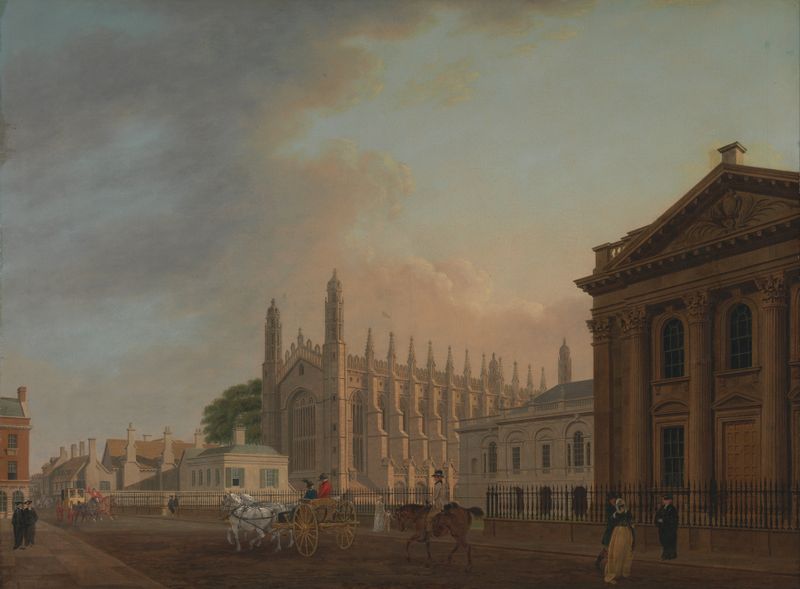
King’s Parade, Cambridge
Thomas Malton the Younger

Cambridge University; Queens College
Thomas Malton the Younger
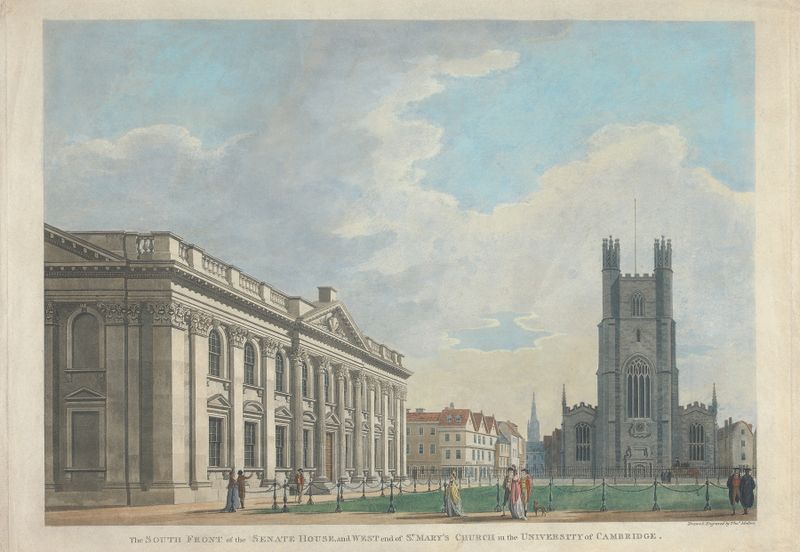
The South Front of the Senate House, and West End of St Mary’s Church in the University of Cambridge
Thomas Malton the Younger
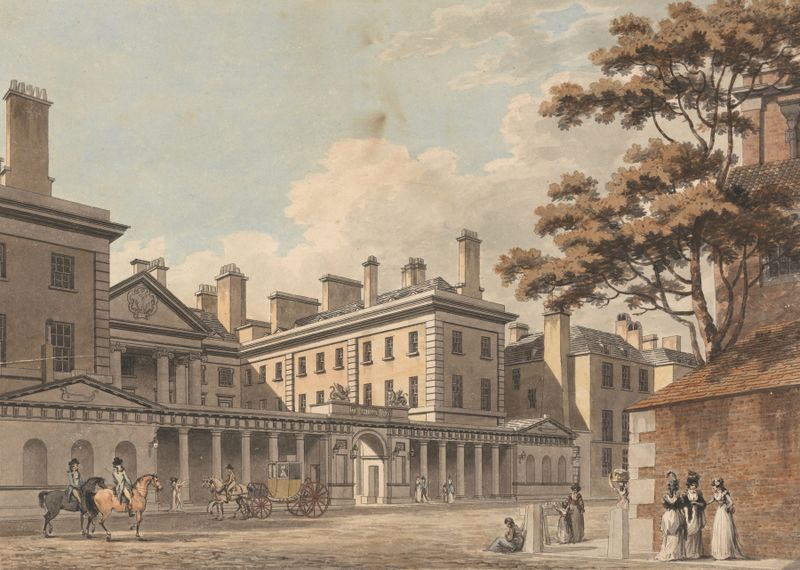
The Admiralty
Thomas Malton the Younger
More Architecture Art
Browse all →
The statue of Liberty
Frédéric Auguste Bartholdi

View of Houses in Delft, Known as ‘The Little Street’
Johannes Vermeer

View of Houses in Delft, Known as ‘The Little Street’
Johannes Vermeer

The Cathedral in Rouen. The portal, Grey Weather
Claude Monet

The yellow house
Vincent van Gogh

The Church in Auvers-sur-Oise, View from the Chevet
Vincent van Gogh