
Young Clergyman Reading — History & Facts
Is this a mirror — or a memory? The stillness of Young Clergyman Reading invites contemplation, presenting a moment suspended in time, where the fragility of thought and the weight of knowledge intertwine. Look to the left at the young clergyman, absorbed in his book, a soft glow of light illuminating his face. The gentle play of light and shadow dances across the page, drawing your gaze to the delicate interplay between his focused expression and the verdant background. Note the muted earth tones that envelop him, suggesting a serene yet somber atmosphere, reflective of both the sacred and the scholarly.
Each brushstroke captures the soft texture of his attire, emphasizing the humble yet dignified presence of the figure. A tension exists between the clergyman’s introspective posture and the world outside the frame. The surrounding drapery hints at a life filled with expectations, while the open book symbolizes both knowledge and the burden of enlightenment. The silence is palpable, evoking the fragility of understanding and the solitude that often accompanies deep thought.
Here, the act of reading transcends mere literacy; it becomes a meditation on faith, duty, and the passage of time. In 1836, the artist painted this piece in Copenhagen, a period marked by a burgeoning interest in realism and intimate portrayals of everyday life. Rørbye was navigating the complexities of his own artistic voice, choosing to represent subjects that resonated with personal and societal reflections. This work stands not only as a testament to his technique but also as a commentary on the human condition during a pivotal moment in Danish art history.
More Artworks by Martinus Rørbye
Browse all →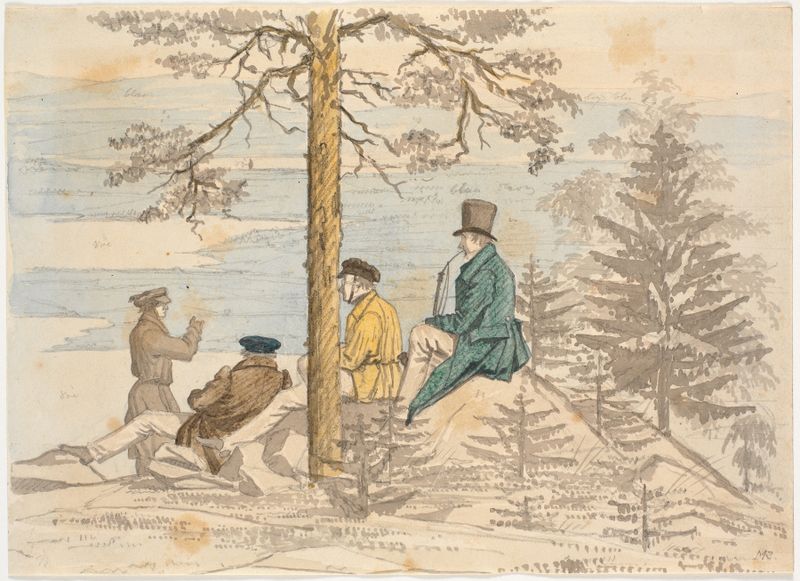
Fire mænd betragter udsigten fra Holmekollen
Martinus Rørbye
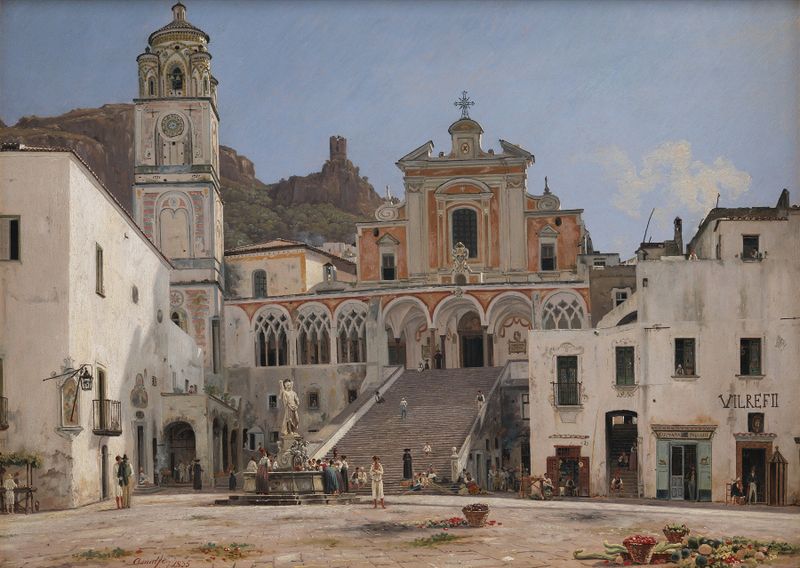
View of the Square in Amalfi
Martinus Rørbye
A Courtyard in Rome. Copy after Eckersberg
Martinus Rørbye
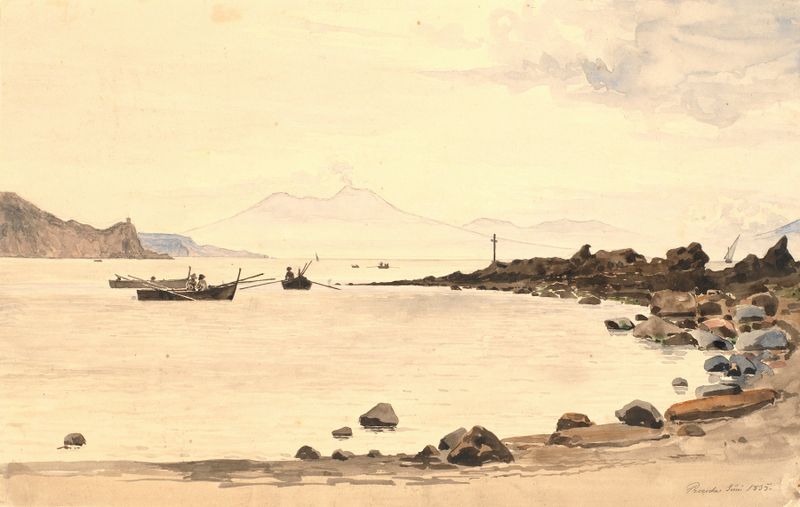
Udsigt mod Vesuv fra Procida
Martinus Rørbye
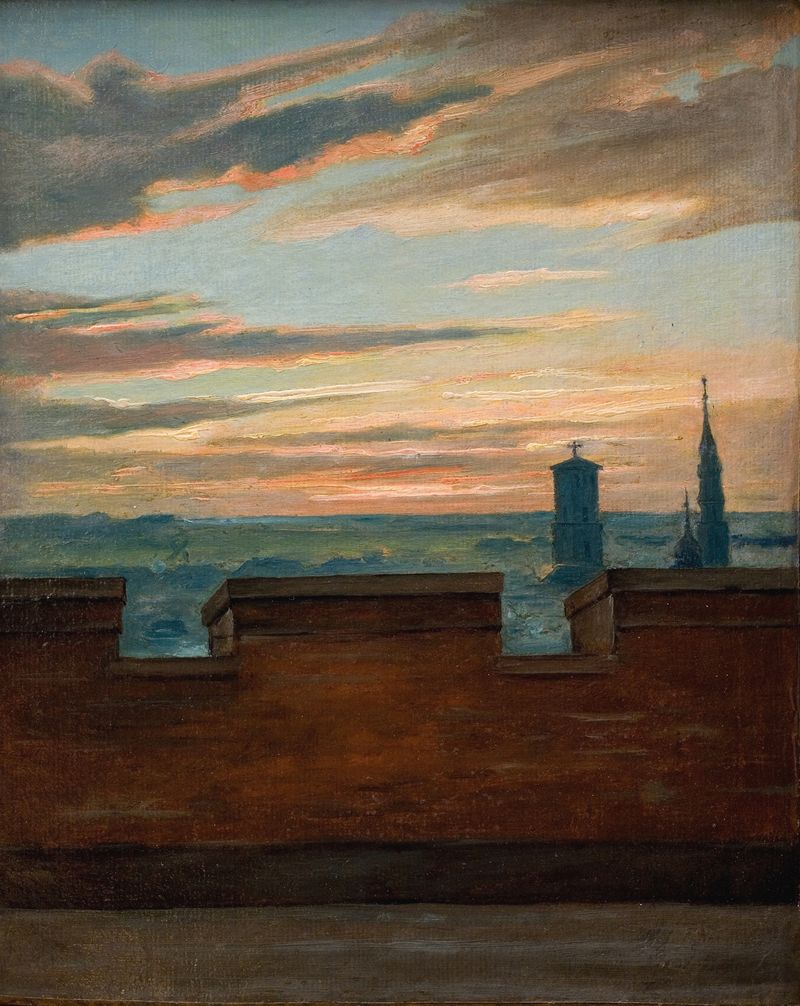
View of Copenhagen at Sunset
Martinus Rørbye
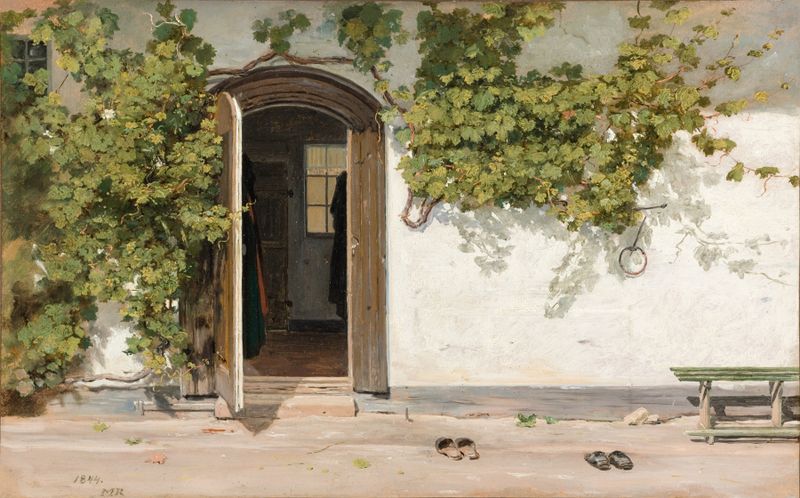
Entrance to an Inn in the Praestegarden at Hillested
Martinus Rørbye
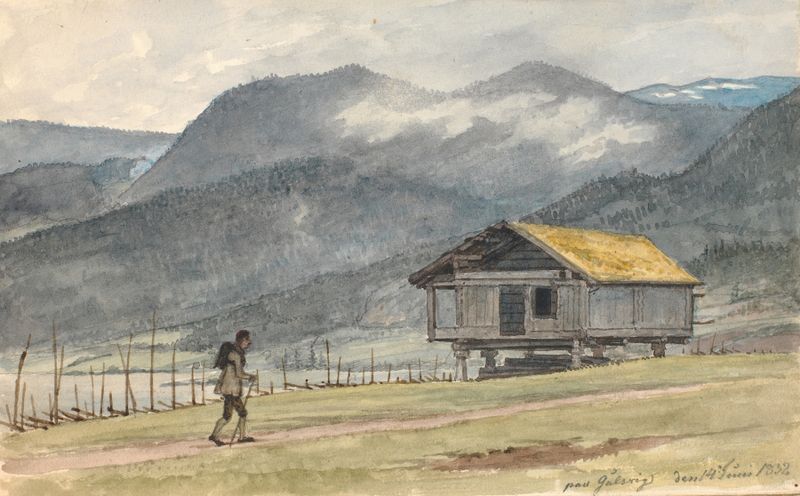
Fjeldlandskab med hytte og vandrer
Martinus Rørbye
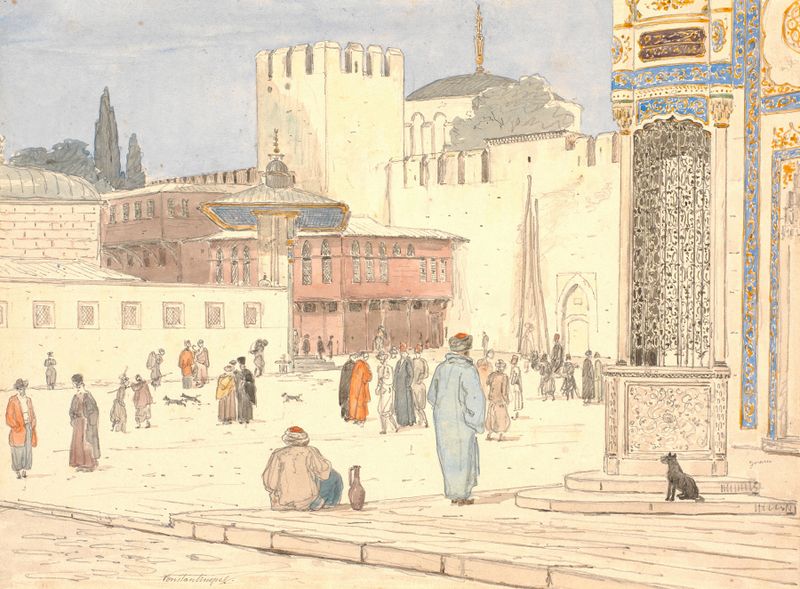
The Square in Front of Bab-i-Hümayan in Constantinople
Martinus Rørbye
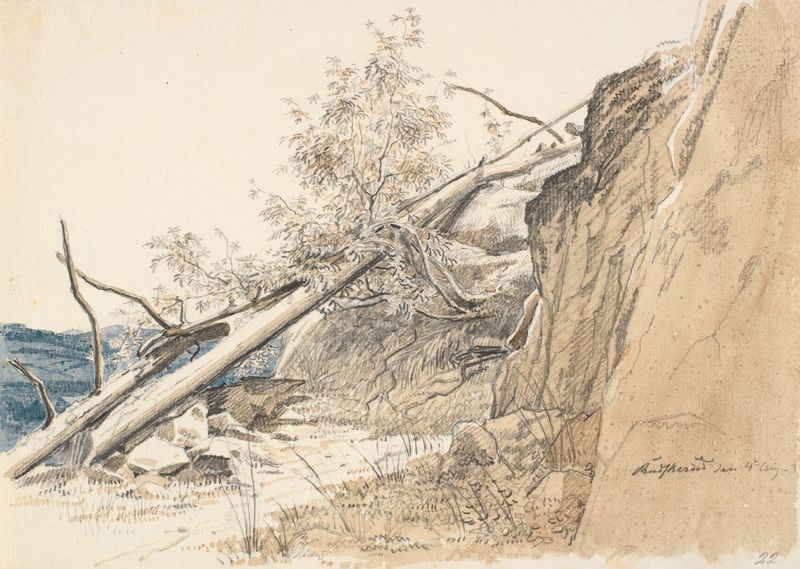
Tree Trunk Leaning Against a Rock. Norway
Martinus Rørbye
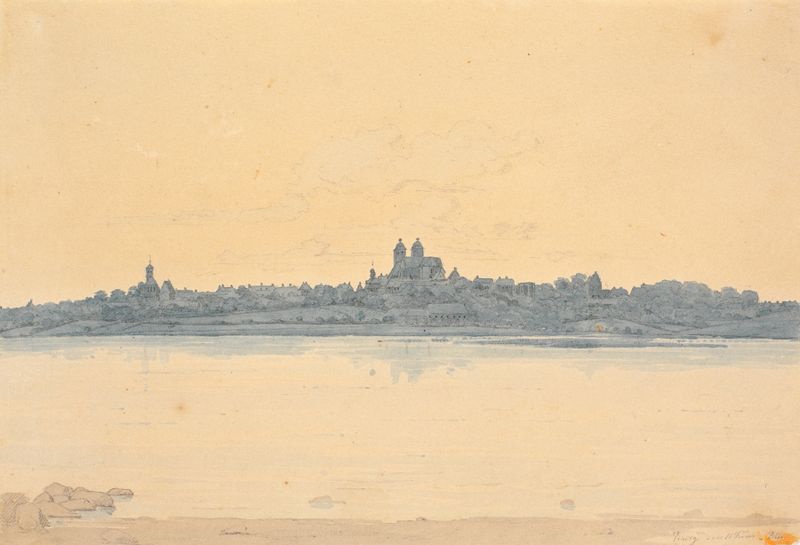
Viborg Seen from Asmild Klosterhave near Søndersø
Martinus Rørbye





