
Zaandam Windmills — History & Facts
Can paint confess what words never could? In Zaandam Windmills, the artist captures a somber moment, inviting the viewer to reflect on the fleeting nature of both time and tranquility. Look to the left, where a majestic windmill rises against a muted sky, its sails almost whispering secrets to the surrounding landscape. The earthy palette of greens and browns lends a sense of melancholy, while the gentle brushstrokes create a soft, undulating rhythm, as if the land itself breathes. The composition draws the eye toward the horizon, where the interplay of light and shadow evokes a quiet, contemplative stillness that anchors the scene. Within this serene portrayal lies a poignant contrast between human industriousness and nature's indifference.
The windmill, a symbol of progress, stands resilient yet solitary, hinting at the changes that progress inevitably brings. Small figures, barely discernible, traverse the verdant fields, their presence suggesting a fleeting connection to the landscape—reminders of mortality against the backdrop of timelessness. This interplay between the monumental and the transient imbues the work with a palpable sense of longing. In 1892, David Young Cameron painted Zaandam Windmills while living in Scotland amidst the burgeoning movements of Impressionism.
His work often explored the tension between light, landscape, and human emotion. During this period, the art world was shifting towards capturing modern experiences, yet Cameron remained deeply connected to the pastoral, reflecting a personal quest for reconciliation between the old and the new, the enduring and the ephemeral.
More Artworks by David Young Cameron
Browse all →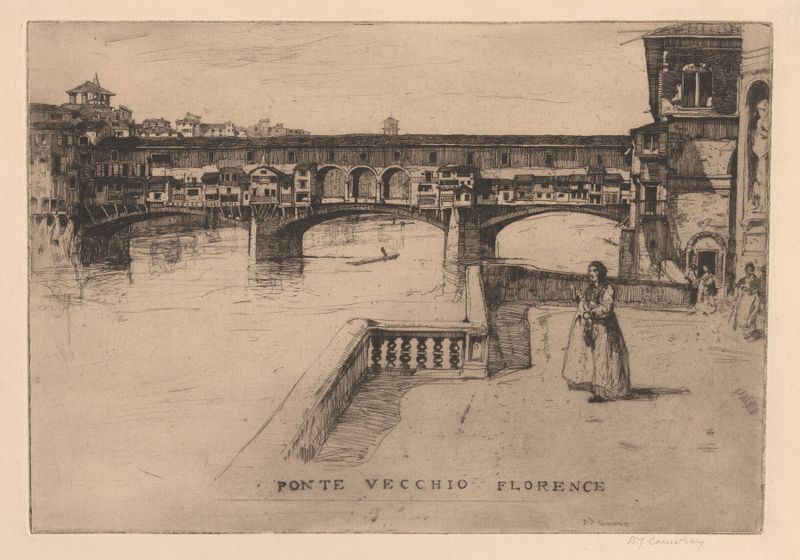
Ponte Vecchio
David Young Cameron

The Deanery, Winchester
David Young Cameron
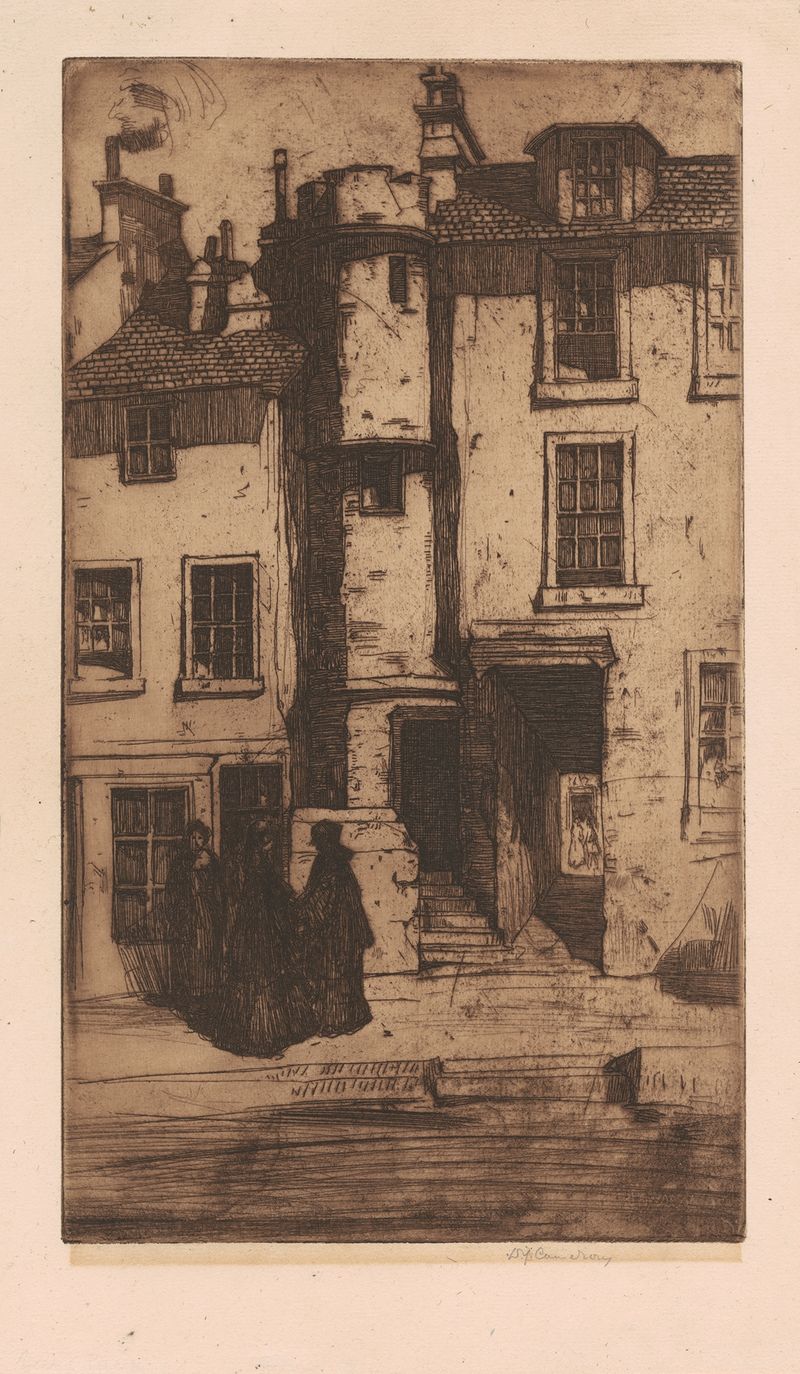
Old Houses, Stirling
David Young Cameron
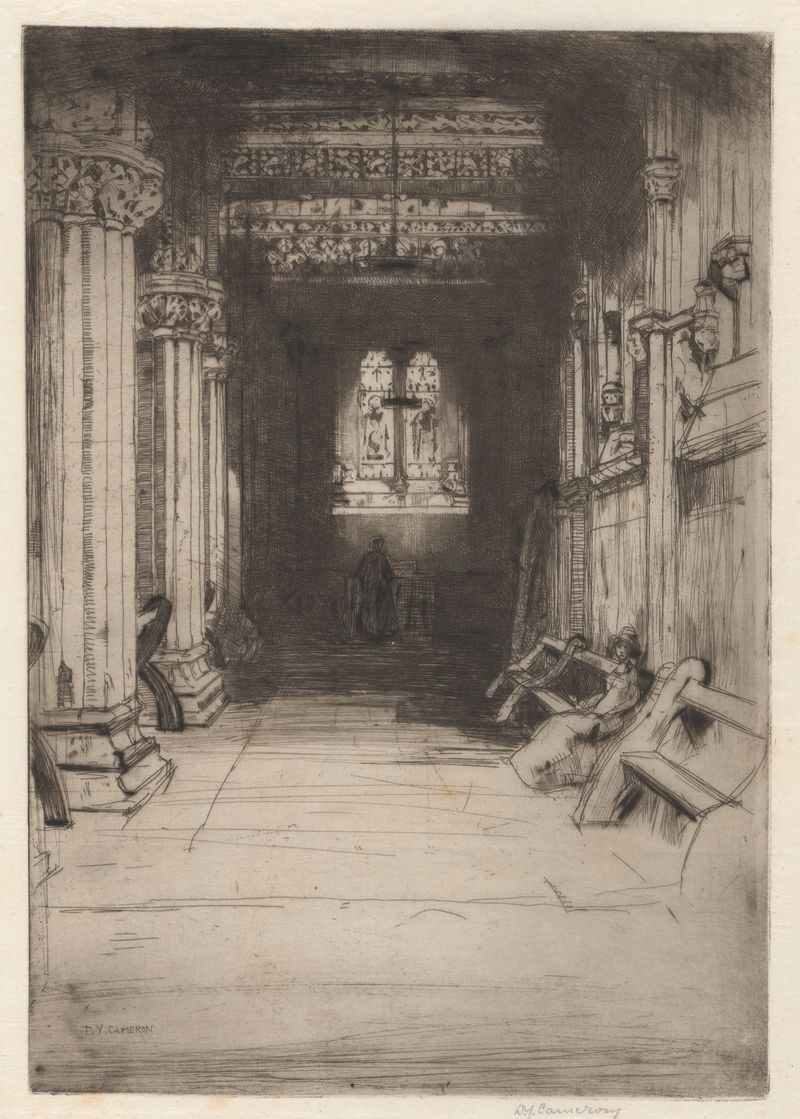
Rosslyn Chapel
David Young Cameron

The Old Museum, Beauvais
David Young Cameron
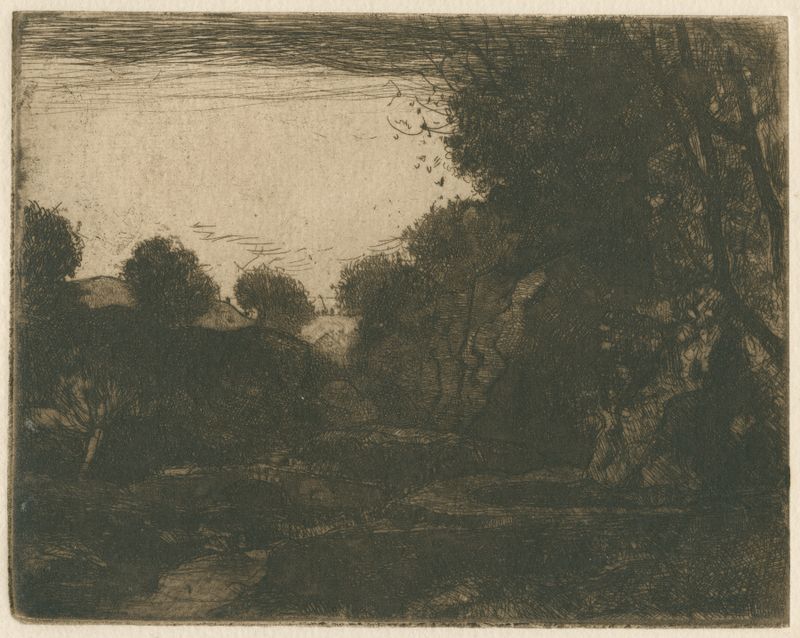
On the Bradford
David Young Cameron

The Smithy
David Young Cameron
Castle Moyle
David Young Cameron
Downing Street
David Young Cameron

Glasgow Cathedral
David Young Cameron





