Zahnradbahn auf den Kahlenberg — History & Facts
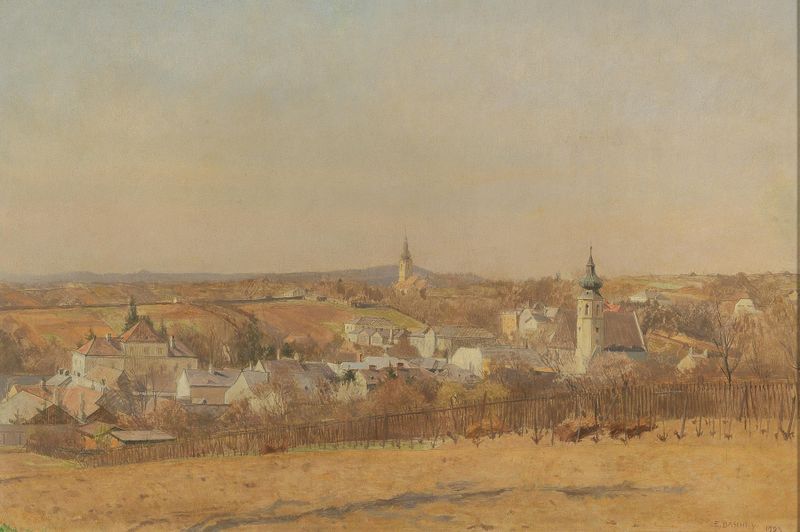
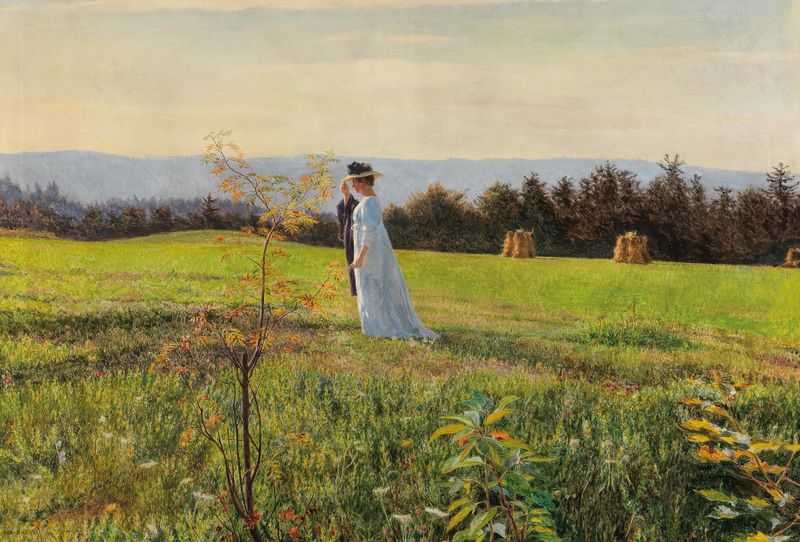
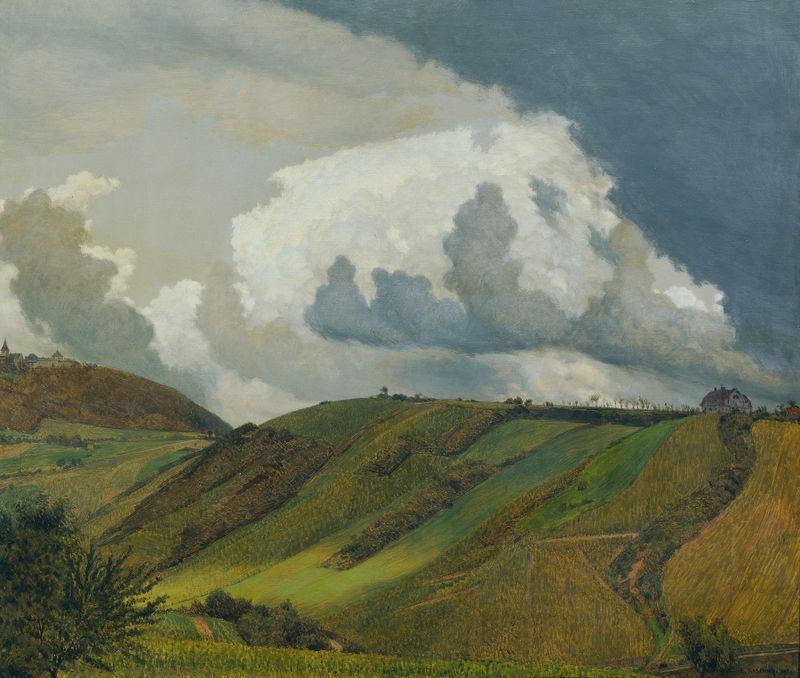
The transformative power of art lies in its ability to encapsulate the awe inspiring intricacies of life, framing moments that often slip through our fingers. In Zahnradbahn auf den Kahlenberg, the viewer is invited to experience the majestic journey of a cog railway amid rolling hills and lush landscapes. Look at the center of the canvas, where the railway appears to wind its way up toward a distant peak, echoing a spiral of movement and ascent. Notice the delicate brushwork that gives texture to the trees, each stroke a whisper that breathes life into the verdant scene.
The mineral hues of green and earthy browns contrast strikingly with the bold strokes of the railway itself, painted in vibrant colors that lead the eye upward, creating a dynamic interplay between nature and human ingenuity. As your gaze wanders, you might discern how the sunlight filters through the foliage, casting fragmented shadows that dance across the ground, symbolizing the fleeting nature of time and existence. The railway signifies progress and curiosity, yet it also stands as a reminder of man's intrusion upon the serene wilderness. This duality—of wonder and encroachment—imbues the painting with an emotional complexity that resonates deeply with the viewer. Emanuel Baschny created this masterpiece in 1918, a time when Europe was aching from the scars of World War I.
Living in Vienna, he was part of an artistic movement that sought to capture the beauty of everyday life amidst the surrounding chaos. The tranquility of this scene reflects a longing for peace and a return to harmony, indicative of both his personal narrative and the broader cultural context of post-war recovery and renewal.