
Zahnwehherrgott at the choir of Saint Stephen’s — History & Facts
This notion echoes through the vibrant colors of this piece, where the hues tell a story of struggle and grace intertwined. Each brushstroke captures the duality of existence, revealing how joy and sorrow coexist within the human experience. Look to the center of the canvas where golden light bursts forth, illuminating the intricate details of the choir. The deep blues and rich reds surrounding it serve as a stark contrast, drawing the eye to the divine radiance.
Notice how the folds of the drapery ripple with movement, suggesting a dance between the sacred and the mundane. The artist employs a masterful blend of chiaroscuro, creating a dynamic interplay of light and shadow that adds depth and invites contemplation. Delve deeper, and you’ll discover that the interplay of color is not merely decorative; it evokes an emotional response, hinting at unspoken narratives. The warm tones could symbolize hope, while the cooler shades may mirror the weight of suffering.
This tension between vibrancy and darkness reflects the complexities of faith and redemption, leaving the viewer to ponder the bittersweet nature of beauty itself. Ernst Graner painted this work during a period marked by personal and artistic exploration. Though the exact date remains uncertain, it is believed to have been created in the late 19th century, a time when artists began to break from traditional constraints and embrace emotion through color. The backdrop of this transformative era in art provided Graner with opportunities to experiment, ultimately shaping his unique vision.
More Artworks by Ernst Graner
Browse all →
The Departure of Emperor Francis Joseph, near the Schweizertor in Hofburg residence
Ernst Graner

Old Albrechtsplatz (today Albertinaplatz) in Vienna with the Philipphof and the Mozart monument
Ernst Graner
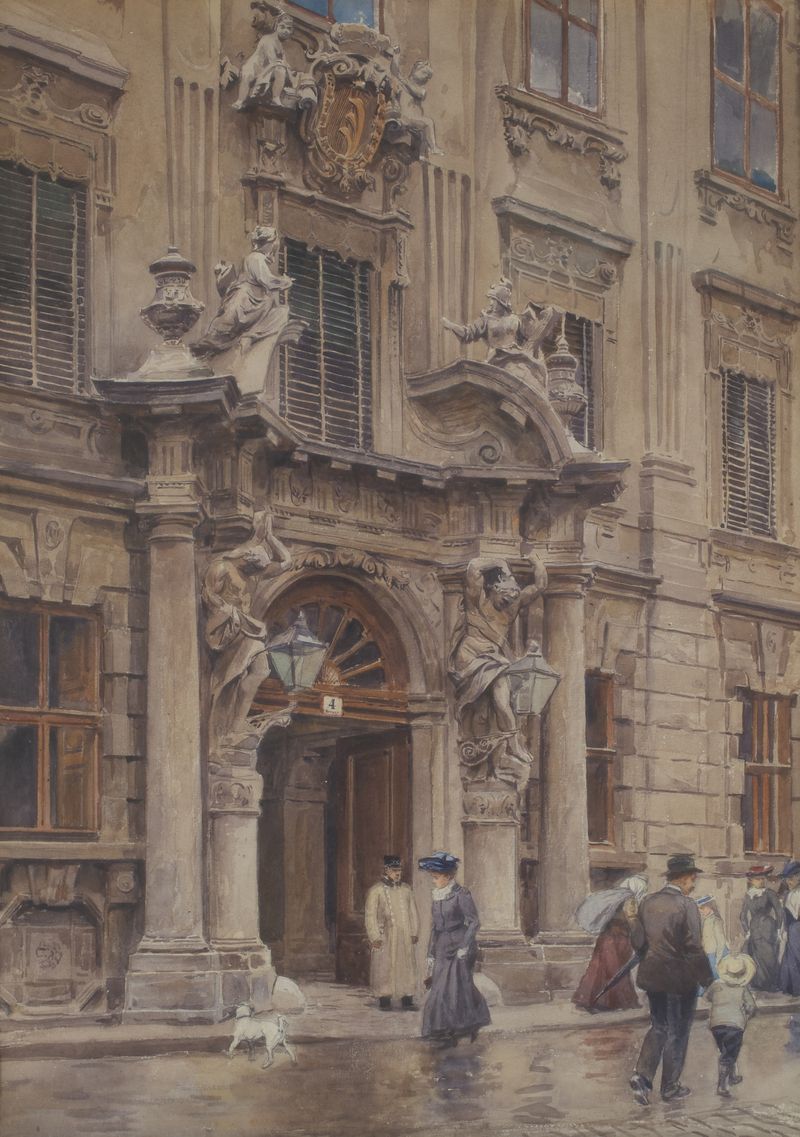
Das Portal Des Palais Kinsky
Ernst Graner
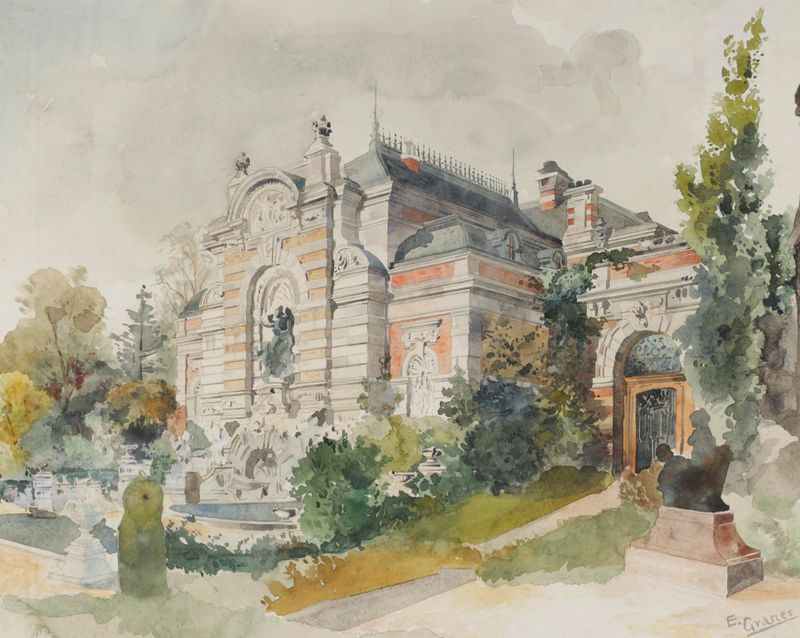
Villa in einem Park
Ernst Graner

Karlskirche
Ernst Graner

Kaiser Franz Joseph überquert den Naschmarkt
Ernst Graner

Palais des Prinzen Eugen in der Himmelpfortgasse
Ernst Graner

Die Schwendergasse In Wien Mit Schwenders Colosseum
Ernst Graner
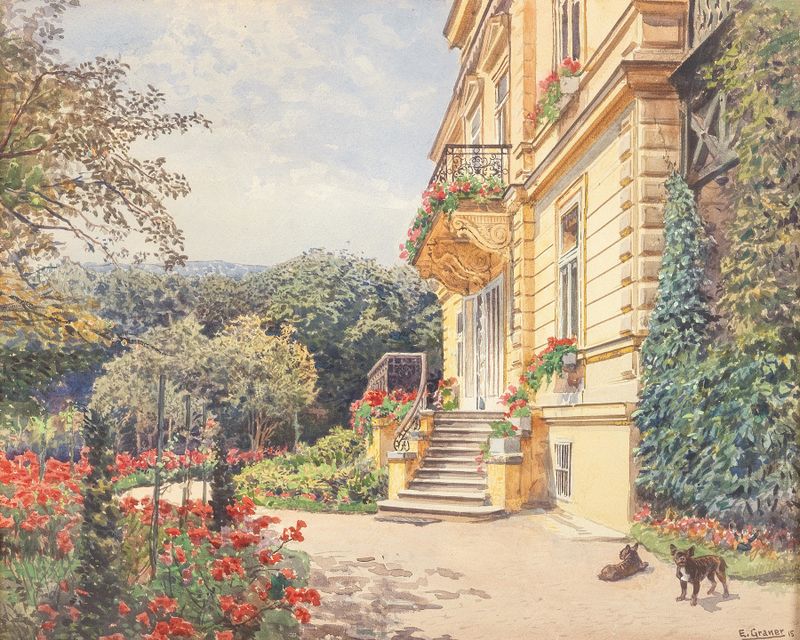
Villa in gepflegtem Garten
Ernst Graner
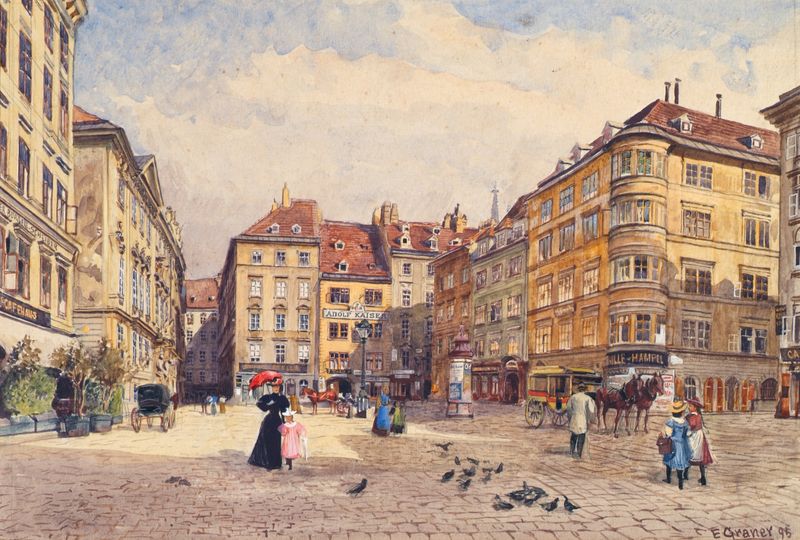
Der Judenplatz In Wien
Ernst Graner
More Religious Art
Browse all →
The Return of the Prodigal Son
Rembrandt van Rijn

The Garden of Earthly Delights
El Bosco

Count Orgaz’ funeral
El Greco

The Hundred Guilder Print: the central piece with Christ preaching, the plate arched
Rembrandt van Rijn

The Descent from the Cross
Rogier van der Weyden

The return of the prodigal son
Rembrandt van Rijn