
Zelfportret van — History & Facts
A glance at this portrait draws you first to the sitter’s alert, almost questioning gaze, caught somewhere between curiosity and reserve. The artist has chosen a moment of poised attention, as if interrupted mid-thought or mid-conversation. The high-crowned black hat, crisply modeled against the dark backdrop, lends a note of urban sophistication, while the soft, almost unfinished treatment of the hair and flesh hints at the immediacy of the encounter.
The light falls from the left, illuminating the sitter’s cheek and the folds of his cravat, guiding the viewer’s eye to the subtle play of expression around the mouth and eyes. This is not a static likeness, but a study in presence—one that invites us to wonder what, or whom, has just entered the room. Portraits from the late eighteenth and early nineteenth centuries often served as both personal statement and public document, especially in the Netherlands, where the rising middle class commissioned likenesses to assert their place in a changing society. The date range for this work, between 1775 and 1820, places it squarely in a period of social and political upheaval, when self-presentation was a matter of both pride and necessity.
The painting now resides in the collection of Geldersch Landschap en Kasteelen, a reminder that many such images have outlasted the world that produced them, their sitters’ names sometimes fading even as their faces remain vivid. In looking, we are drawn into a silent dialogue across centuries, left to imagine the life behind the steady gaze.
More Artworks by Adriaan de Lelie
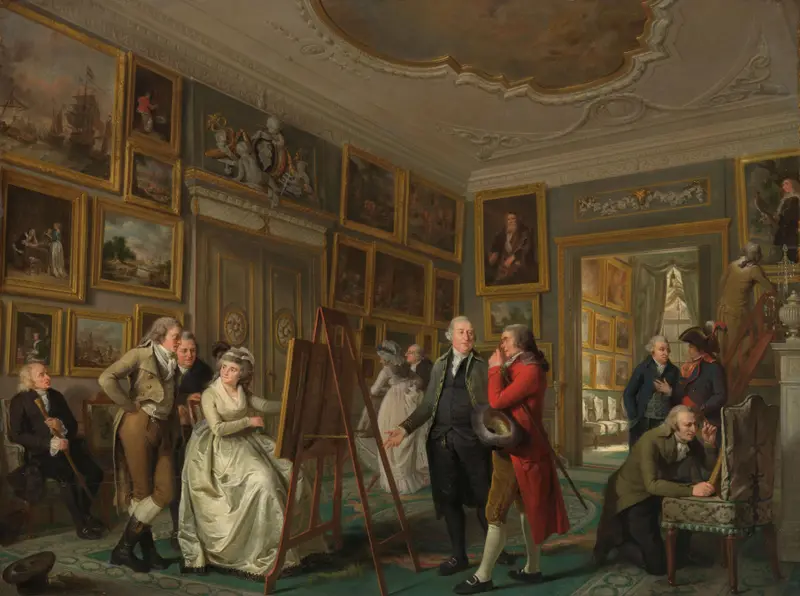
The Art Gallery of Jan Gildemeester Jansz
Adriaan de Lelie
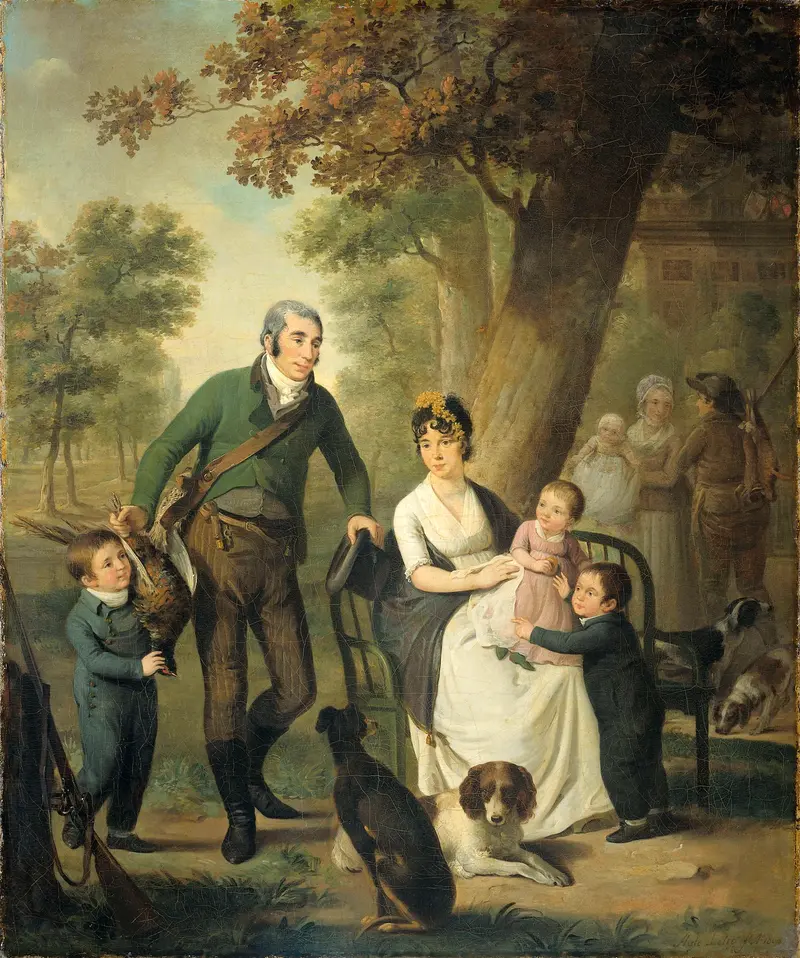
Jonkheer Gysbert Carel Rutger Reinier van Brienen van Ramerus(1771-1821), with his Wife and four of their Children
Adriaan de Lelie
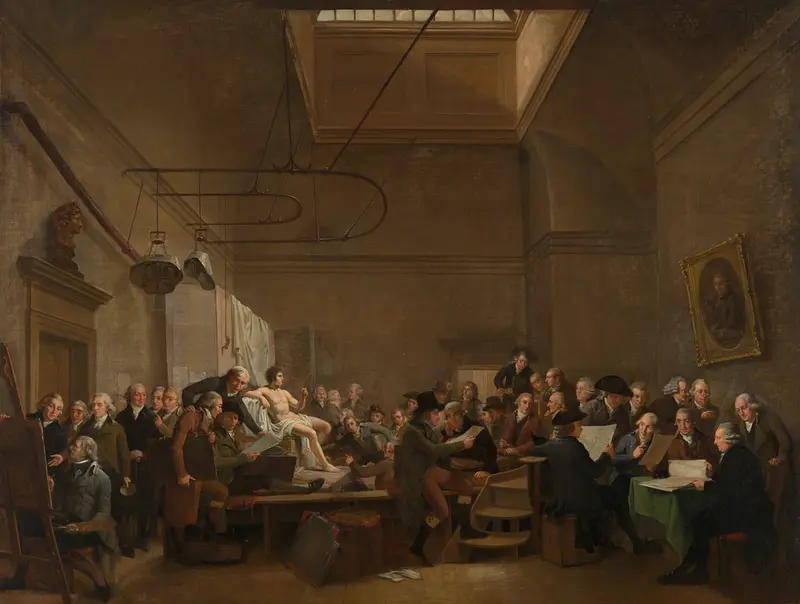
The Drawing Gallery of the Felix Meritis Society
Adriaan de Lelie
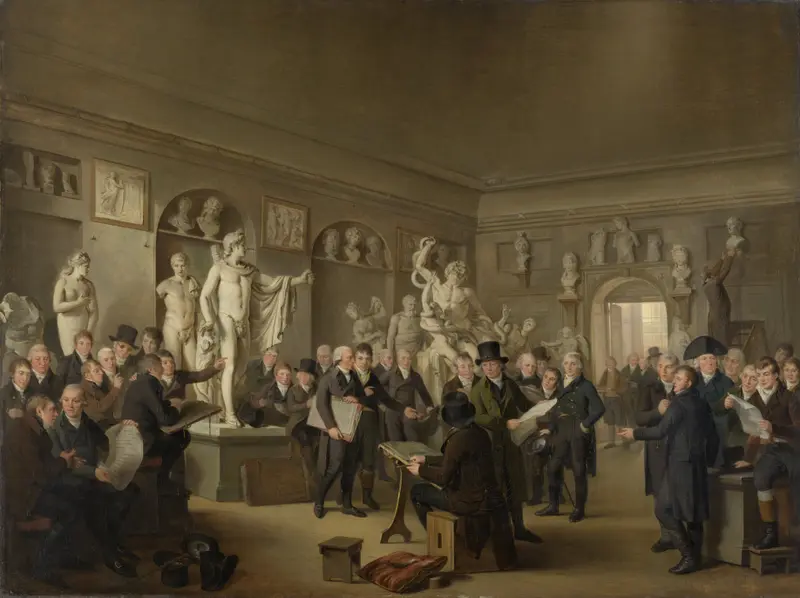
The Sculpture Gallery of the Felix Meritis Society
Adriaan de Lelie
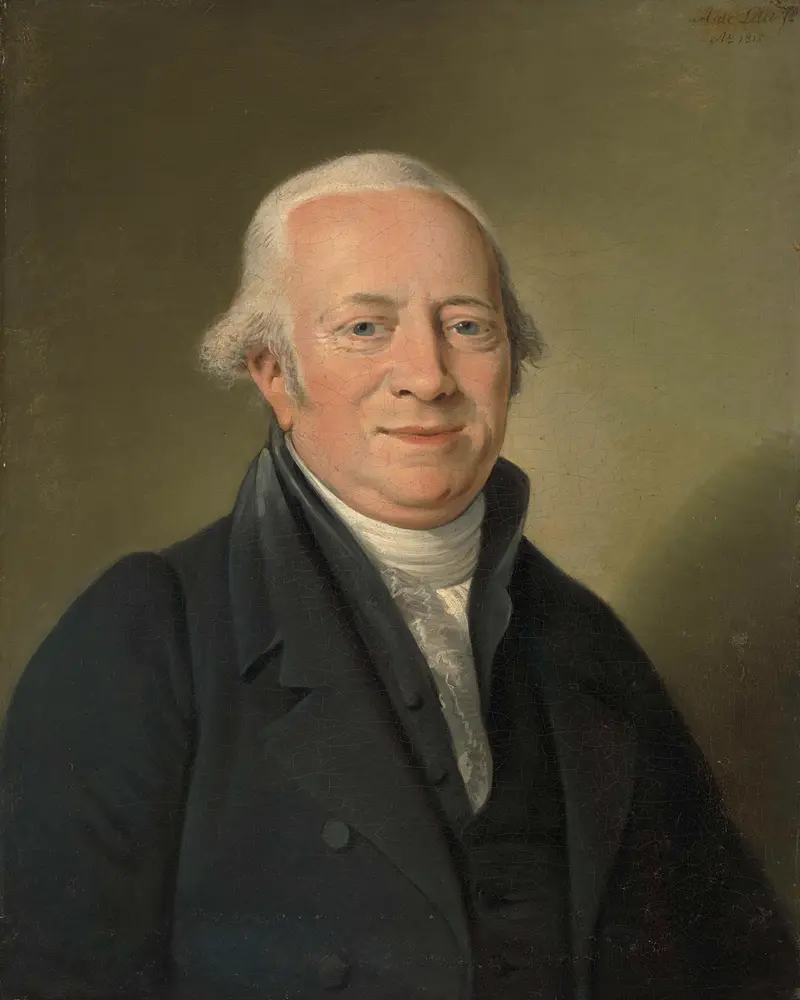
Cornelis Sebille Roos (1754-1820), Amsterdam Art Dealer and Keeper of the Nationale Konst-Gallery in Huis ten Bosch, The Hague
Adriaan de Lelie
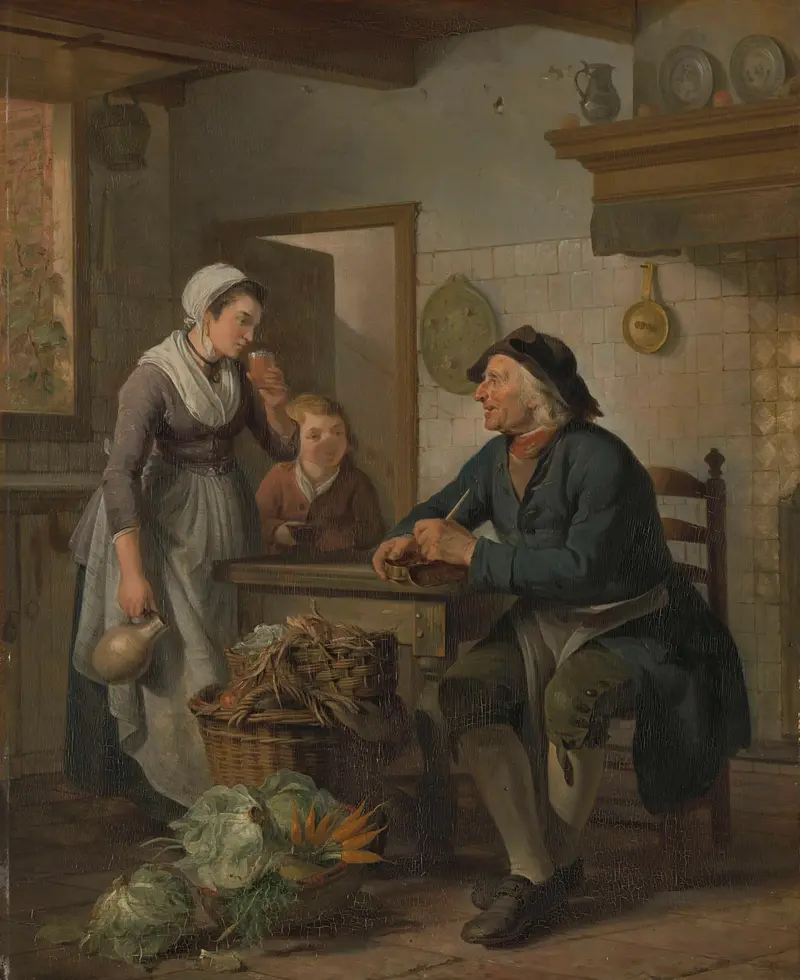
Morning Visit
Adriaan de Lelie
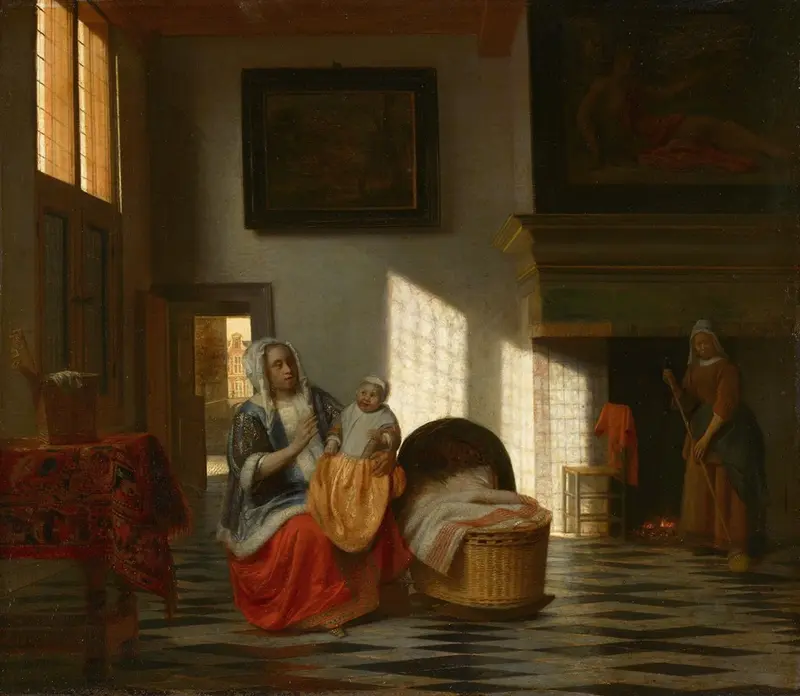
Mother and Two Children with Still Life
Adriaan de Lelie
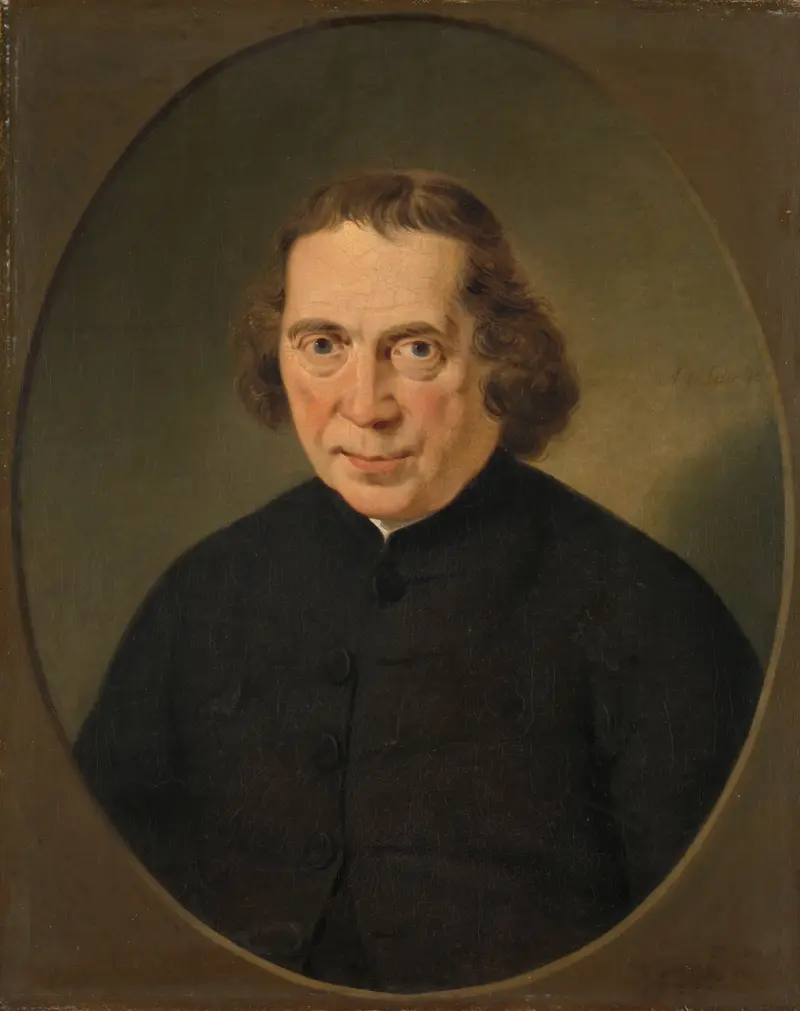
Portrait of Jan Nieuwenhuyzen
Adriaan de Lelie
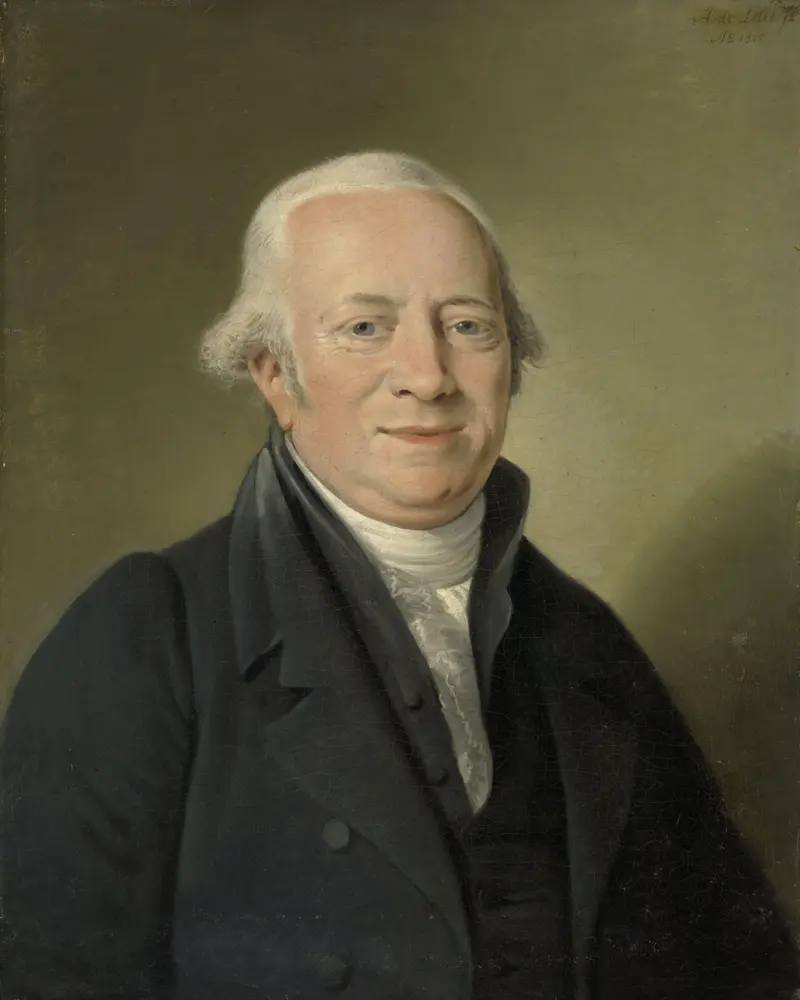
Portrait of Cornelis Sebille Roos, Art Dealer in Amsterdam and Inspector of the National Konst-Gallery and the Huis ten Bosch in The Hague
Adriaan de Lelie
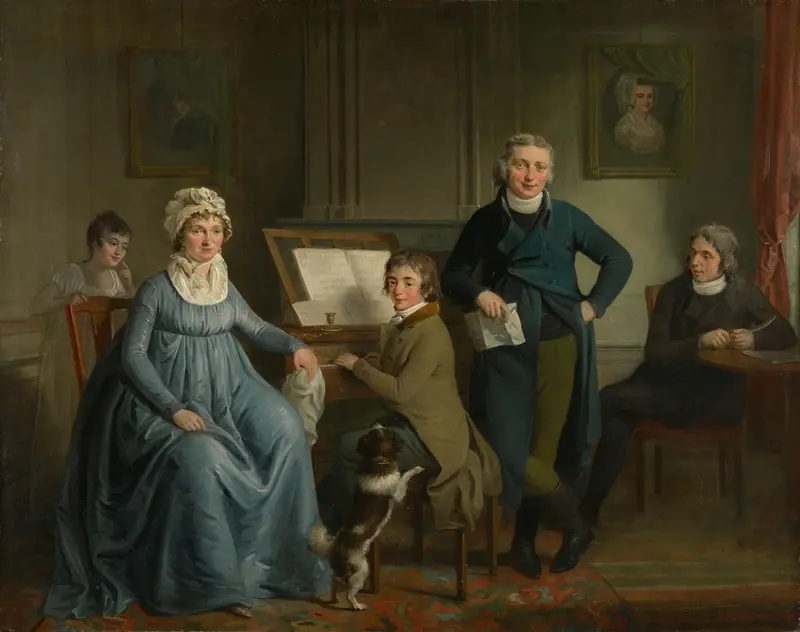
Musical family
Adriaan de Lelie





