
Zittend kind — History & Facts
Who listens when art speaks of silence? A small child, seated and seemingly lost in thought, embodies a world that teeters on the brink of madness — an uncanny stillness wrapped in the layers of innocence. Focus your gaze on the child’s expression, a juxtaposition of simplicity and depth. Notice how the soft light cascades gently over the child’s delicate features, highlighting the contours of the face while casting subtle shadows that whisper of unspoken emotions. The muted palette, dominated by earthy tones, envelops the figure, inviting a sense of warmth yet also an undercurrent of unease.
The child’s position, poised yet relaxed, suggests a moment of introspection, perhaps caught in the chaotic thoughts of a world too large for such small shoulders. Delve deeper into the implications of this scene. The child’s wide eyes reflect a vulnerability that starkly contrasts with the surrounding opulent décor, hinting at a haunting awareness of the complexities of life. The artist’s choice to depict this solitary moment may evoke feelings of both comfort and discomfort, inviting viewers to ponder the madness lurking beneath the façade of childhood innocence.
The stillness here is profound, echoing the unsettling notion that silence often conceals deeper turmoil. In the mid-1470s, the artist, known for their intricate attention to detail, operated within the flourishing cultural milieu of the Northern Renaissance in the Netherlands. During this period, the art world was witnessing a shift towards realism and psychological depth, as artists explored individual emotion and the human condition. Zittend kind emerged from this era, capturing the essence of a society grappling with both beauty and madness, offering a glimpse into the complexities of life experienced even by the youngest among us.
More Artworks by Meester van het Amsterdamse Kabinet
Browse all →
De Heilige Familie bij de rozenstruik
Meester van het Amsterdamse Kabinet

Hertenjacht
Meester van het Amsterdamse Kabinet
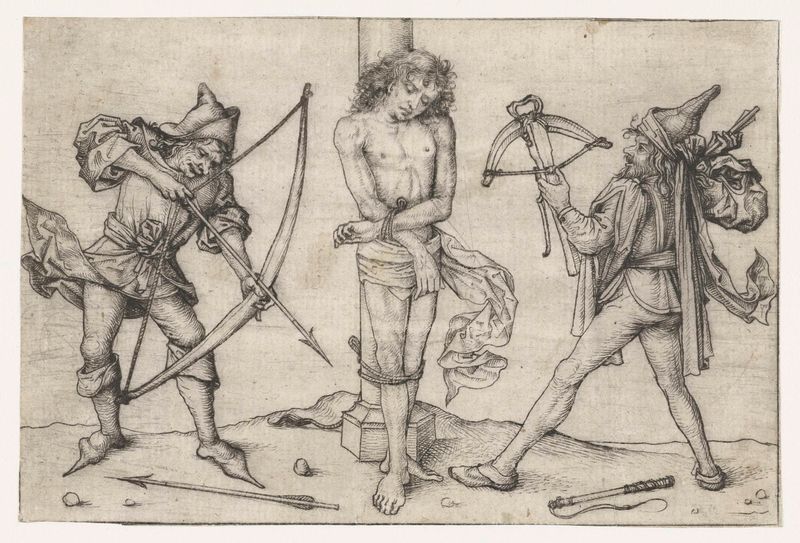
Heilige Sebastiaan met boogschutters
Meester van het Amsterdamse Kabinet

Het lichaam van Christus ondersteund door twee engelen
Meester van het Amsterdamse Kabinet

Heilige Anna-te-Drieën
Meester van het Amsterdamse Kabinet

Heilige Barbara (grote versie)
Meester van het Amsterdamse Kabinet
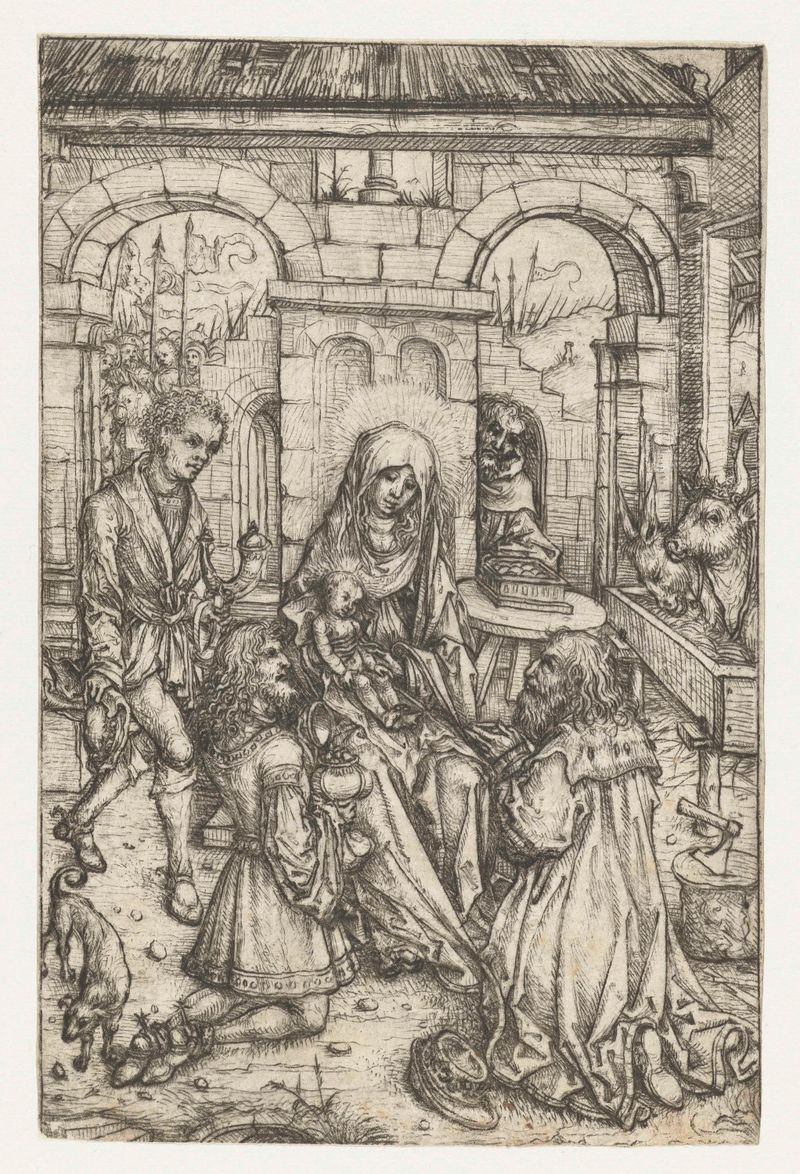
Aanbidding der koningen
Meester van het Amsterdamse Kabinet
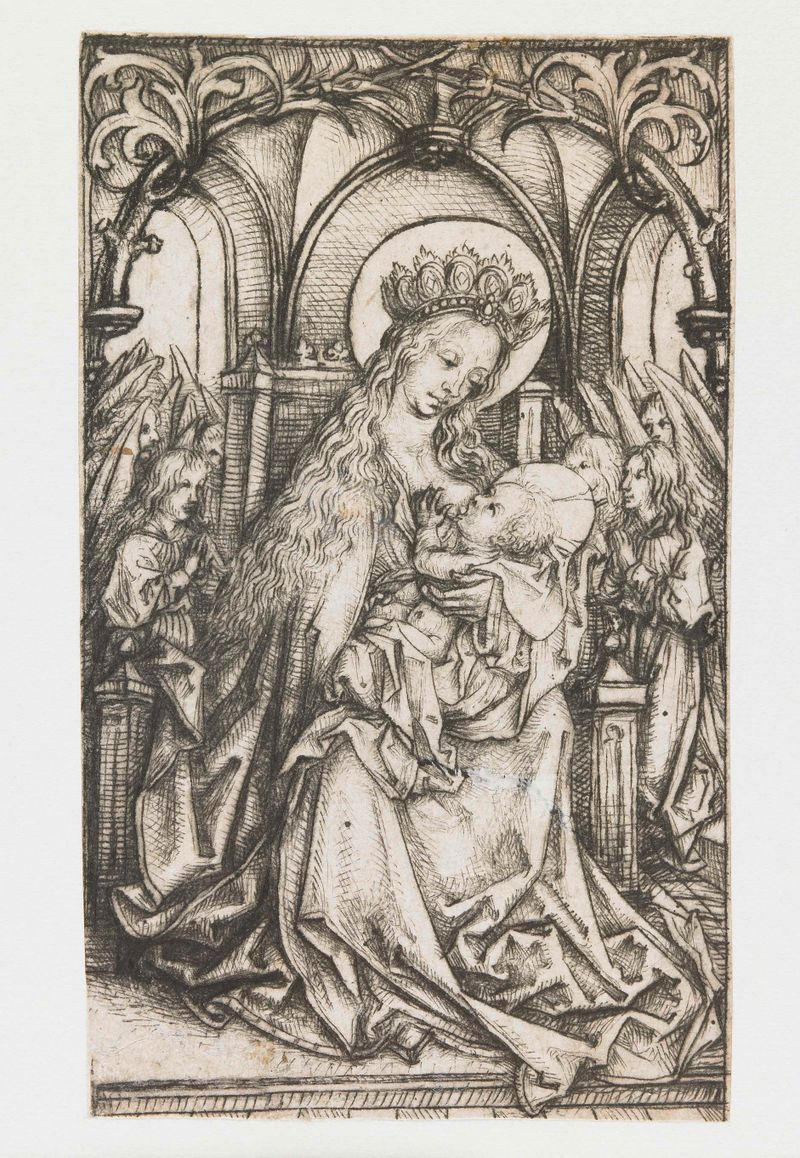
Tronende Madonna door engelen aanbeden
Meester van het Amsterdamse Kabinet

Het zegenend Christuskind
Meester van het Amsterdamse Kabinet
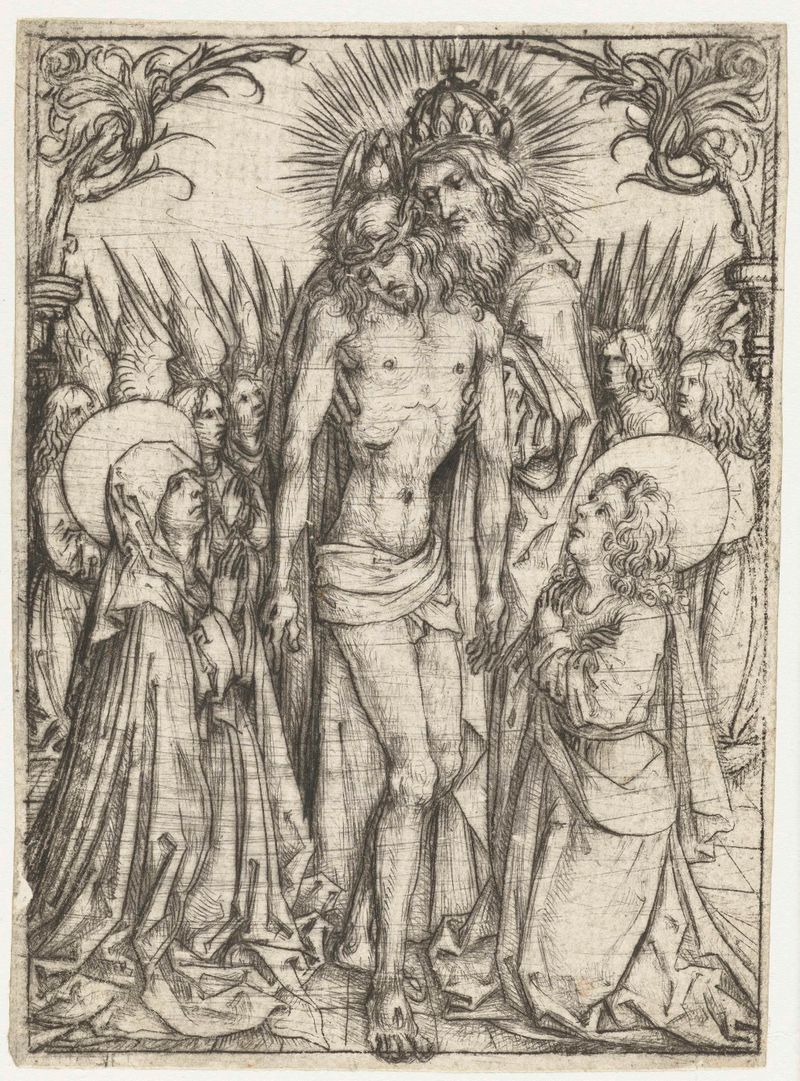
Aanbidding van de Heilige Drieëenheid door Maria, Johannes de Evangelist en engelen
Meester van het Amsterdamse Kabinet





