
Zittende schrijvende man — History & Facts
This duality of destruction and creation permeates the essence of Zittende schrijvende man, where violence is subtly woven into the fabric of existence. Focus first on the figure seated at the table, an embodiment of quiet intensity. The composition draws your eye toward his furrowed brow, the concentration etched into his features. Notice how the light cascades from an unseen source, illuminating his hands poised above the parchment, as if caught in a moment of both contemplation and impending action.
The rich palette of dark hues surrounding him enhances the gravity of the scene, suggesting that even in stillness, tension simmers beneath the surface. Beyond the surface, the contrast between the man’s poised demeanor and the subtle disarray of the desk speaks volumes. The scattered inkpots and loose sheets evoke a sense of urgency and chaos, implying that thoughts, perhaps violent or disruptive, are struggling to be articulated. Each stroke of the brush reveals not just a writer’s physical presence, but an exploration of the human condition — the turmoil of ideas and the struggle for expression, where violence may lurk in the shadows of his creativity. Painted between 1642 and 1681, this piece reflects a time when its creator navigated the complex landscape of 17th-century Dutch art.
Van der Cooghen was a contemporary of the Dutch Golden Age, a period marked by flourishing artistic innovation and tumultuous social change. Working in a milieu that embraced both artistic exploration and political unrest, he captured not merely a moment, but a profound commentary on the interplay between thought and violence, creation and chaos.
More Artworks by Leendert van der Cooghen
Browse all →
Portret van een onbekend meisje met een mutsje op
Leendert van der Cooghen
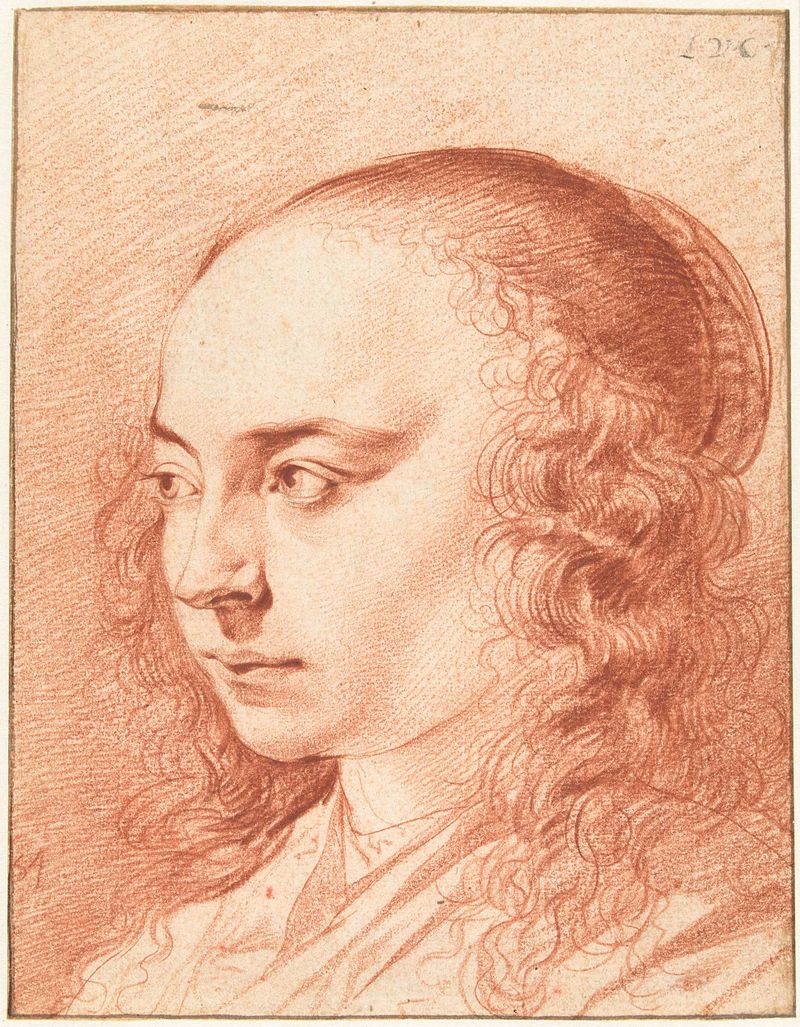
Portret van een onbekende jonge vrouw
Leendert van der Cooghen
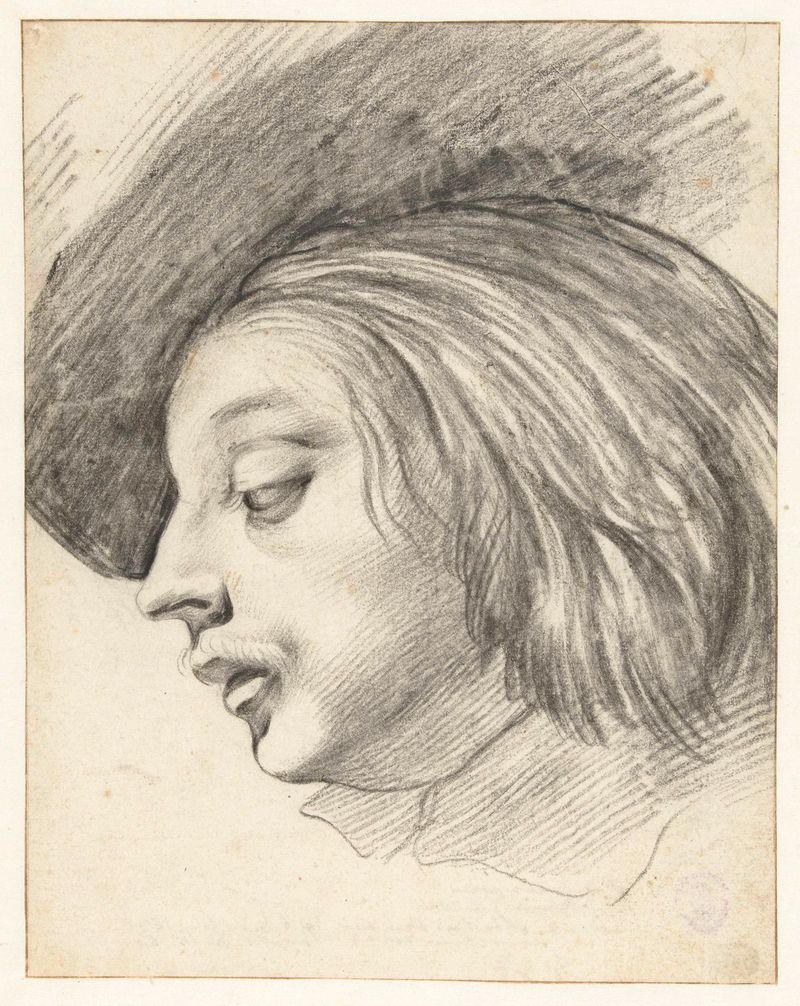
Portret van de kunstenaar Dirck Helmbreeker
Leendert van der Cooghen
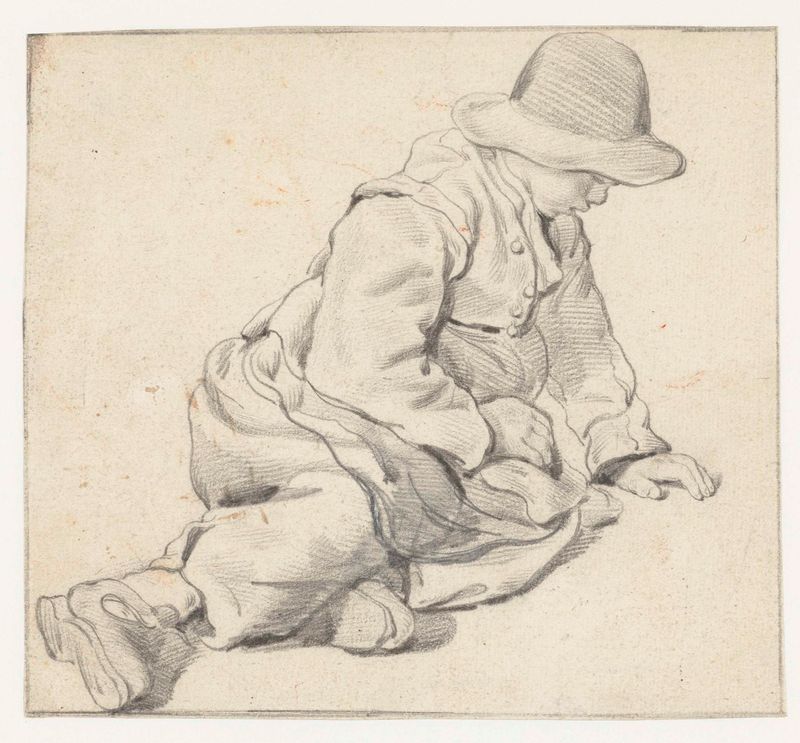
Zittend jongetje
Leendert van der Cooghen

Hoofd van een jongen
Leendert van der Cooghen
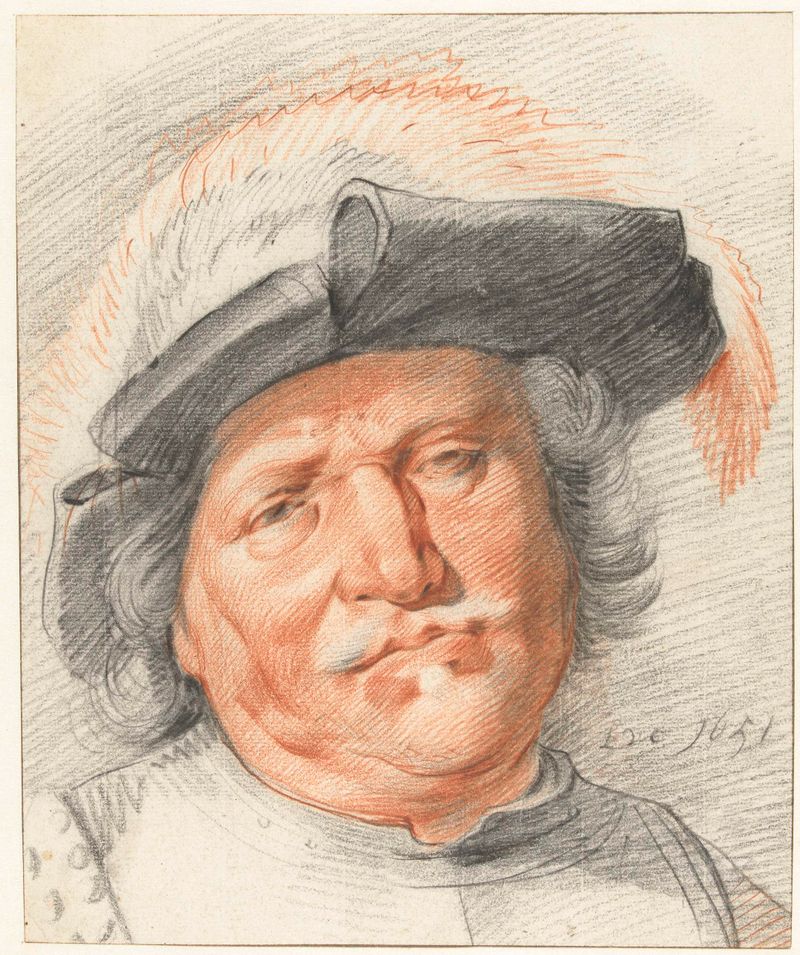
Hoofd van een man
Leendert van der Cooghen

David met het hoofd van Goliath
Leendert van der Cooghen
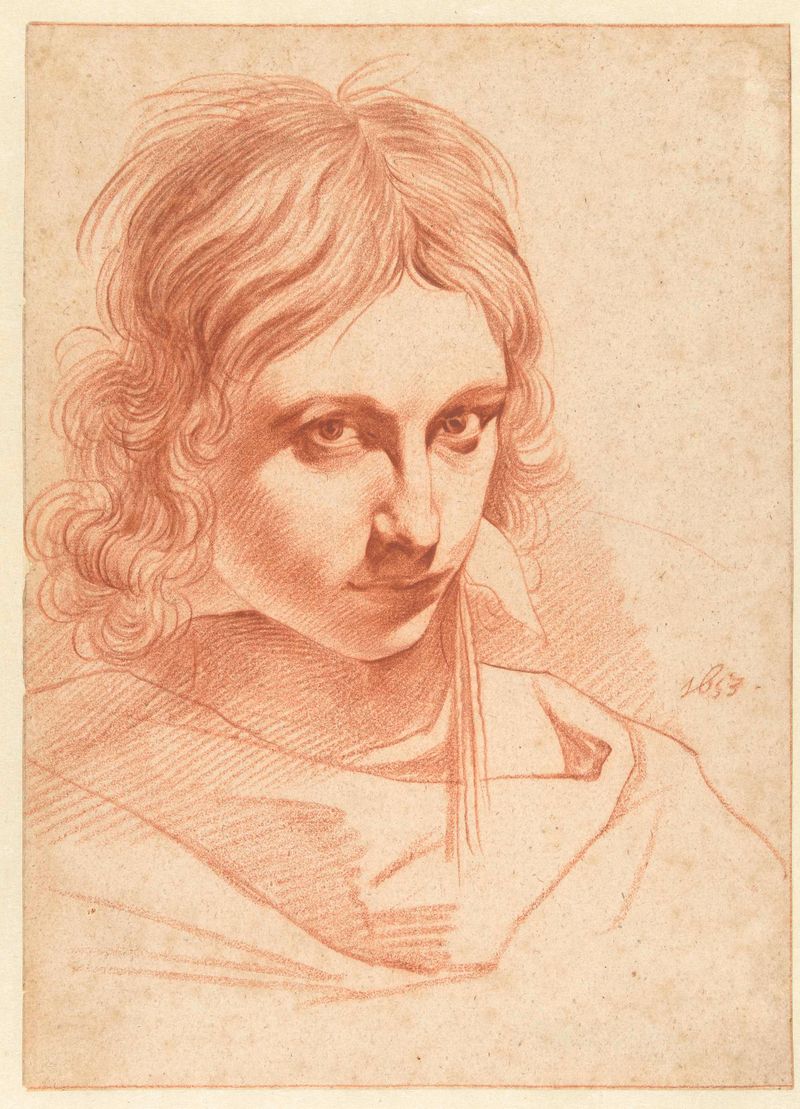
Zelfportret van Leendert van der Cooghen (?)
Leendert van der Cooghen

Hoofd van een jongen, naar rechts
Leendert van der Cooghen
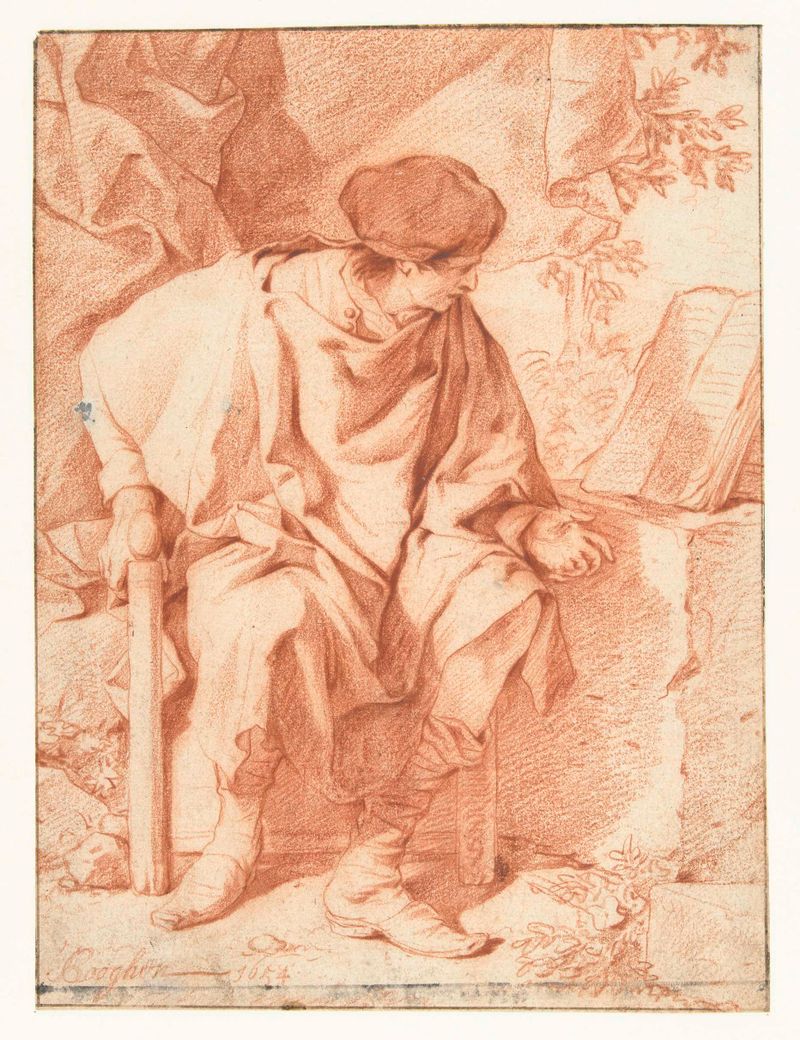
Landschap met een lezende man
Leendert van der Cooghen





