
Zwei Reiter am Flussufer mit einem geborstenen Ast — History & Facts
Is this a mirror — or a memory? In Zwei Reiter am Flussufer mit einem geborstenen Ast, the viewer is beckoned into a world where time appears suspended, caught delicately between the past and the present. Look to the left at the two riders poised against the gentle flow of the river. The light dances on the water’s surface, while shadows play across their figures, hinting at an unspoken dialogue between them. Keller’s soft brushwork and harmonious color palette elicit a sense of calm, drawing the eye deliberately through the composition, where the fractured branch on the ground anchors the scene and connects the ethereal to the earthly. The broken branch serves as a powerful symbol of lost continuity, echoing the transitory nature of life.
Behind the riders, the lush landscape, depicted with intricate detail, stands in stark contrast to the fragility of the branch, creating a poignant juxtaposition of permanence and decay. This tension suggests a deeper narrative—the riders may embody memories, echoing the fleeting moments that shape our existence, while the river symbolizes the relentless passage of time. In 1858, Keller was painting in Germany during a period where Romanticism influenced a deep appreciation for nature and personal reflection. His works often explored themes of nostalgia and connection to the landscape, paralleling the broader artistic movement that sought to capture emotional and historical truths through nature's lens.
More Artworks by Ferdinand Keller
Browse all →
Markt in Rio
Ferdinand Keller
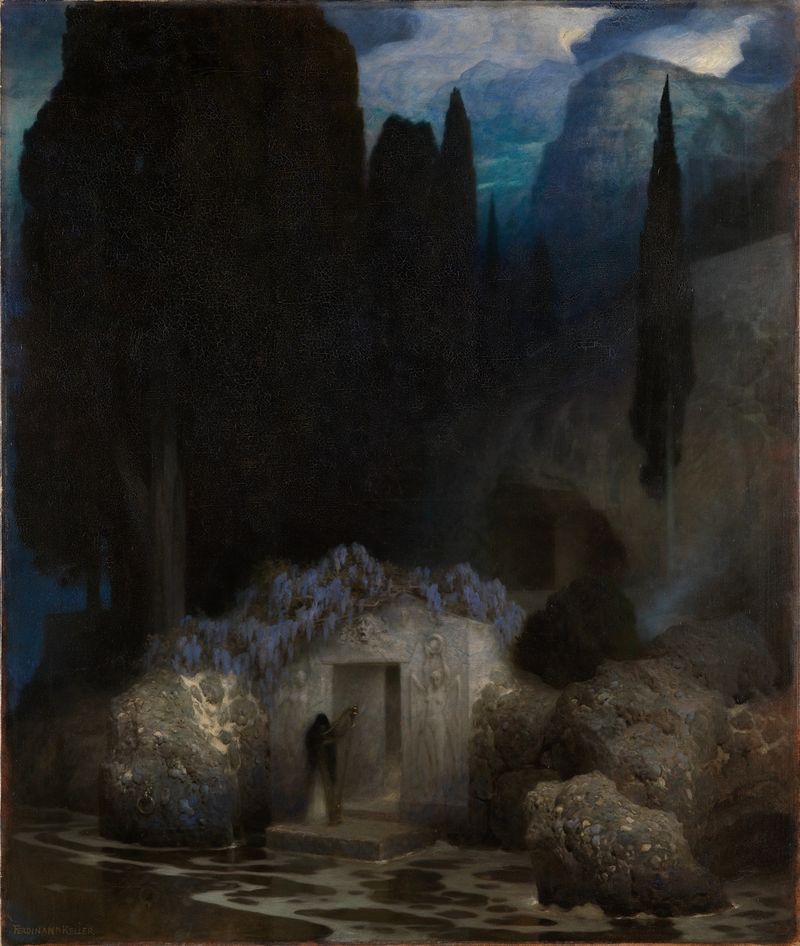
Böcklins Grab
Ferdinand Keller

Reisende in Brasilien
Ferdinand Keller
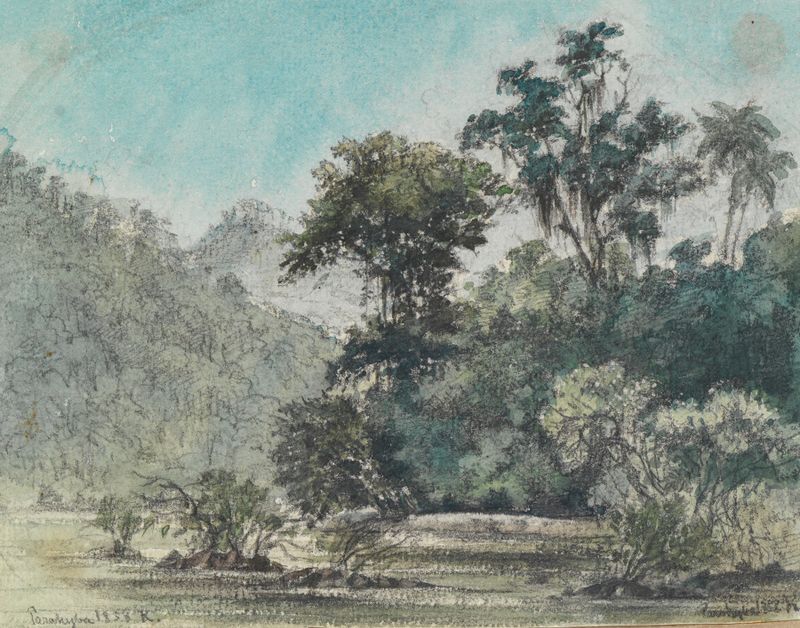
Blick auf das bewaldete Flussufer
Ferdinand Keller

Seestück- Segel und Ruderboote auf bewegtem Meer
Ferdinand Keller
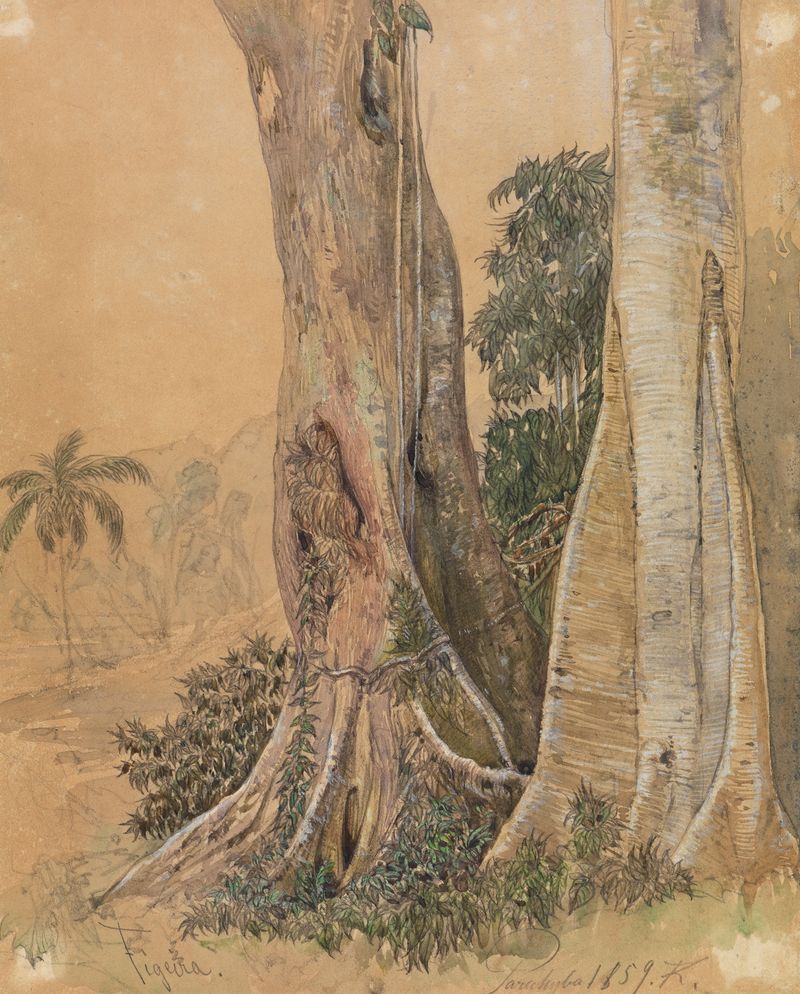
Figeira-Stämme am Ufer des Parahyba
Ferdinand Keller

Flusslauf mit aufragender Felswand
Ferdinand Keller
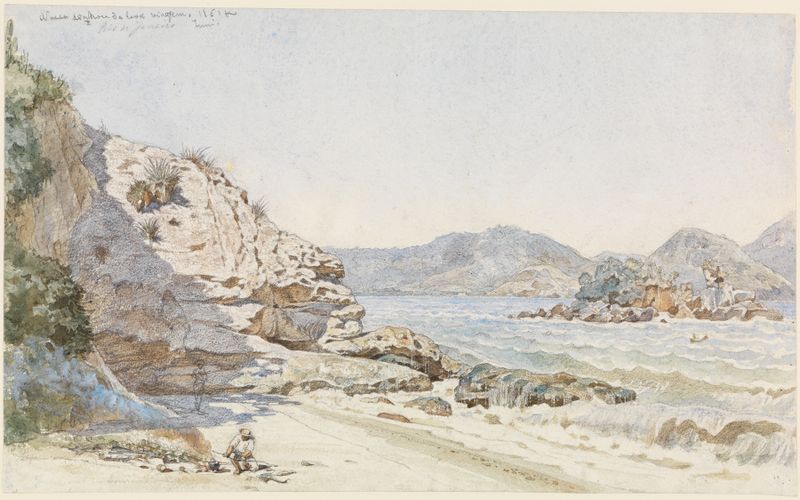
Meeresbucht bei Rio de Janeiro
Ferdinand Keller
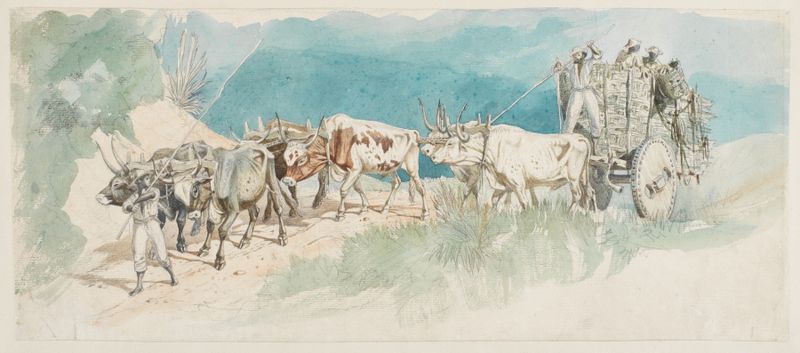
Zweiradgespann, von sechs Büffeln gezogen
Ferdinand Keller
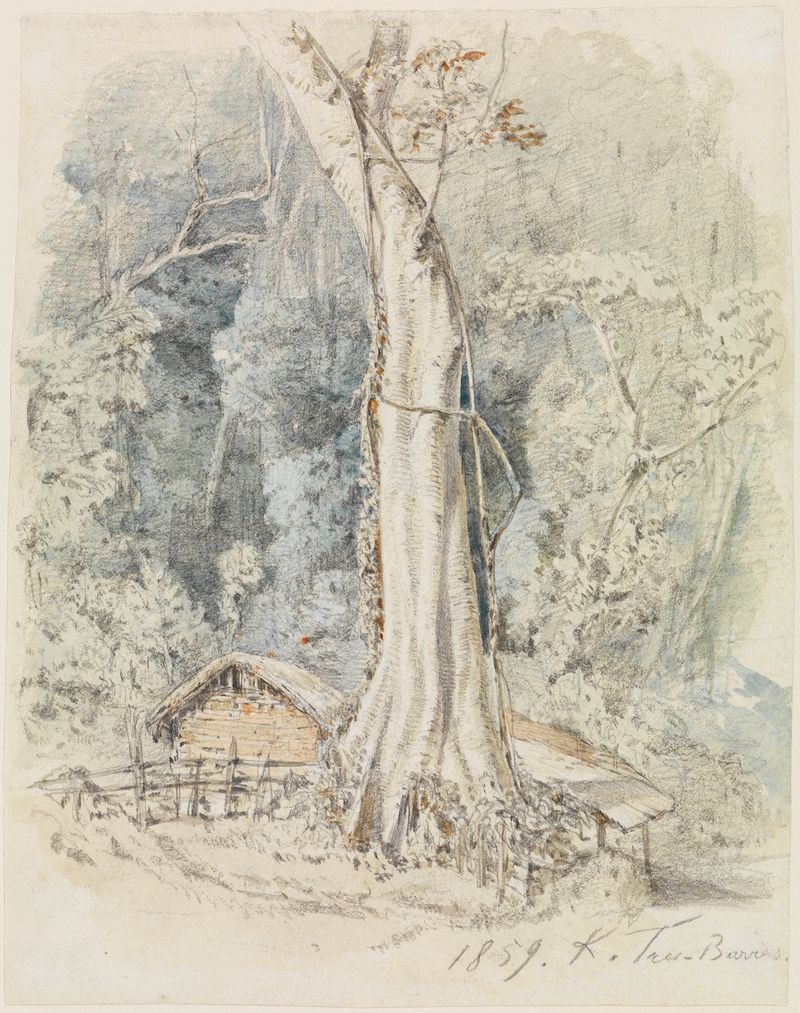
Haus mit Unterstand im Urwald bei Tres-Barras
Ferdinand Keller





