Zweysimmen — History & Facts
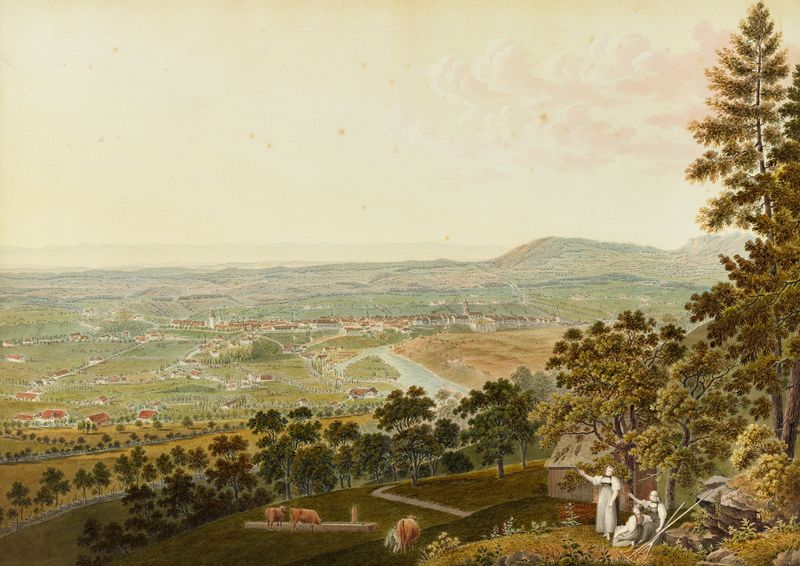
Could beauty survive in a century of chaos? Amidst the tumult of a world marked by upheaval and transformation, this question invites deep reflection on the resilience of art. Look closely, and you'll see a tapestry of delicate colors converging at the center, where hints of vibrant oranges and deep blues blend in a harmonious dance. The composition draws your gaze inward, as if beckoning you to explore the gradual evolution of shapes that seem to morph and flow. Notice how the brushwork varies; soft strokes contrast with sharp lines, creating a visual narrative that speaks of change and renewal. Beneath its surface, the work whispers of duality—the tension between chaos and tranquility.
The shapes, though fluid, carry an air of uncertainty, reflecting the anxiety of transformation in a world rife with conflict. Meanwhile, the interplay of light and shadow suggests that every new beginning requires the shedding of old skins, a motif resonating with both hope and loss. This dichotomy heightens the emotional weight of the piece, encapsulating the struggle to find beauty amid turmoil. In a period marked by rapid change, the artist created this work in an uncertain moment of their life, where personal and societal challenges intersected.
Weibel's approach during this time was pioneering, as he sought to distill complex emotions into vivid visual language. Surrounded by the evolving currents of modernism, he refined his technique, allowing for a multifaceted exploration of the human experience, which resonates powerfully in Zweysimmen.
More Artworks by Jakob Samuel Weibel
Browse all →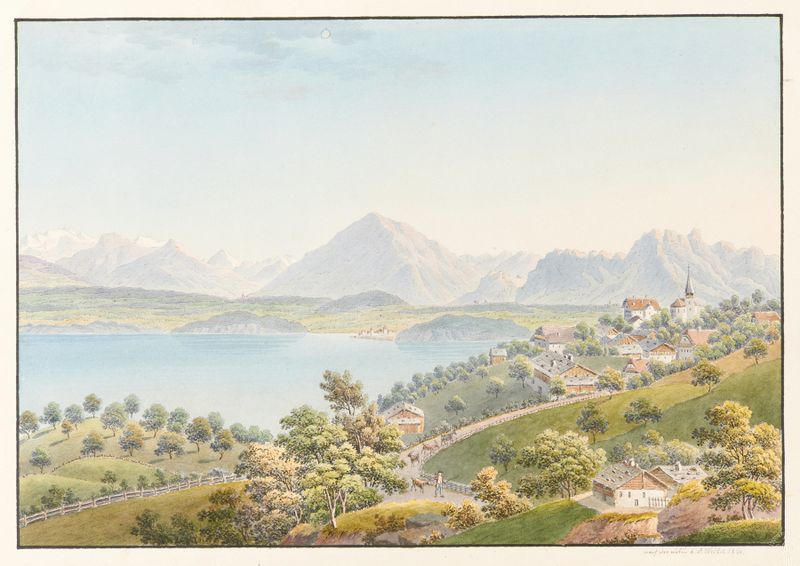
Vue dessiné depuis le Village de Sigriswil, audessus du Lac de Thoune
Jakob Samuel Weibel
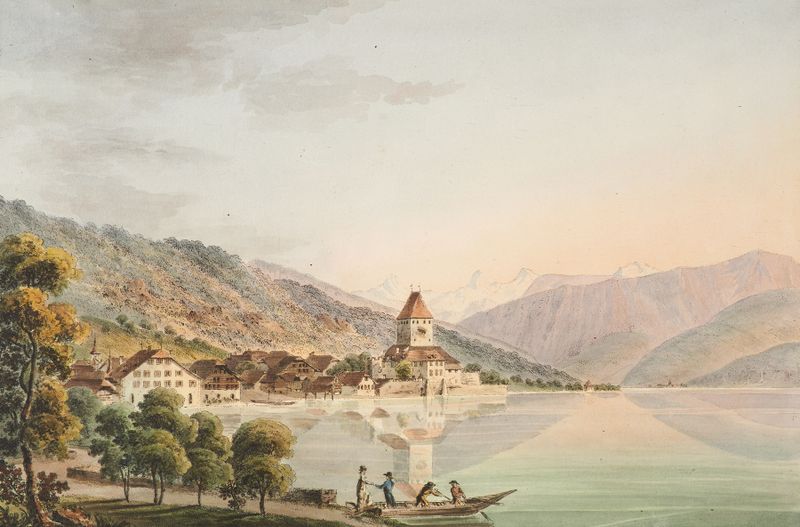
Vûe du Chateau d’Oberhofen au Lac de Thoune
Jakob Samuel Weibel
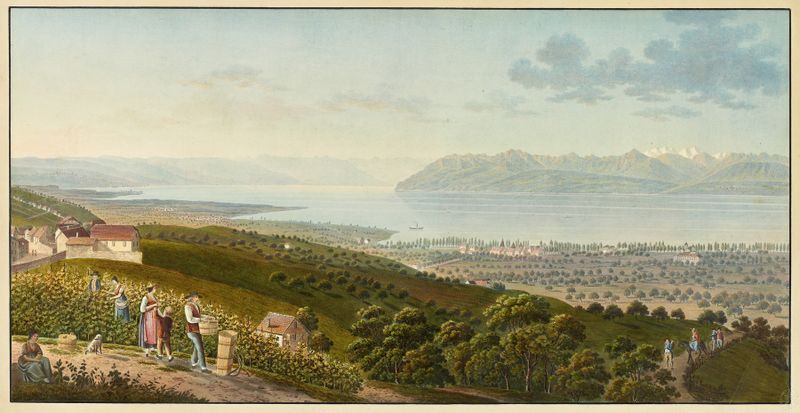
Vue genérale du Lac de Geneve
Jakob Samuel Weibel
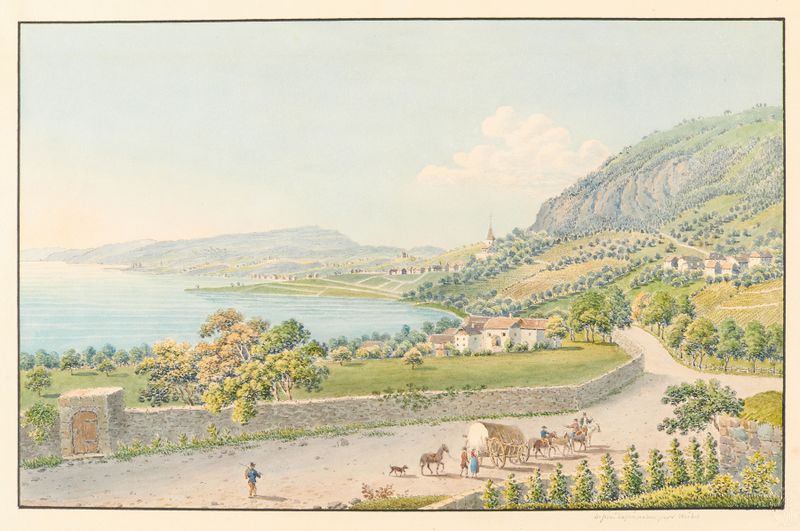
Vue des environs de Montreux et de Clarens
Jakob Samuel Weibel
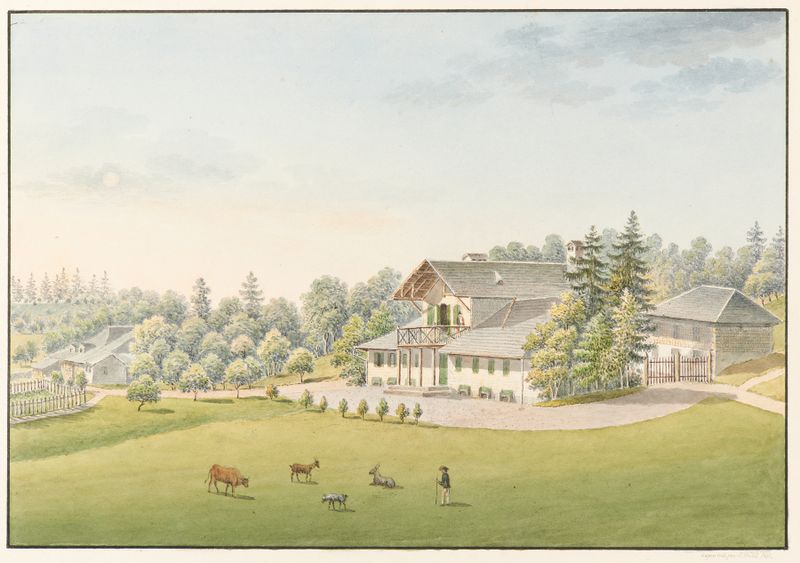
Vue du nouveau Châlet de Vernand
Jakob Samuel Weibel
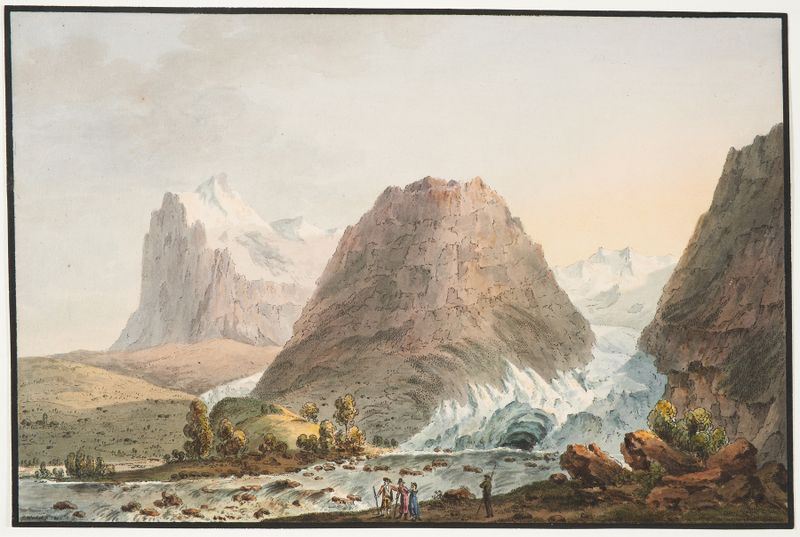
Vûe des Glacieres de Grindelwald
Jakob Samuel Weibel
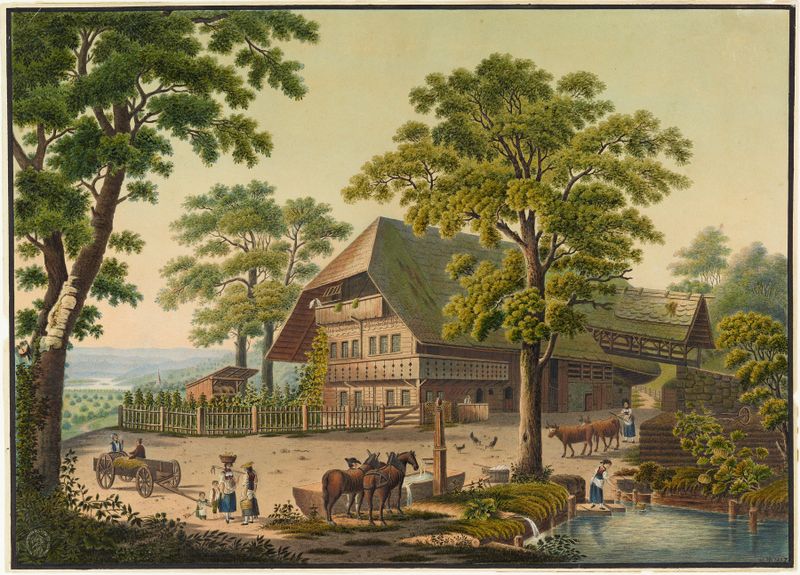
Maison de paysan près Wichtrach
Jakob Samuel Weibel
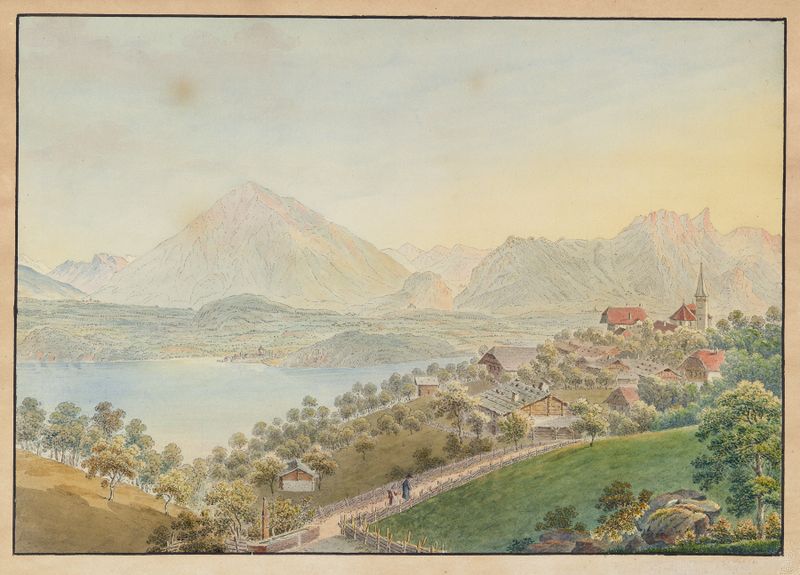
Ansicht von Sigriswil mit Niesen und Thunersee
Jakob Samuel Weibel
Ansicht Berns und der Aare vom Gurten aus
Jakob Samuel Weibel

Lausanne Ville capitale du Canton de Vaud
Jakob Samuel Weibel