
What is Sfumato: Understanding Da Vinci's Signature Technique Through 5 Artworks
What is sfumato? This artistic technique, perfected by Leonardo da Vinci, involves the subtle blending of colors and tones to create soft transitions without harsh outlines. Sfumato, derived from the Italian word "sfumare," meaning "to evaporate," is a hallmark of Renaissance art, offering a lifelike and atmospheric quality to paintings.
Understanding Sfumato
Sfumato is a technique that creates a gentle transition between colors and tones, eliminating sharp edges and lines. This method results in a smoky, hazy effect, adding depth and realism to paintings. Leonardo da Vinci is renowned for mastering this technique, using it to enhance the lifelike quality of his subjects and the atmospheric depth of his compositions.
The Mona Lisa
In The Mona Lisa, Leonardo da Vinci employs sfumato to create the painting's enigmatic quality. The soft transitions in the subject's face and the serene background contribute to the painting's lifelike appearance. The muted colors and subtle details exemplify the technique's ability to evoke depth and intrigue.
The Virgin of the Rocks
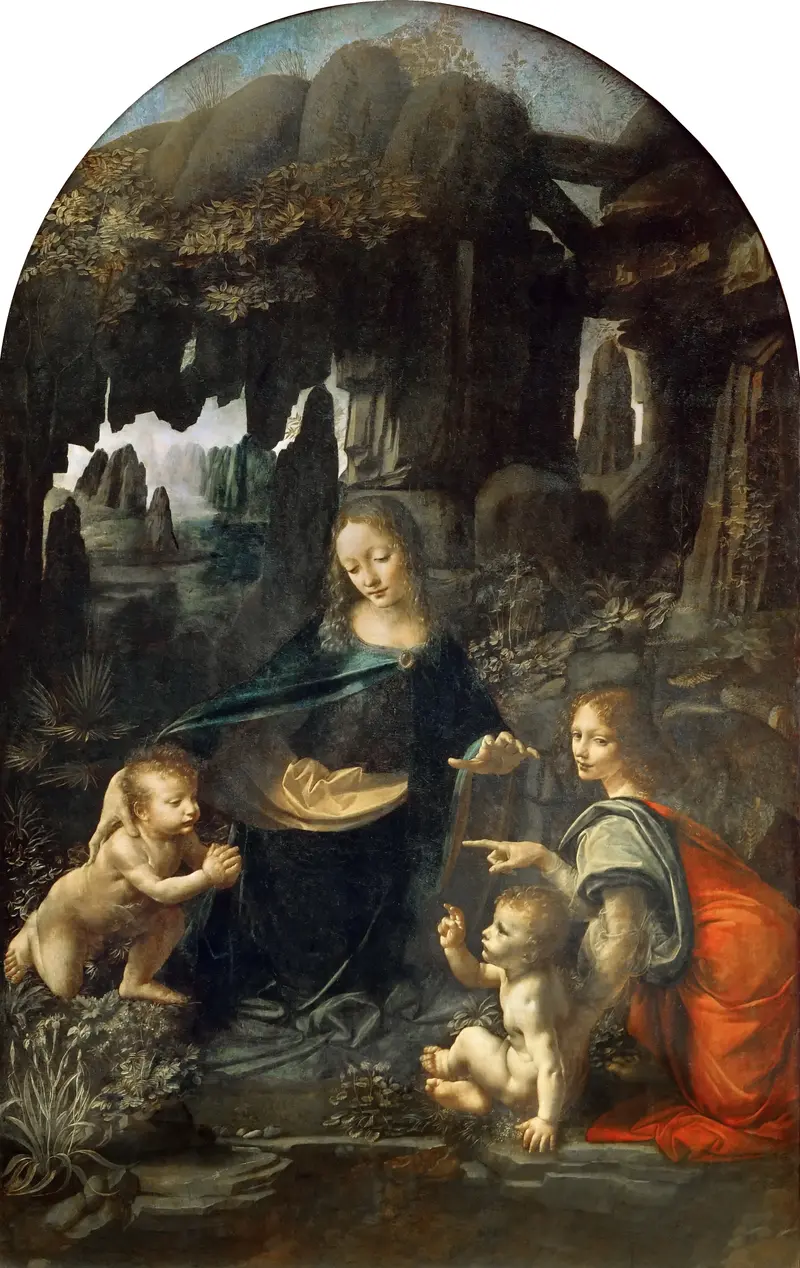
Another excellent example of sfumato is found in The Virgin of the Rocks. Da Vinci uses this technique to seamlessly blend the figures with the rocky landscape, enhancing the painting's three-dimensionality. The soft, muted colors and the interplay of light and shadow create a serene and atmospheric scene.
Lady with an Ermine
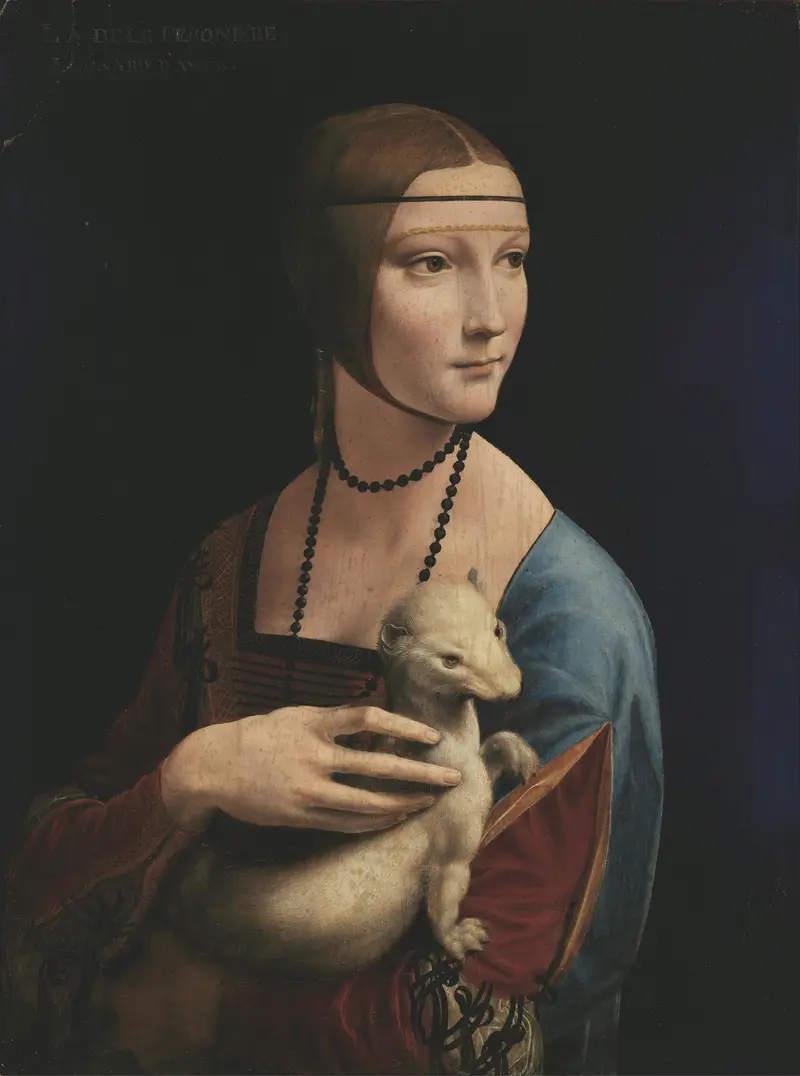
In Lady with an Ermine, da Vinci's use of sfumato is evident in the delicate rendering of Cecilia Gallerani's features. The technique allows for a smooth transition between light and shadow, highlighting the sitter's lifelike expression and the symbolic ermine she holds, reflecting her connection to the Duke of Milan.
Saint John the Baptist
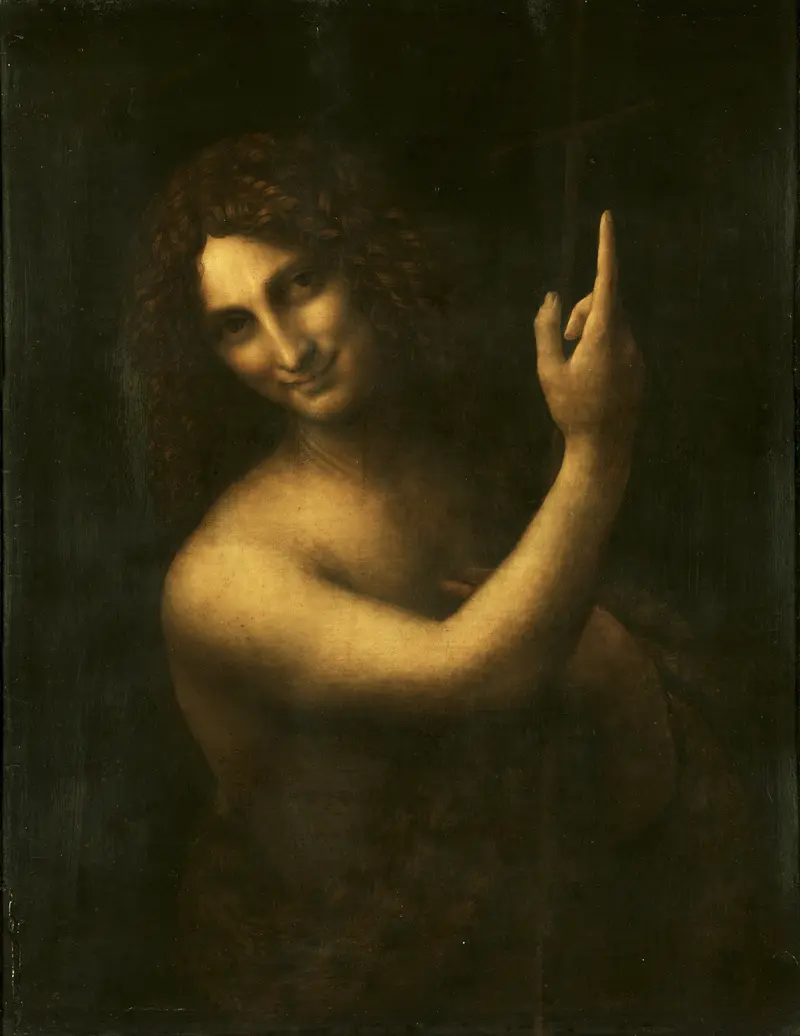
Saint John the Baptist showcases da Vinci's late use of sfumato. The painting's enigmatic smile and shadowed contours create a mysterious and engaging image. The soft transitions between light and dark enhance the painting's allure, making it a subject of fascination and debate for centuries.
The Last Supper

In The Last Supper, da Vinci applies sfumato to add psychological depth to the apostles' expressions. The technique helps convey the drama and emotion of the scene, with subtle transitions in the figures' features contributing to the painting's intense and lifelike quality.
Leonardo da Vinci's use of sfumato revolutionized Renaissance art, creating paintings that continue to captivate audiences with their lifelike quality and depth. To explore these major works further, download high-resolution images for free on FineArtFree, and appreciate the nuances of this remarkable technique.