
001 — History & Facts
What first grips the viewer in 001 by Albin Egger Lienz is the way emptiness claims center stage. The hills roll forward in broad, sweeping curves, their ochre and brown surfaces almost swallowing the eye, while a handful of dark, blocky farm buildings cling to the edge of the scene, dwarfed by the land itself. The sky is heavy, its pale, mottled tones pressing down, and the absence of people or animals sharpens the sense of stillness.
Every brushstroke seems to reinforce the land’s quiet dominance, the houses huddled like memories against the encroaching hillside. Painted in 1911, this landscape belongs to a moment when artists across Europe were reimagining the countryside not as a picturesque backdrop, but as a living force—sometimes comforting, often indifferent. Egger Lienz, working in the years before the First World War, was known for his deep connection to rural life and the Tyrolean landscape. In this work, he strips away decorative detail, focusing instead on the monumental forms and muted palette that give the scene its gravity.
The painting’s origins are modest—its presence here is owed to a 2002 digital project, not a storied museum wall—but that very obscurity invites us to linger, to follow the lines of the hills and imagine the world that shaped them.
More Artworks by Albin Egger Lienz
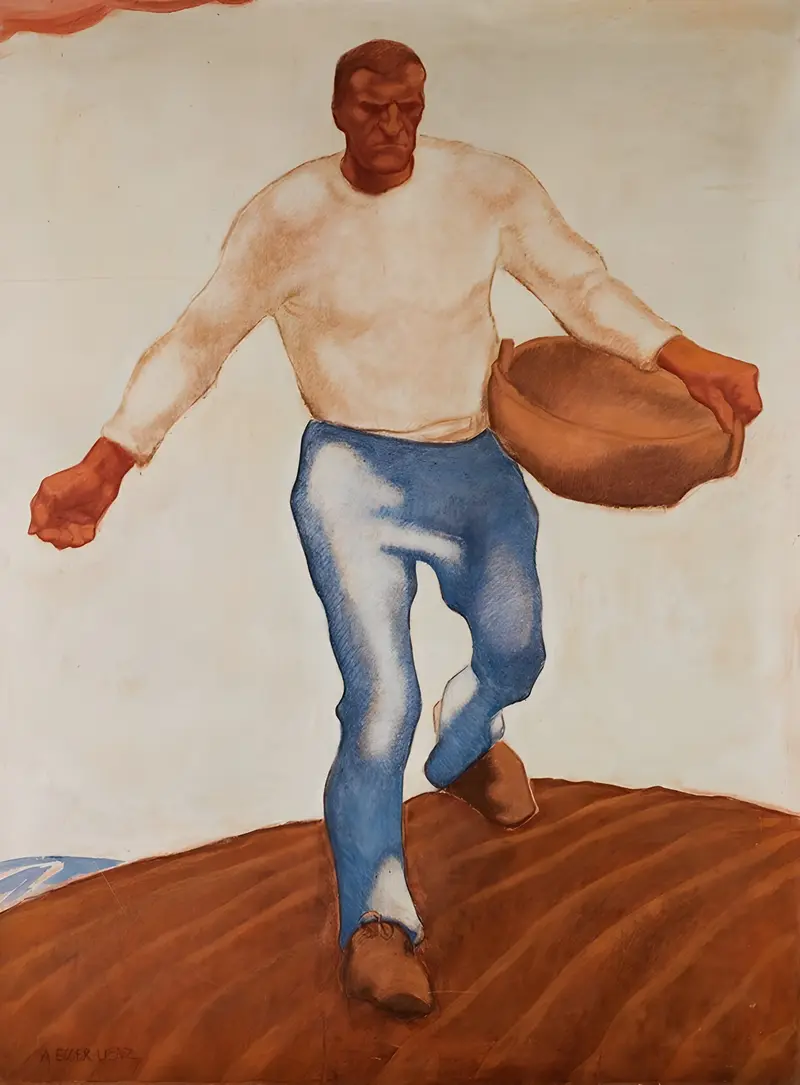
Der Sämann (The Sower)
Albin Egger Lienz
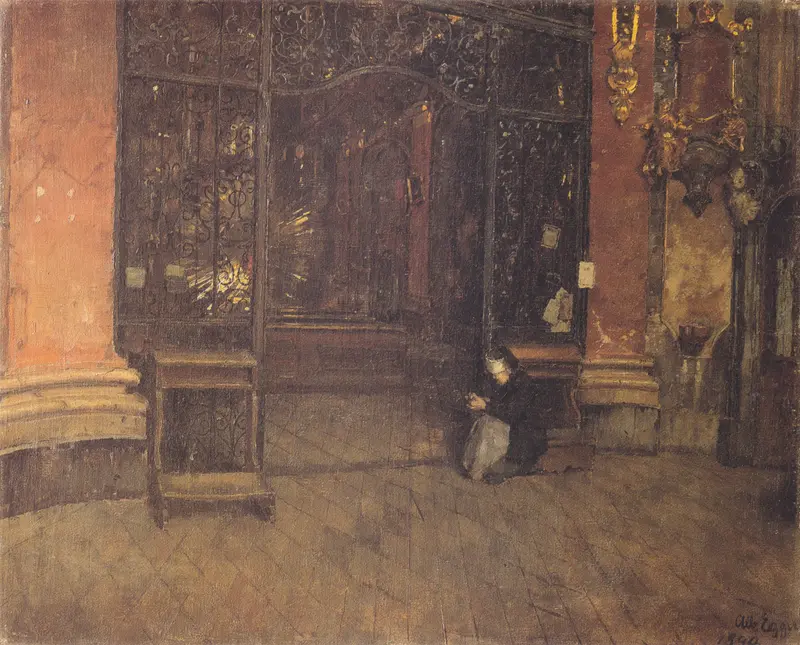
Inneres Der Johanneskirche In München
Albin Egger Lienz
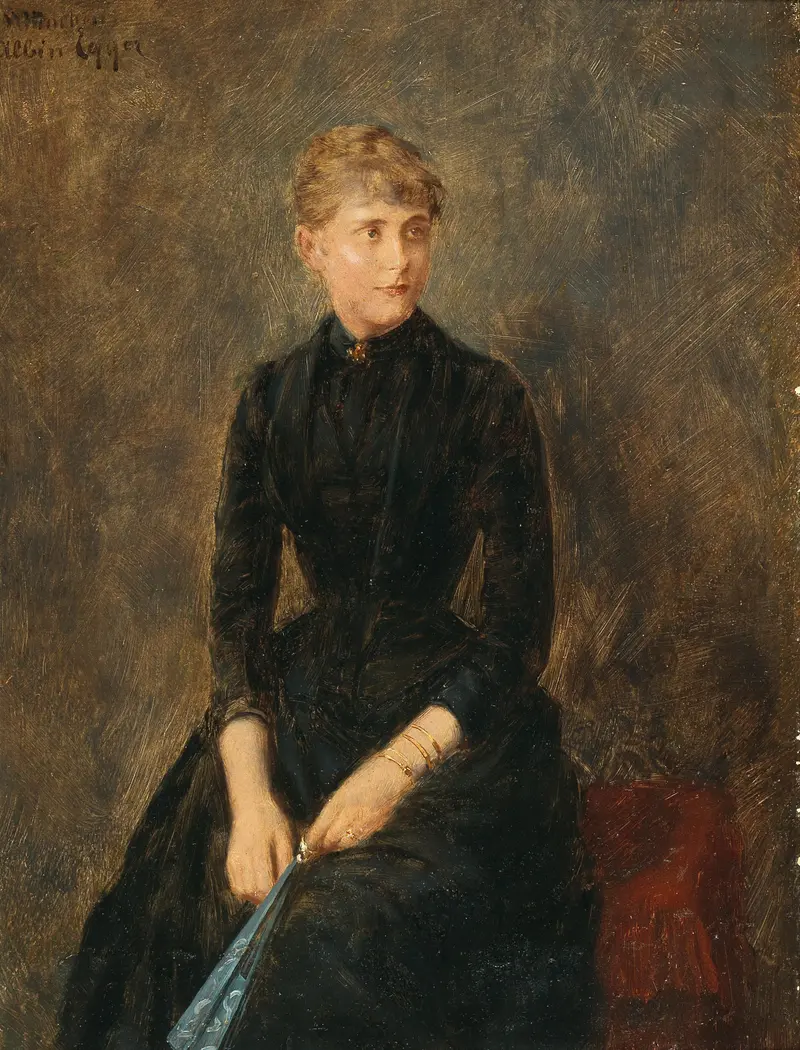
Portrait of the singer Hedwig Helbig
Albin Egger Lienz
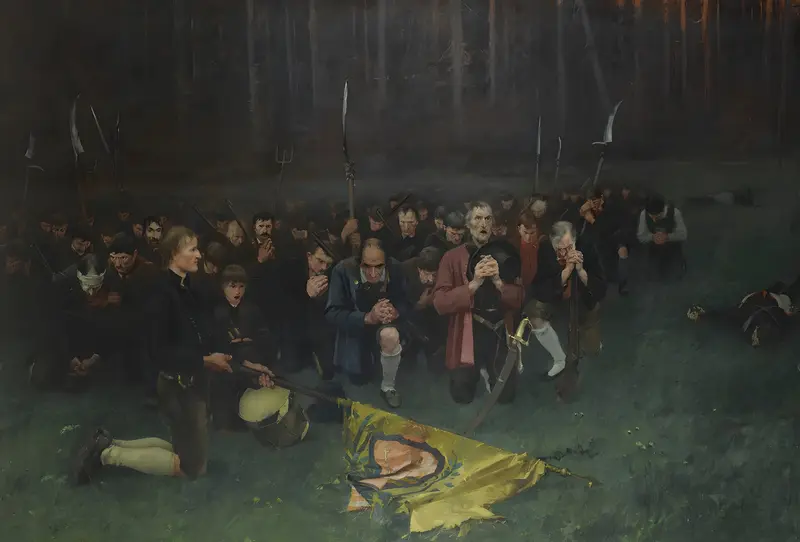
Prayer after the battle of Bergisel
Albin Egger Lienz
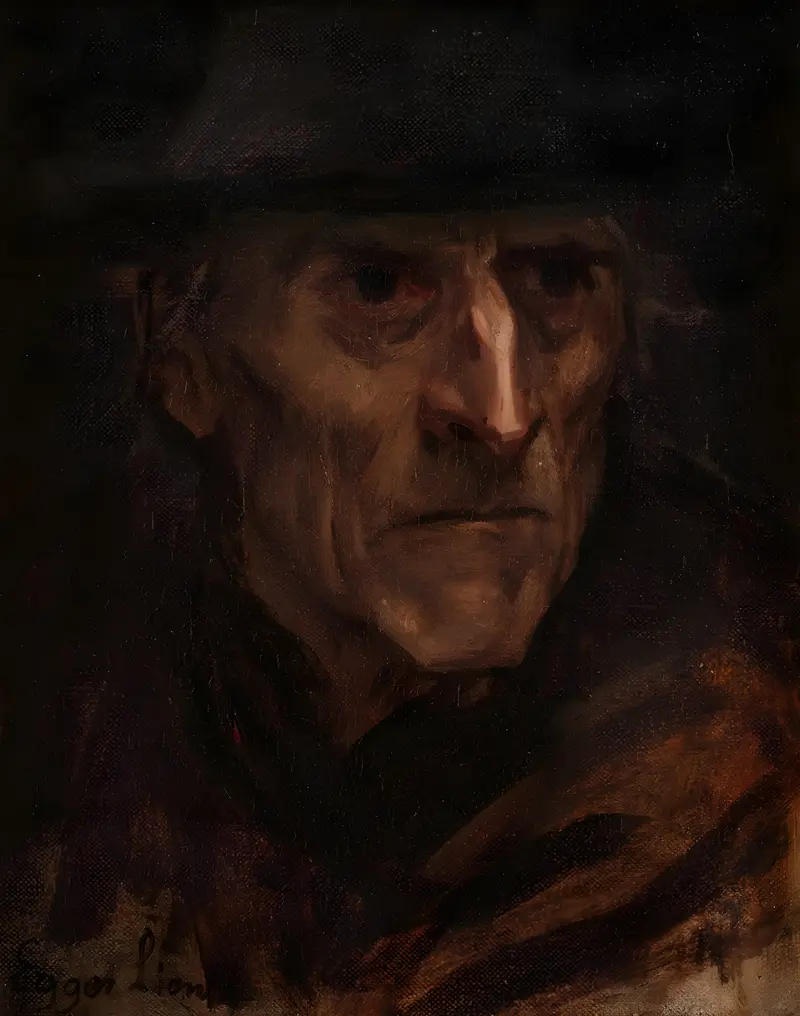
Study for the ‘Sensenmann’ in the ‘Das Kreuz’
Albin Egger Lienz
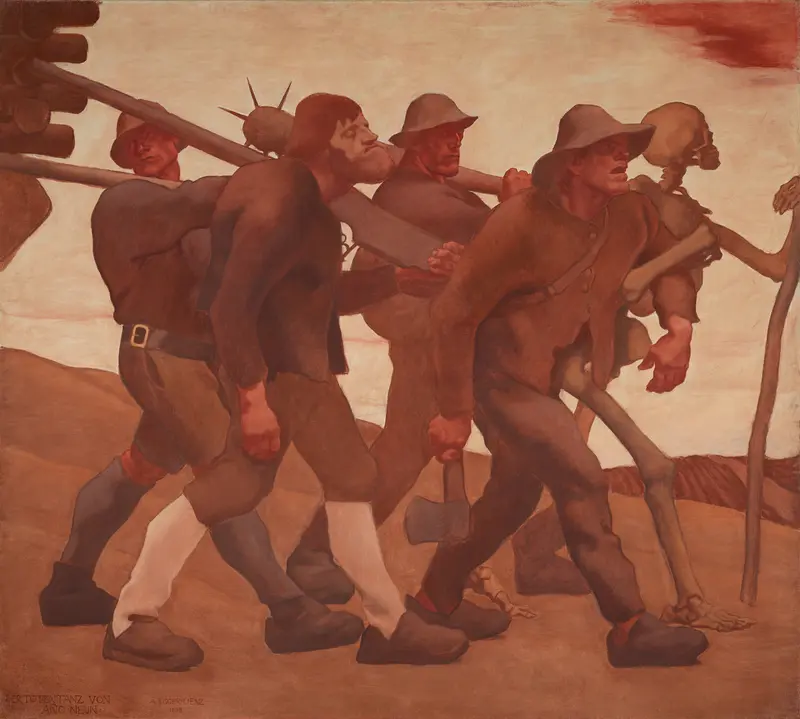
Der Totentanz Von Anno Neun
Albin Egger Lienz
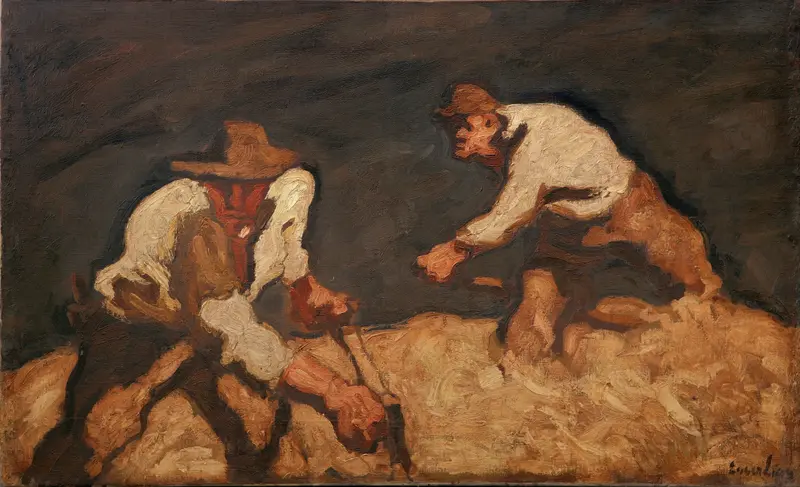
Reapers in a GatheringStorm
Albin Egger Lienz
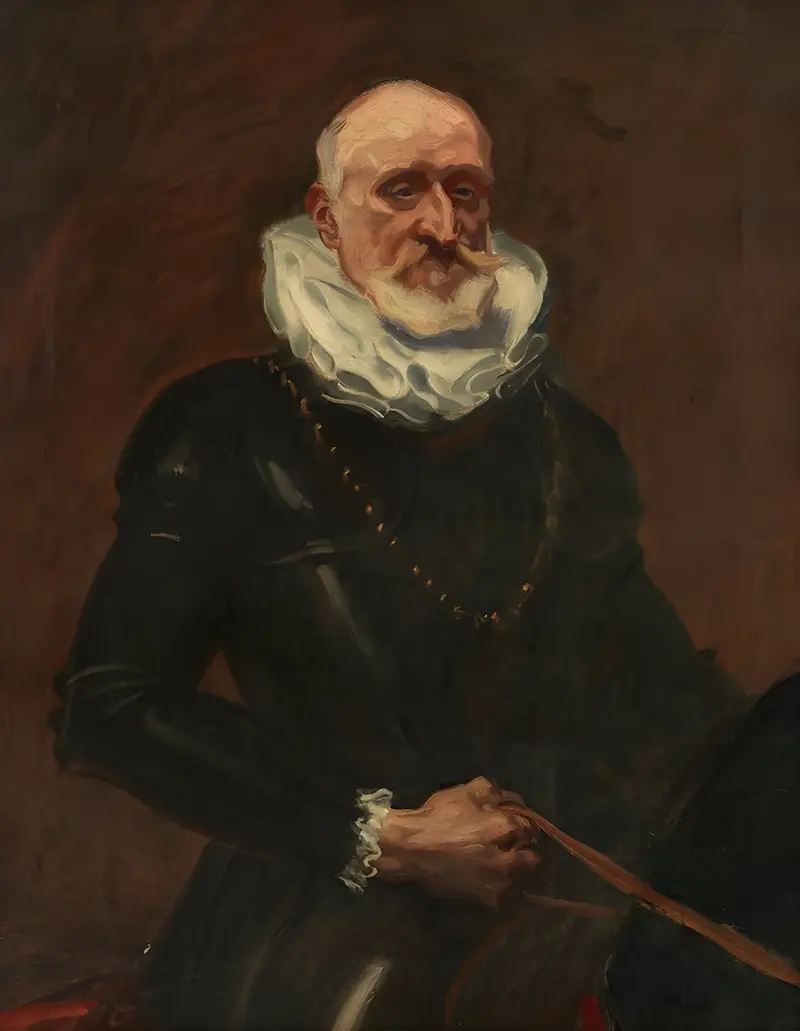
Carl Costenoble (Bildhauer und Stadtrat von Wien)
Albin Egger Lienz
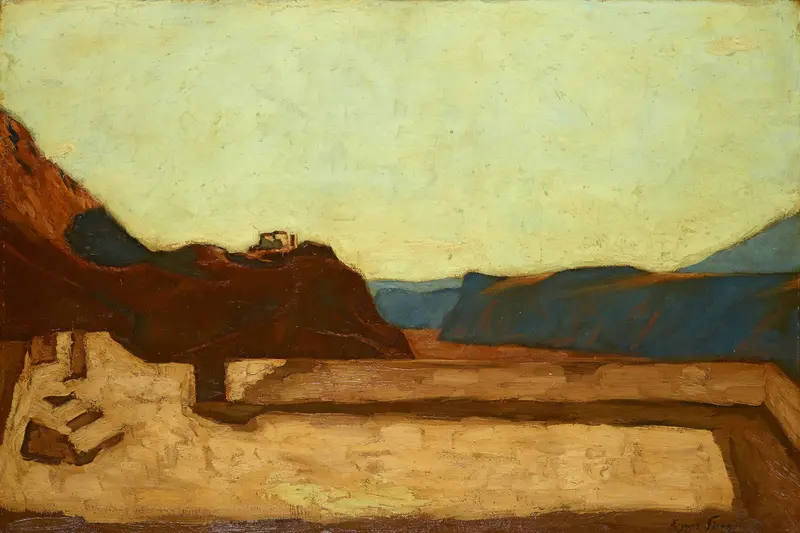
Am Kalvarienberg In Bozen
Albin Egger Lienz
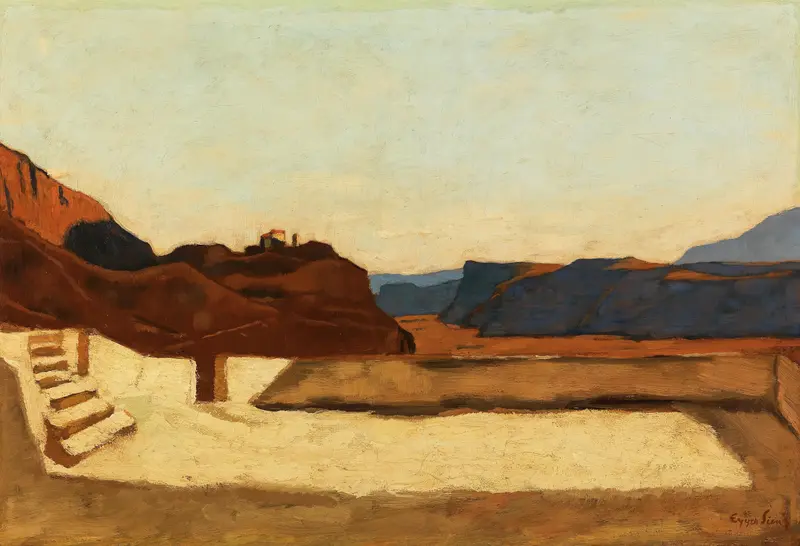
Kalvarienberg bei Bozen
Albin Egger Lienz
More Landscape Art

The Starry Night
Vincent van Gogh

View of Delft
Johannes Vermeer

Water Lilies
Claude Monet

The Grand Canal, Venice, looking north-west from the Ca' Corner to the Ca' Contarini degli Scrigni, with the campanile of Santa Maria della Carità
Canaletto

Windsor Castle
Canaletto

The Grand Canal looking North-East from the Palazzo Dolfin-Manin to the Rialto Bridge
Canaletto