
A Bellot — History & Facts
What if beauty was never meant to be finished? In the delicate strokes and soft colors of A Bellot, a sense of yearning permeates the canvas, inviting the viewer to linger in a moment that feels both suspended and eternal. Look to the left, where the gentle blues and greens blend seamlessly, evoking the tranquil embrace of a serene landscape. Notice how the light dances across the surface, illuminating the tender forms and creating a subtle rhythm that draws the eye deeper into the composition. The muted palette signifies a quiet melancholy, while the intricate details—perhaps the rustling leaves or the soft contours of distant hills—speak to a world both inviting and elusive. Hidden within the layers of this work lies a profound sense of longing, a reflection of the artist's emotional landscape.
The blending of colors mirrors the way memories can fade and blur over time, yet their essence remains palpable. The juxtaposition of the vibrant foreground with the softer background captures the tension between presence and absence, suggesting a deep connection to what once was or what could be, yet is just out of reach. In 1915, while creating this piece, the artist was navigating the tumultuous climate of World War I. Living in France during this period, he was deeply influenced by the contrasting beauty of nature and the harsh realities of life around him.
His work mirrored a broader movement in art, where artists sought solace and reflection amid chaos, capturing fleeting moments of beauty that resonated with their own experiences of loss and hope.
More Artworks by Auguste Louis Lepère
Browse all →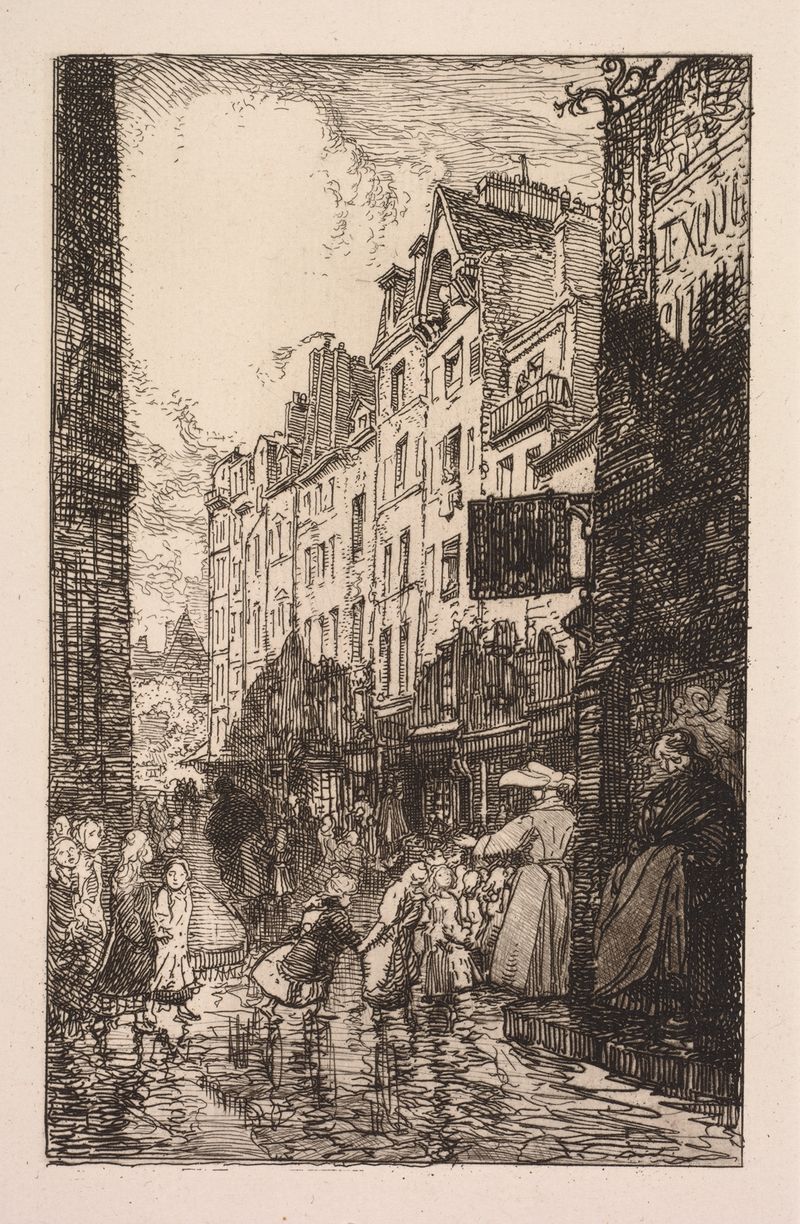
La Rue des Prêtres Saint-Séverin
Auguste Louis Lepère
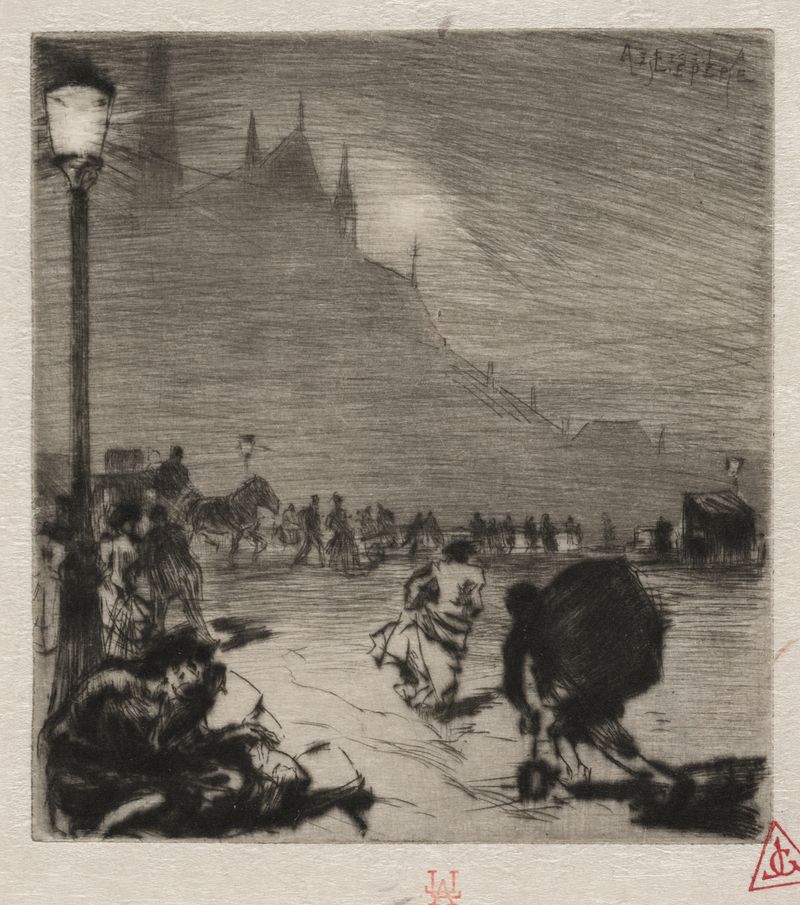
Au Coin du Pont-aux-Doubles
Auguste Louis Lepère
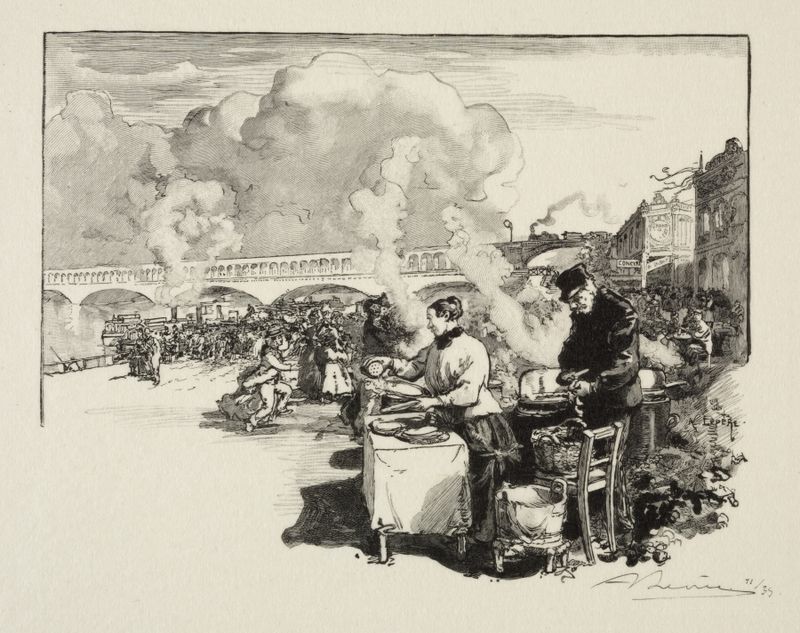
Debarcadère des bateaux-omnibus
Auguste Louis Lepère

La Seine, au quai de la Rapée
Auguste Louis Lepère
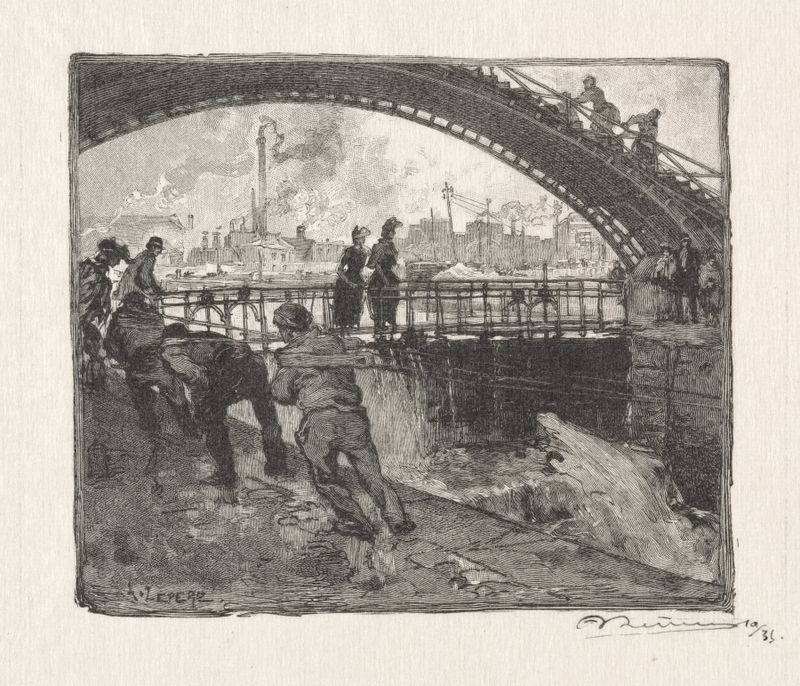
L’Ecluse du Canal St. Martin
Auguste Louis Lepère

Le Boulevard Montmartre, le Soir
Auguste Louis Lepère

Une Chasse au Mont Gérard
Auguste Louis Lepère
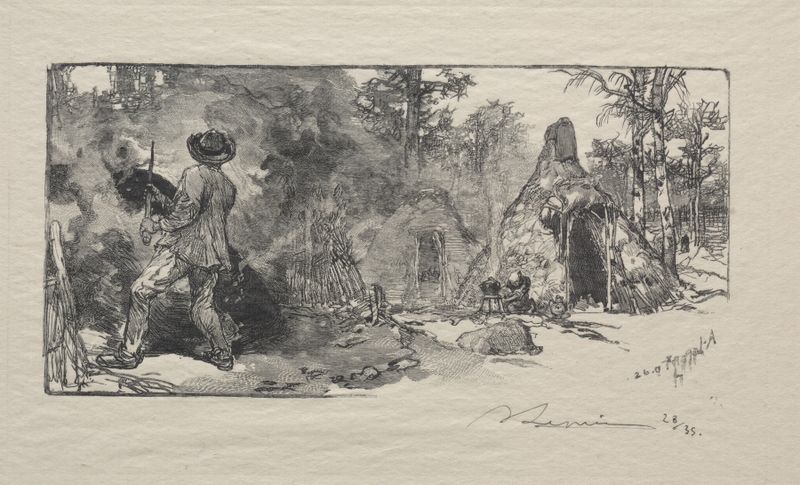
Les Charbonniere
Auguste Louis Lepère
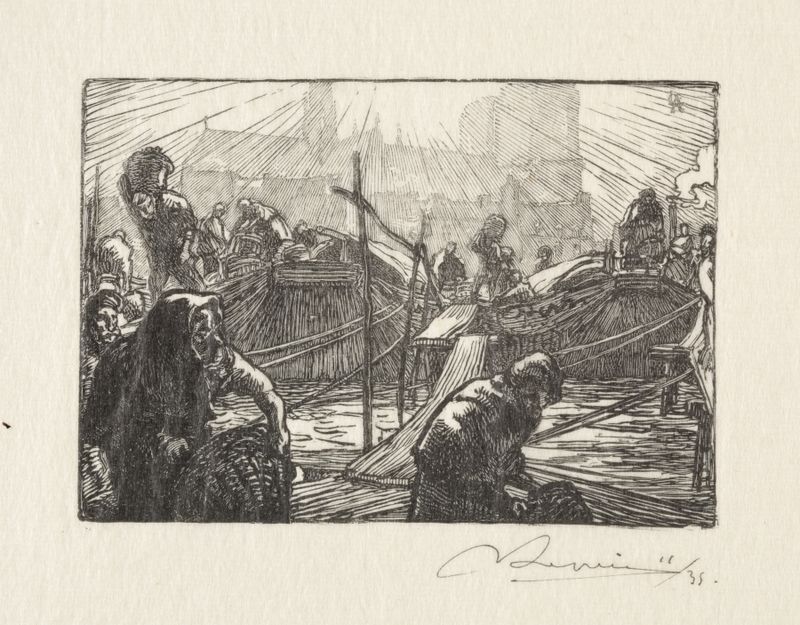
Notre Dame vue du Marché aux pommes
Auguste Louis Lepère

Le Palais des Arts Liberaux, Intèrieur
Auguste Louis Lepère





