A bridge — History & Facts
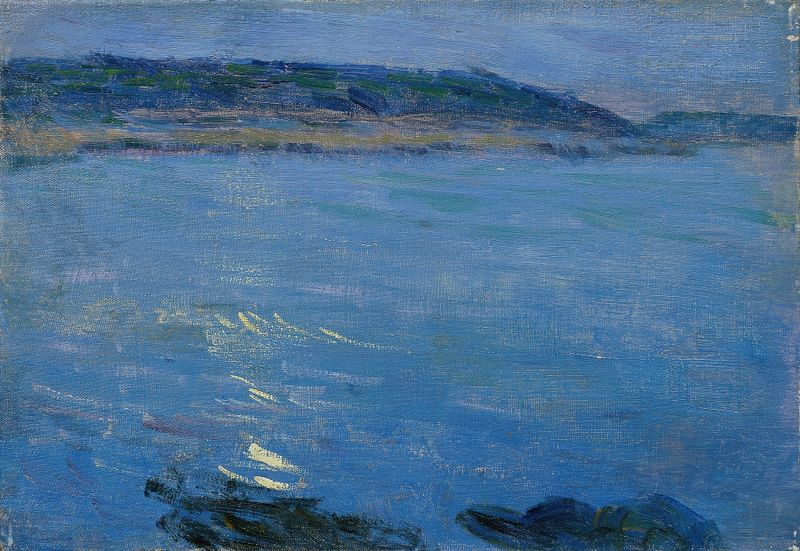
In moments of stillness, the act of creation becomes a reflection of longing and missed connections, weaving memories into the fabric of canvas and color. Look to the center of the composition, where a bridge stands poised above tranquil waters. The soft hues of twilight embrace the structure, casting delicate shadows that meld into the gentle ripples below. Flanked by soft greens and browns, the bridge invites the viewer to traverse its path, leading into a world that feels both familiar and distant, a liminal space caught between memory and reality. As you explore further, observe the subtle interplay between light and shadow, conveying a sense of nostalgia that permeates the scene.
The bridge symbolizes connection — a passage between two realms, yet its solitary stance evokes feelings of separation. The muted palette suggests a bittersweet yearning, while the reflections in the water echo the unresolved emotions stirred within the viewer, hinting at stories that linger just out of reach. During the period when this work was created, Kurzweil was navigating the complexities of the art world, a time when Austria was embracing both modernism and tradition. Known for his innovative approaches, he captured not only the physical landscapes but also the emotional landscapes of the era, offering insight into the universal themes of longing and connection.