
A Bridge on the Aar, at the Foot of the Grimsel, in the Canton of Berne — History & Facts
Can paint confess what words never could? In A Bridge on the Aar, at the Foot of the Grimsel, in the Canton of Berne, the quiet violence of nature unfolds, juxtaposing serenity with the latent power that lies beneath its surface. Look to the left at the bridge arching gracefully over the tumultuous river, its structure both fragile and imposing. Notice how the warm hues of the setting sun illuminate the water, creating a shimmering contrast with the jagged rocks below. The soft greens of the foliage frame the scene, breathing life into the composition while hinting at the wildness that surrounds it.
The artist employs delicate brushwork to suggest movement in the water, drawing the eye toward the forceful currents, as if the landscape itself is in a perpetual state of flux. Beneath the placid exterior, there exists a tension in the work that speaks to the duality of nature. The bridge, a man-made structure, stands resilient against the relentless flow of the river, embodying humanity’s struggle against the raw forces of the wilderness. Yet, the deep shadows cast by the rocky cliffs suggest an impending storm, a foreboding reminder of nature’s volatility.
This delicate balance between tranquility and chaos resonates, revealing an emotional landscape fraught with conflict. In 1775, while painting this work in the picturesque Canton of Berne, Caspar Wolf was delving into the sublime beauty of the Swiss landscape. The era was marked by an increasing fascination with nature, influenced by the Enlightenment and Romanticism movements. As Wolf captured the raw power of the environment, he was also reflecting the evolving sentiments of an age that grappled with the tension between humanity and nature, setting the stage for future explorations in landscape painting.
More Artworks by Caspar Wolf
Browse all →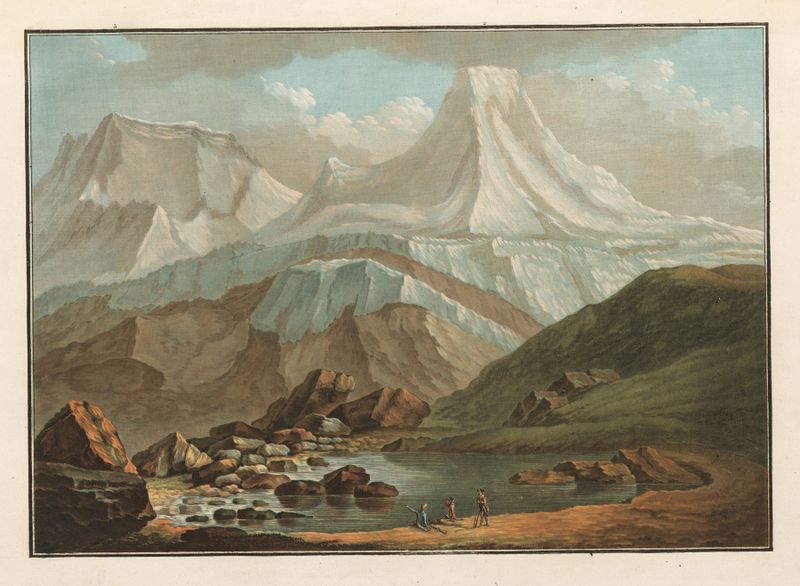
Vue du Gross-Horn et du Breit-Horn avec le petit lac d’Oberhorn
Caspar Wolf
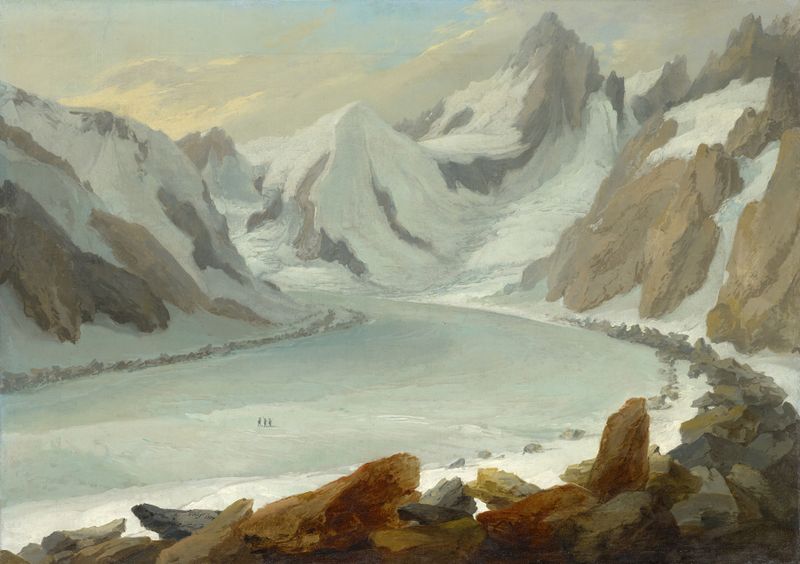
Finsteraargletscher mit Blick auf das Finsteraarhorn
Caspar Wolf
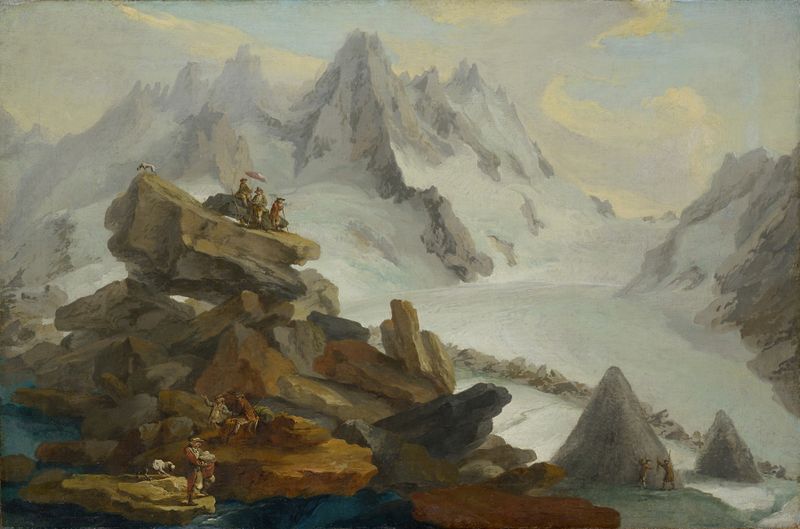
Glacier Lauteraar
Caspar Wolf

Glacier de Lauteraar Canton de Berne Province d’Oberhasli
Caspar Wolf
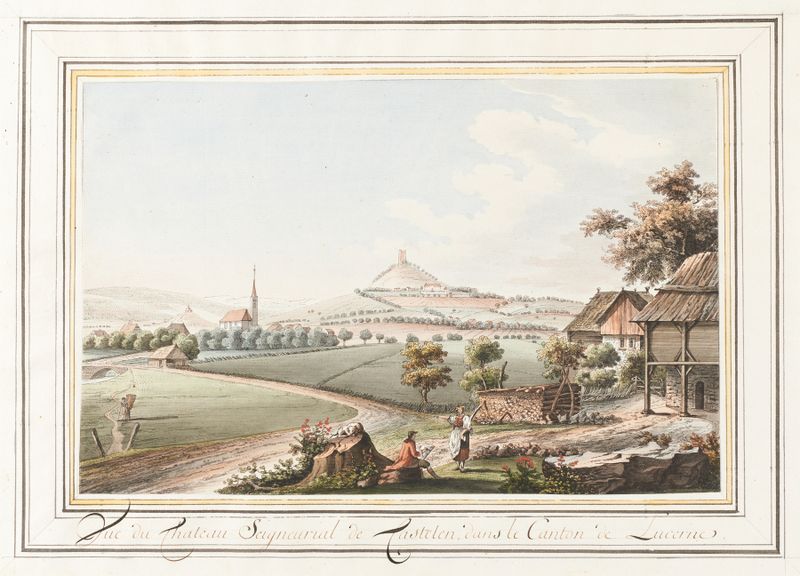
Vue du Chateau Seigneurial de Castelen dans le Canton de Lucerne
Caspar Wolf

Wasserfall im Tobel bei Muri
Caspar Wolf
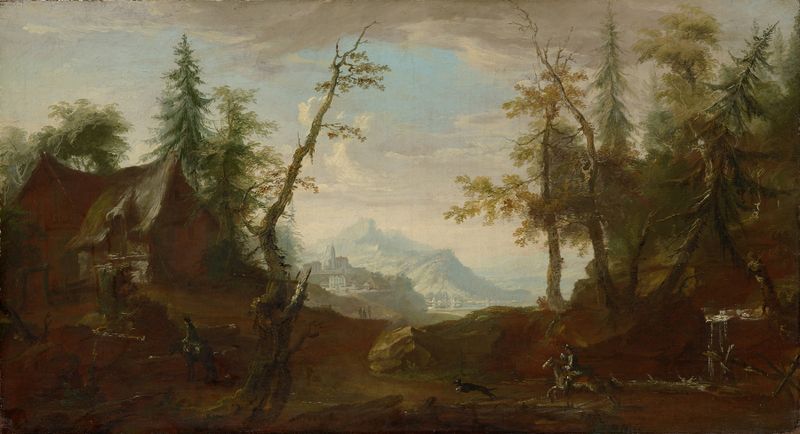
Farmhouse in a Forest Glade with Riders
Caspar Wolf
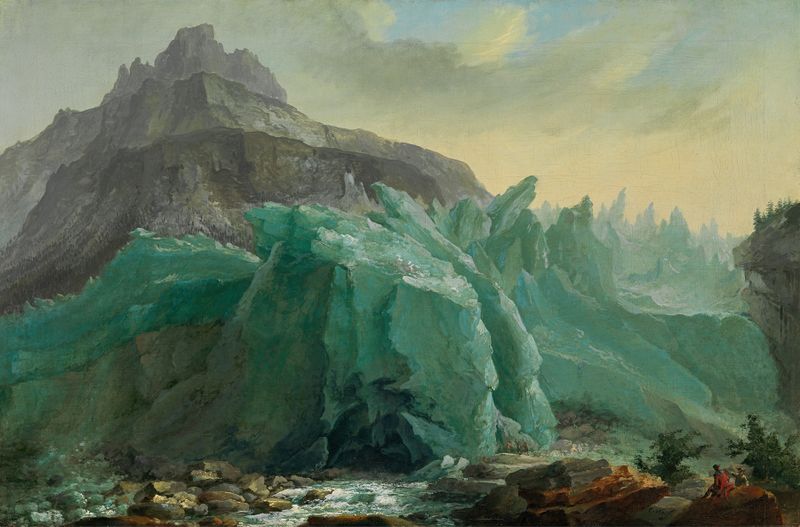
The Lower Grindelwald Glacier with Lütschine and the Mettenberg
Caspar Wolf
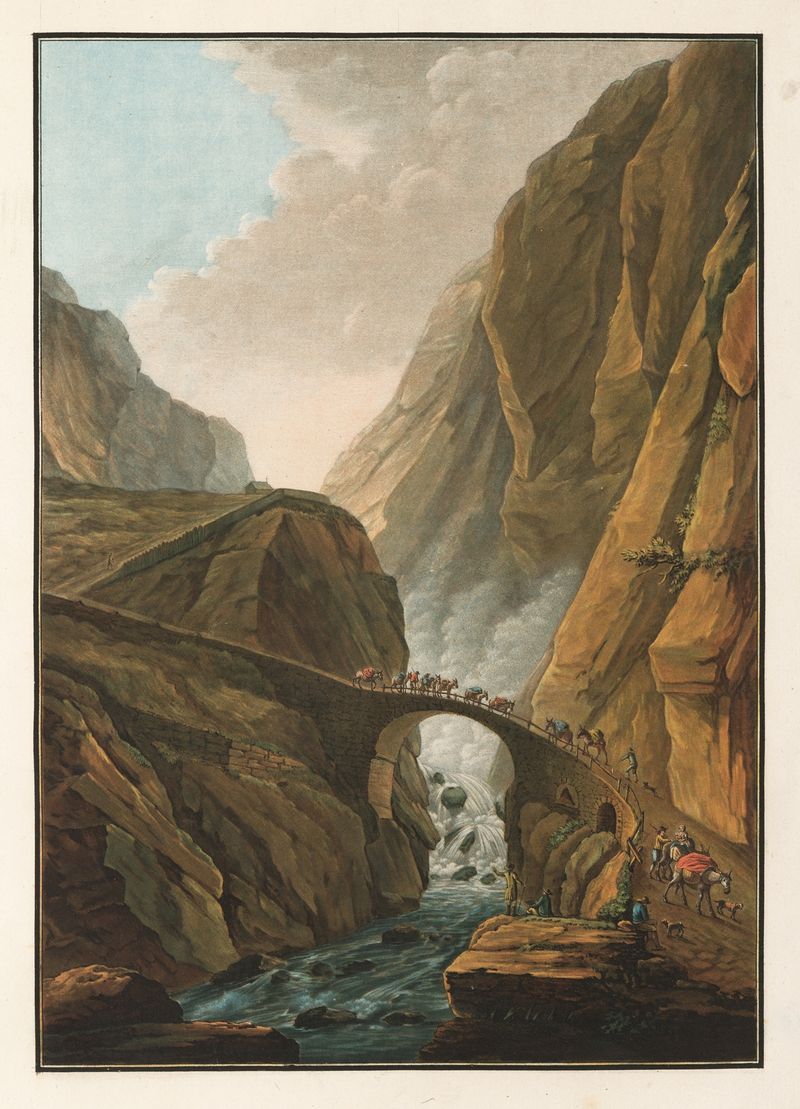
Teufelsbrücke
Caspar Wolf
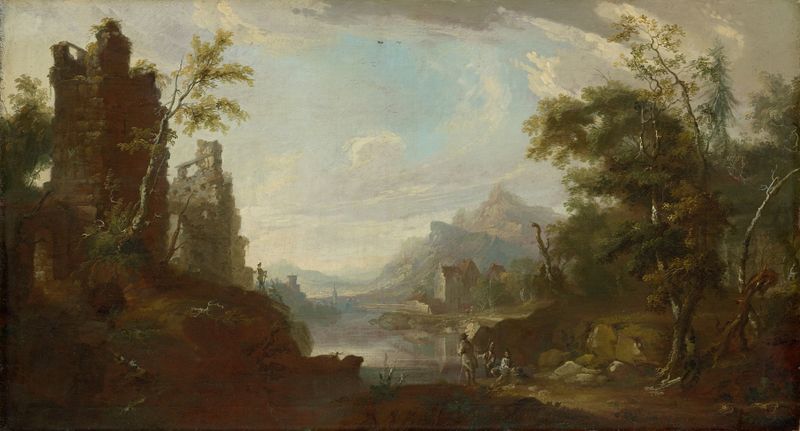
Ruin of a Castle near a Lake with Fishermen
Caspar Wolf





