
Ruin of a Castle near a Lake with Fishermen — History & Facts
Can beauty exist without sorrow? In Ruin of a Castle near a Lake with Fishermen, the answer seems to dwell in the delicate tension between the tranquil landscape and the remnants of a forgotten past. Here, desire and loss intertwine, suggesting that even in decay, there is an undeniable allure. Look to the left at the crumbling stone walls that rise majestically against the horizon, their weathered surfaces capturing the play of light. The lake glistens beneath a soft golden hue, a mirror reflecting the remnants of both nature and history.
Notice how the fishermen in their small boats are immersed in their quiet pursuit, their figures almost dwarfed by the grandeur surrounding them, emphasizing the insignificance of human endeavors against the vastness of time and nature’s reclaiming embrace. The juxtaposition of the serene lake and the ruined castle evokes a deep emotional resonance. The stillness of the water contrasts sharply with the ruins, symbolizing the passage of time and the inevitable decay that accompanies beauty. The fishermen’s quiet presence serves as a reminder of humanity’s transient desires, while the castle stands as a testament to aspirations now faded.
This delicate balance invites the viewer to ponder the complexities of longing, loss, and the beauty found within them. During the years between 1765 and 1768, the artist created this work in Switzerland, a period marked by personal exploration and the rising interest in Romanticism. The era was characterized by a deep fascination with nature, ruins, and the sublime, as artists sought to capture both the beauty and the melancholy inherent in the world around them. This painting reflects not just a moment in time but also a pivotal shift in artistic expression, bridging the past with the emerging sensibilities of Romantic thought.
More Artworks by Caspar Wolf
Browse all →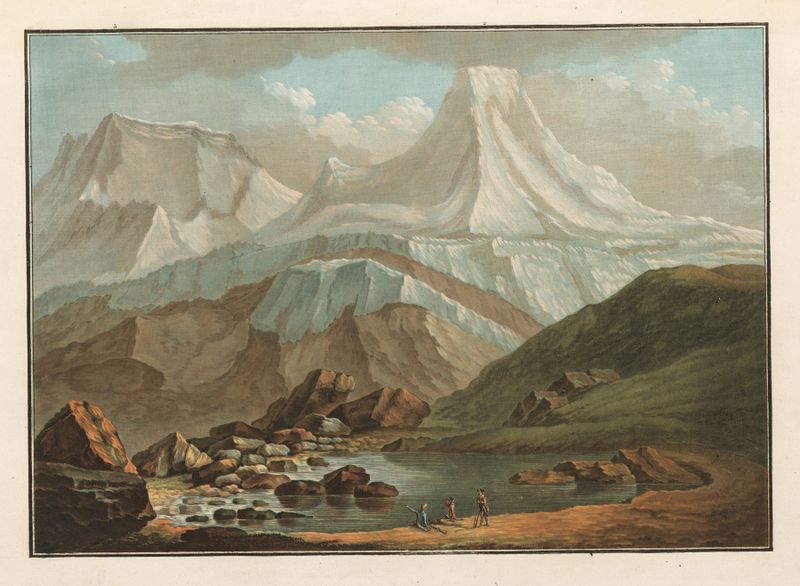
Vue du Gross-Horn et du Breit-Horn avec le petit lac d’Oberhorn
Caspar Wolf
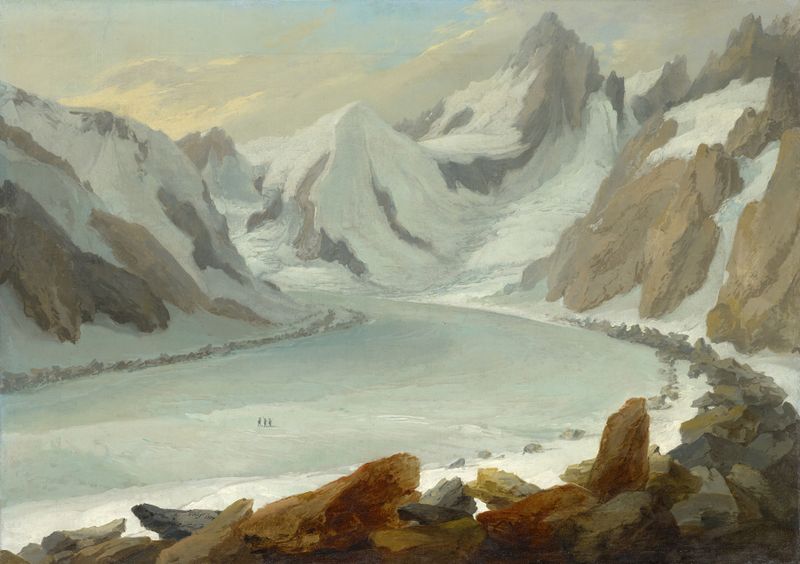
Finsteraargletscher mit Blick auf das Finsteraarhorn
Caspar Wolf
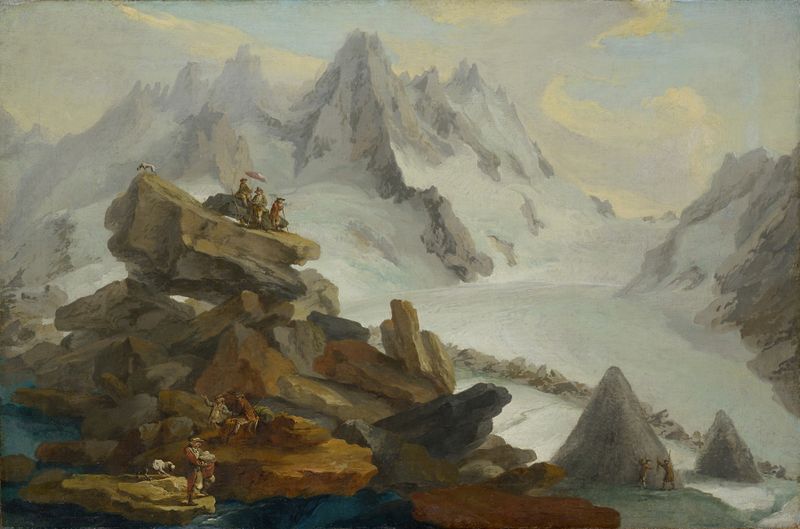
Glacier Lauteraar
Caspar Wolf

Glacier de Lauteraar Canton de Berne Province d’Oberhasli
Caspar Wolf
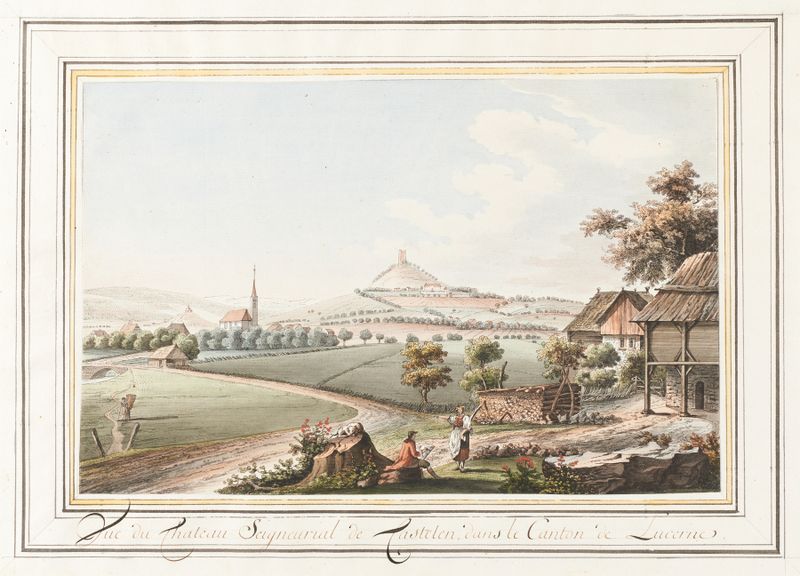
Vue du Chateau Seigneurial de Castelen dans le Canton de Lucerne
Caspar Wolf

Wasserfall im Tobel bei Muri
Caspar Wolf
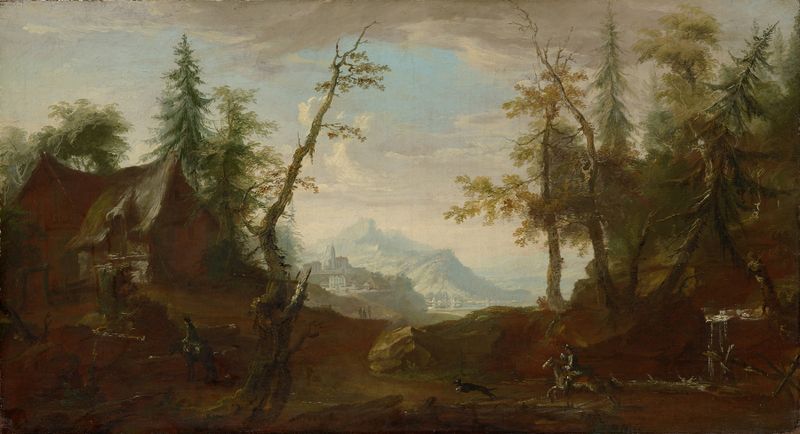
Farmhouse in a Forest Glade with Riders
Caspar Wolf
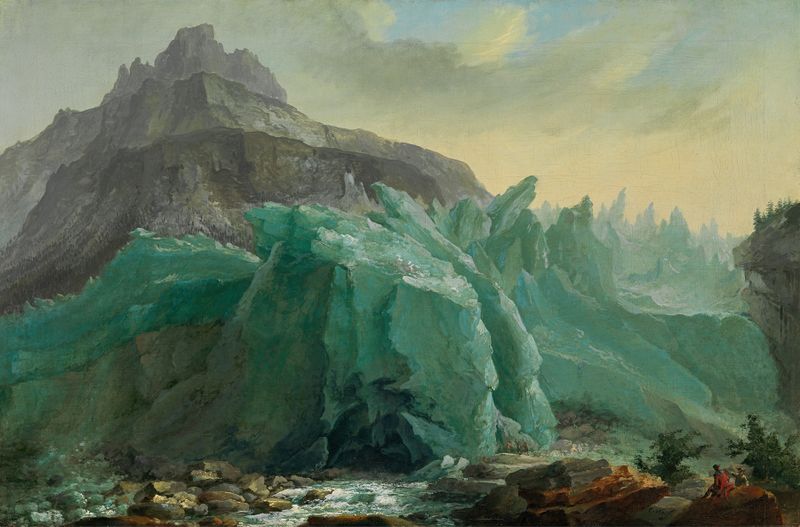
The Lower Grindelwald Glacier with Lütschine and the Mettenberg
Caspar Wolf
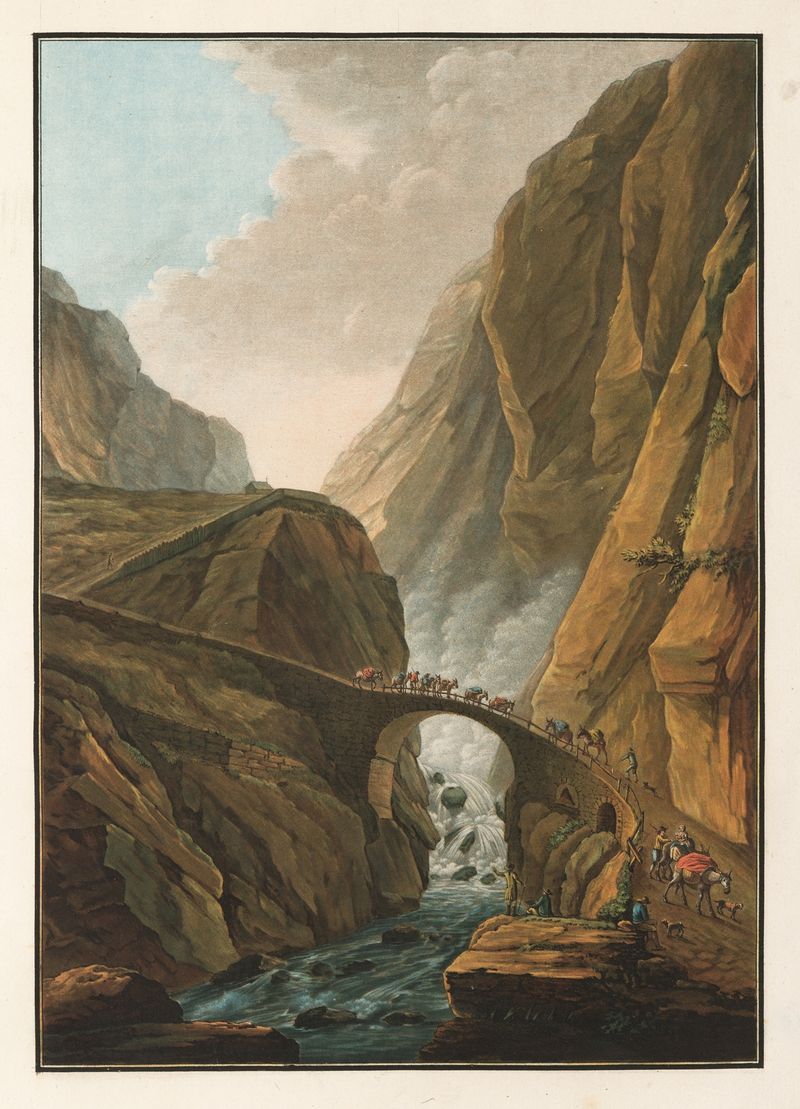
Teufelsbrücke
Caspar Wolf
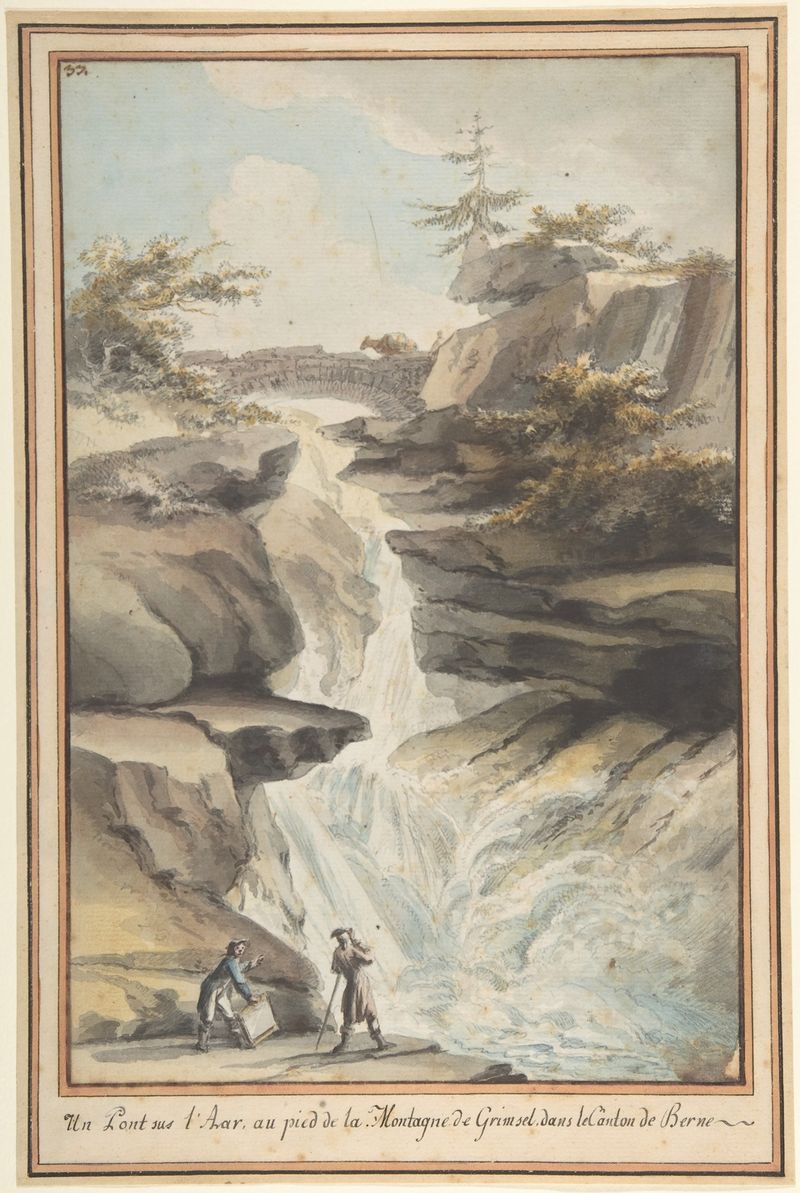
A Bridge on the Aar, at the Foot of the Grimsel, in the Canton of Berne
Caspar Wolf





