
Glacier Lauteraar — History & Facts
Where does light end, and longing begin? In the crystalline expanse of a glacial landscape, one is confronted with both the majesty of nature and the poignant reminders of mortality. Look to the foreground, where jagged ice formations rise like ancient sentinels, their crystalline structures catching the light in a spectrum of blues and whites. Focus on the delicate play of shadow that dances across the surface, revealing the depth and texture of the ice, while the distant peaks loom hazily, wrapped in atmospheric mist. The meticulous brushwork invites the viewer to explore every facet of this frozen world, each stroke echoing the artist's reverence for both nature's beauty and its vulnerability. Hidden within this serene yet imposing scene lies a profound commentary on fragility.
The stark contrast between the pristine ice and the encroaching darkness of the surrounding void hints at the inevitable decay that accompanies such grandeur. This duality serves as a reminder of the fleeting nature of existence, each glimmer of light a momentary celebration before the inevitable shadow of time descends. Caspar Wolf created Glacier Lauteraar in 1776 while exploring the Swiss Alps, a time when Romanticism was beginning to take root, emphasizing emotion and the sublime in nature. The artist found inspiration amid the beauty and peril of the alpine landscape, reflecting both his personal journey and the broader cultural shift towards appreciating the sublime forces of nature.
More Artworks by Caspar Wolf
Browse all →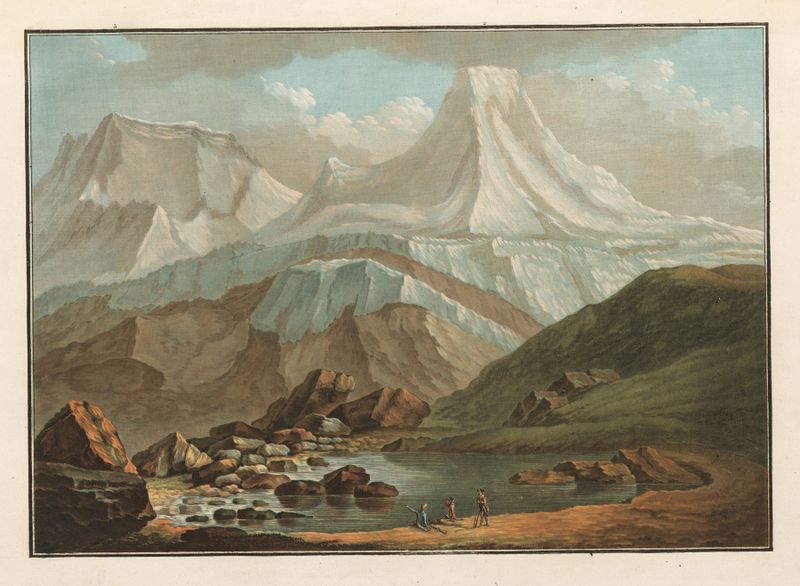
Vue du Gross-Horn et du Breit-Horn avec le petit lac d’Oberhorn
Caspar Wolf
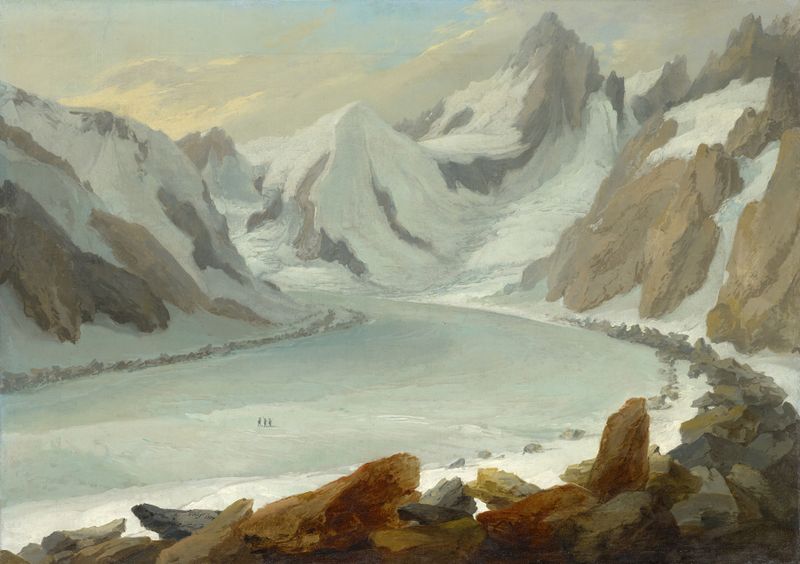
Finsteraargletscher mit Blick auf das Finsteraarhorn
Caspar Wolf

Glacier de Lauteraar Canton de Berne Province d’Oberhasli
Caspar Wolf
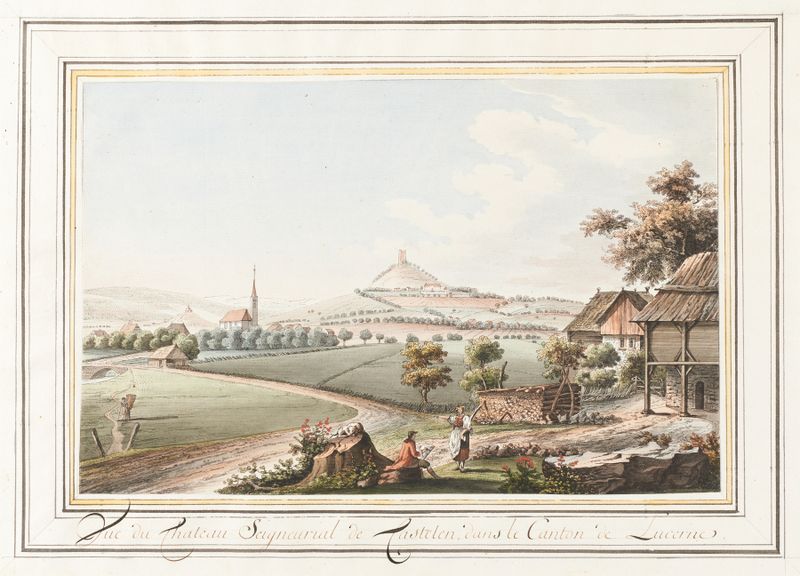
Vue du Chateau Seigneurial de Castelen dans le Canton de Lucerne
Caspar Wolf

Wasserfall im Tobel bei Muri
Caspar Wolf
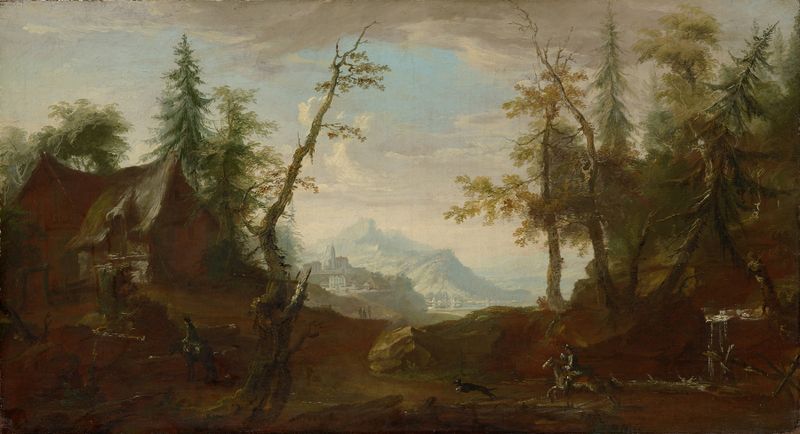
Farmhouse in a Forest Glade with Riders
Caspar Wolf
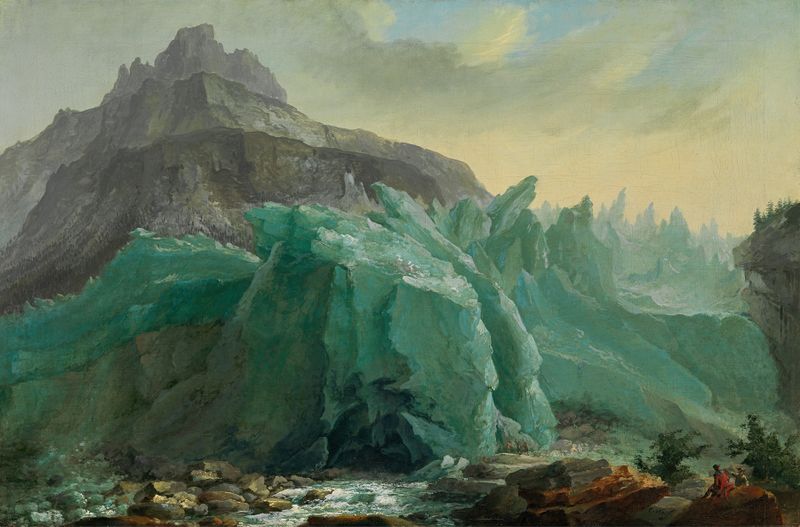
The Lower Grindelwald Glacier with Lütschine and the Mettenberg
Caspar Wolf
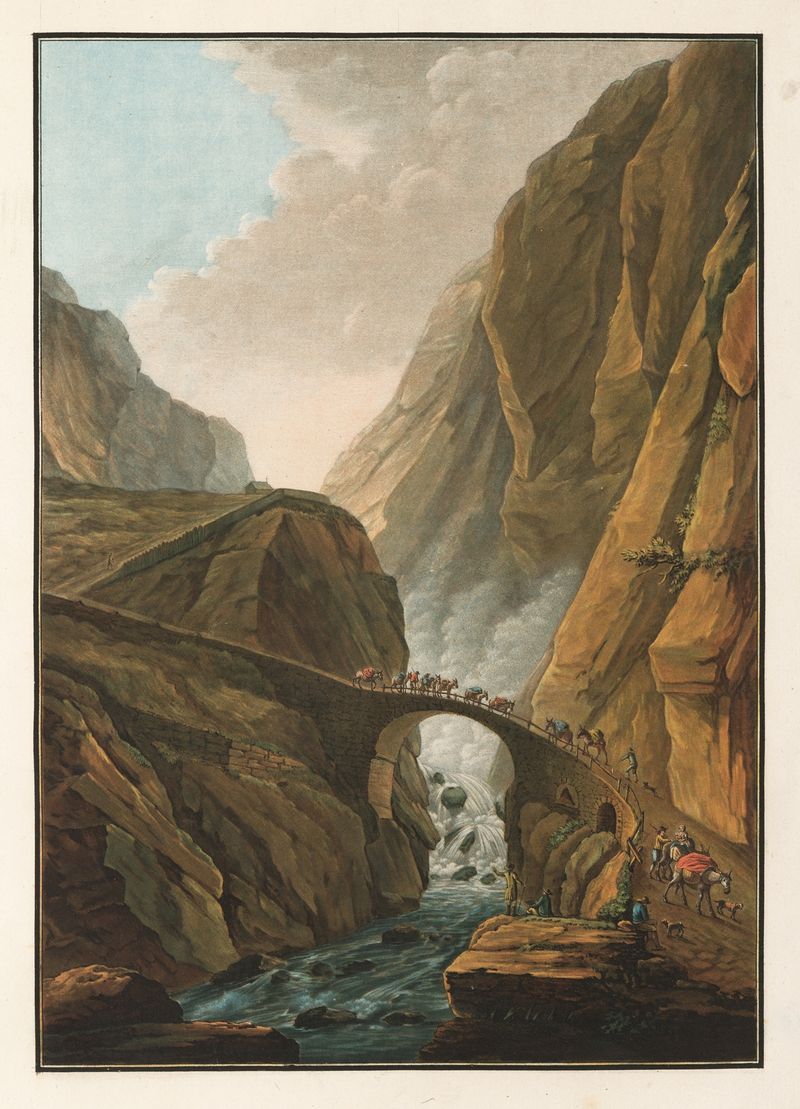
Teufelsbrücke
Caspar Wolf
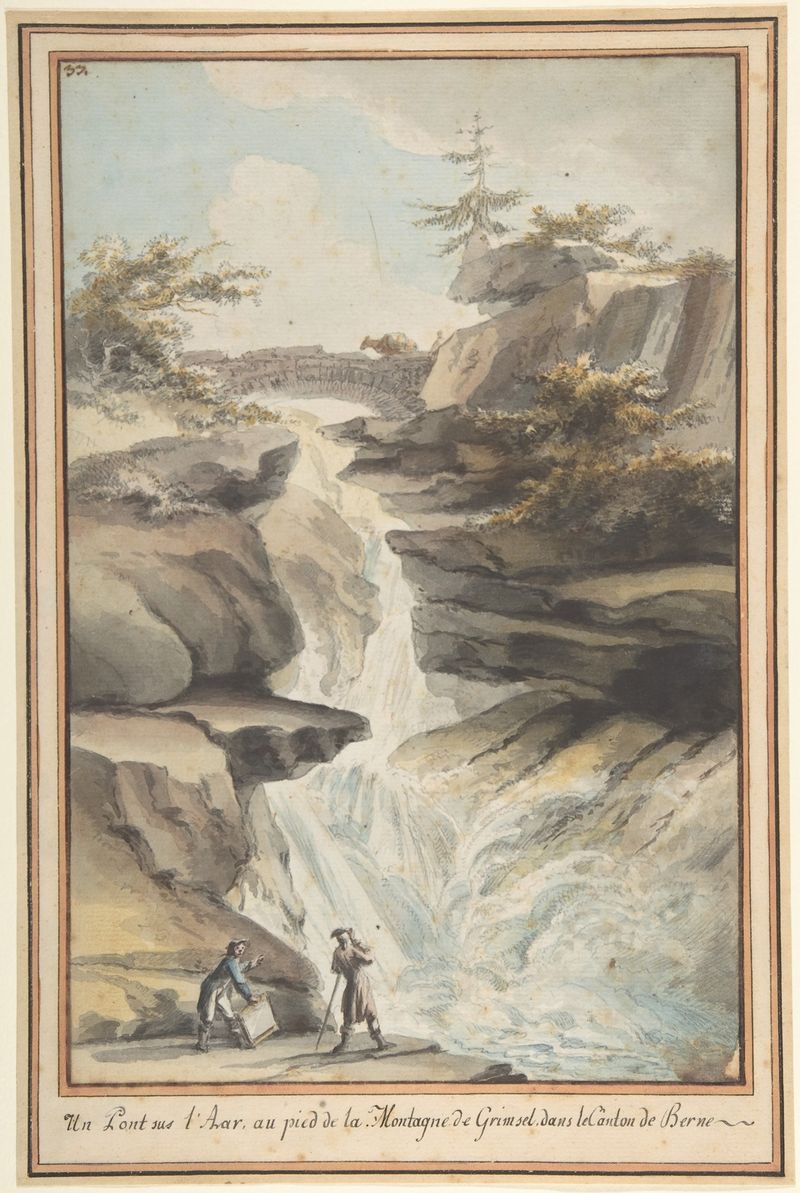
A Bridge on the Aar, at the Foot of the Grimsel, in the Canton of Berne
Caspar Wolf
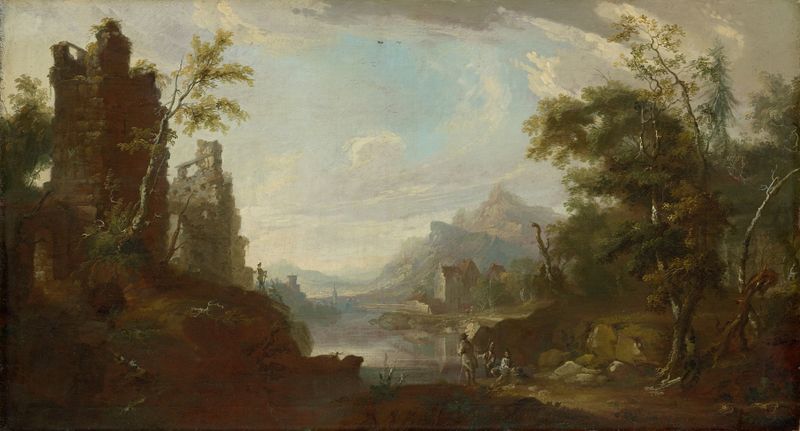
Ruin of a Castle near a Lake with Fishermen
Caspar Wolf





