
Teufelsbrücke — History & Facts
Can paint confess what words never could? In Teufelsbrücke, the silent grandeur of nature transcends mere representation, inviting us to witness a transformative dialogue between the earthly and the ethereal. Look to the left at the rugged, steep cliffs, their jagged edges contrasting with the soft, swirling mists that breathe life into the scene. The bridge, a delicate structure spanning the tumultuous waters below, draws the eye toward the horizon, its pale stone a striking focal point against the deep greens and earthy browns of the mountainous backdrop. The artist’s deft use of light captures the glistening spray from the waterfall, creating a shimmering effect that enhances the sense of movement and fluidity throughout the composition. Hidden beneath the surface lies a narrative of struggle and balance.
The bridge, often interpreted as a metaphor for overcoming obstacles, symbolizes the transition from chaos to harmony as water cascades below. This juxtaposition of robust natural elements with the fragile man-made structure prompts contemplation on humanity's place in the vastness of the world. The mist, obscuring parts of the landscape, evokes mystery and uncertainty, inviting viewers to ponder what lies beyond the visible. Caspar Wolf painted Teufelsbrücke during a tumultuous period between 1915 and 1945, marked by global conflicts and shifting artistic movements.
Living in an era where expressionism and abstraction began to challenge traditional representation, he sought solace in landscapes that echoed a spiritual connection to nature. This work, created in the shadow of war, reflects a yearning for peace and the transformative power of the sublime.
More Artworks by Caspar Wolf
Browse all →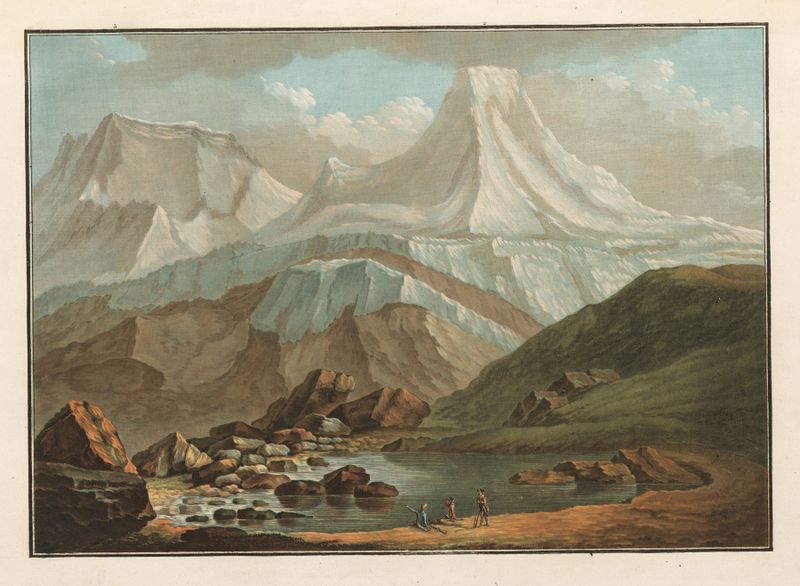
Vue du Gross-Horn et du Breit-Horn avec le petit lac d’Oberhorn
Caspar Wolf
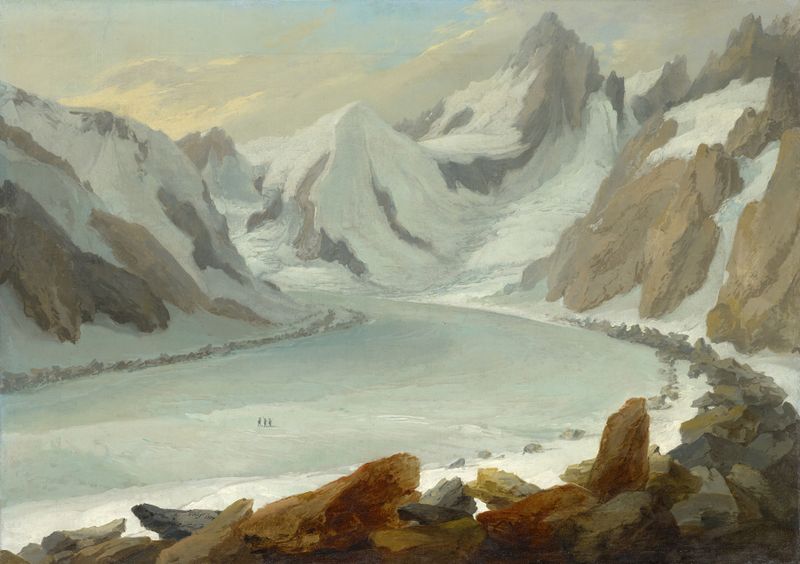
Finsteraargletscher mit Blick auf das Finsteraarhorn
Caspar Wolf
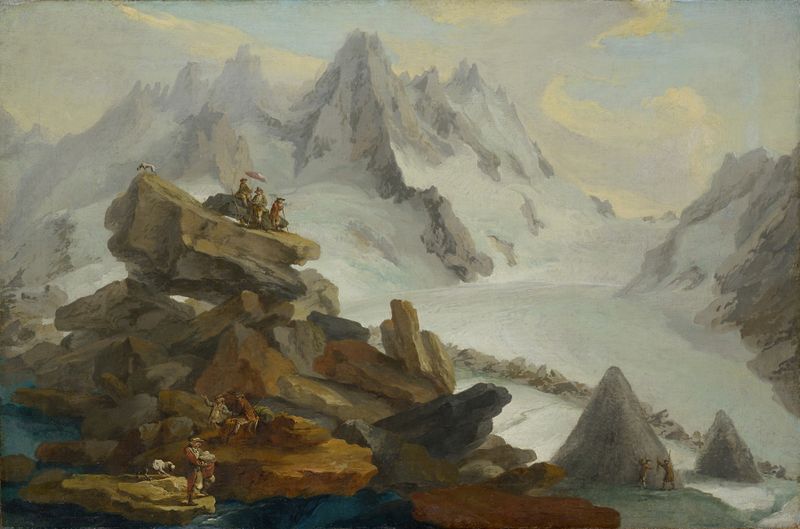
Glacier Lauteraar
Caspar Wolf

Glacier de Lauteraar Canton de Berne Province d’Oberhasli
Caspar Wolf
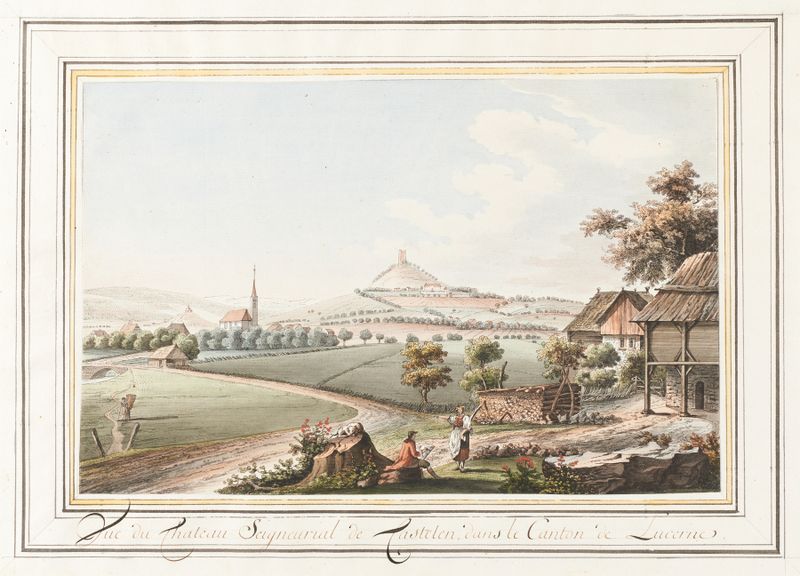
Vue du Chateau Seigneurial de Castelen dans le Canton de Lucerne
Caspar Wolf

Wasserfall im Tobel bei Muri
Caspar Wolf
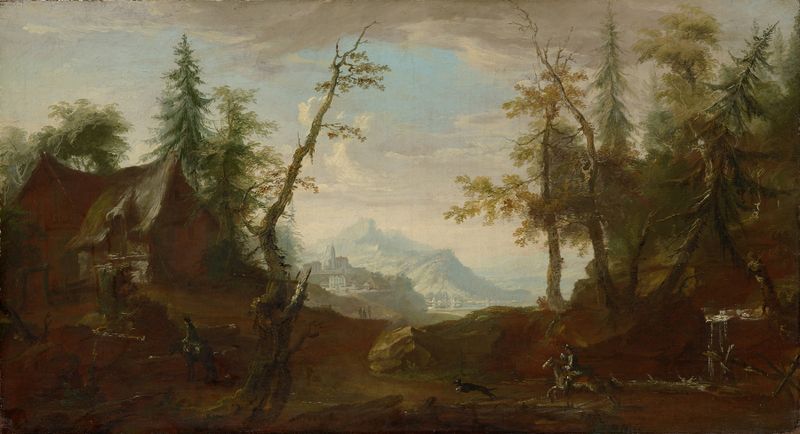
Farmhouse in a Forest Glade with Riders
Caspar Wolf
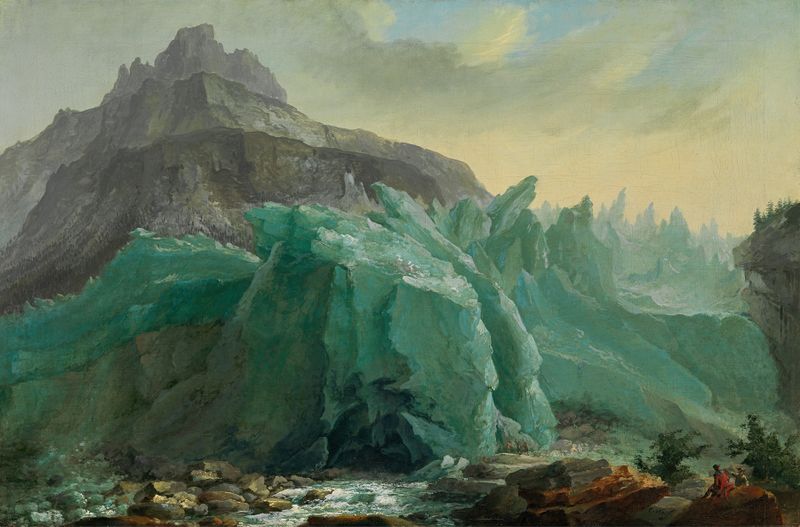
The Lower Grindelwald Glacier with Lütschine and the Mettenberg
Caspar Wolf
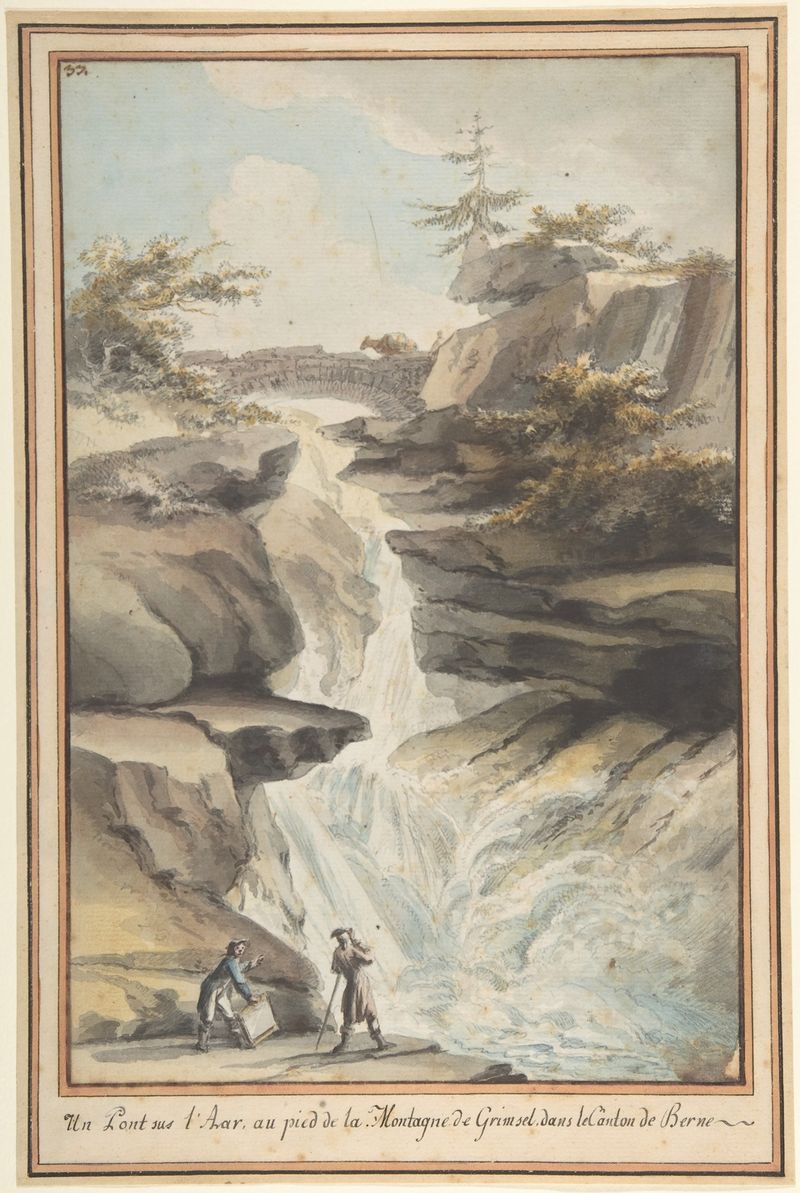
A Bridge on the Aar, at the Foot of the Grimsel, in the Canton of Berne
Caspar Wolf
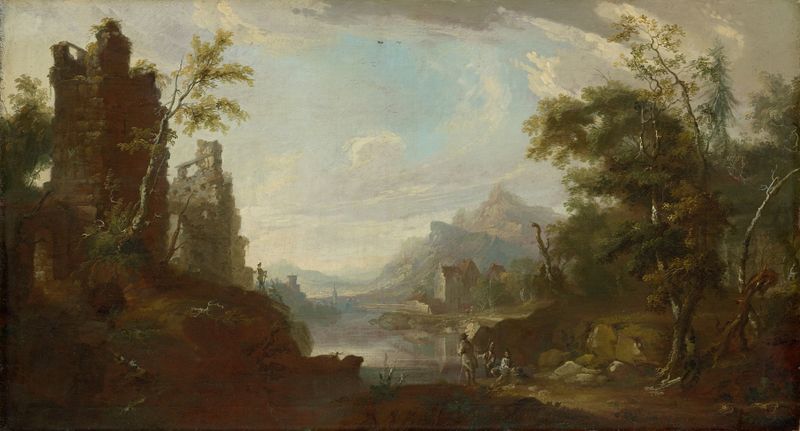
Ruin of a Castle near a Lake with Fishermen
Caspar Wolf





