
A Church in the Trees — History & Facts
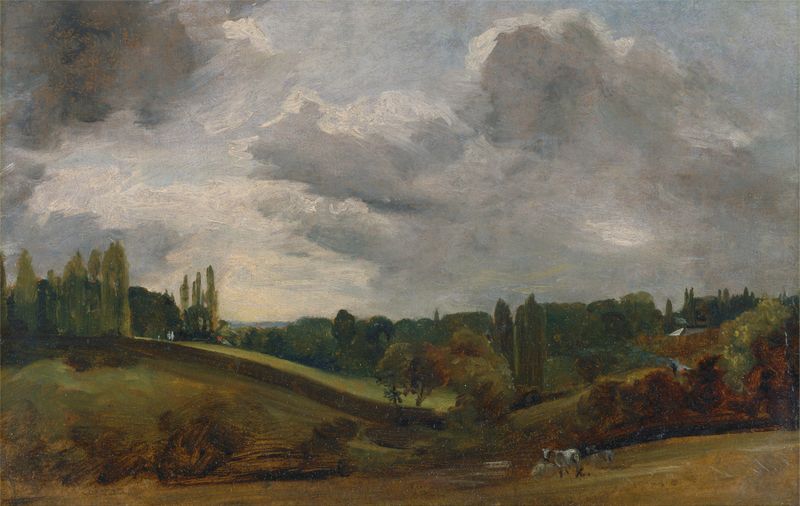
Can beauty exist without sorrow? In A Church in the Trees, the delicate interplay of light and shadow suggests that destiny, like the trees themselves, stands tall amid the inevitable. Look to the center of the canvas where the church emerges, its steeple reaching for the sky, framed by a lush, verdant canopy. The light filters through the leaves above, casting dapples of gold and green, while the cool blues and browns of the earth ground the scene. Notice how the gentle curve of the path invites the viewer's eye toward the ecclesiastical structure, creating a sense of movement that seems to beckon one closer.
The masterful brushwork evokes a natural beauty, yet hints at something deeper beneath the surface. In the juxtaposition of the church’s stillness against the vibrant life of the trees, there lies a tension between human ambition and nature’s timelessness. The overhanging branches suggest both shelter and entrapment, a reminder of how destiny intertwines with our desires. Each leaf and shadow carries an unspoken narrative, where the sacred space both nurtures and isolates.
The serenity of the scene belies an underlying complexity, echoing the inevitable truths of human existence. John Constable painted this work during a period marked by both personal struggle and artistic evolution, likely in the early 19th century in England. It was a time of significant change; the Romantic movement was gaining momentum, emphasizing emotion and nature's beauty. Amidst the chaos of industrialization, Constable sought to capture the pastoral scenes of his youth, grounding his work in the world around him while contemplating the forces that shape human destiny.
More Artworks by John Constable
Browse all →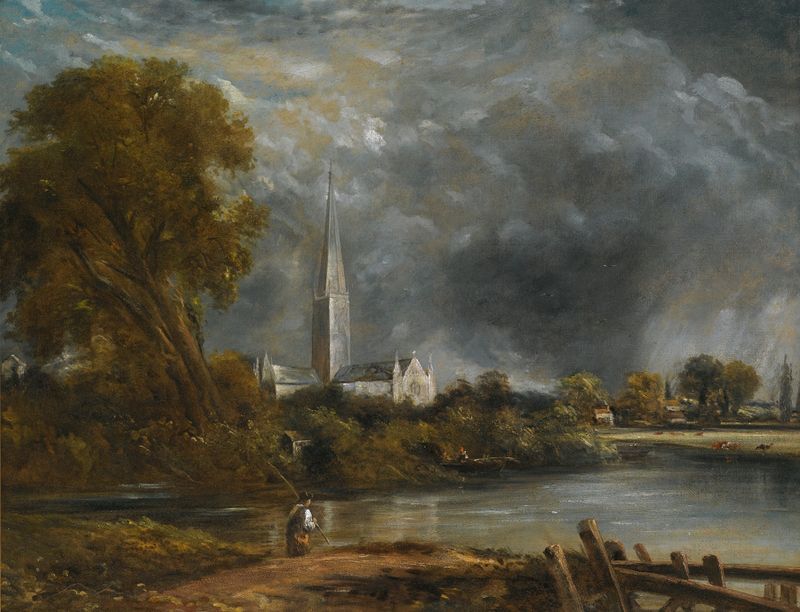
Salisbury Cathedral From The Meadows
John Constable
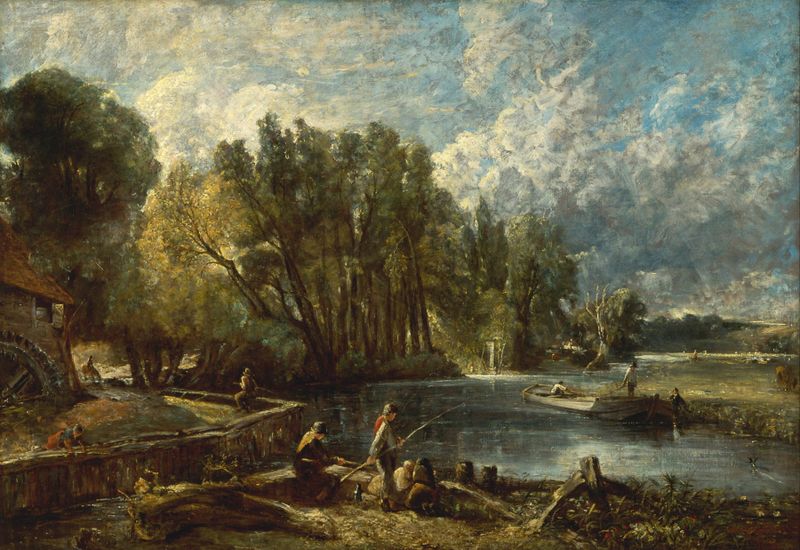
Stratford Mill
John Constable
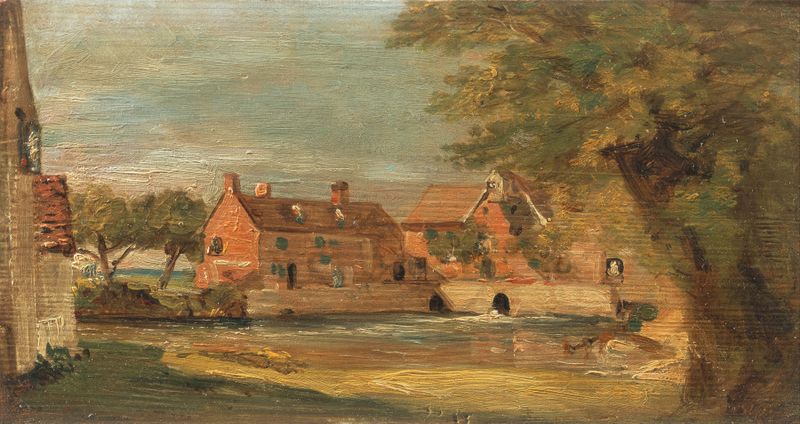
Flatford Mill
John Constable
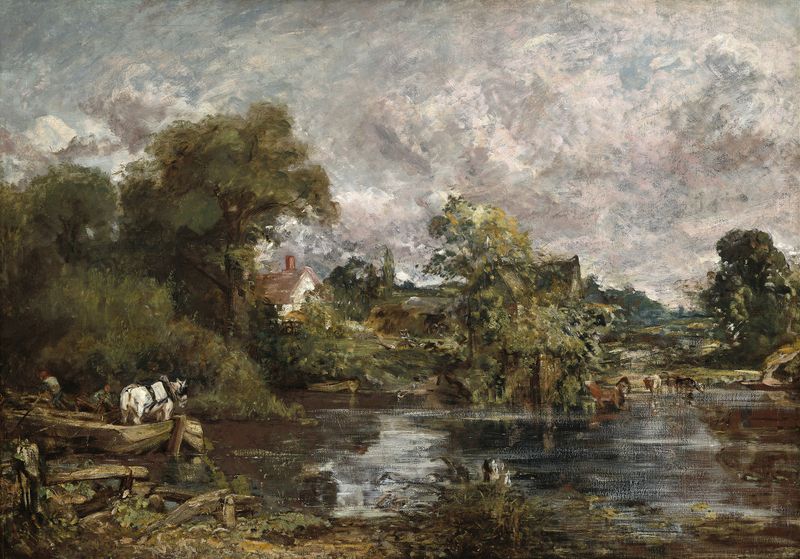
The White Horse
John Constable
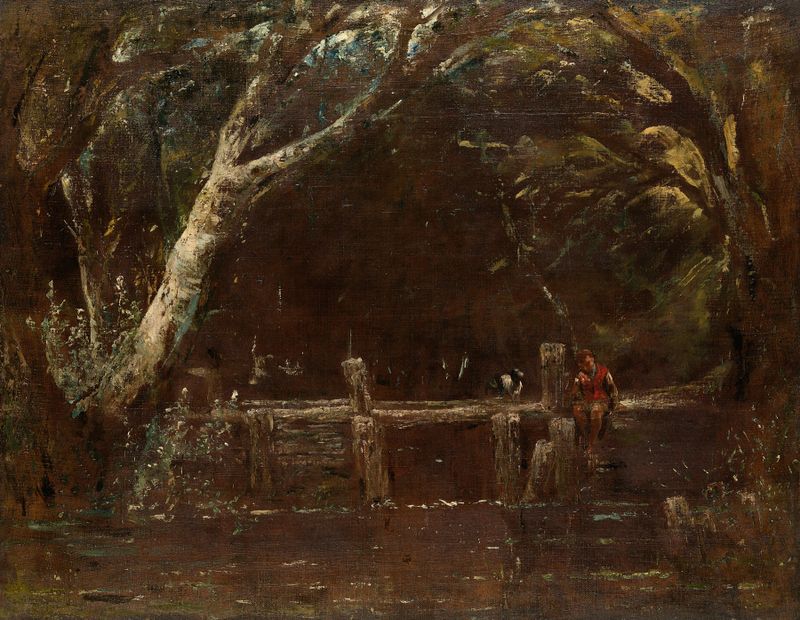
Landscape (The Lock)
John Constable
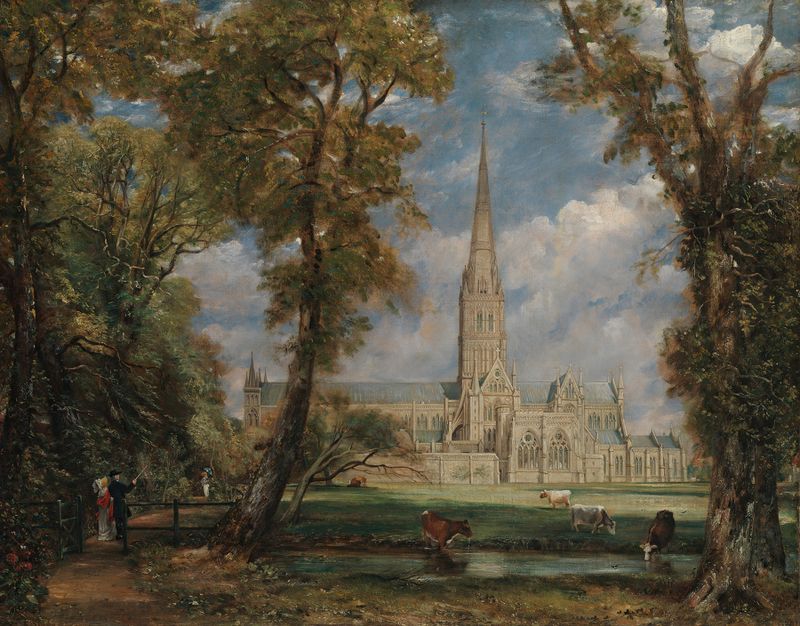
Salisbury Cathedral from the Bishop’s Grounds
John Constable
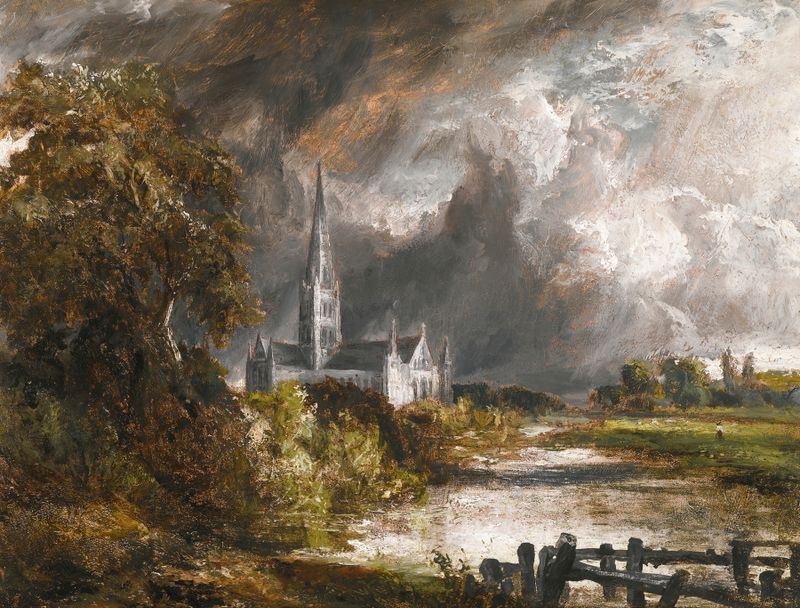
Salisbury Cathedral From The Meadows
John Constable
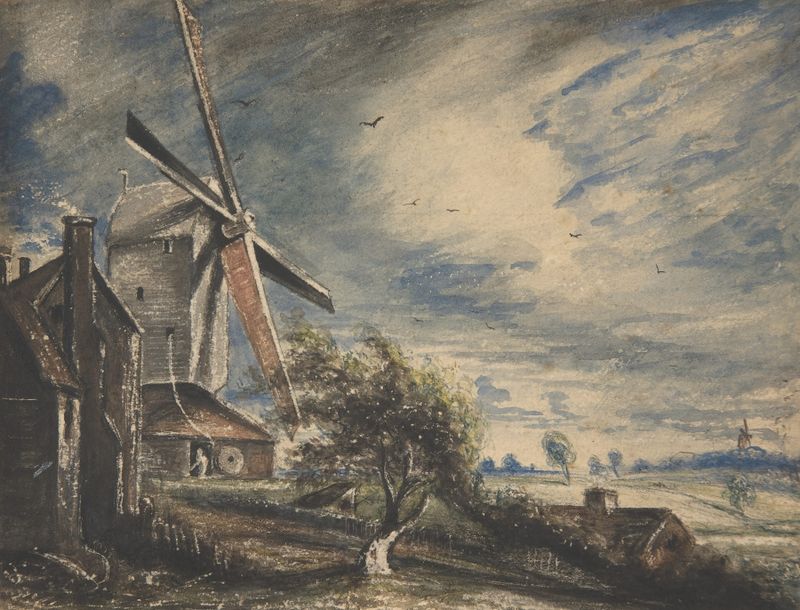
A Mill Near Colchester
John Constable
East Bergholt
John Constable

Flatford Mill
John Constable





